
Film
It Takes Two
Other titles called It Takes Two: the 1982 film.
- Comedy
- Light-hearted
A 1995 comedy where identical twins from opposite worlds—one orphaned, one rich—swap lives at summer camp and conspire to reunite Amanda's guardian and Alyssa's widowed father. It's pure '90s family entertainment: warm-hearted, relentlessly cheerful, and genuinely charming despite its formulaic bones. For anyone who loves a good-natured premise and doesn't mind that the plot bends toward inevitable sweetness.
Should you watch it?
Watch it if you have a soft spot for mid-90s family comedies built on mistaken identity, where the fun comes from two very different households colliding and a grown-up romance quietly steered by two kids.
Skip it if you want sharp, grown-up wit or a story that takes its premise seriously; the jokes are broad, the plotting is predictable, and the sweetness is laid on without much restraint.
What it asks of you: About ninety minutes of easy, cheerful viewing with no real weight to carry. It moves briskly, stays light throughout, and asks only that you go along with a fairly loose premise.
Not sure? Find tonight's pick in a minute.
If you liked this
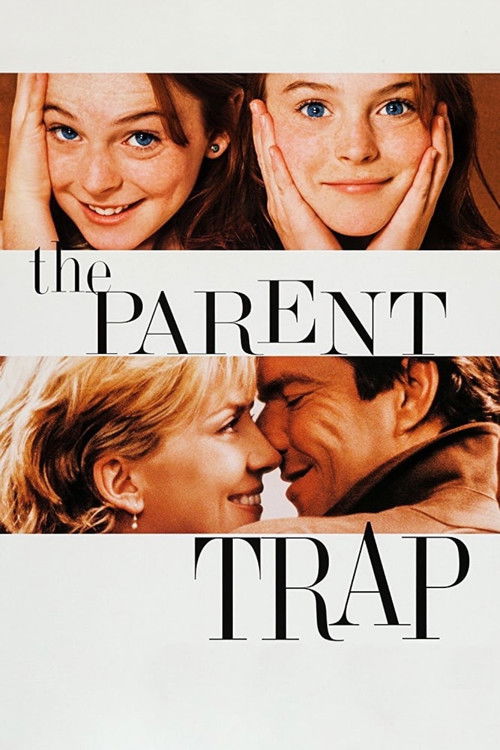
The Parent Trap1998
The spiritual successor to this film's DNA: twins separated at birth reunite and scheme to restore their parents' marriage. Same director, same era energy, same reliable heart. Lindsay Lohan's double performance is luminous.
But If you've seen it recently, the machinery shows—the coincidences stack up and the emotional beats land exactly where you expect them. It's a bit of a comfort-watch repeat at this point.
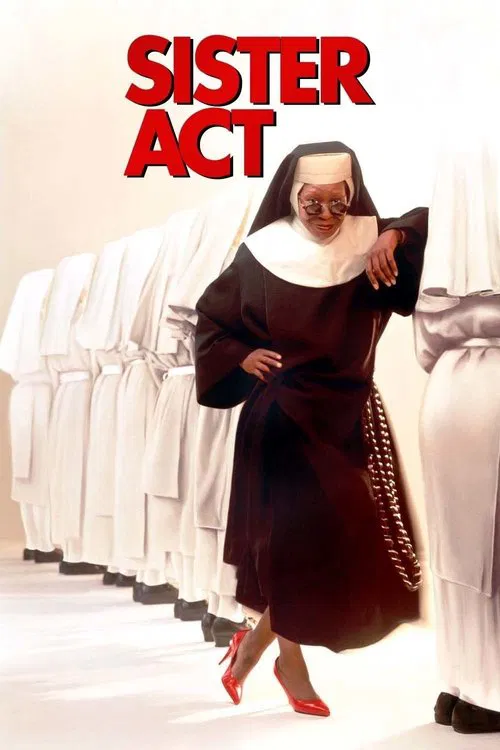
Sister Act1992
Whoopi Goldberg's infectious charm and a script that understands how to balance humor with genuine warmth. It has that same '90s family-comedy heart: optimistic without being saccharine, funny without being mean.
But The fish-out-of-water premise is well-trodden, and the climax relies on a song-and-dance number that some find more groan-inducing than joyful.
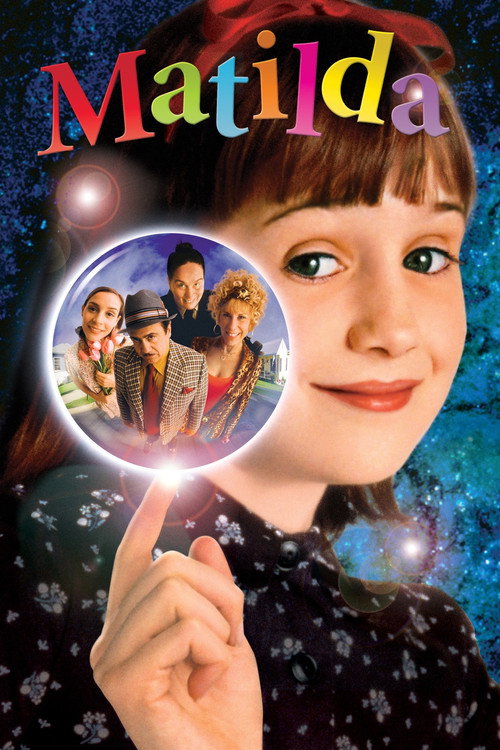
Matilda1996
Danny DeVito directs and stars in this tale of an extraordinary girl in an ordinary world. Like *It Takes Two*, it's anchored by child performers you actually believe, and it has that same belief that goodness and cleverness can overcome circumstance.
But It's darker than you might expect from its premise—the parents are genuinely awful—so it's a tonal tightrope that doesn't always land smoothly. Some find the whimsy treacly.
Not sure tonight? Get a pick in a minute, starting from It Takes Two
The wildcard
Something you would not have found on your own.
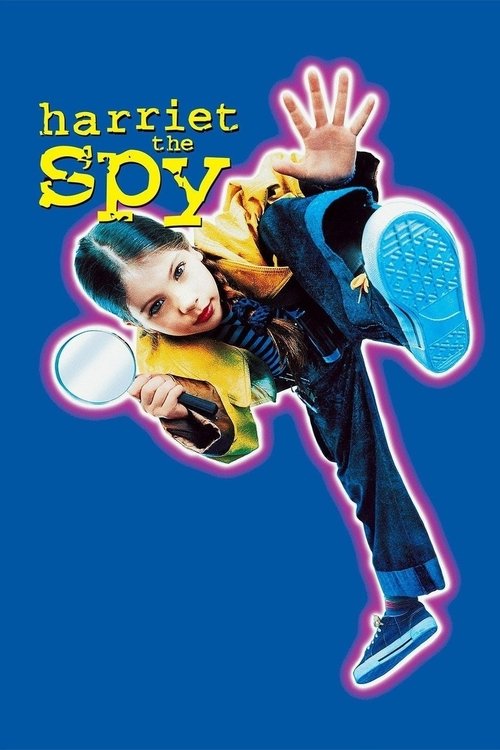
Harriet the Spy1996
Both film stars pre-teen protagonists solving adult problems, but Harriet does it by exposing secrets and creating chaos, while Amanda and Alyssa do it through deception and matchmaking. One believes in intervention and its costs; the other in orchestration and love.
A young girl weaponizes her curiosity to right wrongs and uncover truths. Like *It Takes Two*, it centers a child protagonist with agency who solves problems through cleverness and persistence. But it's far darker: Harriet's spying has real social consequences, and the film doesn't shy away from childhood cruelty or moral ambiguity. It trusts its young audience to sit with discomfort.
But It's genuinely more cynical than *It Takes Two*—the '90s optimism curdles into something more brittle. If you want uncomplicated warmth, this will feel like a bait-and-switch.
More like this (7)
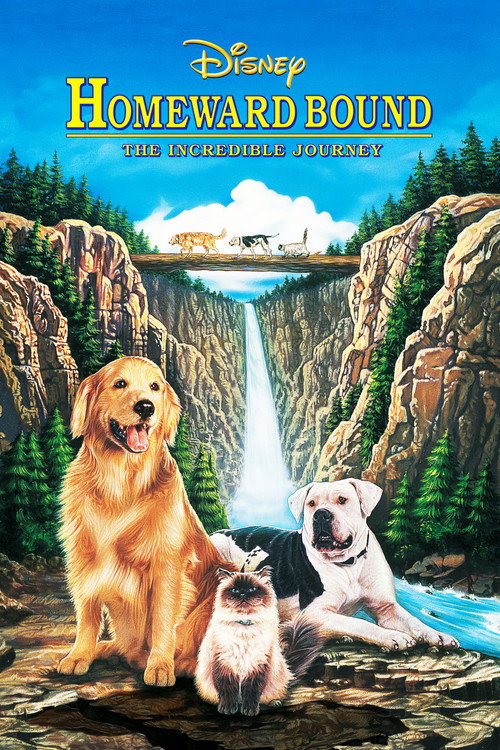
Homeward Bound: The Incredible Journey1993
A no-cynicism adventure where three pets journey across wilderness to reunite with their family. It shares the film's unironic emotional core: the belief that love and persistence matter, told without a wink at the camera.
But If you're not predisposed to root for animals overcoming obstacles, the formula will feel thin. It moves at a languid pace that tests patience.
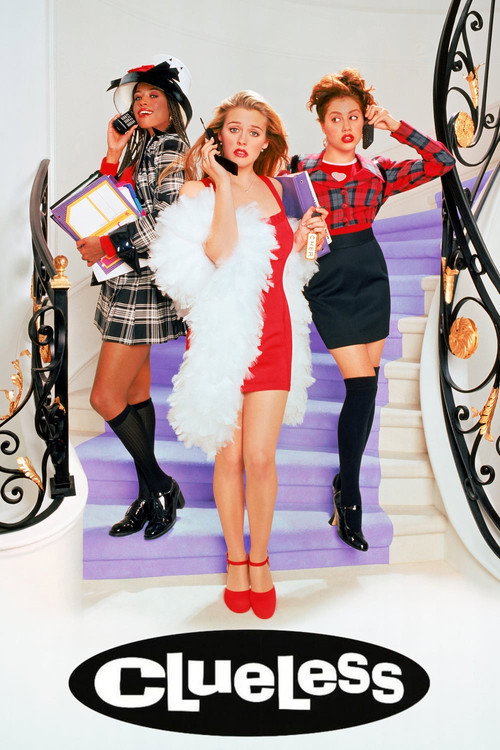
Clueless1995
Released the same year, it captures the '90s teen-comedy sweet spot: smart, funny, self-aware without being cruel, with a heroine genuinely trying to do good. It's a masterclass in likeable characters in a candy-colored world.
But The fashion and slang are so period that some viewers find it dated rather than charming. Also, the romantic subplot doesn't hold up to contemporary scrutiny.
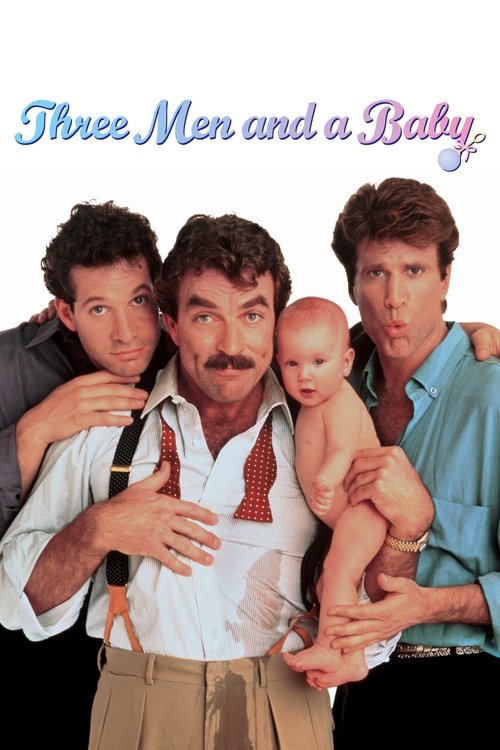
3 Men and a Baby1987
Tom Selleck, Steve Guttenberg (who's also in *It Takes Two*), and Ted Danson must care for an infant. It's high-concept but grounded: the humor comes from real people trying to solve actual problems, and the heart sneaks up on you.
But The plot pivots on contrivances that strain credibility, and some of the jokes land softer now than they did in the '80s. Guttenberg's comedic timing isn't for everyone.
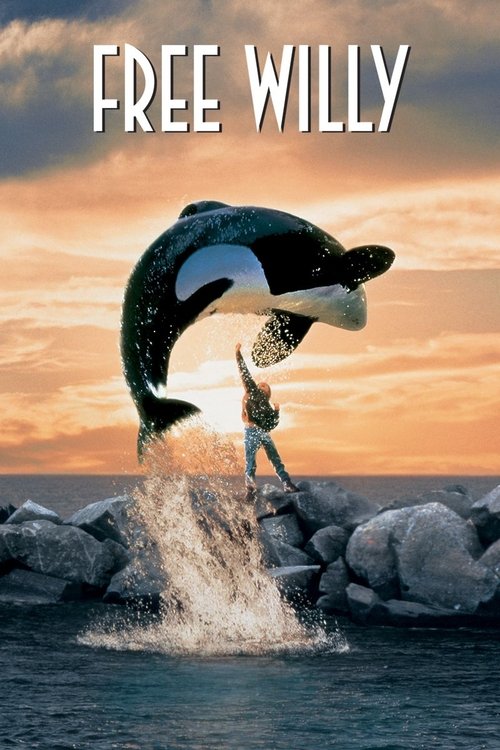
Free Willy1993
A boy bonds with an orca he's supposed to free. It's earnest, sincere, and utterly convinced of its own emotional truth. Like *It Takes Two*, it believes wholeheartedly that connection and loyalty can transcend circumstance.
But The whale effects haven't aged perfectly, and the message—save the whale, free the whale—can feel heavy-handed and didactic rather than organic.
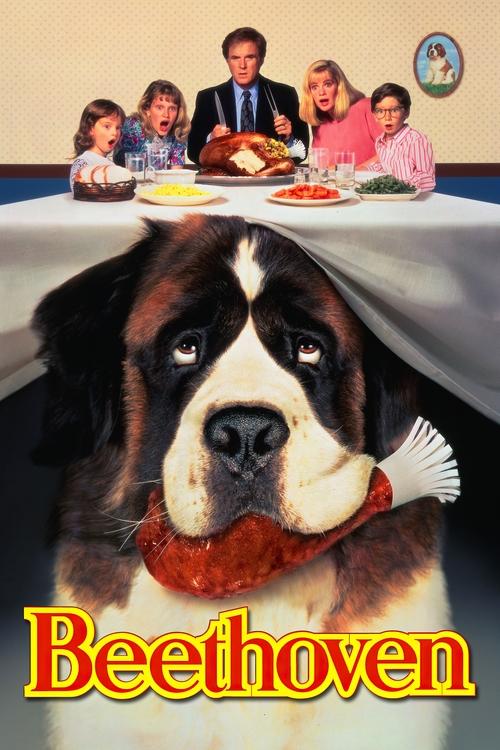
Beethoven1992
A Saint Bernard disrupts a family's life for the better. It has the same '90s family-comedy optimism: the implicit belief that love (even for a large, slobbery dog) transforms people and heals rifts.
But The humor is broad and slapstick, which hasn't aged well. For anyone past a certain age, it feels more exhausting than funny, and the plot is thinner than tissue paper.
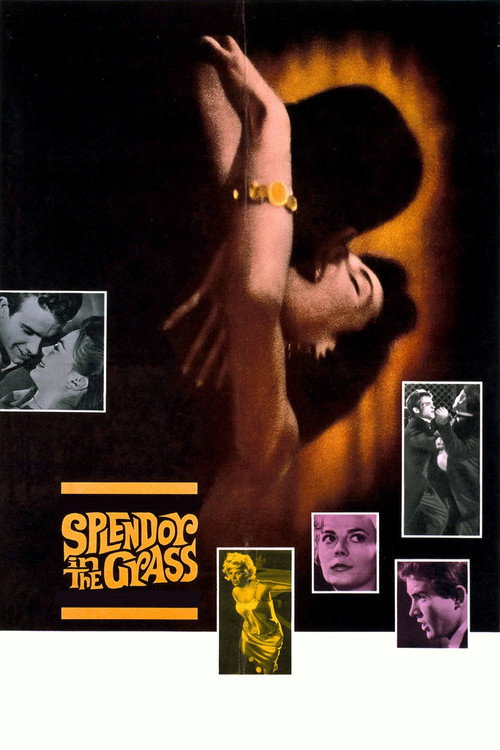
Splendor in the Grass1961
Both films treat love—romantic or familial—as something worth scheming for across class divides. But *Splendor* asks: what if the scheming fails? What if circumstances are too powerful? It's the dark mirror to the Olsen twins' optimism.
A landscape-spanning romance across class lines, with Warren Beatty and Natalie Wood as young lovers pulled apart by family circumstance and social expectation. It's *It Takes Two*'s DNA inverted: instead of kids bringing adults together, we watch as wealth and propriety tear youth apart. Elia Kazan's direction is lush and heartbreaking.
But It's a 1961 melodrama that expects you to feel the weight of social convention. There's no magical solution, no happy ending folded into the final act. If you want resolution, this film refuses it.
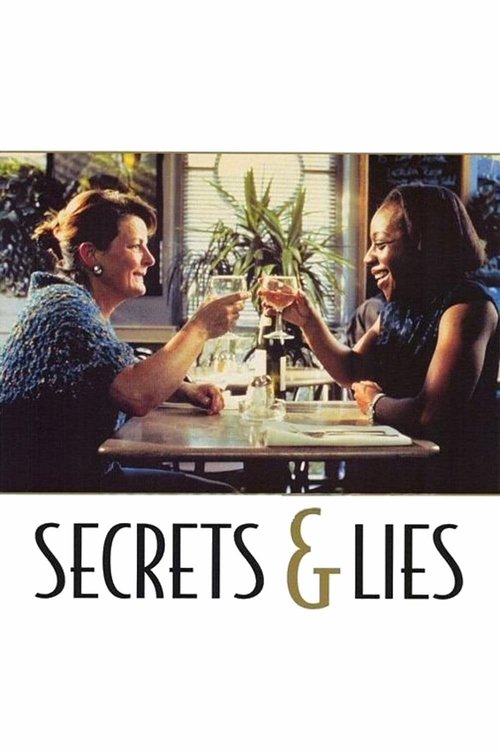
Secrets & Lies1996
Both films turn on a central secret that, once revealed, forces separated people to acknowledge each other. But where *It Takes Two* uses the secret as a springboard to joy, *Secrets & Lies* uses it as a mirror to show how much damage deception has caused.
Mike Leigh's ensemble drama about a Black woman discovering her birth mother is white—and the tangle of deception, resentment, and love that follows. It shares *It Takes Two*'s central mechanism: a hidden truth forcing a family to reckon with each other. But it's a three-hour emotional excavation where every scene peels back another layer of pain and history.
But There are no twin schemes or matchmaking shortcuts. Everyone is stuck with their complexity and grief. If you're looking for resolution or comfort, Leigh will make you sit in discomfort for a very long time. The British emotional register is also quite different from American '90s warmth.
People
Cast
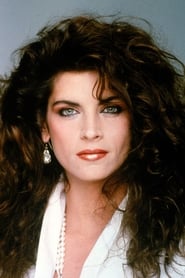 Kirstie AlleyDiane Barrows
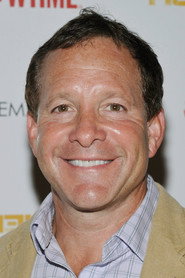 Steve GuttenbergRoger Callaway
 Mary-Kate OlsenAmanda Lemmon
 Ashley OlsenAlyssa Callaway
 Philip BoscoVincenzo
 Jane SibbettClarice Kensington
- Michelle GrisomCarmen
- Desmond RobertsonFrankie
- Tiny MillsTiny
- Shanelle HenryPatty
- Anthony AielloAnthony
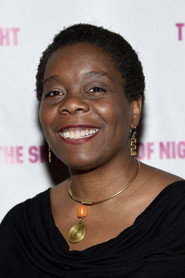 LaTonya BorsayWanda
Directing
- Andy TennantDirector
- Mick MacKayFirst Assistant Director
- Mimi WolchScript Supervisor
- Rocco GismondiSecond Assistant Director
- Dennis ScottSecond Unit Director
Writing
- Deborah Dean DavisWriter
Production
- Amy LippensCasting
- Andy CohenCo-Producer
- Laura FriedmanCo-Producer
- Keith SamplesExecutive Producer
- Mel EfrosExecutive Producer
- James OrrProducer
- Jim CruickshankProducer
- Steve WakefieldUnit Production Manager