
Film
After the Fox
Peter Sellers plays a suave con artist who poses as a visionary film director to smuggle gold. It's a light-footed caper that loves the movies themselves—how they dazzle, deceive, and seduce. Sharp, playful, and genuinely affectionate toward its own artifice. For anyone who enjoys crime stories that wink at the audience.
Should you watch it?
Watch it if you enjoy caper comedies where the scheme is the joke, and a performer playing several roles inside one con keeps the whole thing lightly absurd.
Skip it if you want sharp plotting or restrained, modern crime-film tension; the humor often leans on broad performance, and the machinery of the con can feel creaky.
What it asks of you: A leisurely hour and three quarters, with the plot unspooling through a chain of elaborate set-ups rather than building towards a single taut climax.
Not sure? Find tonight's pick in a minute.
If you liked this
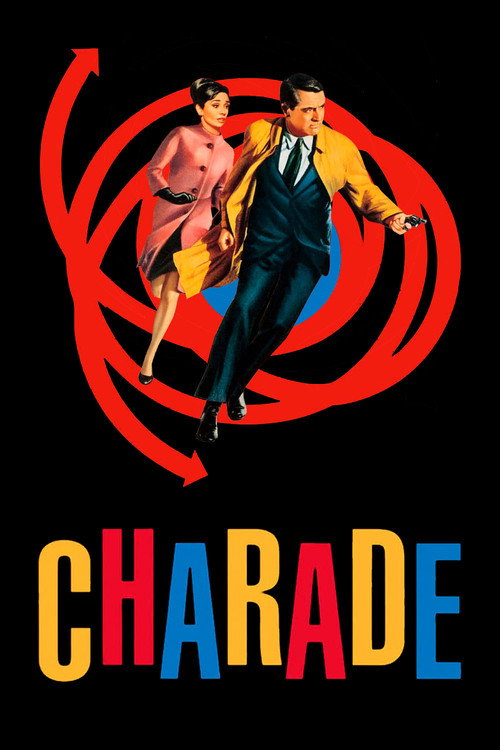
Charade1963
Audrey Hepburn and Cary Grant in a Paris-set thriller that's funny, romantic, and thrilling in equal measure. It executes the tonal balance—suspense with humor, style with substance—that After the Fox reaches for.
But The plot twists require real attention, and if you're not in the mood to follow the mechanics, it can feel lightweight where it's trying to be clever.
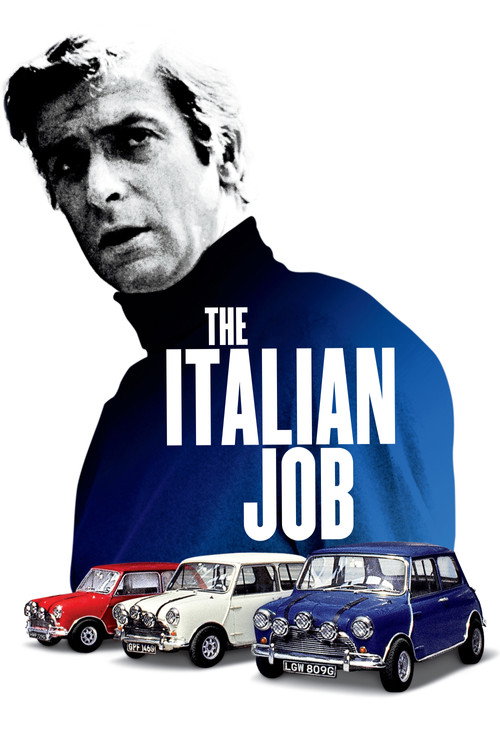
The Italian Job1969
A heist film that's pure pleasure: witty, stylish, with a perfect ensemble and a final twist that's genuinely satisfying. It shares the same DNA of crime played as performance, where the scheme matters less than the style.
But The script occasionally leans on stereotypes, and the plot is straightforward enough that you might guess the beats if you've seen many heists before.
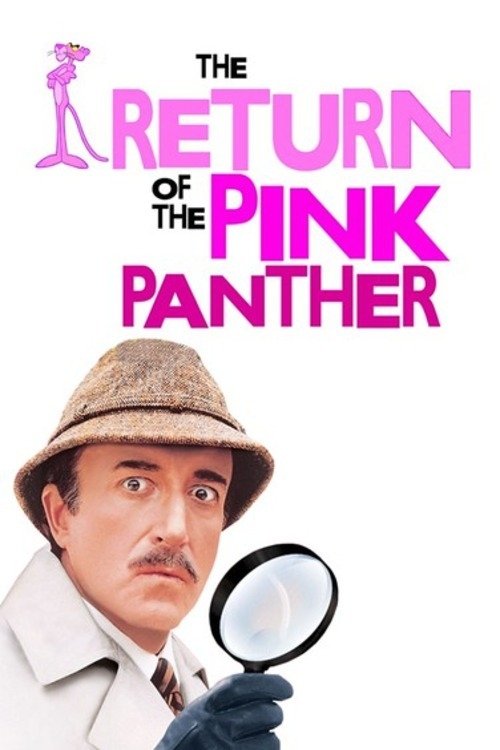
The Return of the Pink Panther1975
Sellers at the height of his comedic powers, here playing Inspector Clouseau. The film understands that bumbling can be a form of genius, and it's constructed like a perfect music box of gags and escalations.
But If physical comedy doesn't land for you, the whole enterprise feels thin. Some jokes have dated more gently than others.
Not sure tonight? Get a pick in a minute, starting from After the Fox
The wildcard
Something you would not have found on your own.
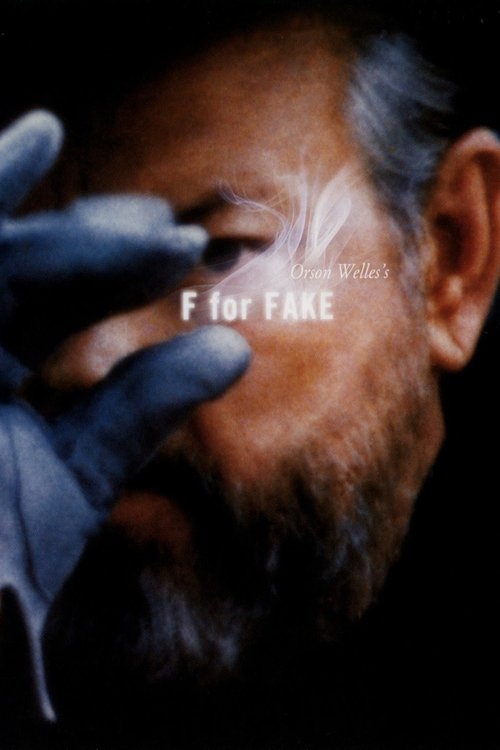
F for Fake1973
Both are films about the seduction of spectacle and the impossibility of distinguishing truth from performance. Both love cinema as a medium for illusion. After the Fox does it as caper; F for Fake does it as philosophy.
Orson Welles' essay-film about forgery, illusion, and the nature of authenticity. It's intellectually audacious and visually spectacular, and it asks the same question After the Fox lives inside: what's the difference between a con and a work of art?
But It's an experimental documentary-essay hybrid with no plot. It's Welles being playful but also philosophical, so it demands an attentive viewer willing to sit with ideas rather than waiting for the next scene.
More like this (7)
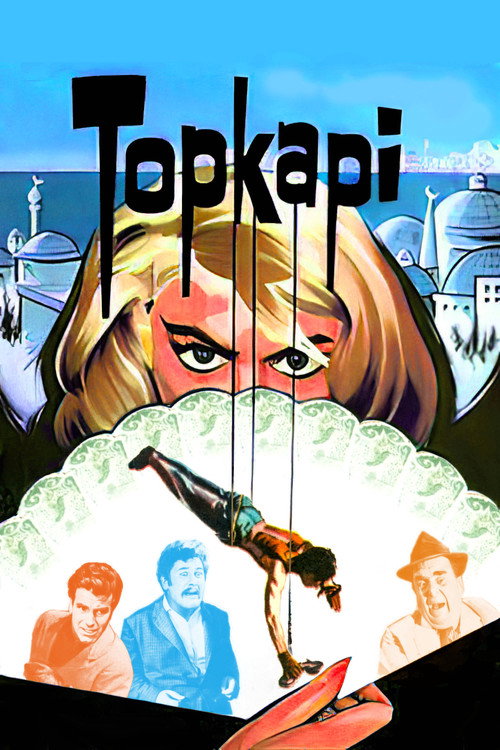
Topkapi1964
Peter Ustinov leads a crackerjack ensemble through an Istanbul heist that's clever without being smug. Light, intelligent, bursting with personality—it does what After the Fox does but with slightly more precision.
But The pacing slackens in places, and a few supporting roles feel like they're filling time rather than adding texture.
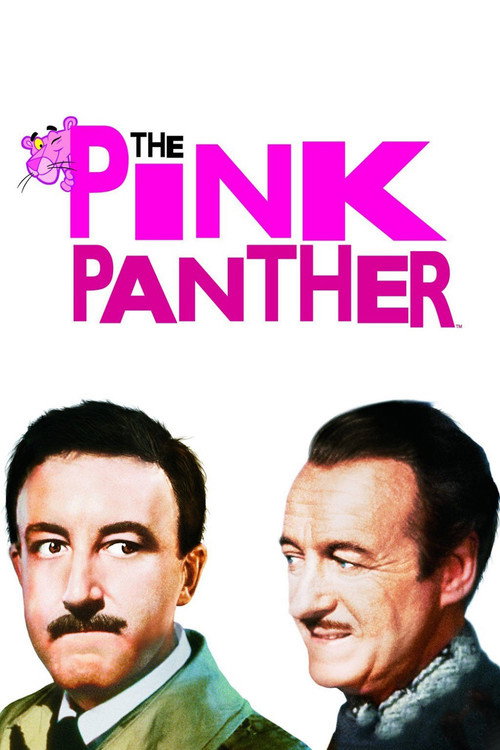
The Pink Panther1963
Sellers is magnificent as Clouseau, but the film's real charm is how it enjoys its own stylishness and absurdity. A perfect companion to Sellers' work in After the Fox.
But The crime plot is genuinely thin, and if you need narrative momentum to stay engaged, the elaborate setpieces might feel self-indulgent.
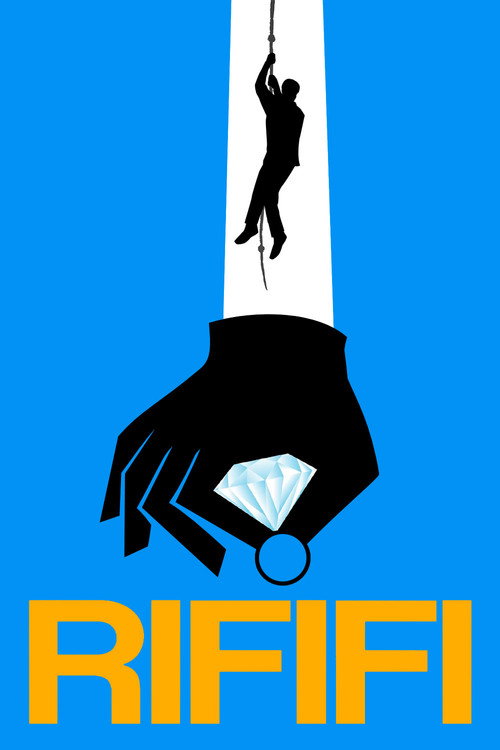
Rififi1955
A jewel heist with almost no dialogue in its centerpiece sequence—pure visual storytelling. It's the gold standard that influenced everything After the Fox admires about crime films played as art.
But It's considerably darker and more cynical than the Sellers film, with real consequences. The tonal shift might feel jarring if you go in expecting lightness.
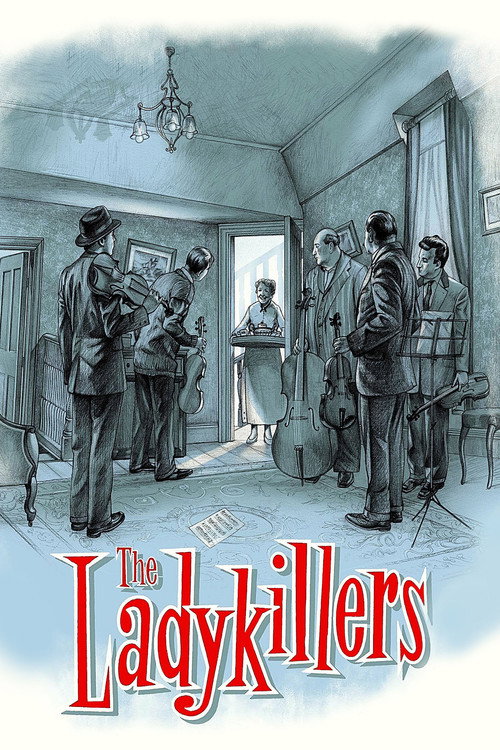
The Ladykillers1955
Ealing comedy at its finest: criminals posing as musicians. It understands that the best crime comedies are about people who are fundamentally vain, and vanity is always funny.
But Deeply British humor; if that register doesn't speak to you, the whole enterprise can feel creaky and dated rather than charmingly retrograde.
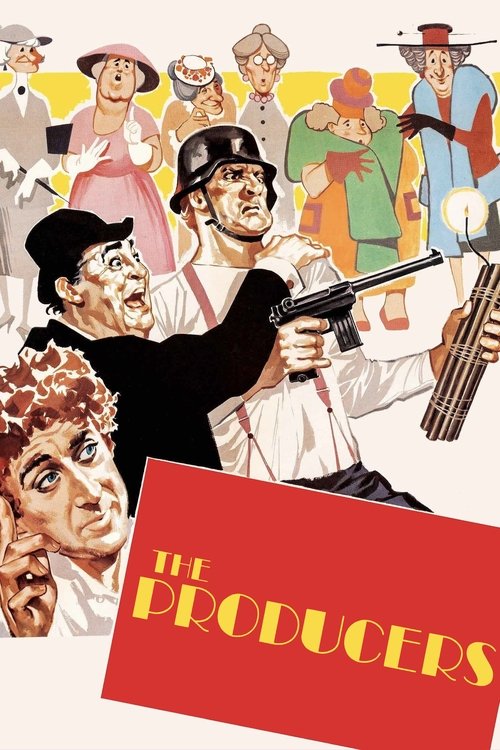
The Producers1968
Mel Brooks' debut about theatrical con men. It shares After the Fox's fascination with how people use performance and spectacle as a cover for fraud, and it's endlessly quotable.
But The humor is broad and sometimes juvenile; if you prefer subtlety, the film's commitment to vulgarity and camp might feel exhausting rather than liberating.
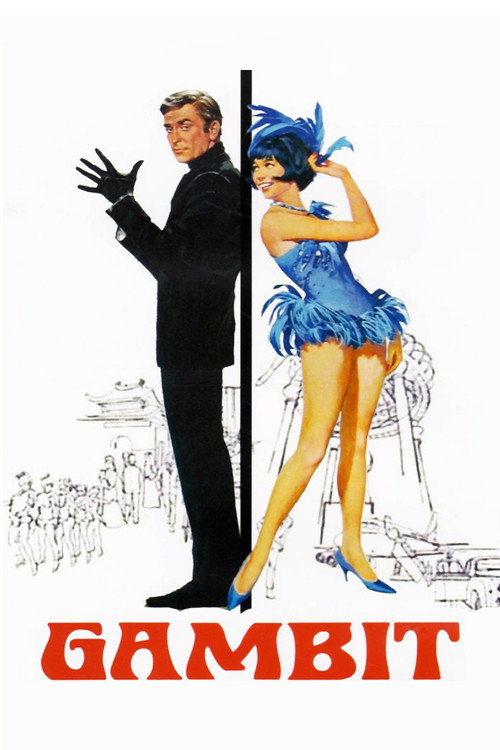
Gambit1966
Michael Caine and Shirley MacLaine in a heist with an elegant twist. Released the same year as After the Fox, it shares that era's confidence that a crime film can be pure style and still work.
But The plot is deliberately thin, and the whole film hinges on a reveal that might feel obvious or manipulative depending on how much you've bought into the setup.
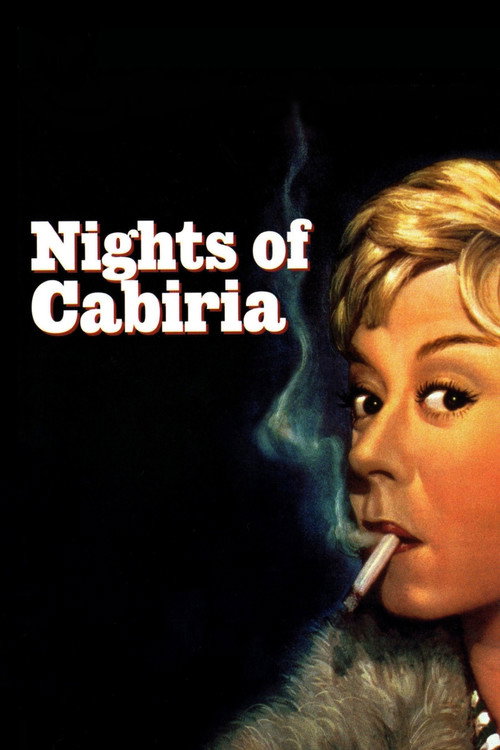
Nights of Cabiria1957
Both are love letters to Rome and performance. Both understand that charm and reinvention are how people survive. Both use cinema itself—the artifice of image—as the subject, not just the vehicle. After the Fox is Fellini's caper cousin.
Fellini's portrait of a sex worker in Rome navigating con men, false intimacy, and the performances we all give to survive. It's tragicomic in the way After the Fox is lightly comic—both about people using style and charm as armor.
But It's in Italian, shot in black-and-white, and trades in genuine melancholy beneath the spectacle. It's about poverty and dignity, not just heists, so the emotional register is far more serious. Not light viewing.
People
Cast
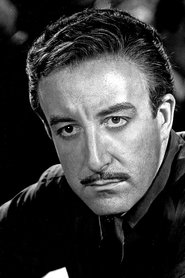 Peter SellersAldo Vanucci/Federico Fabrizi
 Victor MatureTony Powell
 Britt EklandGina Vanucci/Gina Romantica
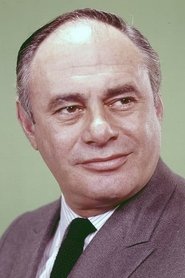 Martin BalsamHarry
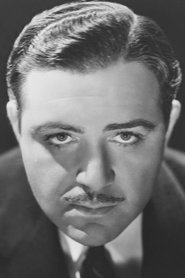 Akim TamiroffOkra
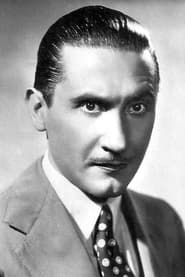 Paolo StoppaPolio
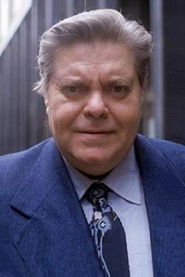 Tino BuazzelliSiepi
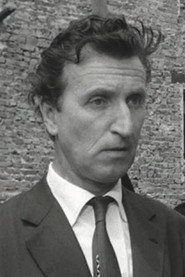 Mac RonayCarlo
 Maria Grazia BuccellaBikini Girl
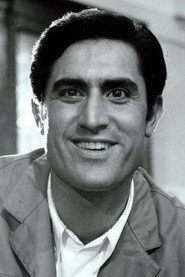 Lando BuzzancaPolice Chief
- Lydia BrazziMamma Vanucci
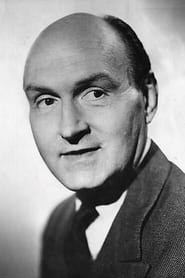 Maurice DenhamChief of Interpol
Directing
- Franco CirinoAssistant Director
- Luisa AlessandriAssistant Director
- Vittorio De SicaDirector
- Giorgio SteganiSecond Unit Director
- Richard TalmadgeSecond Unit Director
Writing
- Cesare ZavattiniScreenplay
- Neil SimonScreenplay
- Neil SimonTheatre Play
Production
- Maurizio Lodi-FèAssociate Producer
- Valentina SturlaCasting Director
- John BryanProducer
- Maurizio Lodi-FèProduction Manager
- Orazio TassaraProduction Manager
- Angelo BinarelliProduction Supervisor
Recommended by
Foul Play, Manhattan Murder Mystery, Revenge of the Pink Panther