
Film
1906
- Biopic
- Slow-burning
A 76-minute documentary portrait of Herb Hamrol, born in 1903, who survived the 1906 San Francisco earthquake and fire. Now 103, he prepares to commemorate the centennial while processing decades of grief after his wife's death. It's a quiet, intimate meditation on survival, loss, and an almost impossibly long life—less about the historical event than about what it means to carry memory across a century.
If you liked this
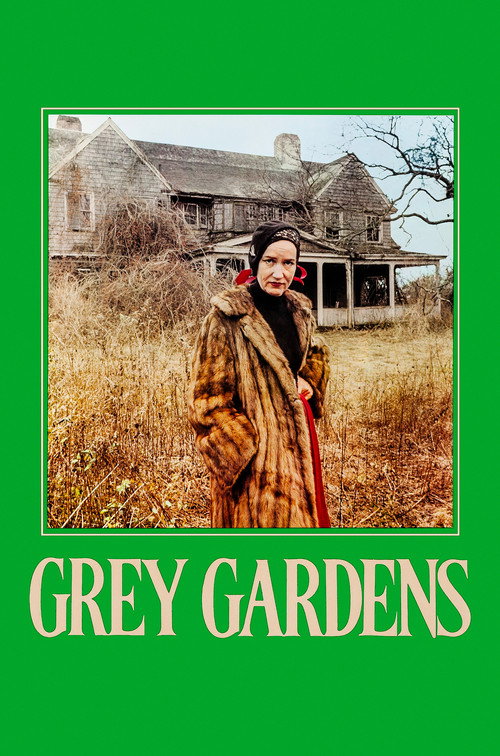
Grey Gardens1976
The Maysles brothers' intimate portrait of two isolated women confronting aging, memory, and the weight of the past. Like 1906, it finds profound humanity in quietude and fragility, never looking away.
But It can feel intrusive watching people in their vulnerability. The pacing is deliberately slow, which some find meditative and others find trying.
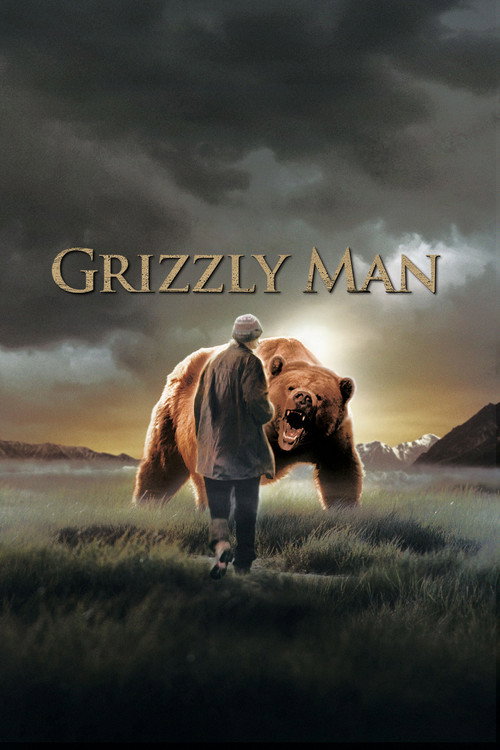
Grizzly Man2005
Werner Herzog meditates on obsession, mortality, and how we're shaped by the things we've survived. Philosophical documentary filmmaking that treats its subject with genuine depth and complexity.
But Herzog's voiceover philosophy can feel heavy-handed. It's more interested in ideas than narrative momentum, which demands patience.
The Act of Killing2012
A visceral exploration of how people live with what they've witnessed and done. Like 1906, it's fundamentally about time, memory, and the impossibility of truly moving past trauma.
But It's disturbing and morally complex in ways that don't resolve neatly. The subject matter—mass killings—is harrowing and won't leave you easily.

Not sure tonight? Get a pick in a minute, starting from 1906
The wildcard
Something you would not have found on your own.
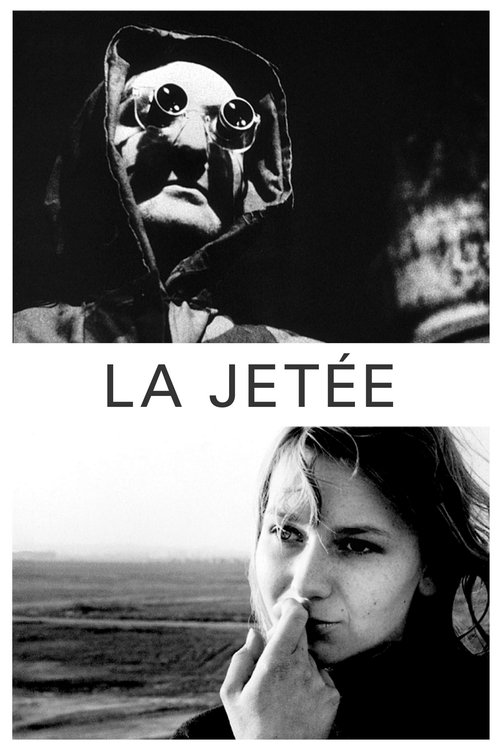
La Jetée1962
Both use cinema to study how individual consciousness holds history. La Jetée proves that duration and image—not plot—are how we actually experience time and survival.
A 28-minute film made entirely of still photographs about memory, time, and what survives of us. It's formally unlike anything else, yet it touches the exact same nerve about how the past lives in us.
But The experimental format requires active surrender. If you need moving images and conventional cinema, it will feel deliberately obtuse rather than profound.
More like this (8)
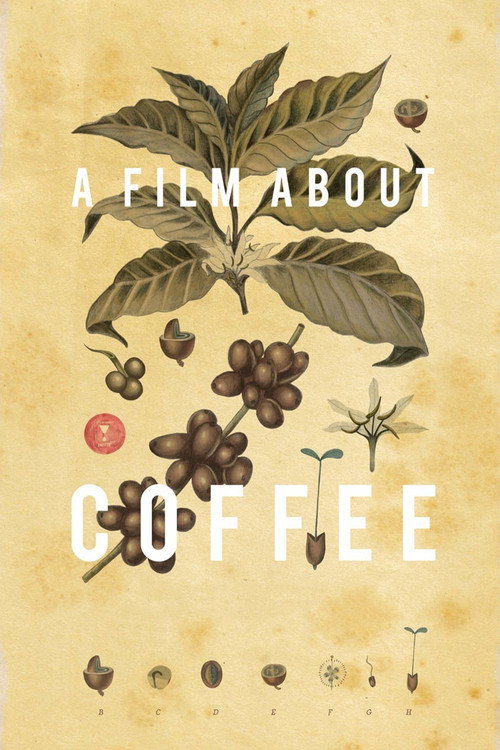
A Film About Coffee2014
Deeply observant documentary about craft, aging, and the quiet mastery found in everyday work. Hamrol working at the supermarket echoes this film's belief that dignity lives in small, repeated acts.
But It's genuinely about coffee—really about it. If you need plot or obvious stakes, you'll be bored. The rhythm is glacial.
Moonlight2016
Three-act portrait of a life shaped by what's happened to it. Formally experimental, emotionally precise—it shares 1906's interest in how time and loss accumulate in a single body.
But It's fragmented and elliptical. Viewers needing conventional narrative clarity or explicit resolution often feel unsatisfied.

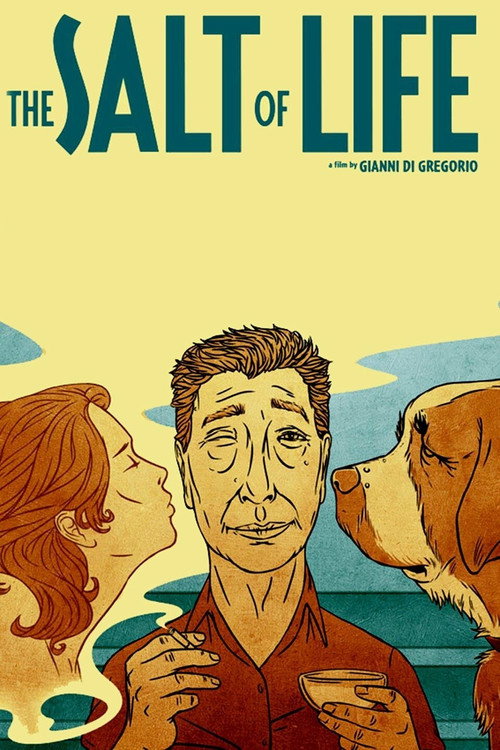
The Salt of Life2011
Vittorio De Sica's final film watches an elderly man navigate solitude, desire, and the life he didn't quite live. Gentle and melancholic, it understands old age as its own country.
But It's extremely slow and European. Contemporary pacing will make this feel glacial. Some find its sadness oppressive rather than moving.
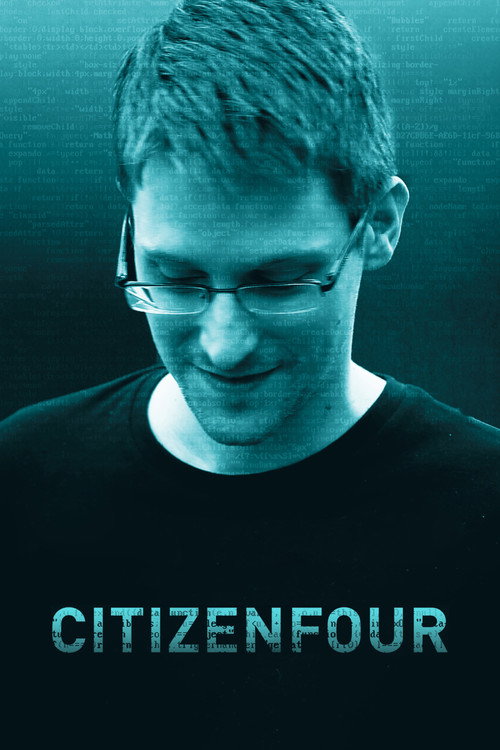
Citizenfour2014
Documentary watching someone process a life-altering moment in real time. It has 1906's fixation on how individual existence becomes intertwined with historical events.
But If you're unfamiliar with the Snowden story, the politics can feel didactic. It's also abstract—you're watching someone think, mostly.
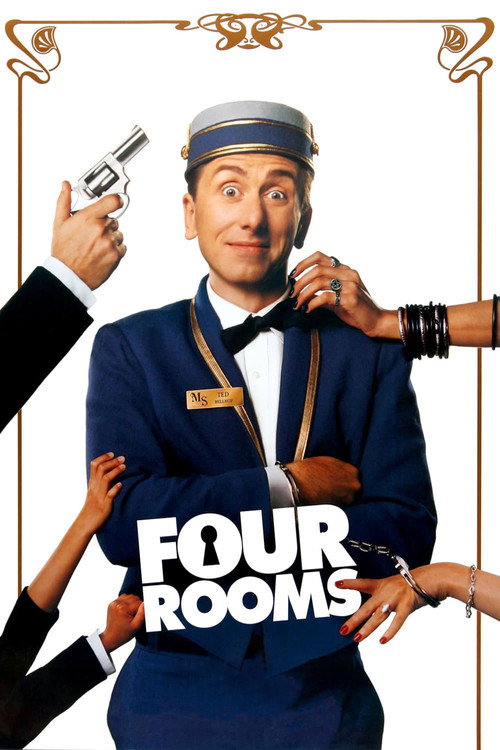
Four Rooms1995
Actually, this is wildly different, but it's a portrait of one night in one location watching different lives briefly intersect—a kind of compressed, darkly comic cousin to the documentary method.
But It's a comedy and quite silly. Tonally it's the opposite of 1906, which might be exactly the problem if you want something in the same register.
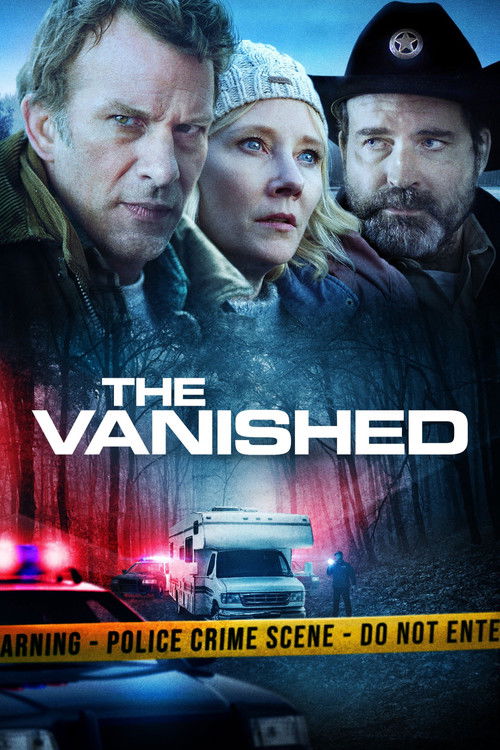
The Vanished2020
Japanese documentary following an elderly man's daily life with patience and acceptance. It's meditative portraiture—time passing as the subject of cinema itself.
But It's extremely slow, extremely quiet, and requires real surrender. Some viewers find it not so much meditative as simply boring. Hard to get hold of, too.
Tokyo Story1953
Both are portraits of extreme old age as the subject itself. Neither film hurries. Both find grace in what remains when plot and drama fall away.
Ozu's masterpiece watches an elderly couple visit their adult children. Unbearably quiet, unbearably patient. About how love persists across time and separation, and how we carry our dead.
But It's 2 hours 20 minutes of very old, very quiet Japanese cinema. Characters sit in rooms and speak softly. It's the opposite of entertainment.

Shoah1985
Both films trust that a single person's lived experience of a catastrophic historical moment—held in memory for decades—is cinema. Both refuse to look away from the difficulty of that testimony.
Claude Lanzmann's 9.5-hour oral history of the Holocaust. It's not easy viewing, but it's the documentary about survival, memory, and how we testify to what we've witnessed. Cinema as bearing witness.
But It's nearly 10 hours. It's about genocide. It has no archival footage, just testimonies. The commitment it demands is immense and emotionally punishing.

People
Directing
- Alon AranyaDirector
Production
- Laura FeildenAssociate Producer
- Taren SapienzaCo-Producer
- Lati GrobmanExecutive Producer
- Alon AranyaProducer