
Film
Senses of Cinema
A 90-minute meditation on how avant-garde and activist cinema reshaped global film culture during the civil rights era. Directors and filmmakers discuss movements that challenged form, representation, and industry gatekeeping. Intellectual, conversational, best for viewers curious about cinema history and how artists used film as political resistance.
If you liked this
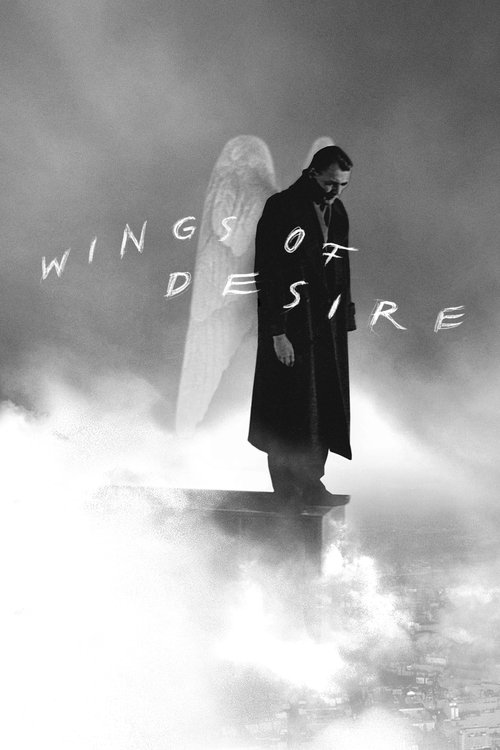
Wings of Desire1987
Wim Wenders' poetic masterpiece about angels observing Berlin just before the Wall falls. Visual experimentation and philosophical questioning about witnessing, memory, and what cinema can express that everyday language cannot.
But Deliberately slow and meditative. Long stretches without conventional plot. Requires patience and willingness to sit with images rather than story.
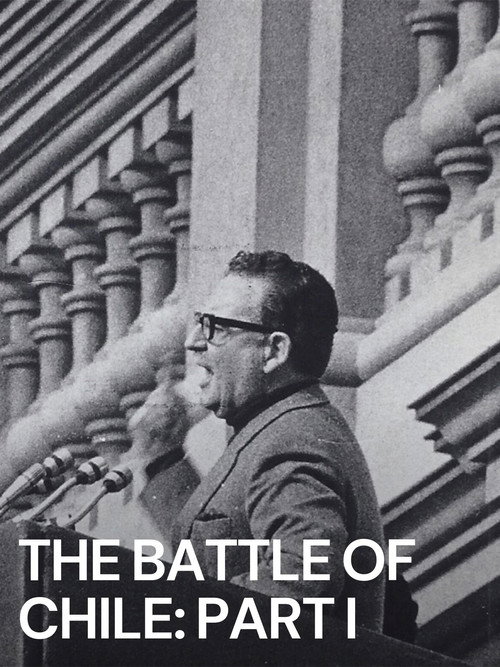
The Battle of Chile: Part I1975
Patricio Guzmán's revolutionary three-part documentary captures the overthrow of Allende's Chile in real time. Urgent, formally inventive filmmaking that proves documentary can be both politically vital and aesthetically sophisticated.
But Harrowing political content. Segments become increasingly difficult to watch. Requires historical context to fully land.
Sans Soleil1983
Chris Marker's essayistic tour de force across Tokyo, Guinea-Bissau, and Iceland. Fragmentary, digressive, hypnotic—a film about memory and cinema itself that refuses conventional documentary form entirely.
But Deliberately oblique and non-linear. The narrator's voice-over can feel detached. No clear throughline; you're meant to make meaning yourself.

Not sure tonight? Get a pick in a minute, starting from Senses of Cinema
The wildcard
Something you would not have found on your own.
Hiroshima Mon Amour1959
Like the filmmakers in Senses of Cinema, Resnais rejected realism as a political act, using form itself as the subject—proving cinema could be both intellectually rigorous and visceral.
Alain Resnais' revolutionary narrative film treats memory and trauma as camera work and editing decisions. A love story told through fractured time and sensory disruption. Shows how formal innovation can carry emotional weight—cinema that feels like nothing else.
But Deliberately difficult and non-linear. Repetition and abstraction may feel impenetrable. The central relationship is deliberately mysterious, not romantic.
More like this (5)
Mulholland Drive2001
David Lynch deconstructs Hollywood mythology through dream logic and formal rupture. Dazzling performance by Naomi Watts. A film that makes you feel its critique of the industry as much as think it.
But Refuses to explain itself. The second half feels like a different film. If you need answers, you won't find them.

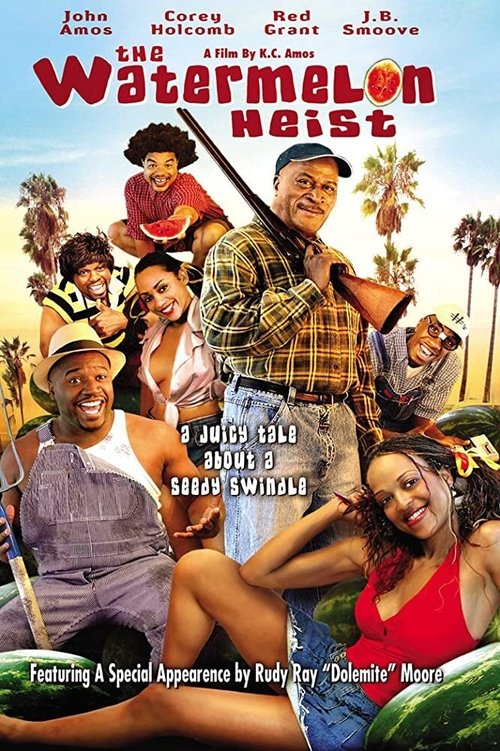
The Watermelon Heist2003
Jac Avey's playful, formally inventive documentary about Black Australian underground film. Playful, provocative, shot through with humour and genuine radicalism. A model for how activist cinema can also be joy.
But Niche subject matter. Low budget shows in technical quality. Australian film world context helps but isn't essential.
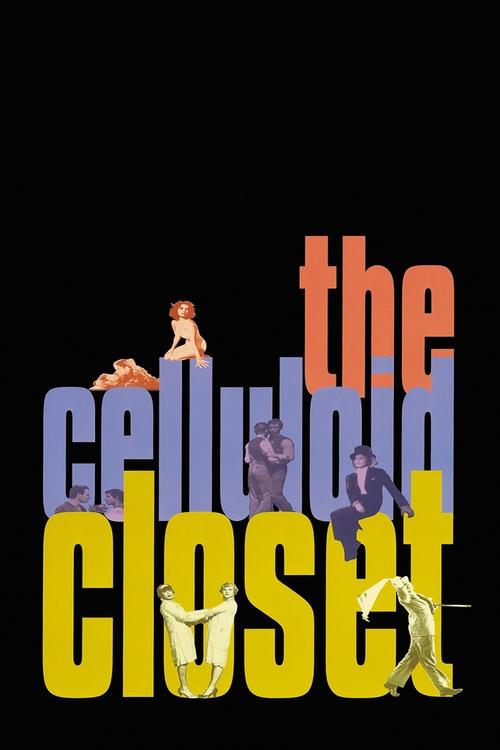
The Celluloid Closet1996
Rob Epstein and Jeffrey Friedman's definitive documentary about how cinema has portrayed homosexuality. Engaging, meticulously argued, filled with film clips. Accessible entry to thinking about representation and history.
But Can feel like a greatest-hits compilation rather than deep analysis. Some people find the framing heteronormative despite its subject.
Singin' in the Rain1952
The technical and emotional opposite of avant-garde cinema, but a masterclass in what classical form can achieve. Gene Kelly's joy is infectious. Understanding what came before matters to understanding what radical cinema reacted against.
But If you're expecting challenging cinema, this is comfort food. Some find the sexual politics of the era uncomfortable now. A mainstream pleasure, not an argument.

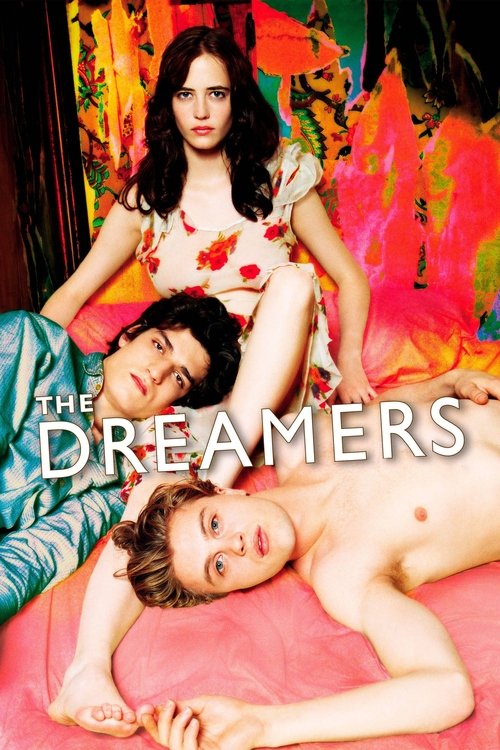
The Dreamers2003
Dramatizes the generational moment Senses of Cinema documents—cinema as the language of revolution, where cinephilia itself becomes inseparable from resistance and sexual awakening.
Bernardo Bertolucci's film about young cinephiles in Paris during May 1968. Erotic, obsessed with cinema history and revolution, where watching movies IS political action. Sexy intellectual fury that puts theory into bodies and desire.
But Sexually explicit. May feel self-indulgent about the romance between cinema and youth radicalism. Bertolucci's perspective is now contested.
People
Cast
- Jan ChapmanSelf
 Phillip NoyceSelf
- Gary FoleySelf
- Ivan GaalSelf
- Digby DuncanSelf
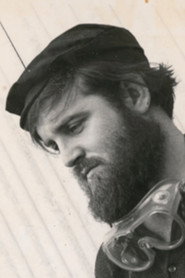 Albie ThomsSelf
- Gillian LeahySelf
- Jane OehrSelf
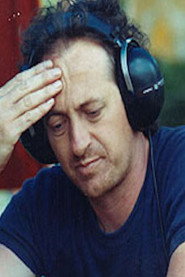 Peter TammerSelf
- Carolyn StrachanSelf
Directing
- John HughesDirector
- Tom ZubryckiDirector
Writing
- John HughesWriter
Production
- Philippa CampeyAssociate Producer