
Film
Mademoiselle Julie
- Drama
- Tragic romance
- Very dark
Strindberg's 1888 masterpiece brought to screen with brutal clarity. A aristocratic woman and her father's valet spend Midsummer's Eve in the kitchen, crossing rigid class boundaries through seduction and conversation until desire collides with social reality. Intimate, claustrophobic, and darkly modern—a two-character chamber piece about power, shame, and the violence of desire.
Should you watch it?
Watch it if you are drawn to a tight, talky chamber drama where class, desire and resentment get sharpened in a single room, and you enjoy watching people manoeuvre each other with words more than with action.
Skip it if you want the story to move; this is two people circling each other in one kitchen, and the stagey, airless performances may feel more like homework than heat.
What it asks of you: Two hours in one room, mostly talk that tightens slowly, pressure building through glances and pauses rather than any change of scene; it rewards patience and close attention.
Not sure? Find tonight's pick in a minute.
If you liked this
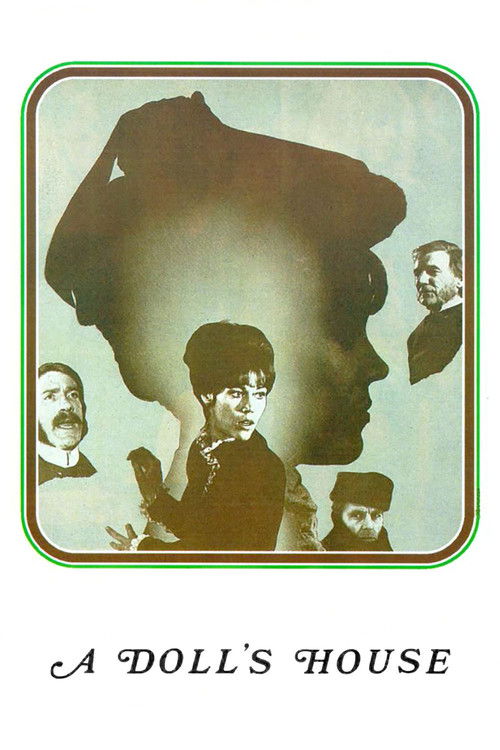
A Doll's House1973
Liv Ullmann and Anthony Hopkins in Garland's faithful Ibsen adaptation. Another 19th-century play about a woman trapped by social expectation, equally intimate and devastating. Ullmann brings the same incandescent intelligence.
But Theater-bound period drama. The pacing is deliberate, and if you want plot mechanics rather than psychology, you'll find it slow.
The Servant1963
Pinter and Losey's masterpiece of class seduction and role-reversal. A wealthy man hires a servant; the power dynamic cracks and inverts with unsettling eroticism. Same territory as Julie—desire as a weapon across hierarchy.
But Black and white, deliberately mannered style. The relationship's psychological texture matters more than conventional dramatic events, so it won't satisfy if you want clear resolutions.

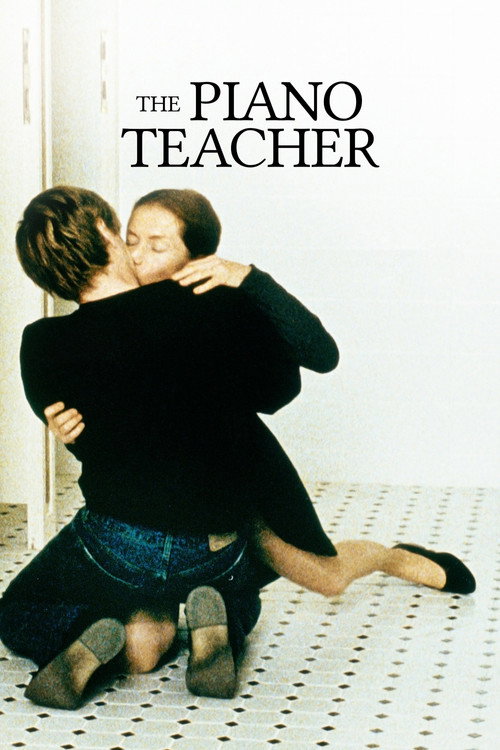
The Piano Teacher2001
Haneke's adaptation of Elfriede Jelinek. A woman teacher, a concert pianist, destroyed by repression and her mother's control. Another portrait of a woman whose desire and shame are inseparable, and equally unflinching.
But Visceral and disturbing. Contains explicit sexual content and psychological brutality that some find hard to watch, even as art.
Not sure tonight? Get a pick in a minute, starting from Mademoiselle Julie
The wildcard
Something you would not have found on your own.
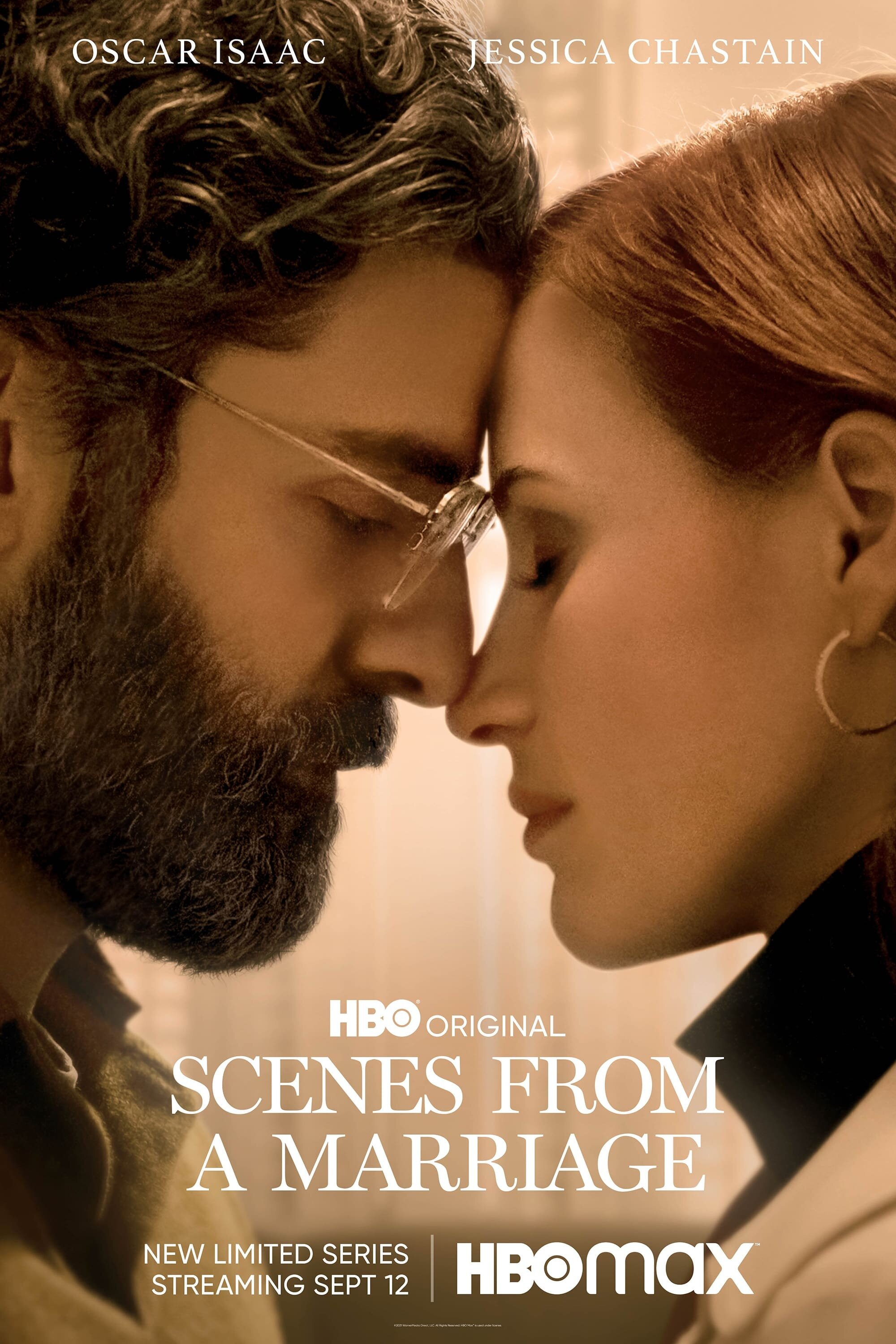
Scenes from a Marriage2021
Both are Swedish explorations of the gap between what people say and what they feel. Both turn a single relationship into a philosophical inquiry about desire, class, and who gets to decide the terms of intimacy.
Bergman's miniseries dissects intimacy the way Strindberg dissects class and desire. Six episodes of two people in rooms, talking, touching, crashing against each other. Same architecture of a relationship in miniature—power, vulnerability, the distance between people who know each other.
But Nearly six hours long and filmed in 70s Swedish minimalism. No plot hooks; it's purely psychological and demands your full attention. Some find it glacial; others find it essential.
More like this (6)
In the Mood for Love2000
Wong Kar-wai's meditation on two strangers in a Hong Kong apartment building who discover their spouses are having an affair. Like Julie and Jean, it's two people circling desire in a cramped interior, restrained by circumstance and propriety.
But The visual style is so composed and beautiful it can feel like watching a painting. If you need urgency or clear narrative momentum, the ellipses and repetition will frustrate.

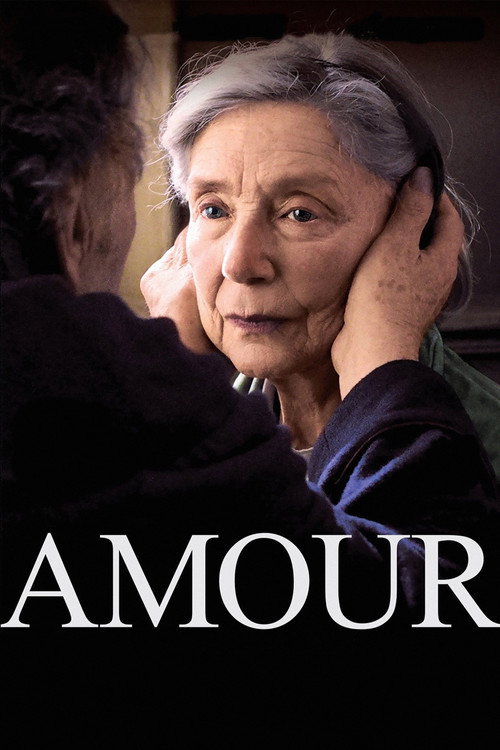
Amour2012
Haneke again, this time on aging, dependency, and the power dynamics within intimacy. Two people in a confined space as their relationship fundamentally shifts. The same claustrophobic intensity, different stakes.
But About decline and suffering. It's moving but heavy, with a real cost to watching. Not a film you finish feeling lifted.
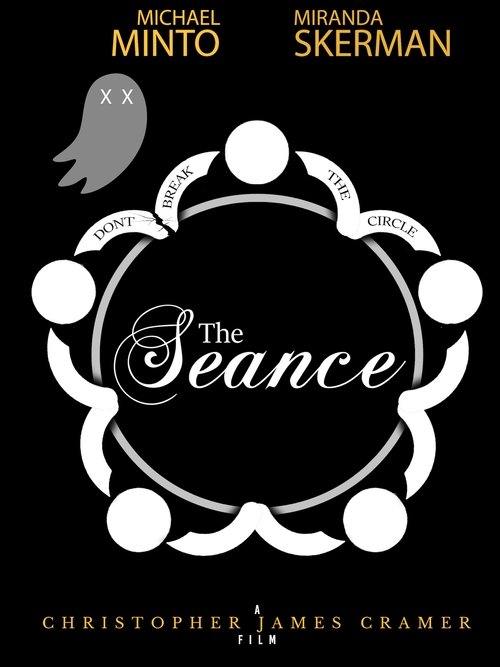
The Seance2021
Iranian film set during a séance, examining class, gender, and manipulation across a confined group. Like Julie and Jean, it's about the theater of social roles and what happens when people drop the mask.
But Slower pacing and a different cultural context may require adjustment. The symbolism is sometimes oblique, and Western audiences find the rhythm unfamiliar.
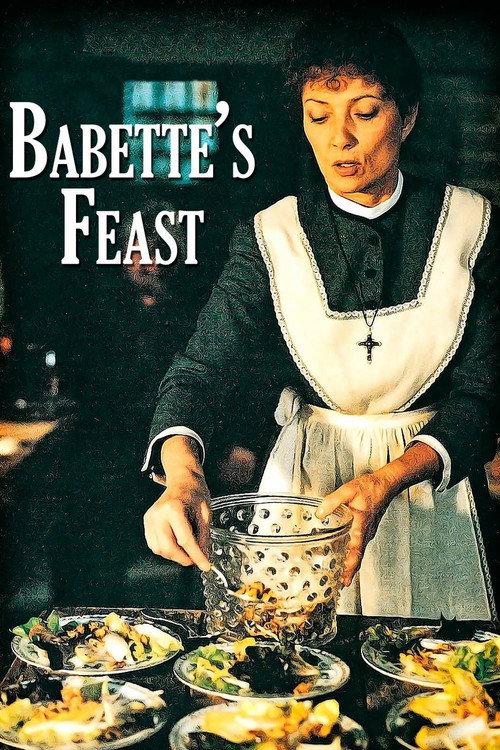
Babette's Feast1987
Dinesen's story of a French cook serving a Danish religious community. Another film about hierarchy, class, and the dangerous intimacy of shared meals and service. Strindberg's kitchen becomes Dinesen's dining room, with similar psychological precision.
But Quieter and more spiritual than Mademoiselle Julie. If you're drawn to the play's sexual tension and social conflict, this might feel too serene.
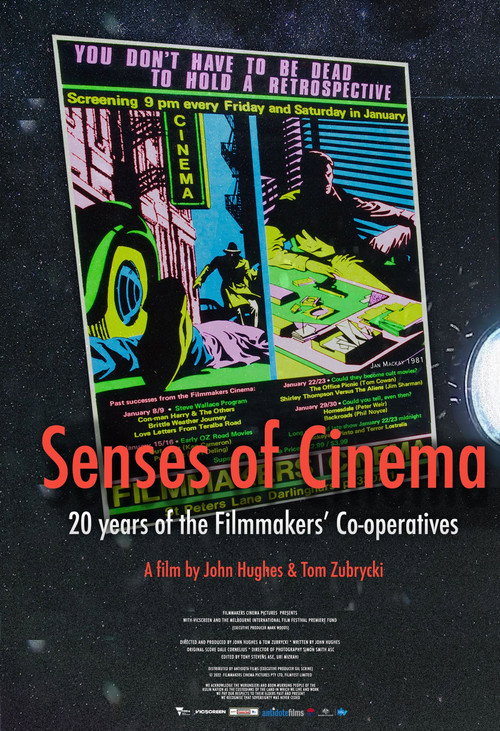
Senses of Cinema2022
Meta wildcard: it literalizes what Mademoiselle Julie demonstrates—that Strindberg's play, written for stage, contains cinematic thinking about close-ups of the face, isolation, and the power of the room as character.
Not a film—a scholarly journal that published a landmark essay on Strindberg adaptations and their relationship to cinema. If you're struck by how Julie works as film, this will open the question of why Strindberg's theatrical language translates so powerfully to screen.
But Academic writing, not entertainment. You have to want the intellectual context, not the emotional story. Most people don't reach for this.
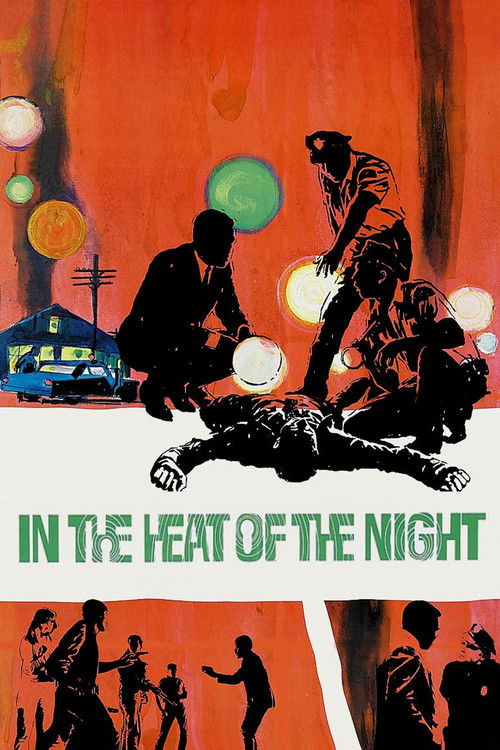
In the Heat of the Night1967
Strindberg's logic of hierarchical seduction and psychological brutality beneath politeness applies here directly, just in different clothes. Both are about who breaks first when social armor cracks.
Poitier and Steiger locked together in a Southern town, bound by a murder investigation and forced proximity. Class and race replace Strindberg's class and gender, but the anatomy is identical: two men, one space, power reversing, desire turning to violence. American film noir discovering what Swedish naturalism already knew.
But A genre crime thriller that doesn't announce itself as philosophy. If you see it as a simple whodunit, you'll miss the real story—which happens between the men, not around the case.
People
Cast
 Juliette BinocheMademoiselle Julie
 Nicolas BouchaudJean
 Bénédicte CerrutiChristine
Directing
- Nicolas KlotzDirector
- Frédéric FisbachStage Director
Writing
- August StrindbergTheatre Play
Production
- Frédéric FisbachProducer
- Gildas Le RouxProducer
- Nicolas KlotzProducer