
Film
Death and the Maiden
A woman convinced her houseguest is the torturer who brutalized her during a dictatorship's reign confronts him in real time. Tense, claustrophobic, morally thorny—it traps three people in a room where trauma, doubt and justice grind against each other. For anyone who can sit with moral ambiguity and sustained dread.
Should you watch it?
Watch it if you like intimate, dialogue-driven films where a moral question gets argued across a single room, and where the tension comes from what people will and won't admit.
Skip it if you want a story that spreads out, since this stays inside one house with three people, and its stage-like talkiness can feel airless under a subject this heavy.
What it asks of you: It asks for close attention across a short run, with long stretches of argument and silence, and it stays tightly wound and rarely lets the pressure drop.
Not sure? Find tonight's pick in a minute.
If you liked this
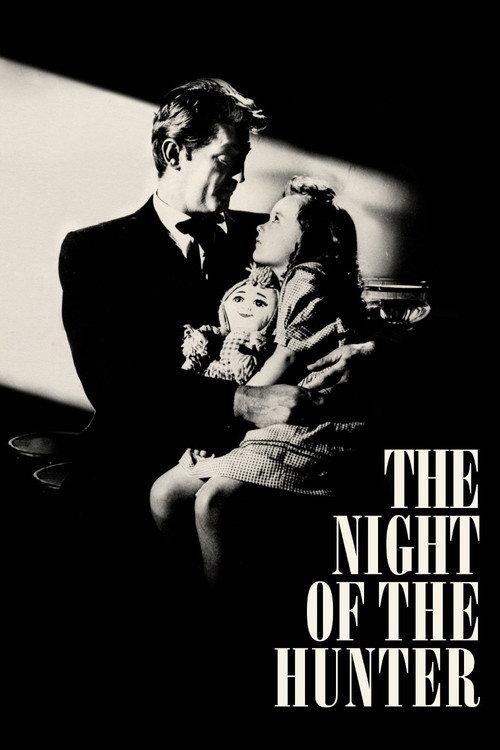
The Night of the Hunter1955
A masterwork of psychological suspense where past violence invades a fragile present. Robert Mitchum's terrifying preacher carries the same weight of unresolved evil that haunts Death and the Maiden.
But Slow pacing and expressionist black-and-white visuals feel remote. It's a 1955 thriller that moves like chamber music, not adrenaline.
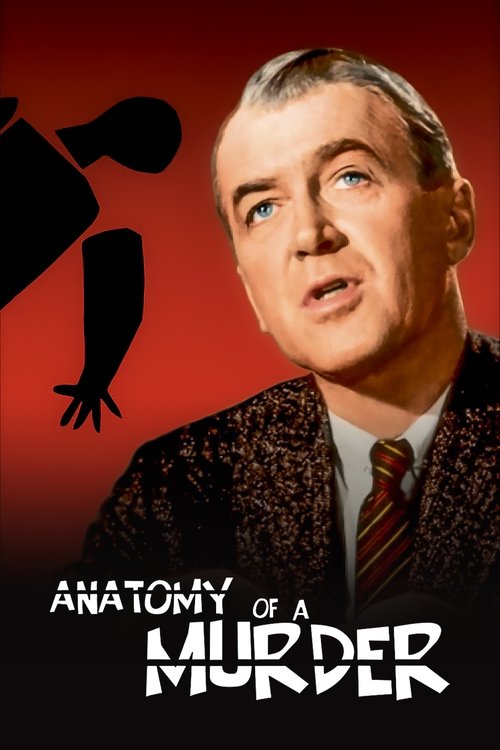
Anatomy of a Murder1959
A courtroom drama built on reasonable doubt and competing truths. Like Death and the Maiden, it refuses to let you settle into certainty about who deserves condemnation.
But Nearly three and a half hours of procedural talk. No action sequences, no easy answers—just argument and implication.
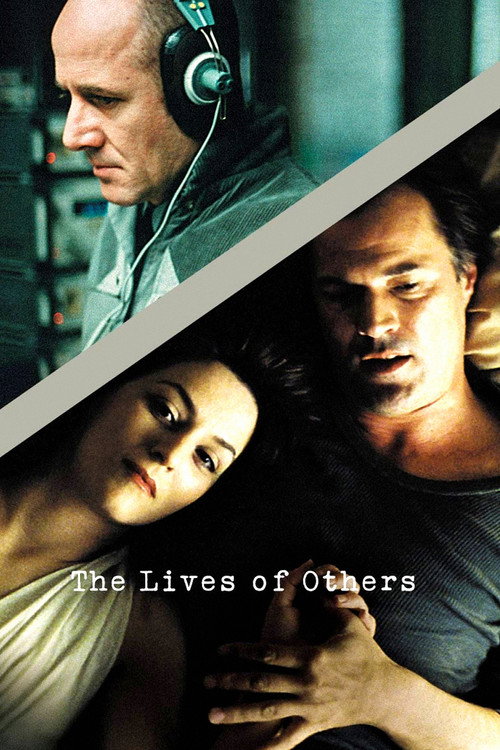
The Lives of Others2006
Set in East Germany's surveillance state, it explores the psychology of perpetrators and the moral stains of state violence. Builds the same unbearable tension from proximity and hidden history.
But Quiet and methodical to the point of difficulty. Asks you to inhabit the mind of someone complicit in atrocity, which some find intolerable.
Not sure tonight? Get a pick in a minute, starting from Death and the Maiden
The wildcard
Something you would not have found on your own.
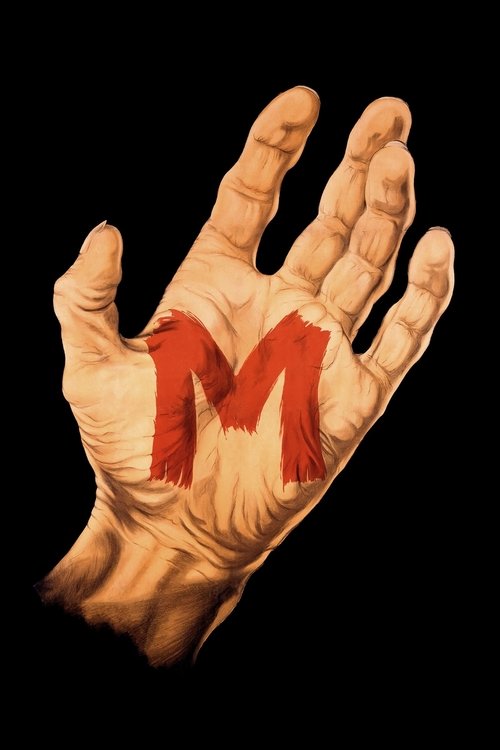
M1931
Both films are about pursuit and identification—hunting someone you believe is monstrous, and the crisis when proximity forces doubt about certainty. Lang opens the template.
Fritz Lang's landmark thriller about hunting a serial killer through Weimar Berlin. It invents the form that Death and the Maiden inherits—obsessive pursuit, moral corruption, and the question of whether the hunter and hunted are really opposites.
But 1931 German film with deliberate pacing and expressionist staging. Silent and early-sound cinema grammar can feel airless to modern audiences. Requires active attention.
More like this (6)
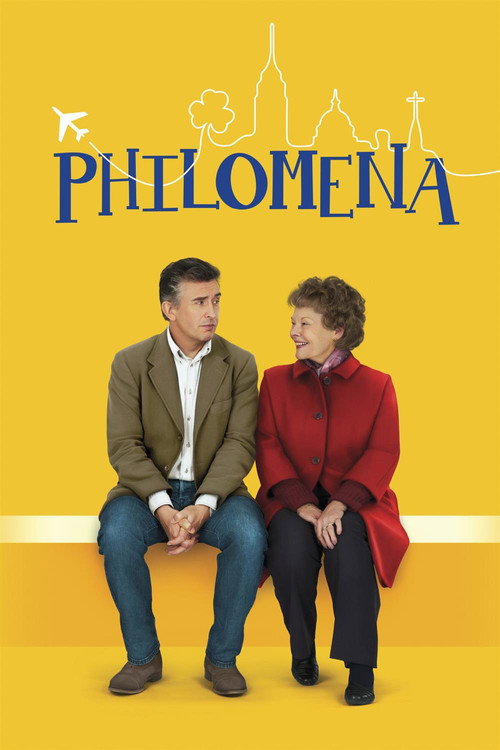
Philomena2013
A woman confronts institutional cruelty and the people who enabled it. Pairs fury with restraint in ways that mirror Paulina's predicament—how do you face down an injustice system that moves on?
But Leans toward redemption and sentiment in its third act. Not as morally unresolved as Death and the Maiden, which frustrates those wanting closure.
Spotlight2015
Journalists hunt down proof of institutional abuse and cover-up. It captures the same methodical, infuriating slow burn of pursuing truth against those who have spent decades hiding it.
But Ensemble cast and procedural focus diffuse tension. It's about uncovering evil, not confronting it face-to-face, so it lacks Death and the Maiden's psychological intensity.

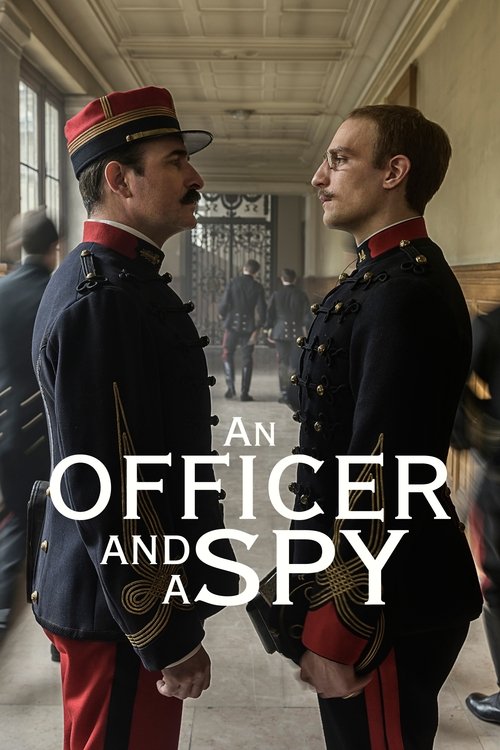
An Officer and a Spy2019
Polanski's Dreyfus drama examines how systems protect accusers over the accused, and the cost of pursuing evidence in a corrupt hierarchy. Builds paranoia and moral disorientation.
But Three and a half hours, often digressive. Can feel self-indulgent in its historical scope. A Polanski film that raises questions some won't set aside.
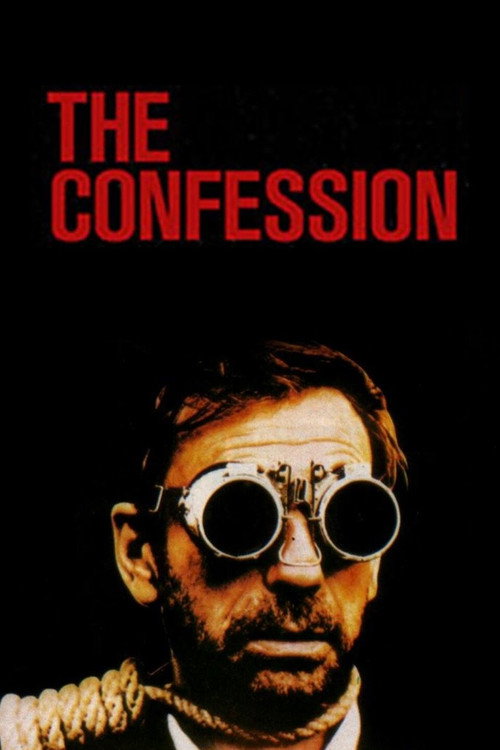
The Confession1970
A man in Cold War Prague is arrested and forced through an agonizing interrogation. Captures the claustrophobic psychological torment of detention and the unreliability of coerced testimony.
But Bleak and unrelenting without the confrontation-drama payoff. More interested in system than in personal reckoning, which can feel remote.
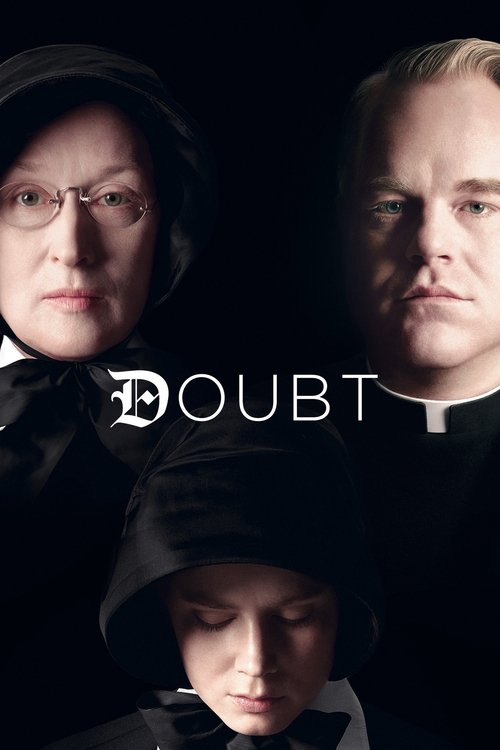
Doubt2008
Meryl Streep and Philip Seymour Hoffman locked in battle over an accusation that may or may not be provable. Sustains ambiguity and mutual credibility right to the end—no monster, just two people certain of opposing truths.
But Theatrical and verbal to the point of abstraction. Set in a school, about possibility rather than proof, so it lacks the life-or-death stakes.
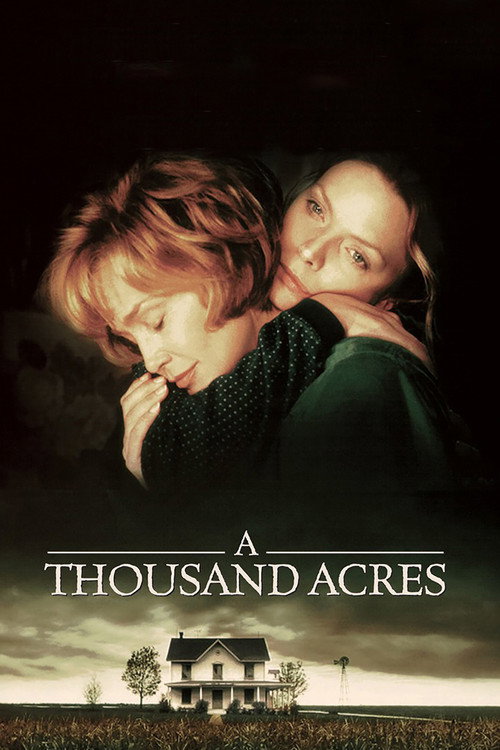
A Thousand Acres1997
Both explore what happens when someone finally names an unprovable harm and demands reckoning. Both ask whether justice means punishment or simply acknowledgment, and whether those are ever the same thing.
Secrets of family violence emerge when a patriarch divides his land. Michelle Pfeiffer and Jessica Lange confront decades of private brutality and the cost of silence. A different setting, same moral wreckage.
But Adopted from Jane Smiley's novel; some feel the film flattens its complexity. Plot can feel soapy. Midwestern pastoral setting and domestic violence may read as smaller stakes than state torture.
People
Cast
 Sigourney WeaverPaulina Escobar
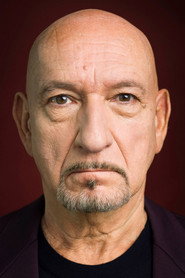 Ben KingsleyDr. Roberto Miranda
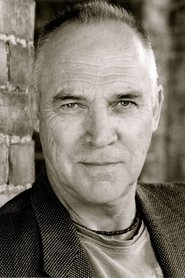 Stuart WilsonGerardo Escobar
- Krystia MovaDr. Miranda's Wife
- Jonathan VegaDr. Miranda's Son
- Rodolphe VegaDr. Miranda's Son
- Gilberto CortésString Quartet Player
- Jorge CruzString Quartet Player
 Carlos MorenoString Quartet Player
- Eduardo ValenzuelaString Quartet Player
- Sergio Ortega AlvaradoString Quartet Manager
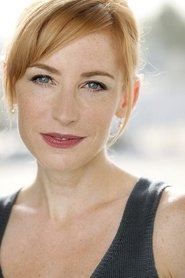 Karen StrassmanElena Galvin (uncredited)
Directing
- Roman PolanskiDirector
- Sylvette BaudrotScript Supervisor
Writing
- Ariel DorfmanScreenplay
- Rafael YglesiasScreenplay
- Ariel DorfmanTheatre Play
Production
- Mary SelwayCasting
- Patsy PollockCasting
- Ariel DorfmanCo-Producer
- Bonnie TimmermannCo-Producer
- Jean-François LepetitCo-Producer
- Sergio GobbiCo-Producer
- Jane BarclayExecutive Producer
- Sharon Harel-CohenExecutive Producer
- Josh KramerProducer
- Thom MountProducer
Recommended by
Misery, Missing, The Battle of Chile: Part I, Even the Rain, Rendition, Kabul Express