
Film
Machuca
Machuca is a Chilean drama set during Salvador Allende's government, following an unlikely friendship between two boys from opposite sides of Santiago's class divide. A progressive priest integrates poor students into an elite Catholic school, and when wealthy Gonzalo and working-class Pedro become friends, their bond becomes a lens on political upheaval. It's about childhood innocence colliding with adult ideology—intimate, angry, and heartbreaking.
Should you watch it?
Watch it if you are drawn to coming-of-age stories where a friendship between two boys from opposite worlds carries the weight of a country's politics, observed patiently through children's eyes rather than lectured at.
Skip it if you need brisk plotting or a clear political argument, because this moves slowly through school routines and shifting loyalties, and its emotional points land quietly rather than loudly.
What it asks of you: Nearly two hours of patience, mostly spent in crowded classrooms and quiet rooms, with a watchful, unhurried tone that stays restrained even when the material turns tender.
Not sure? Find tonight's pick in a minute.
If you liked this
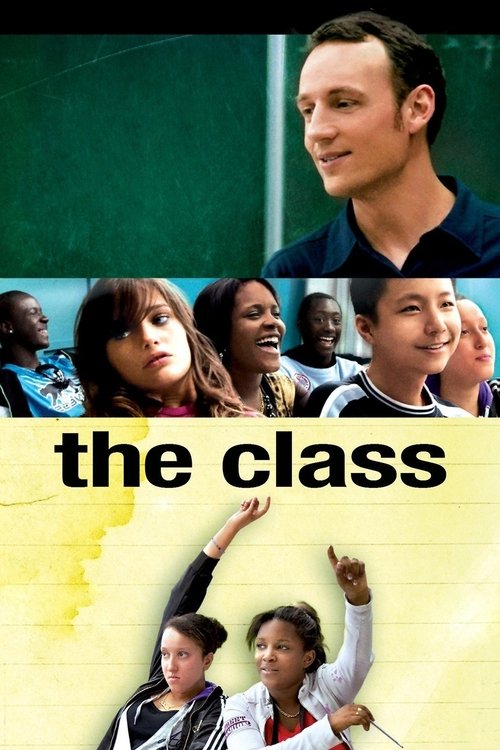
The Class2008
A French classroom becomes a microcosm of cultural and economic tension, with a dedicated teacher navigating between idealism and reality. Like Machuca, it uses education as the battleground where larger social conflicts play out.
But Deliberately paced and unglamorous; the conflicts are subtle and irresolvable rather than dramatically climactic, which some find frustrating.
Kes1970
A working-class Yorkshire boy finds solace and dignity through a relationship with a kestrel, in a film that captures the texture of poverty and class resentment with remarkable tenderness and anger.
But British kitchen-sink realism can feel bleak and slow; the ending is genuinely grim in ways that don't resolve neatly.

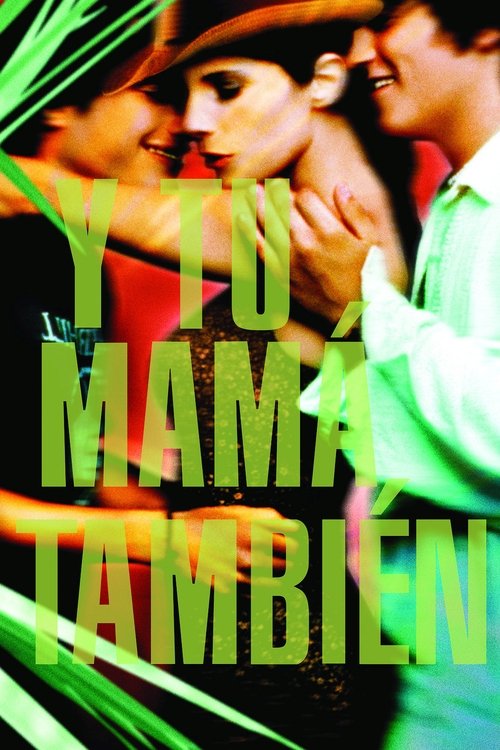
Y Tu Mamá También2001
Two Mexican teenage boys from different backgrounds take a road trip that strips away their illusions about friendship, sexuality, and class. Funny and raw, with political weight beneath the coming-of-age surface.
But More sexually explicit than Machuca and considerably lighter in tone—it's a very different register, which might feel jarring if you want something equally grave.
Not sure tonight? Get a pick in a minute, starting from Machuca
The wildcard
Something you would not have found on your own.
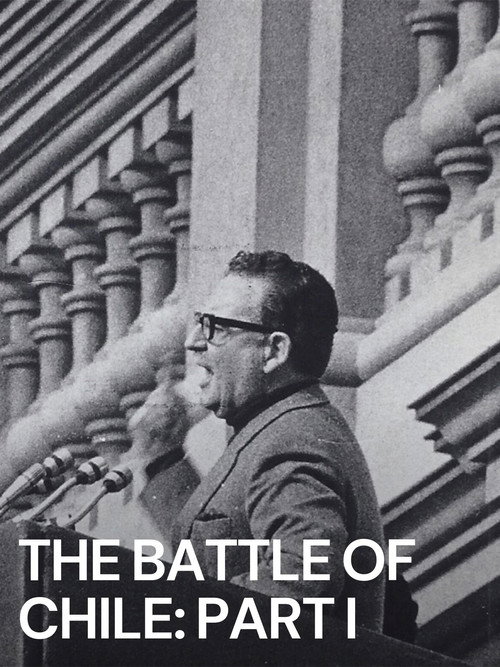
The Battle of Chile: Part I1975
Machuca is set during the Allende government's final days; Battle of Chile captures those exact events as they happened, creating a companion documentary to the film's historical moment.
Patricio Guzmán's three-part documentary records the events leading up to and including Pinochet's coup in real time, with footage shot during the chaos. It's the historical ground truth of Machuca's fictional world—you see the actual uprising and its aftermath.
But Over four hours total, shot on 16mm newsreel stock with all the technical limitations that entails. It's archival and fragmentary, not a conventional narrative.
More like this (8)
Moonlight2016
Follows a Black boy across three decades, exploring identity and intimacy against systemic indifference. Like Machuca, it treats childhood friendship as a space of tenderness threatened by the world outside.
But Quiet and elliptical; it trusts you to feel meaning in silence and gaps, which demands patience and can feel opaque on first viewing.

The Last Boy Scout1991
A New Zealand film about a boy and his absent father, set against the 1980s. It balances humor and heartbreak while exploring how children navigate adult neglect and fantasy.
But Tonal shifts between comedy and pathos can feel uneven; some viewers find the whimsy undercuts the harder emotional truths.
A Prophet2009
A French-language film tracking a young man's transformation in prison through alliance and betrayal. Structurally mirrors Machuca's exploration of how institutions shape identity and loyalty.
But Violent and claustrophobic; the moral landscape is murky, and the protagonist's choices become increasingly difficult to root for.

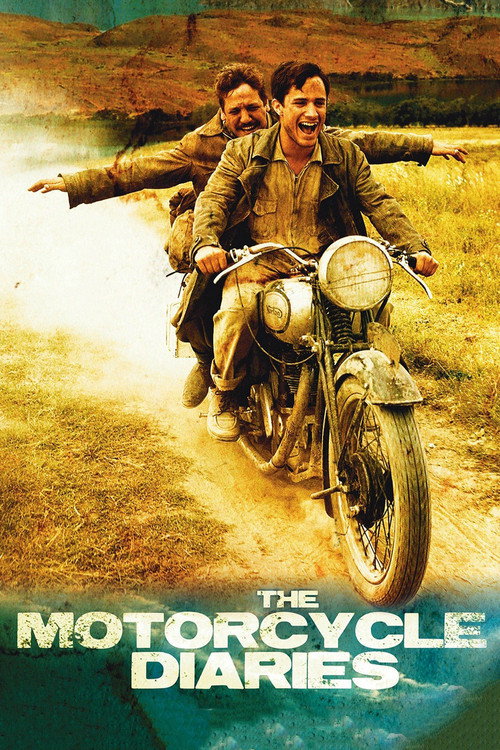
The Motorcycle Diaries2004
Follows young Che Guevara across South America, watching his political consciousness form through encounters with poverty and inequality. Released the same year as Machuca, it's another Latin American film about youth and ideology.
But A hagiographic approach to a controversial figure; if you're skeptical of Guevara, the film's admiration may feel heavy-handed.
Winter Light1963
Bergman examines faith, doubt, and the failure of idealism through a pastor and his struggling parishioners. Philosophical and austere, asking whether belief—in God or politics—can survive contact with human reality.
But Glacially slow and emotionally cold; Bergman's black-and-white austerity offers no catharsis, only existential dread.

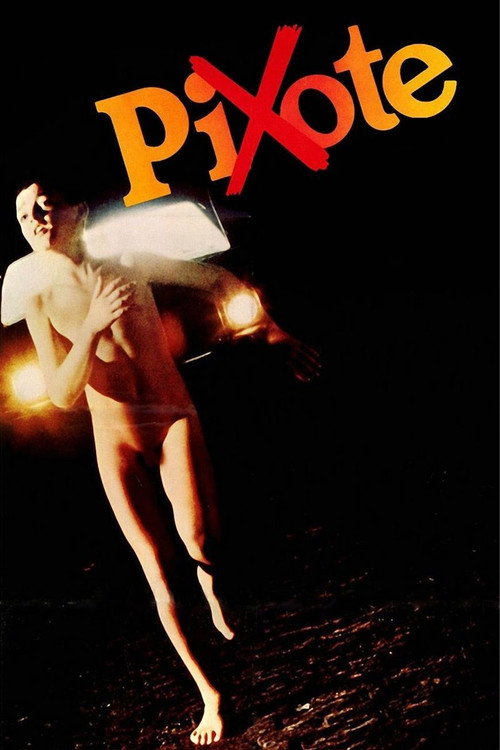
Pixote1980
A Brazilian film following a street orphan through crime and survival, shot with documentary-like intensity. It shares Machuca's unflinching look at childhood in poverty and the systems that fail children.
But Extremely dark and exploitative in its depiction of child abuse; the nihilism can feel numbing rather than illuminating.
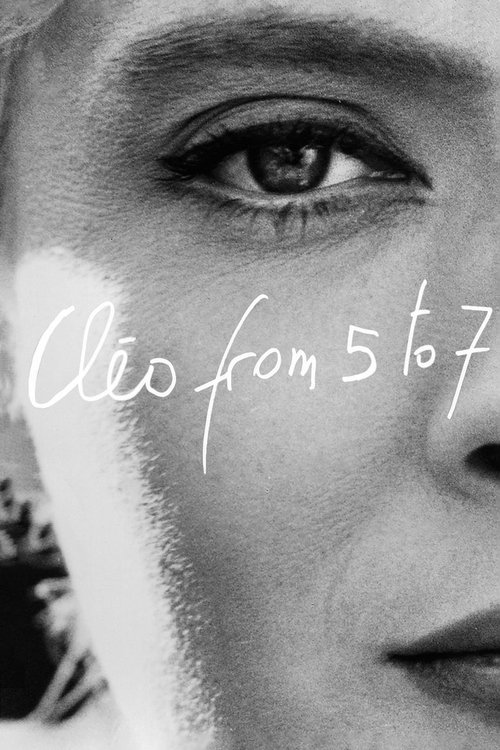
Cléo from 5 to 71962
Both use a narrowly framed timeframe—one afternoon, or the final days before a coup—to contain vast historical and personal pressures, making the ordinary spaces of daily life feel charged with meaning.
Agnès Varda tracks a woman's afternoon waiting for medical test results, capturing 1960s Paris in real time. Like Machuca, it observes how personal anxieties are inseparable from the political and social texture around them.
But Plotless and deliberately slow; it's an essay on waiting and female consciousness rather than a dramatic arc, which feels self-indulgent to some.
The Holy Mountain1973
Both interrogate the gap between political idealism and human reality, but where Machuca shows that gap through kitchen-sink realism, Holy Mountain explores it through apocalyptic symbolism and ritual.
Jodorowsky's surrealist masterpiece is a spiritual and political allegory about enlightenment, initiation, and the failure of ideology. Visually overwhelming and symbolically dense, it's the inverse of Machuca's realism—but shares its obsession with how belief systems shape human connection.
But Deliberately obscure, frequently grotesque, and structurally bizarre; it demands active interpretation and tolerates no passive viewing. Some find it pretentious.

People
Cast
 Matías QuerGonzalo Infante
 Ariel MatelunaPedro Machuca
 Aline KüppenheimMaría Luisa
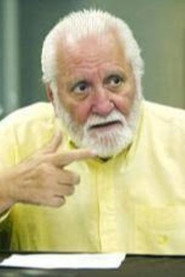 Ernesto MalbránFather McEnroe
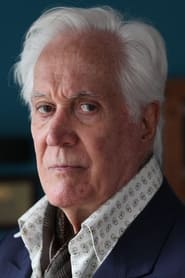 Federico LuppiRoberto
 Manuela MartelliSilvana
 Tamara AcostaJuana
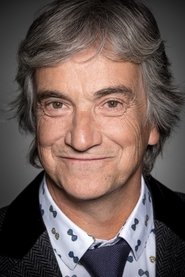 Francisco ReyesPatricio Infante
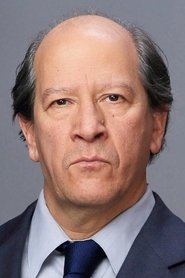 Alejandro TrejoWilly
 María Olga MatteMiss Gilda
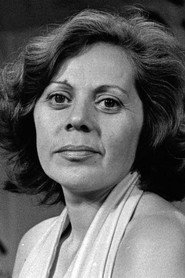 Gabriela MedinaLucy
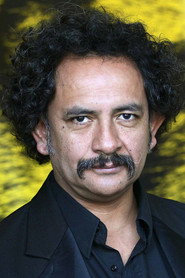 Luis DubóIsmael Machuca
Directing
- Andrés WoodDirector
- Eliseo AltunagaScript Supervisor
- María José DroguettSecond Assistant Director
- Felipe del RíoThird Assistant Director
Writing
- Andrés WoodScreenplay
- Eliseo AltunagaScreenplay
- Mamoun HassanScreenplay
- Roberto BrodskyScreenplay
Production
- Carlos JohnsonCasting
- Juan Carlos ArriagadaExecutive Producer
- Nathalie TraffordExecutive Producer
- Julio JorqueraLocation Manager
- Andrés WoodProducer
- Gerardo HerreroProducer
- Mamoun HassanProducer
- Eduardo CastroProduction Manager