
Film
Reel Bad Arabs: How Hollywood Vilifies a People
Jack Shaheen's brisk excavation of how Hollywood has systematized Arab villainy across a century of film. He traces stereotypes from silent-era bandits through modern terrorism tropes, with clips that sting because they're so familiar. Essential viewing for anyone who watches movies and wants to understand the machinery beneath what they're seeing.
Should you watch it?
Watch it if you want a plainspoken argument about how movie clichés harden into public attitudes, and you are happy to sit through a long parade of the clips that make the case.
Skip it if you were hoping for a detailed look at the studio system or the filmmakers' choices, since it stays with the images and keeps its argument fairly simple.
What it asks of you: Under an hour, it moves briskly through decades of clips under a steady spoken commentary, with little room for quiet reflection.
Not sure? Find tonight's pick in a minute.
If you liked this
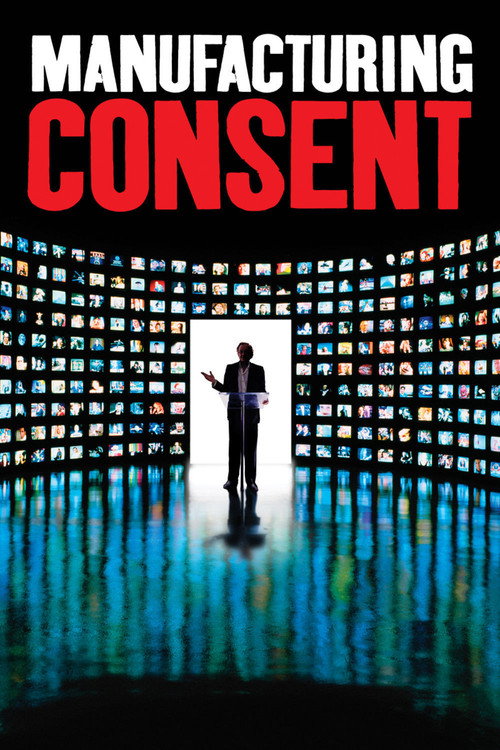
Manufacturing Consent: Noam Chomsky and the Media1992
Chomsky and Herman's foundational examination of how media shapes public perception through systematic bias. The methodology will reframe how you watch the news—and Hollywood. A thinking person's essential.
But Dense, academic, and nearly three hours. The pacing reflects the book more than a film's usual rhythm. Requires active attention.
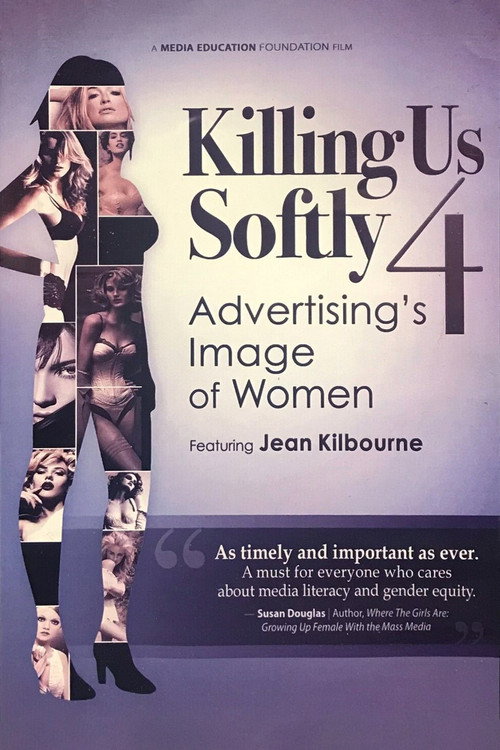
Killing Us Softly 4: Advertising's Image Of Women2010
Jean Kilbourne's parallel deconstruction of advertising's systematic dehumanization of women. Same intellectual muscle as Shaheen's work, applied to a different target. Reveals how stereotype becomes invisible through repetition.
But Heavy subject matter that doesn't lighten. The accumulation of examples is purposeful but can feel relentless. Anger is the point, which isn't relaxing.
The Fog of War2003
Errol Morris profiles Robert McNamara examining how powerful people rationalize catastrophic decisions. The structure—lessons drawn from lived consequence—mirrors Shaheen's method of using evidence to unmask ideology.
But A portrait of a man many find contemptible, told partly in his own words. Some viewers struggle with Morris giving any platform to such a figure.

Not sure tonight? Get a pick in a minute, starting from Reel Bad Arabs: How Hollywood Vilifies a People
The wildcard
Something you would not have found on your own.
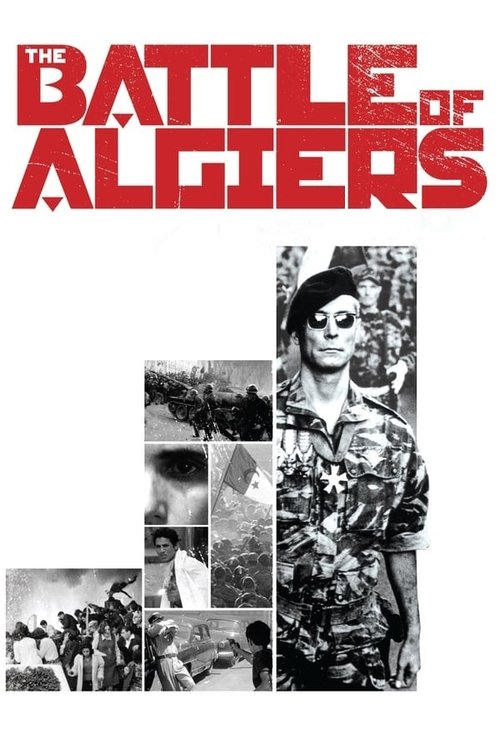
The Battle of Algiers1966
Both works interrogate how cinema constructs the Arab subject, but Pontecorvo goes where Shaheen says Hollywood won't: into the humanity and justified rage of those stereotyped as villains.
Gillo Pontecorvo's masterpiece depicts Algerian resistance to French colonialism with such narrative power that it became required viewing for insurgent groups worldwide. It does what Shaheen argues Hollywood refuses: grant Arabs agency, intelligence, moral complexity, and tragedy.
But Shot in black-and-white, slow by modern standards, and presents terrorism not as alien evil but as a rational response to occupation. Many Western viewers find it morally disorienting. Politically scorching.
More like this (6)
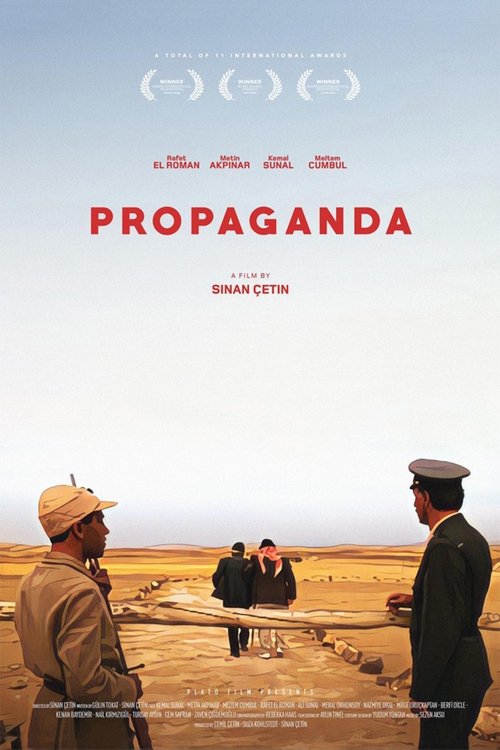
Propaganda1999
Émile de Antonio's unflinching assembly of Nazi propaganda materials with zero editorializing. Like Shaheen, he trusts the material itself to horrify and educate. The silence between clips is as loud as the speech.
But Deliberate exposure to hateful imagery. Difficult to watch by design. The lack of commentary frustrates viewers seeking guidance on what to feel.
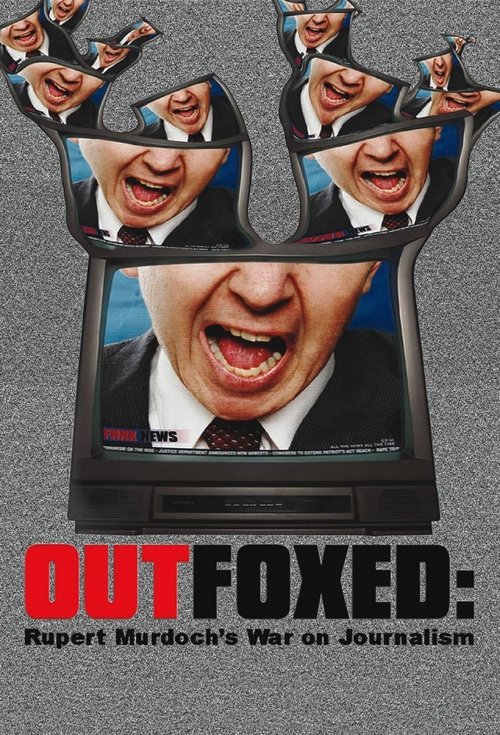
Outfoxed: Rupert Murdoch's War on Journalism2004
Robert Greenwald's investigation into how institutional power shapes narrative at scale. The mechanisms differ from Shaheen's Hollywood focus but the question is identical: who controls the stories we absorb?
But Heavily partisan in tone. Less interested in intellectual nuance than in documenting systemic corruption. Some will feel lectured rather than convinced.
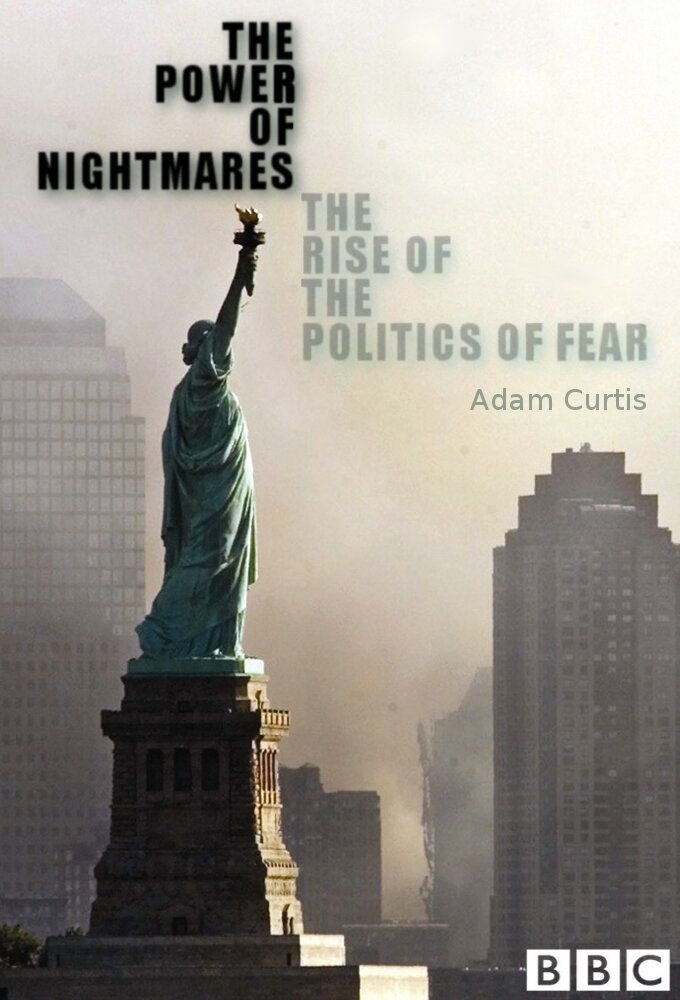
The Power of Nightmares: The Rise of the Politics of Fear2004
Adam Curtis traces how fear narratives—of communism, then terrorism—were constructed and deployed by elites to justify power. Shaheen shows the cinema machinery; Curtis shows why that machinery was built and for whom.
But Three hours, demanding, no clear hero. Curtis's argument is granular and sometimes opaque. Viewers accustomed to conventional docs may find it puzzling.
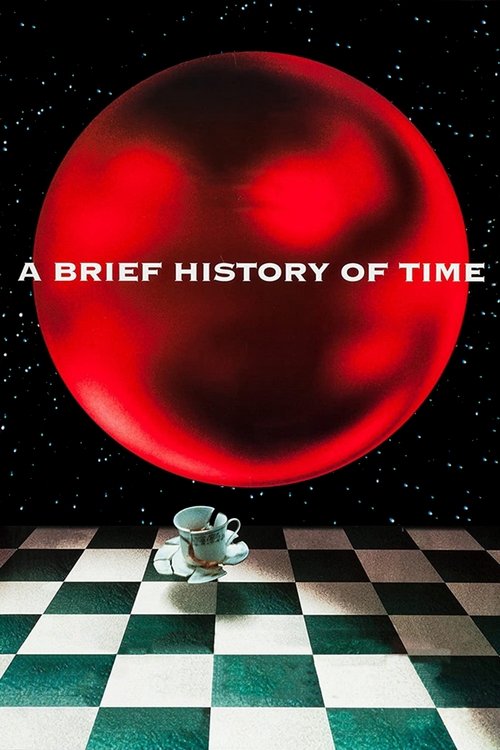
A Brief History of Time1991
Errol Morris's portrait of Stephen Hawking shows how a mind works when freed from convention. It's here because it models the opposite of stereotype: specificity, singularity, the refusal of the template.
But A scientist's memoir adapted for screen becomes abstract and diffuse. Those seeking narrative momentum will find it elusive. It's a mood rather than a story.
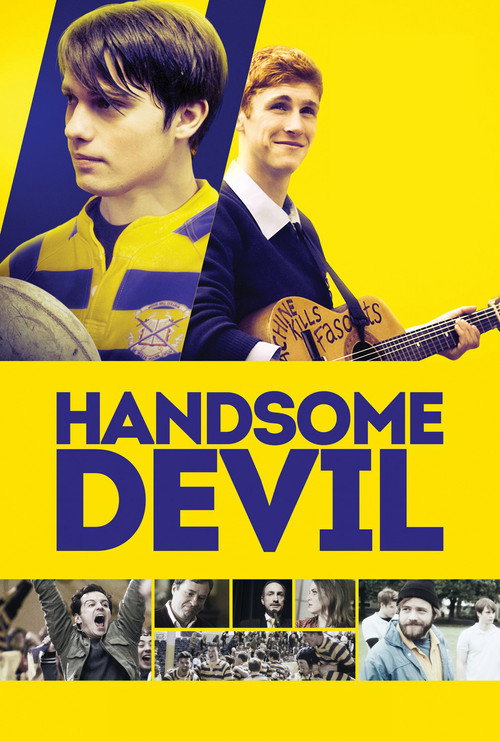
Handsome Devil2017
Both argue that stereotypes are institutional machinery designed to control and dehumanize. This one shows the mechanism operating in real time—how a community enforces a lie to preserve its power.
An Irish boarding-school film that seems conventional until it quietly dismantles masculinity, homophobia, and institutional violence through specificity rather than sermon. Small, strange, and morally precise in ways that feel almost radical.
But Micro-budget indie with unknown cast. The emotional payoff is earned through accumulation, not catharsis. Some find subtlety indistinguishable from slowness.
La Haine1995
Like Shaheen, Kassovitz traces how persistent imagery shapes perception and state violence. He goes further: showing how those stereotypes become self-fulfilling, how cinema and society mirror each other into catastrophe.
Mathieu Kassovitz's portrait of three young men in a Paris banlieue after a police killing. Shot in black-and-white, formally inventive, it shows how systems of representation (media, police, film itself) construct the criminal out of the marginalized.
But French with subtitles. The ending is abrupt and devastating, not redemptive. Shot in a style that can feel dated. Requires tolerance for formal experiment and political pain.

People
Cast
- Jack ShaheenSelf
Directing
- Jeremy EarpDirector
- Sut JhallyDirector
Writing
- Jack ShaheenWriter
- Jeremy EarpWriter
Production
- Jeremy EarpProducer