Film
The Rise and Fall of the C.I.A.
A 1970s British investigative documentary examining covert CIA operations, part of a landmark series that fearlessly pursued controversial stories from British institutional reporting. Rigorous archival journalism with the urgency of breaking news, even decades on. For those drawn to how power actually works when nobody's watching.
If you liked this
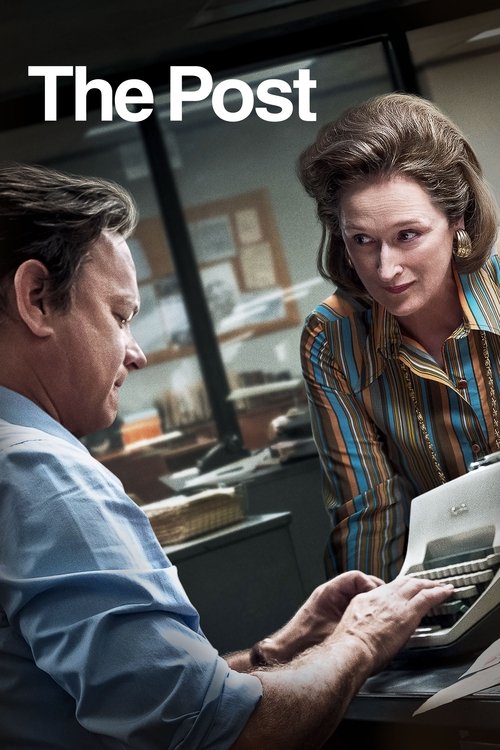
The Post2017
Similar journalistic pursuit of classified government deception, but through the lens of print media racing against injunction. Captures that same crackling tension between institutions and truth-telling.
But Courtroom drama can feel procedurally slow; the outcome is historically known, which dulls some narrative momentum.
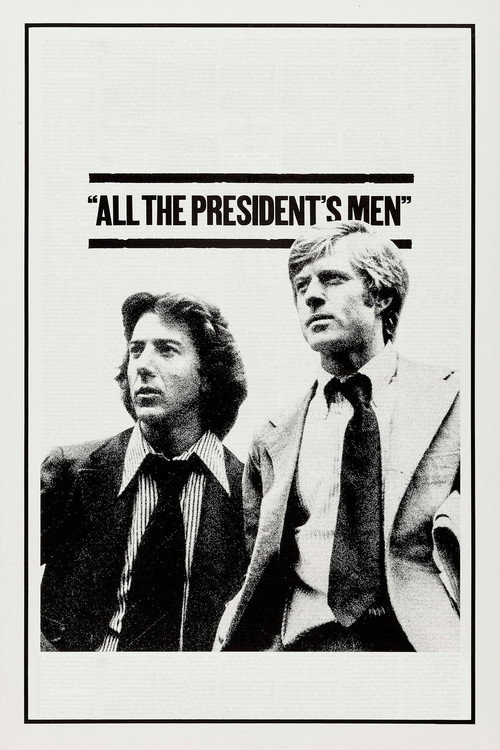
All the President's Men1976
The gold standard for investigative journalism on screen. Methodical, gripping, and genuinely tense despite knowing the ending. Shows how patient digging topples power.
But Focused entirely on two reporters in an office; if you want external action or spectacle, you'll be disappointed.
Spotlight2015
Ensemble of journalists following bureaucratic threads to expose institutional abuse. The rhythm and structure—meetings, calls, slow revelation—mirrors real investigation as few films do.
But Deliberately unglamorous; the pacing is methodical, not propulsive. Entirely dependent on your investment in process.

Not sure tonight? Get a pick in a minute, starting from The Rise and Fall of the C.I.A.
The wildcard
Something you would not have found on your own.
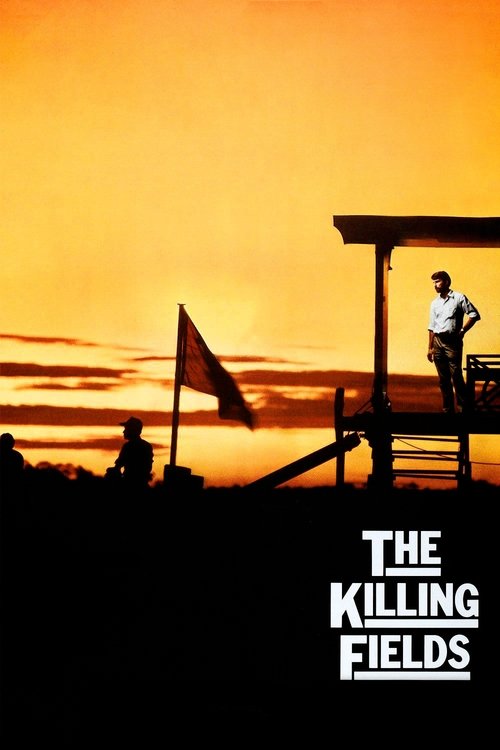
The Killing Fields1984
Both trace the consequences of covert American intervention in Southeast Asia—one through journalism and evidence, the other through lived experience and grief.
Not about the CIA directly, but about the human cost of American foreign policy in Cambodia. A narrative film that carries the emotional weight of documentary truth. Devastating.
But Extremely harrowing; depicts atrocity directly. Not a film you watch for pleasure, but for moral reckoning. Can feel punishing.
More like this (5)
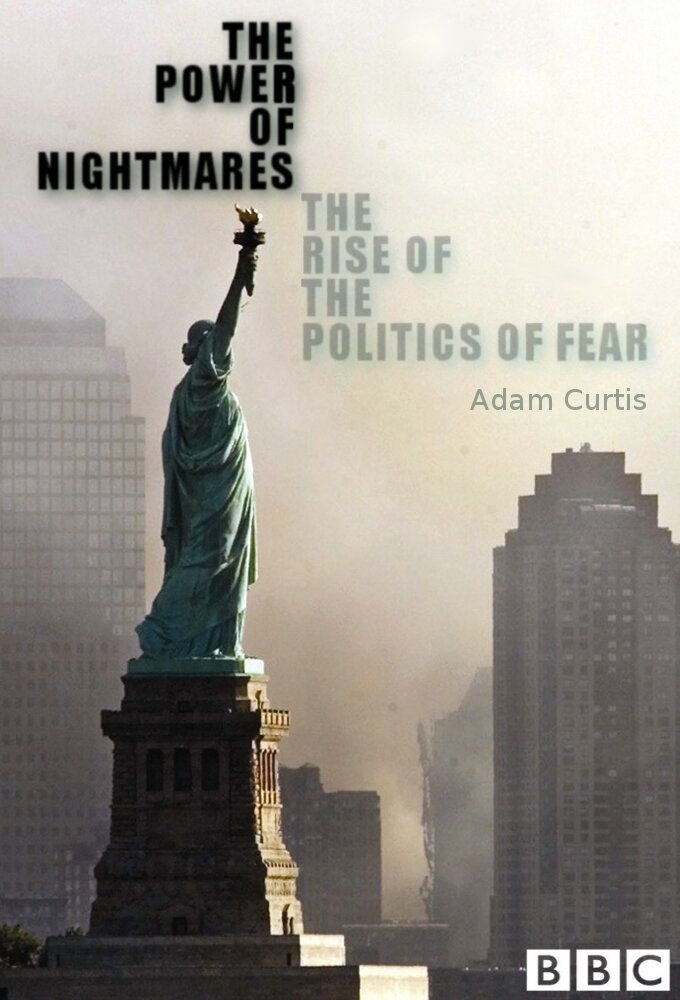
The Power of Nightmares: The Rise of the Politics of Fear2004
Adam Curtis at peak form dissecting how Western intelligence agencies manufacture fear to justify themselves. Structurally audacious, gorgeously edited, alarmingly persuasive.
But Dense, fast-cut, voiceover-heavy; requires active attention. Curtis's ideological fingerprints are everywhere, which you'll either find bracing or agenda-driven.
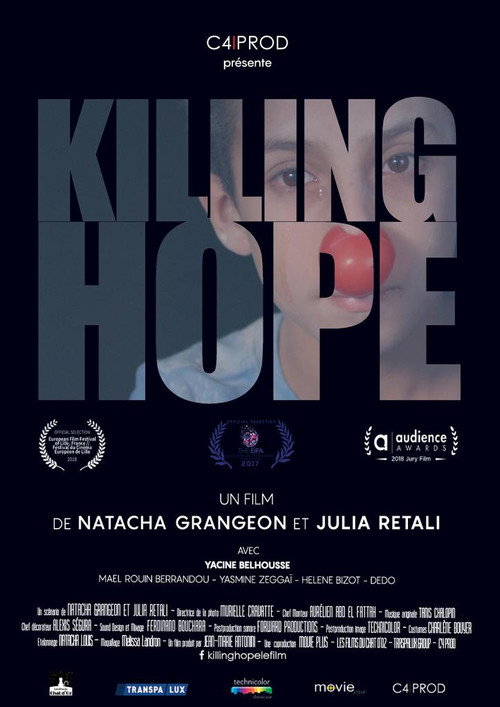
Killing Hope
Documentary based on Chomsky's work, cataloguing US military interventions since 1945. Furious and factual, with a scope that's almost dizzying.
But Relentless critique without much narrative variety; the montage approach eventually exhausts rather than clarifies.
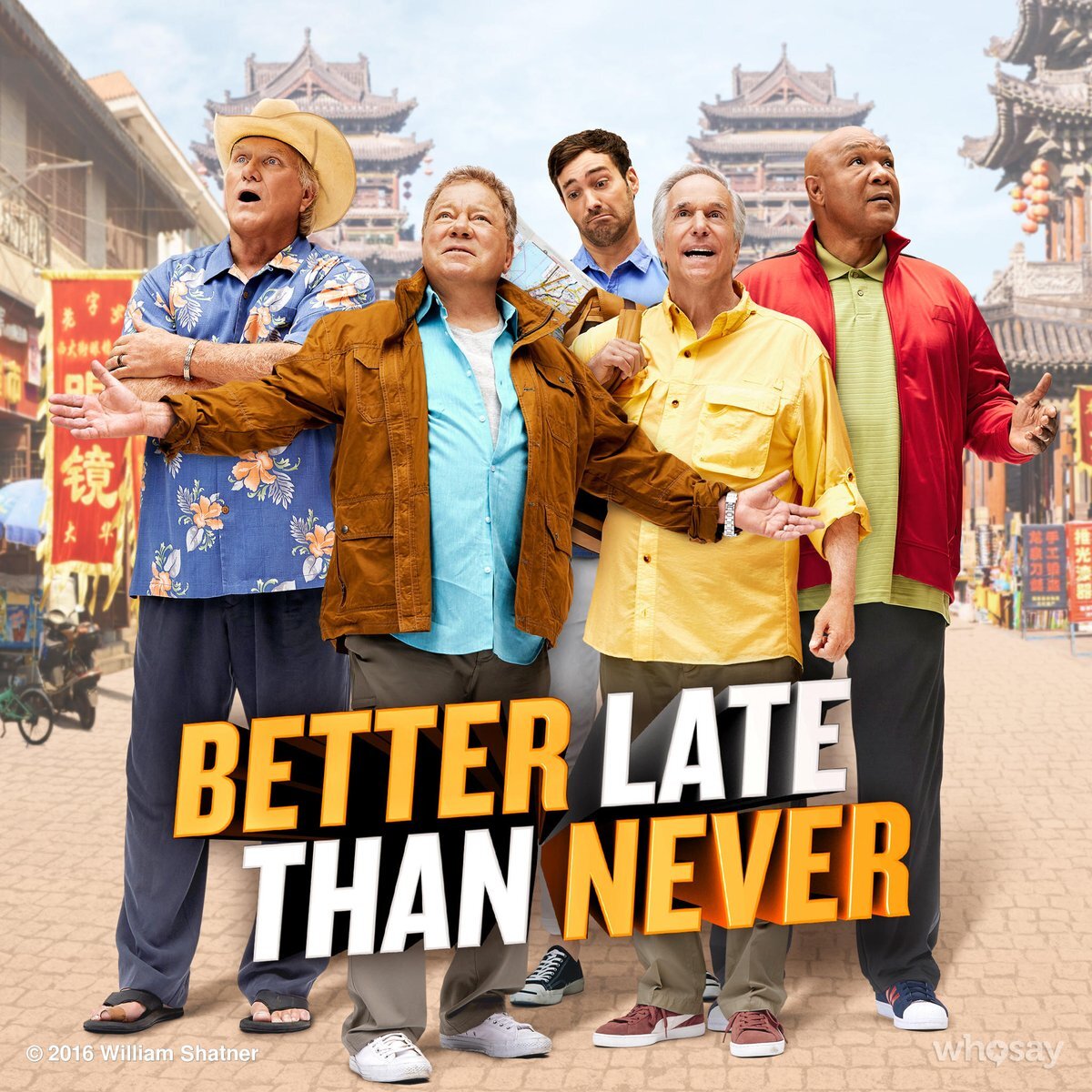
Better Late Than Never2016
Another Curtis essay, this one on how the US created the systems that later destabilized the Middle East. Visually stunning, intellectually ambitious, genuinely unsettling.
But Abstract and elliptical; some viewers find it more style than substance. Not a conventional argument, more a fever dream of archive.
The Secret Government: The Constitution in Crisis1987
Bill Moyers at his most incisive, examining the shadow operations and constitutional violations that flourish in intelligence work. Clear-eyed and purposeful.
But Dated production style and some arguments have been superseded by later revelations. Can feel slightly quaint about what constitutes a scandal.
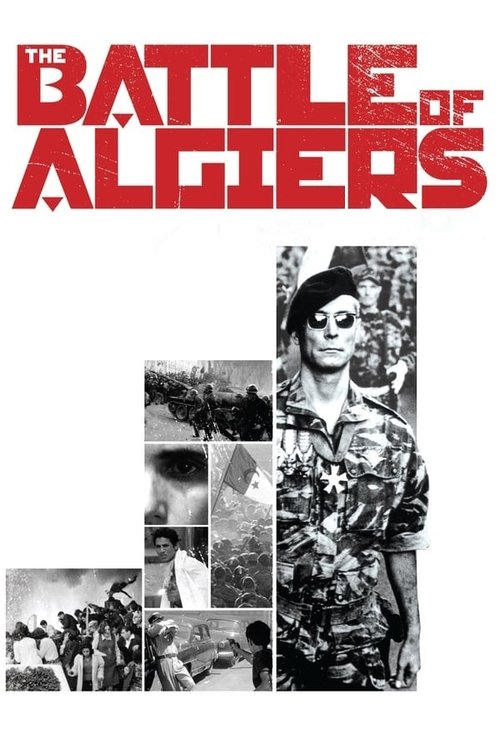
The Battle of Algiers1966
While your documentary exposes what intelligence agencies do, this film demonstrates the real-world logic of control they employ—a complement to the investigation, showing the operational reality behind the classified operations.
A Pontecorvo masterpiece about colonial violence and insurgency in Algeria. Technically a fiction, but treated as doctrine by military academies. Shows how power maintains control through surveillance and counterinsurgency—the infrastructure the CIA studied and exported.
But Black-and-white and austere; some scenes are shockingly brutal. The political argument is embedded, not explained. Not comfortable viewing.