
Film
The Secret Government: The Constitution in Crisis
A 1987 PBS documentary where Bill Moyers investigates the hidden apparatus of American intelligence and military power operating outside democratic oversight. Drawing on interviews with insiders and declassified history, it traces how successive administrations built parallel structures of authority. Urgent and methodical, it's essential viewing for anyone who wants to understand how governments actually work behind closed doors.
If you liked this
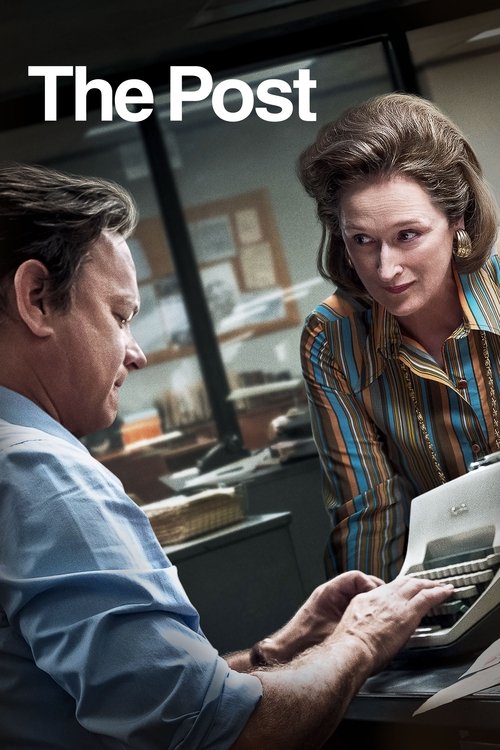
The Post2017
Spielberg's tense procedural about the Washington Post and New York Times defying government pressure to publish classified Vietnam documents. A clear ancestor to Moyers's investigation, showing institutional power colliding with the public's right to know.
But Deliberately paced; it's a movie about bureaucracy and legal argument rather than action, so patience required.
All the President's Men1976
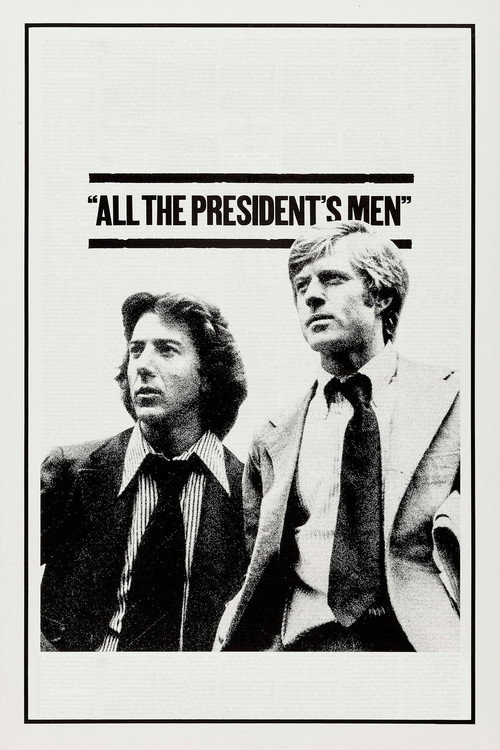
Woodward and Bernstein uncover Watergate through shoe-leather reporting and institutional courage. It shows how secret government power can be exposed, and why that matters. Perfectly constructed thriller that doubles as civics lesson.
But Assumes some familiarity with 1970s politics; if you don't know the stakes, the paranoia might feel dated rather than urgent.
JFK1991
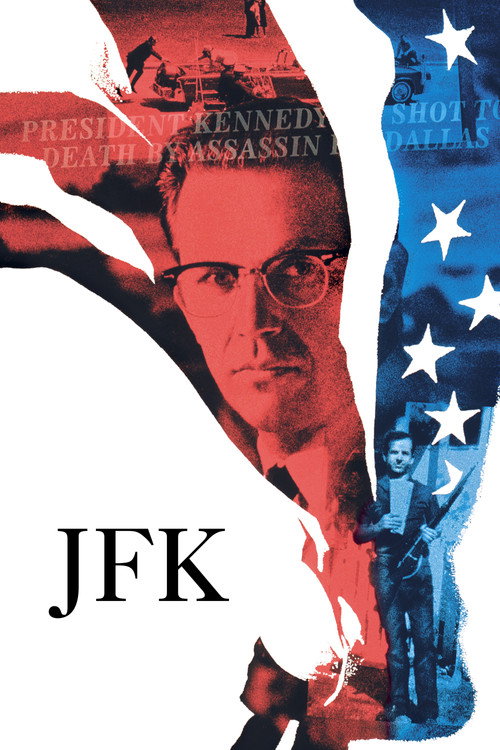
Oliver Stone's fever-dream investigation into the Kennedy assassination assumes a shadow government operating beyond elected authority. Wild, maddening, and visually intoxicating. It asks the same questions Moyers does, just through conspiracy rather than documentation.
But Heavily fictionalized and deliberately conspiratorial; Stone treats speculation as revelation, which can feel irresponsible depending on your tolerance.
Not sure tonight? Get a pick in a minute, starting from The Secret Government: The Constitution in Crisis
The wildcard
Something you would not have found on your own.
The Atomic Cafe1982
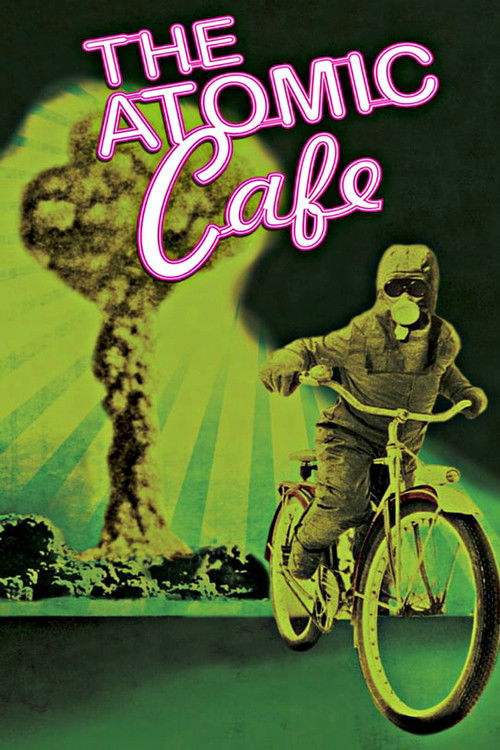
Both examine how power operates in shadow; Atomic Cafe shows it through official mythology and visual style, Moyers through direct testimony. One is felt, one is explained.
This found-footage collage of declassified Cold War government films, newsreels, and propaganda reveals how a secret government sold Americans on existential fear. It's about secrecy and control, but through absurdist montage rather than investigation. You watch institutions lie through architecture and tone.
But No narrator, no argument—just images. It requires active interpretation and some patience with modernist documentary form.
More like this (6)
Spotlight2015
Reporters at the Boston Globe systematically dismantle an institutional lie protected by power and silence. Like Moyers, it shows how hidden systems work and what it takes to expose them. Quietly devastating.
But Slow-burn ensemble piece about procedural journalism; no explosions, just people reading documents and making phone calls.

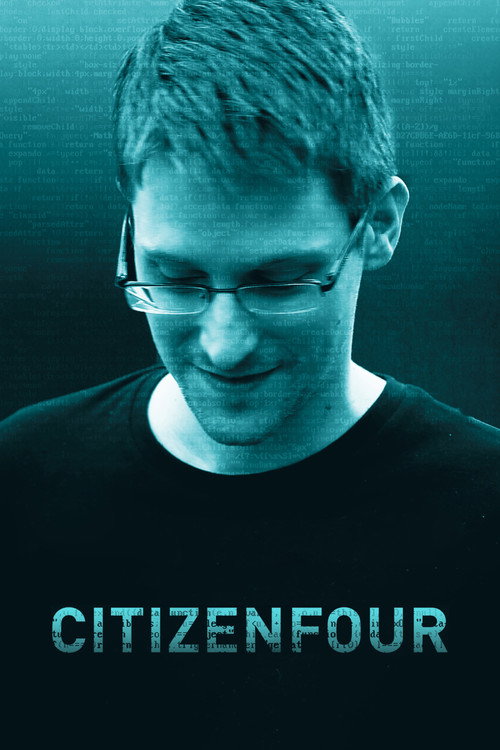
Citizenfour2014
Laura Poitras's documentary captures Edward Snowden revealing the NSA's mass surveillance apparatus. It's Moyers's 1987 concerns made concrete and terrifying—secret government in real time, with the whistleblower at the center.
But Dense and technical; if surveillance infrastructure doesn't grip you, long stretches feel opaque and repetitive.
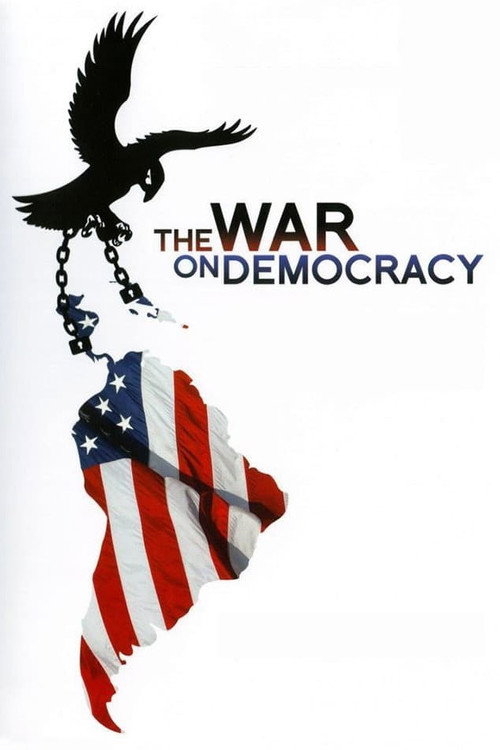
The War on Democracy2007
John Pilger investigates American military and CIA interventions across Latin America. Extends Moyers's thesis globally, showing how secret government power projects itself beyond American borders.
But Pilger's anger is visible and partisan; some will find it polemical where others find it justified.
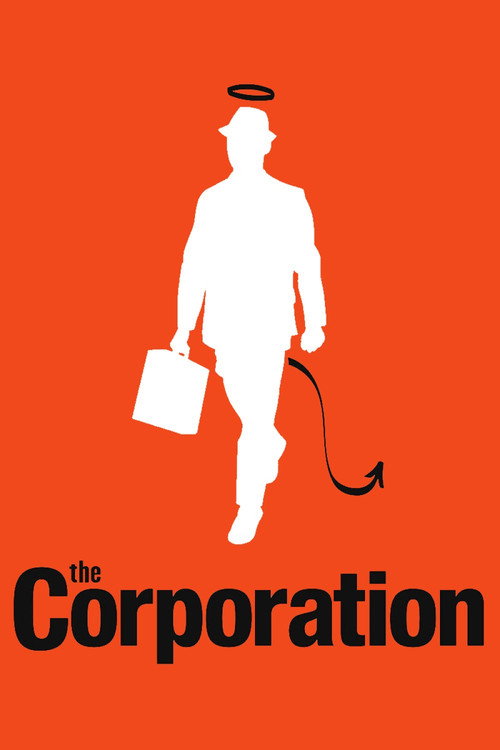
The Corporation2003
Documentary examining how corporate power functions like an invisible state actor, often in league with government agencies. Broader than Moyers but asking similar questions about who really holds power and how they keep it hidden.
But Three-hour omnibus that tries to cover too much ground; sprawls across issues and sometimes loses focus.
The Fog of War2003
Both feature testimony from people inside power structures, but Morris wants to understand their thinking while Moyers wants to reveal their actions.
Errol Morris interviews Robert McNamara about his role in Vietnam and the Cold War. It's a secret government insider confessing in real time—thoughtful, haunted, and far more morally complex than simple exposure. Moyers investigates systems; this interrogates conscience.
But Slow, philosophical, and melancholic; it's not about exposing villainy but understanding how intelligent people rationalize terrible decisions.

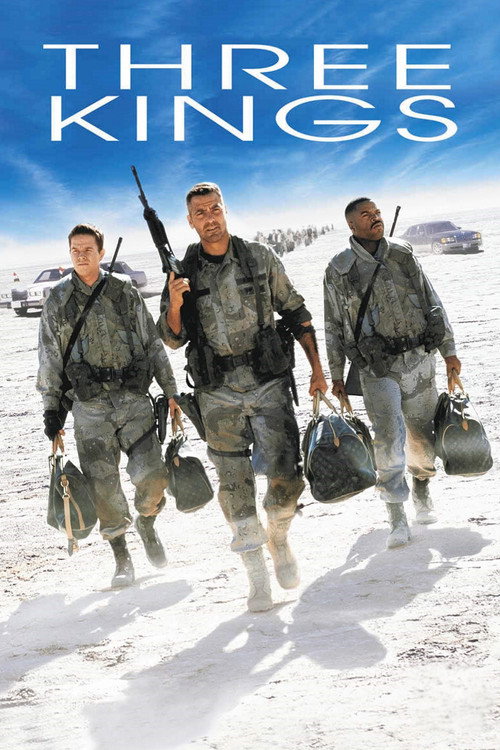
Three Kings1999
Where Moyers shows the structure of hidden power, Three Kings shows its human cost on soldiers who discover they've been lied to. Documentation versus drama reaching the same anger.
David O. Russell's Gulf War film is a commercial thriller that becomes a furious indictment of American military deception and cynicism. It dramatizes what Moyers documents—how secret government lies to its own soldiers about what they're actually fighting for.
But Shifts tone from action-adventure to something darker and more political; some find the tonal whiplash awkward rather than effective.
People
Cast
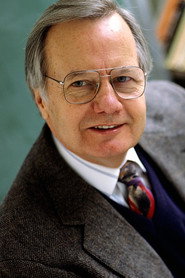 Bill MoyersSelf
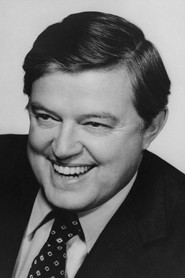 Frank ChurchSelf (archive footage)