
Film
Ukraine on Fire
Oliver Stone's 2016 documentary presents a geopolitical counter-narrative to Western coverage of Ukraine's 2013–2014 upheaval, arguing for Russian and regional grievances over external interference. It's polemical, visually assured, and shaped entirely by a particular ideological lens. For viewers sceptical of mainstream framings or interested in competing accounts of recent history—with eyes wide open.
If you liked this
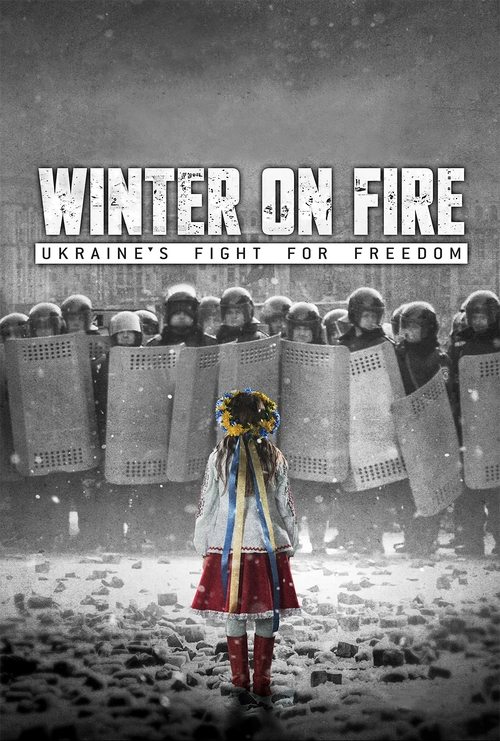
Winter on Fire: Ukraine's Fight for Freedom2015
This Netflix documentary covers the same Euromaidan protests from the opposing perspective, with direct footage from the square. Essential viewing if you want to understand both sides of how this story is told.
But It's equally committed to its narrative; watching both films back-to-back can feel like propaganda ping-pong rather than truth-seeking.
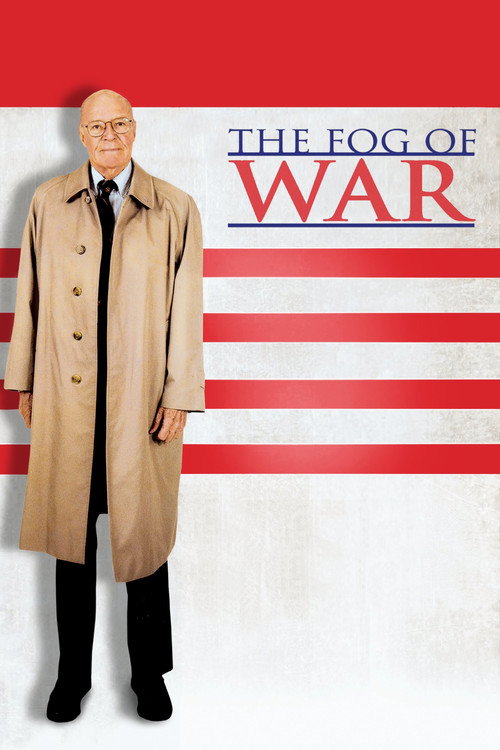
The Fog of War2003
Errol Morris's portrait of Robert McNamara shows how intelligent, credentialed people rationalize geopolitical decisions. It asks hard questions about perspective, certainty, and who gets to write history.
But It's a slow, cerebral interview; there's no dramatic payoff, just uncomfortable thinking.
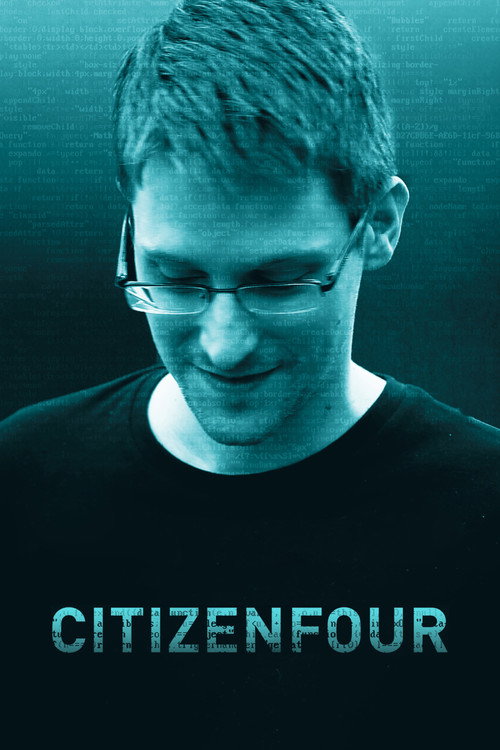
Citizenfour2014
Laura Poitras's documentary about Edward Snowden is equally concerned with surveillance, state power, and what governments hide from their citizens—themes Stone circles around from a different angle.
But It's meditative and claustrophobic in ways that won't satisfy anyone looking for clear villains or easy answers.
Not sure tonight? Get a pick in a minute, starting from Ukraine on Fire
The wildcard
Something you would not have found on your own.
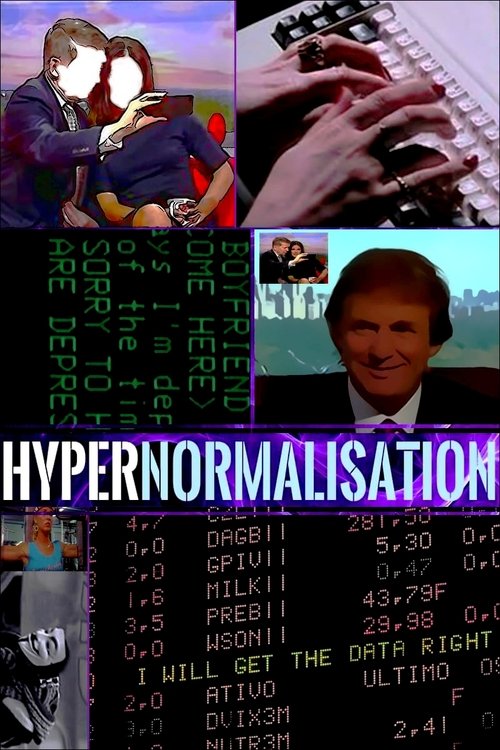
HyperNormalisation2016
Both documents use visuals and narrative to interrogate official truth. Curtis goes further: he suggests Stone and the Western mainstream media are two sides of the same epistemological crisis.
Adam Curtis's essay-film argues that the West and Russia both retreated into competing fictional narratives about reality from the 1970s onward. It's the meta-analysis of why films like Stone's exist—and why we believe the ones we want to.
But Curtis uses found footage, stock music, and voice-over in ways that feel digressive; you have to surrender to his logic rather than follow a conventional argument.
More like this (6)
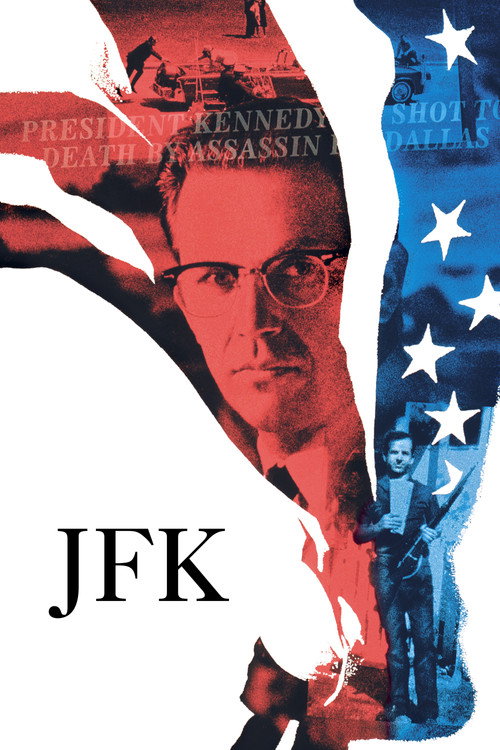
JFK1991
Stone's own 1991 thriller about conspiracy and official narratives. If you're watching his geopolitical viewpoint evolve, this is where his distrust of Western institutions crystallized—the DNA of everything after.
But It's three hours of baroque paranoia; even fans admit it collapses under scrutiny.
All the President's Men1976
The Watergate investigation as thriller: journalism as the only check on state power. It's the optimistic American counterpoint to Stone's darker view of how power actually operates.
But It's a procedural from 1976; the pacing is patient in ways modern audiences find slow.

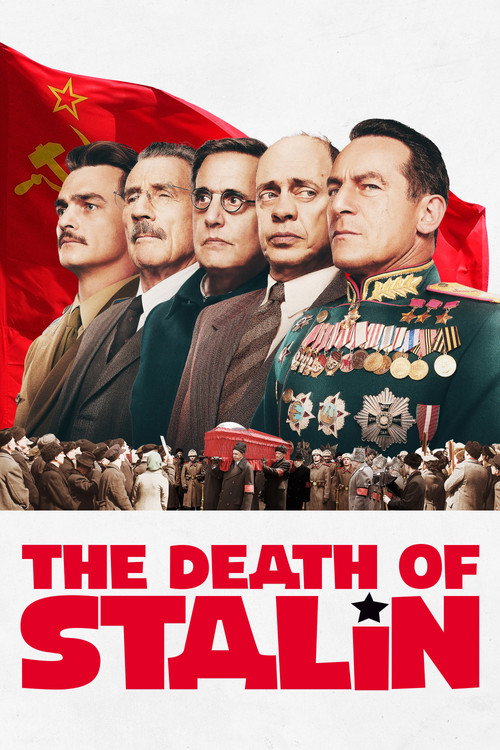
The Death of Stalin2017
Armando Iannucci's black comedy about Soviet power transition is sharper and funnier than any straight documentary about post-Soviet politics. It captures something true about how authority really works.
But It's irreverent about serious history; some find that tone disrespectful.
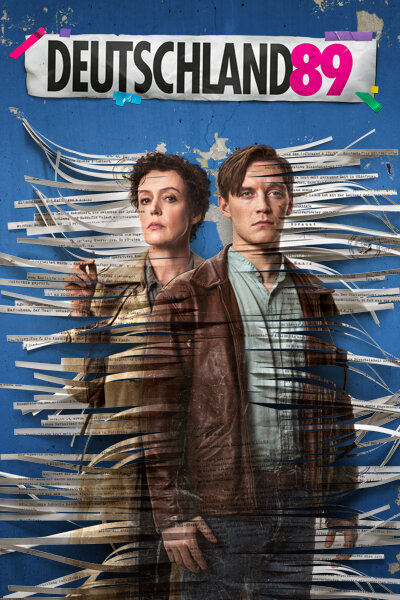
Deutschland2015
A German spy thriller set during the Cold War's final decade, told from the East German perspective. It shows how geopolitical conflict felt from the 'other side' without polemics.
But It's a soap opera as much as a thriller; the personal drama can overshadow the historical stakes.
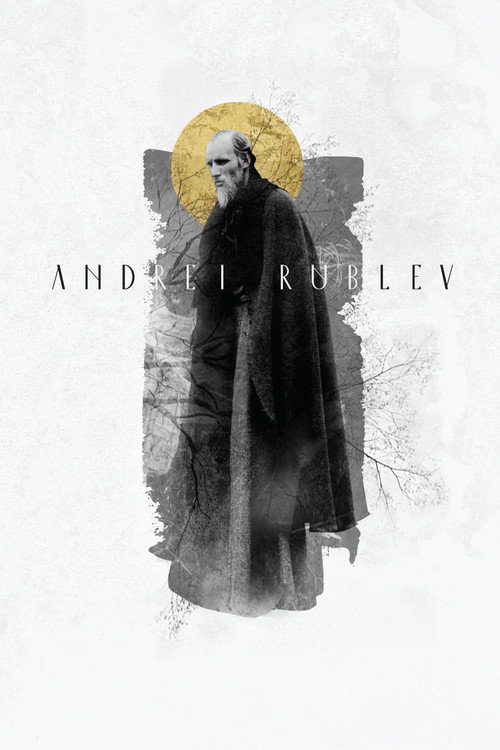
Andrei Rublev1966
Andrei Tarkovsky's meditation on art, faith, and Russian identity across centuries. If you want to understand how Russians narrate their own history and exceptionalism, this is the visual and philosophical root.
But It's 205 minutes of deliberate, painterly Soviet cinema. Patience isn't optional.
Come and See1985
Stone uses geopolitical abstraction to explain Ukraine; Klimov strips away abstraction entirely. They're asking the same question—who pays for these decisions?—but one is philosophy and one is hell.
Elem Klimov's Belarusian masterpiece about WWII follows a boy through Nazi-occupied Soviet territory. It's the most unflinching portrait of what war actually costs—spiritual, not geopolitical. Required viewing for anyone who discusses Ukraine without flinching.
But It is genuinely traumatizing; this isn't hyperbole. Viewers report nightmares. It is not entertainment.

People
Cast
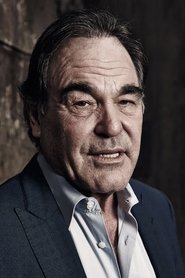 Oliver StoneSelf
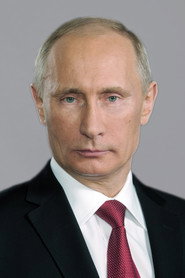 Vladimir PutinSelf
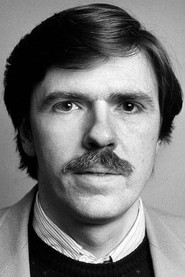 Robert ParrySelf
 Fanny SageFire dance performance
- Lotus BechSelf
 Lex LangNarrator
Directing
- Igor LopatonokDirector
Writing
- Vanessa DeanWriter
Production
- Oliver StoneExecutive Producer
- Steve PinesExecutive Producer
- Nikoloz BezhuashviliLine Producer
- Claire M. SteinProducer
- Igor LopatonokProducer