
Film
Debtocracy
A 2011 Greek documentary examining the causes of the debt crisis and exploring alternative solutions through international case studies. It combines economic analysis with grassroots investigation, arguing that debt crises are political choices rather than inevitable disasters. For anyone suspicious of official narratives about who bears responsibility for financial collapse.
Should you watch it?
Watch it if you want a clear-eyed, argument-driven documentary about how money and politics collide, and you enjoy watching a case being built piece by piece with interviews from economists and activists.
Skip it if you want a fly-on-the-wall look at ordinary Greek life or a neutral survey of the crisis, since this is openly a partisan case for one reading of events.
What it asks of you: Seventy-five minutes of mostly talking heads and archival material, so it rewards steady attention to figures and arguments more than visual pleasure.
Not sure? Find tonight's pick in a minute.
If you liked this
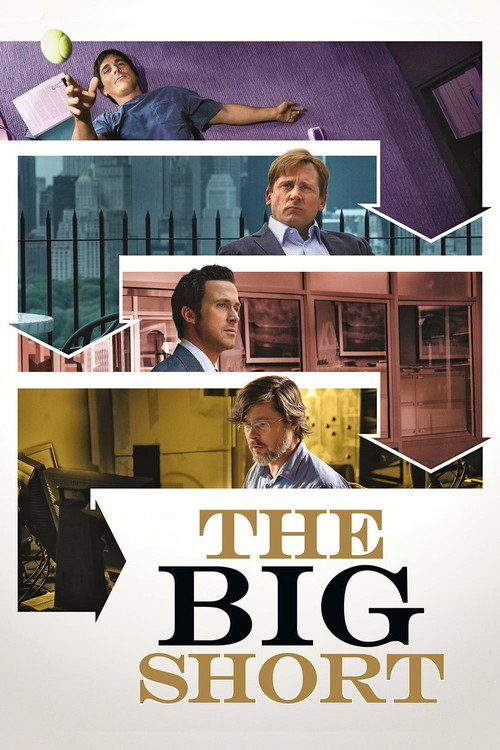
The Big Short2015
Explodes the 2008 financial crisis into a furious, funny thriller. It makes the abstract concrete—you see exactly how greed and negligence destroyed ordinary lives, and it names the people responsible.
But Uses stylistic tricks (fourth-wall breaks, celebrity cameos) that can feel gimmicky rather than clarifying. Some financial mechanics still require concentration.
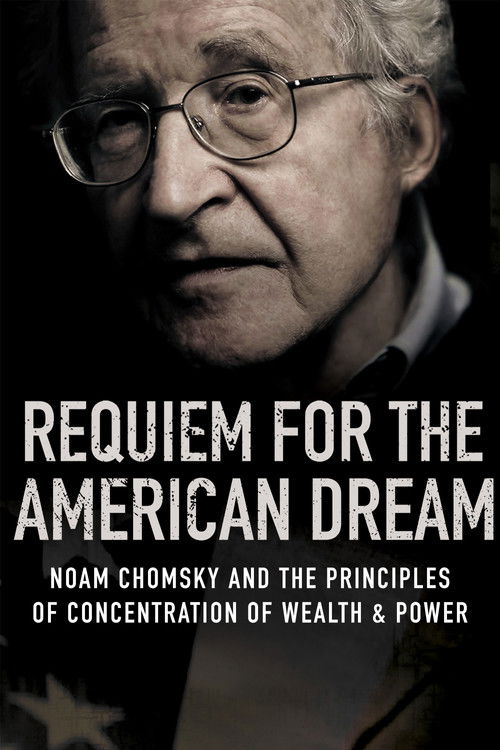
Requiem for the American Dream2015
Chomsky synthesizes fifty years of observation about how concentrated wealth reshapes democracy itself. It's a lucid argument about systems, not just crisis management—capital's long game.
But Chomsky doesn't soften his positions for comfort. The film is intellectually demanding and offers no false hope about easy fixes.
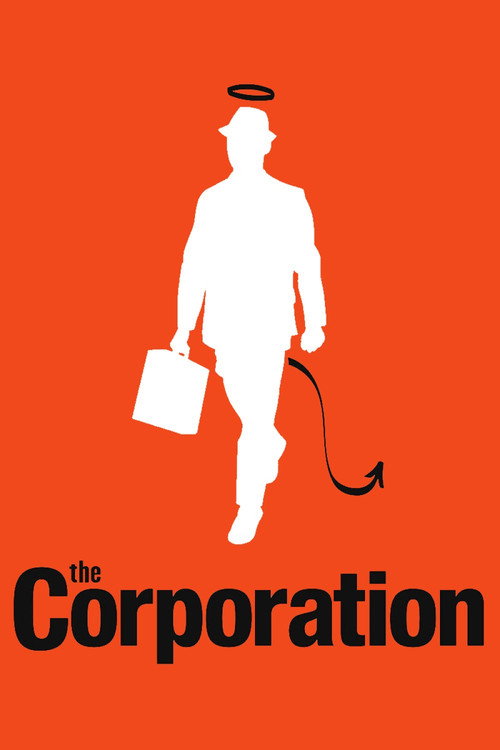
The Corporation2003
A brilliant dissection of how corporations became people and what that ideology costs. Combines documentary rigor with dark humor. Essential viewing for understanding the logic that produced the crises.
But Nearly two-and-a-half hours. Some segments lag and the argument occasionally repeats itself.
Not sure tonight? Get a pick in a minute, starting from Debtocracy
The wildcard
Something you would not have found on your own.
Synecdoche, New York2008
Both examine systems that become detached from reality—where the models and abstractions matter more than actual human welfare, until catastrophe forces a reckoning.
Kaufman's baroque tragedy about a theatre director building an increasingly out-of-control fictional world maps exactly onto how financial systems collapse under their own abstract complexity and recursion.
But Deliberately difficult and melancholy. This is not a documentary and won't answer policy questions. It works through mood and metaphor, which some find indulgent.

More like this (4)
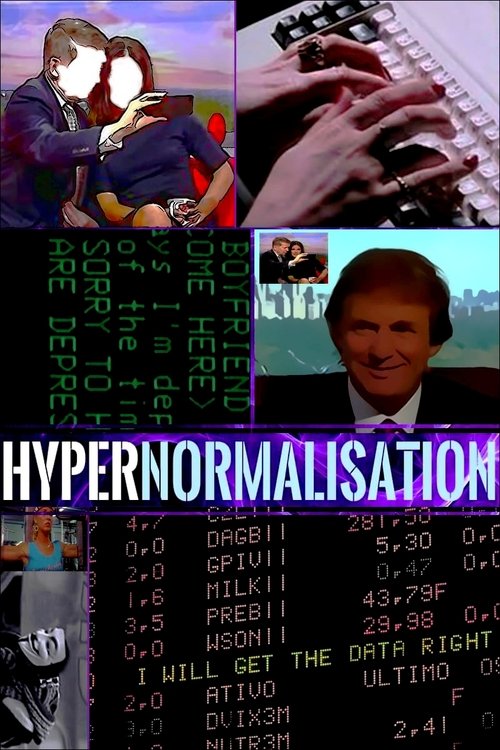
HyperNormalisation2016
Adam Curtis traces how governments and elites created a facade of normality while abandoning their actual responsibilities. It explains how crises become accepted as permanent features.
But Curtis's style is deliberately fragmented and sometimes cryptic. The argument sprawls; you have to stay alert to follow it.
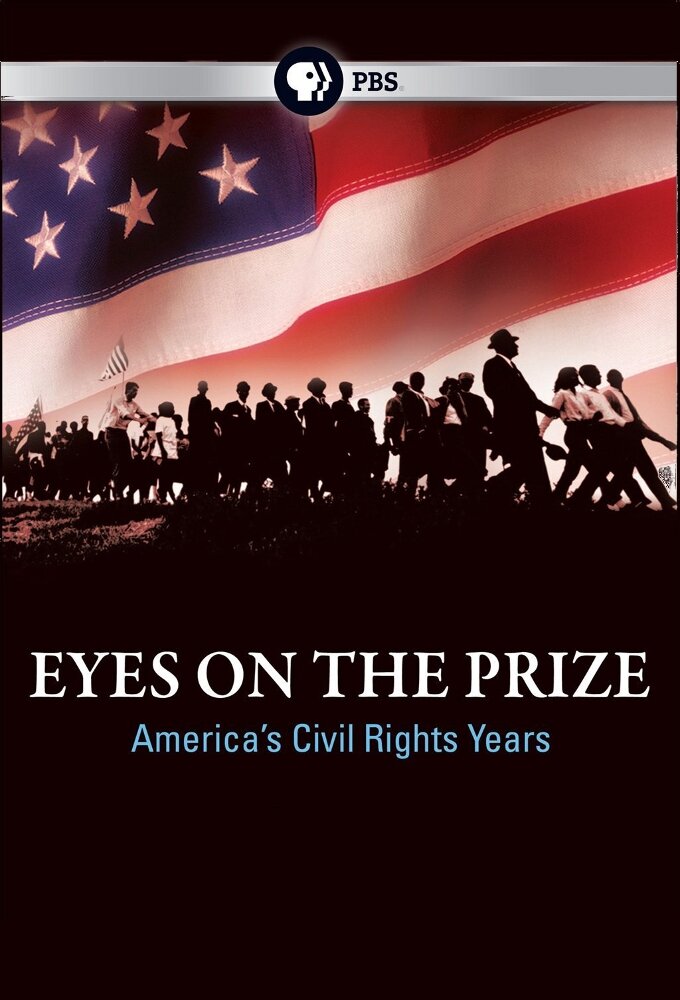
Eyes on the Prize1987
A sweeping economic history showing how resource control becomes a tool of empire and debt. Illuminates why developing nations stay trapped in cycles of dependency.
But Length and pacing reflect its TV roots—it can feel didactic in stretches. Not as razor-sharp as more recent documentaries.
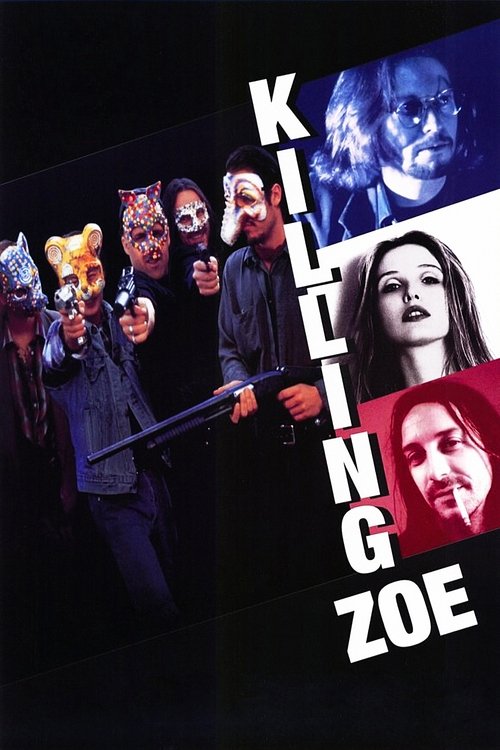
Killing Zoe1993
Roger Avary's thriller about American speculators in post-Soviet Russia captures the looter mentality beneath financial crises. Finance as heist, collapse as consequence of predation.
But It's a genre film first; if you want direct political argument, you'll need to extract it from under the action and style.
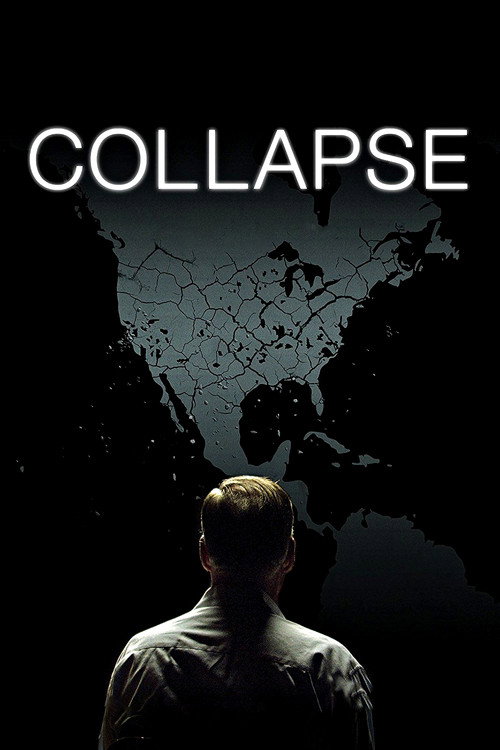
Collapse2009
Michael Ruppert argues that resource depletion and financial system collapse are linked. Uncomfortable speculation about how crises cascade when systems hit hard limits.
But Ruppert's tone is apocalyptic and his predictions don't all materialize. It can feel like doomsaying without solutions.
People
Cast


Directing
- Aris ChatzistefanouDirector
- Katerina KitidiDirector
Writing
- Aris ChatzistefanouWriter
- Katerina KitidiWriter
- Leonidas VatikiotisWriter
Production
- Kostas EfimerosProducer