
Film
Starsuckers
Starsuckers is a darkly funny documentary that dismantles celebrity culture and the media machine that feeds it. Director Mark Seel exposes the calculated mechanics behind paparazzi photos, tabloid stories, and manufactured scandals—how the industry manufactures our obsession and profits from it. It's sharp, angry, and frequently shocking, mixing undercover footage with talking heads to show you exactly how the sausage gets made.
Should you watch it?
Watch it if you enjoy investigative films that follow a hunch into the tabloid machine, with a sardonic voice and stings that make the people in charge squirm.
Skip it if you want a tidy, balanced account of the press, since this is openly partisan and its mockery and shock tactics can feel relentless over its feature-length run.
What it asks of you: Around an hour and three quarters of sustained attention, with a restless edit that keeps jumping between interviews and pointed stunts, and a willingness to be pulled along by its anger.
Not sure? Find tonight's pick in a minute.
If you liked this
The Social Dilemma2020
Like Starsuckers, it dissects how a vast industry profits from capturing your attention and shaping your behaviour. Experts explain the mechanics clearly while the film shows the human cost of systems optimized for addiction.
But It can feel didactic and a bit finger-wagging. The dramatized sequences with actors feel thin compared to the interview material.
Nightcrawler2014
A fictional mirror of Starsuckers' themes: a man who profits from other people's suffering by selling violent footage to news outlets. It's a masterclass in how incentive structures corrupt, with a chilling performance from Jake Gyllenhaal.
But Slow and uncomfortable to watch. It doesn't offer solutions or catharsis—just the ugliness of the system grinding on.
The King of Comedy1982
Scorsese's dark comedy about a nobody obsessed with becoming famous at any cost. It's prescient about celebrity obsession and the pathology of wanting to be seen, captured with uncomfortable intimacy.
But It's genuinely awkward and unsettling. The comedy lands at moments of real cringe, which some find either brilliant or unbearable.
Not sure tonight? Get a pick in a minute, starting from Starsuckers
The wildcard
Something you would not have found on your own.
Hunger2008
Both examine how bodies are transformed into media products—one through celebrity culture, one through political conflict. Both refuse easy answers.
Steve McQueen's film about Bobby Sands' hunger strike is a meditation on the body as spectacle and the media's role in turning suffering into image. No narration, no explanation—pure cinema. The connection: both films ask what happens when bodies become commodities.
But It's austere and deliberately difficult. The final thirty minutes are confrontational in their refusal to look away or provide comfort.
More like this (8)
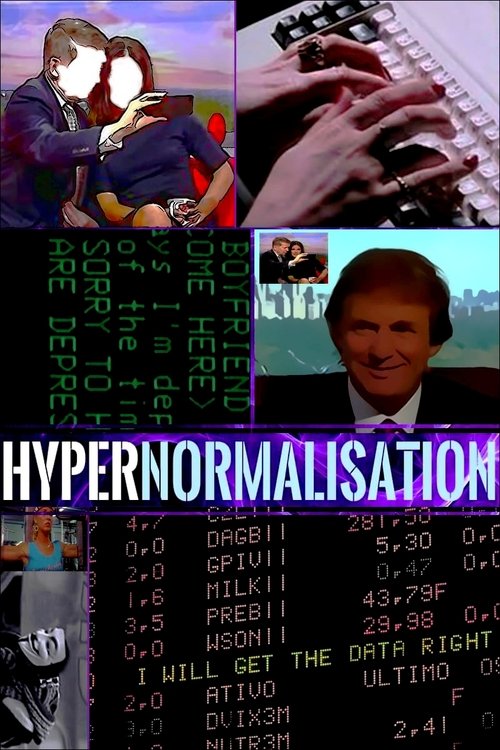
HyperNormalisation2016
Adam Curtis's essay-documentary takes a similar jaundiced view of modern media, tracing how we've become numbed to chaos and lies. Dense with archive footage and a haunting thesis about our current moment.
But It's 166 minutes of Curtis's sometimes-associative argument-making. You need to surrender to his rhythm or it feels rambling and paranoid.
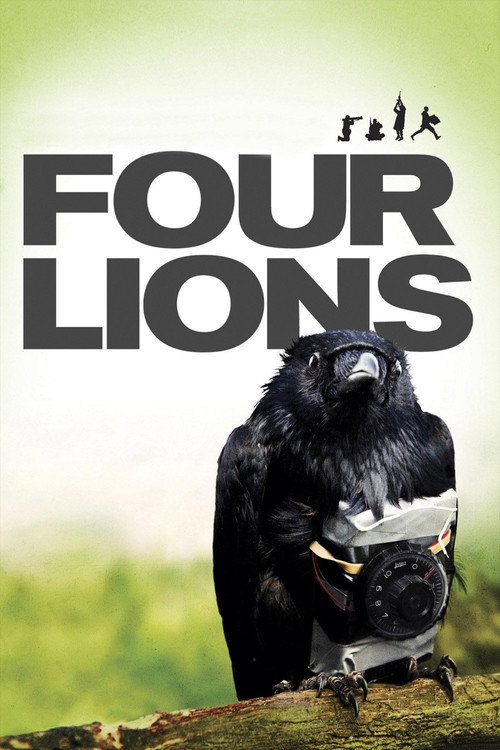
Four Lions2010
Chris Morris's dark comedy about incompetent would-be terrorists. Like Starsuckers, it finds humour in systems of stupid evil, though here the target is ideology rather than media. Brilliantly sharp.
But The subject matter—terrorism, radicalization—makes the comedy land differently for different viewers. Some find it bracingly honest; others find it glib about serious harm.
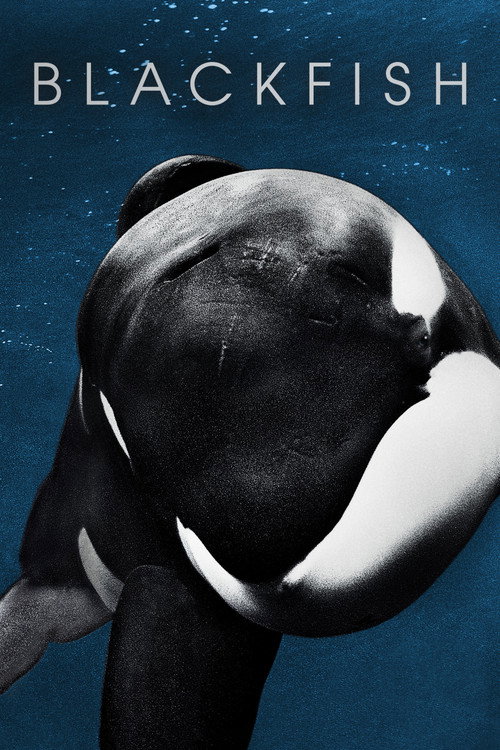
Blackfish2013
A documentary that exposes corporate malfeasance and the machinery of deception behind an institution. It's investigative, angry, and builds its case methodically from interviews and archival material.
But Once you know the argument, you've seen the film. It's a document of a campaign rather than an exploration, which can feel repetitive.
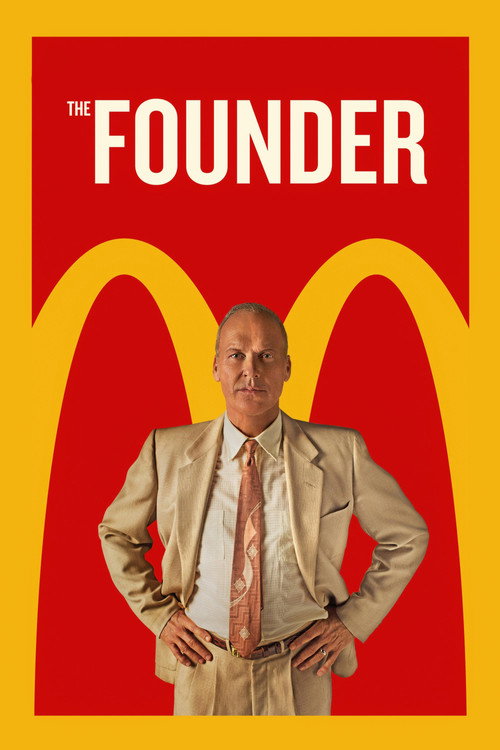
The Founder2016
Michael Keaton plays a man who builds an empire by understanding how systems work and ruthlessly exploiting them. It's about ambition, media manipulation, and the machinery of capitalism with dark wit.
But It's a bit formulaic beneath the strong lead performance. The themes are blunt rather than subtle.
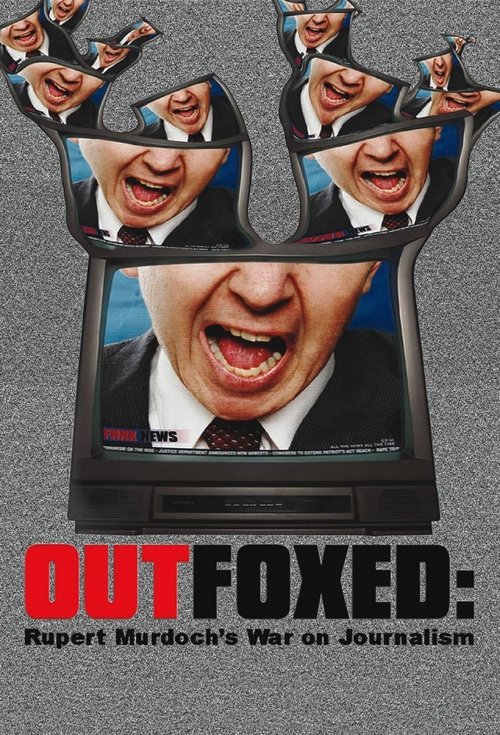
Outfoxed: Rupert Murdoch's War on Journalism2004
Robert Greenwald's polemic about Fox News and how it manufactures consent. It's a tighter, more focused take on the same media-criticism project as Starsuckers.
But It can feel like preaching to the converted. The editing is occasionally heavy-handed in making its point.
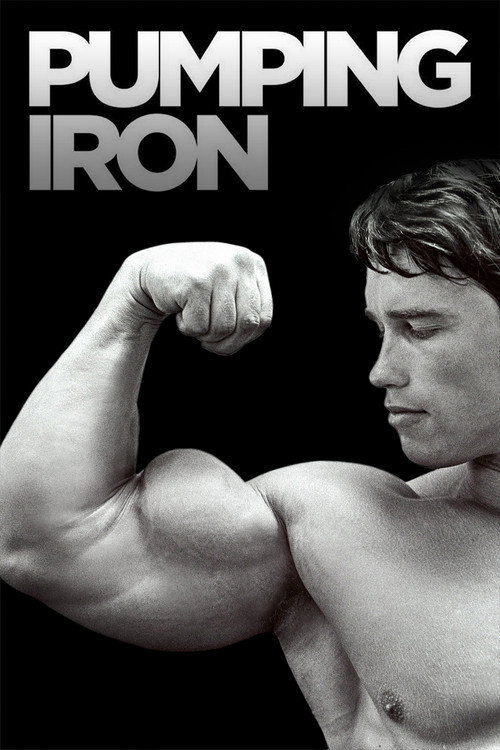
Pumping Iron1977
A documentary about bodybuilding that's also about image-making, performance, and the machinery of fame. Arnold Schwarzenegger and Lou Ferrigno are calculated performers aware they're being watched—it's about the *construction* of celebrity.
But It's dated and the gender politics are uncomfortable by modern standards. The sport itself may not interest you.
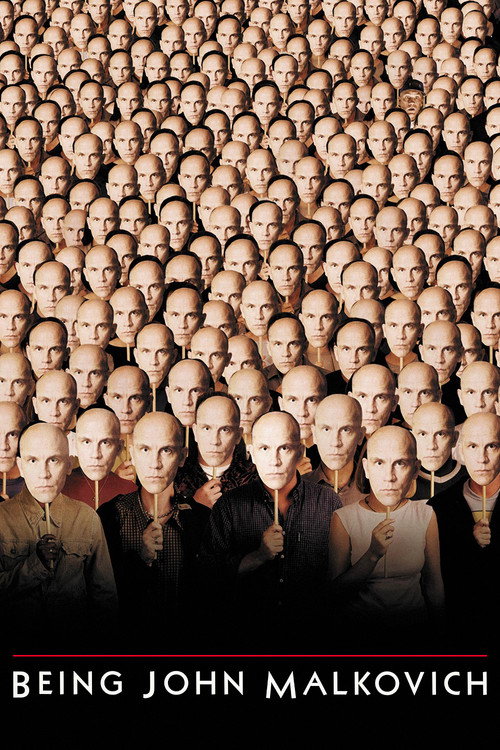
Being John Malkovich1999
Both dissect the machinery that turns human beings into consumable products, though Jonze does it through absurdist fantasy rather than documentary rigour.
Spike Jonze's surreal comedy imagines a literal portal into a celebrity's consciousness, then watches people profit from it. It's a hallucinatory meditation on fame, interiority, and the impossibility of truly knowing another person—all wrapped in brilliant, weird comedy.
But It's deliberately strange and ends in a place of genuine darkness. If you want your satire to feel comfortable, this will frustrate you.
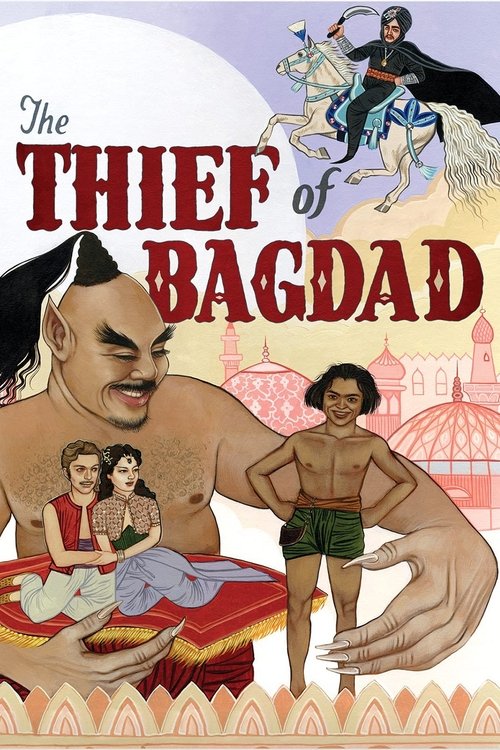
The Thief of Bagdad1940
Both films are about the gap between image and reality, and how that gap is profited from. One documents the modern celebrity machine; the other shows how old the mechanics of illusion actually are.
Michael Powell's Technicolor fantasy is about a con man and thief who exploits desire and spectacle. It's not about celebrity culture, but about how image, illusion, and narrative are used to manipulate people into wanting things. Gorgeously made and endlessly inventive.
But It's a 1940s fantasy film, so if you want contemporary argument and exposition, you'll have to read between the frames rather than hear it spelled out. The pacing is deliberate, not snappy.
People
Cast
 Rupert DegasNarrator (voice)
- Ellis CashmoreSelf - Professor - Staffordshire University
 Max CliffordSelf
 Richard CurtisSelf (archive footage)
- Nick DaviesSelf - Author
- Charlotte de BarkerSelf - Staffordshire University
 Park DietzSelf - Forensic Psychiatrist
- Emma FreudSelf (archive footage)
- Robert GalinskySelf
 Bob GeldofSelf (archive footage)
- Jake HalpernSelf - Author
Directing
- Chris AtkinsDirector