
Film
Tokyo Idols
Tokyo Idols investigates Japan's idol industry through the eyes of an aspiring singer and obsessive fans, asking uncomfortable questions about desire, parasocial attachment, and what it means when a culture channels its longing into the worship of unattainable youth. It's anthropology, not celebration—candid, sometimes difficult to watch, but genuinely curious.
Should you watch it?
Watch it if you are curious about how fandom, performance and loneliness rub against each other in a subculture most people only glimpse through headlines, and you want a documentary that observes rather than lectures.
Skip it if you want a clear story with a protagonist's arc and a neat payoff, since this drifts through scenes and sits with uncomfortable questions rather than resolving them.
What it asks of you: Long unhurried stretches of observation, a runtime of about an hour and a half, and few signposts; expect to sit with discomfort rather than be guided past it.
Not sure? Find tonight's pick in a minute.
If you liked this
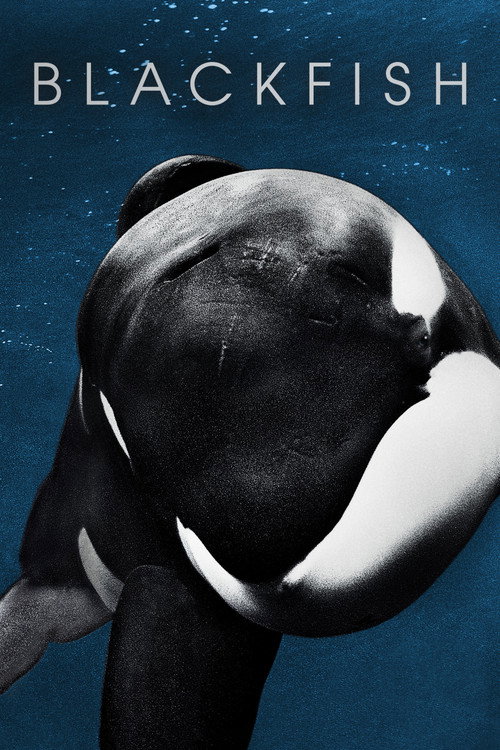
Blackfish2013
Another documentary that uses an industry's spectacle to expose darker truths beneath. It's equally unflinching about what audiences want and what that desire costs the people—or creatures—being consumed.
But Feels like a corrective film: it's arguing with you the whole time rather than simply observing. Some find that didactic rather than exploratory.
The Act of Killing2012
A documentary that trusts viewers to sit with moral complexity without being lectured. It lets perpetrators stage their own story, revealing far more about psychology and rationalization than direct accusation ever could.
But Extremely long at two and a half hours, and demands your active engagement. Passive watching won't cut it; you're doing interpretive work the whole time.

Fyre2019
Examines the machinery of modern desire and fandom—how charisma and narrative can override reality for huge audiences. It has Tokyo Idols' eye for the gap between image and truth.
But Relies on talking-head interviews with some unreliable narrators. The film itself doesn't always pin down the full story, just pieces together what it can find.

Not sure tonight? Get a pick in a minute, starting from Tokyo Idols
The wildcard
Something you would not have found on your own.
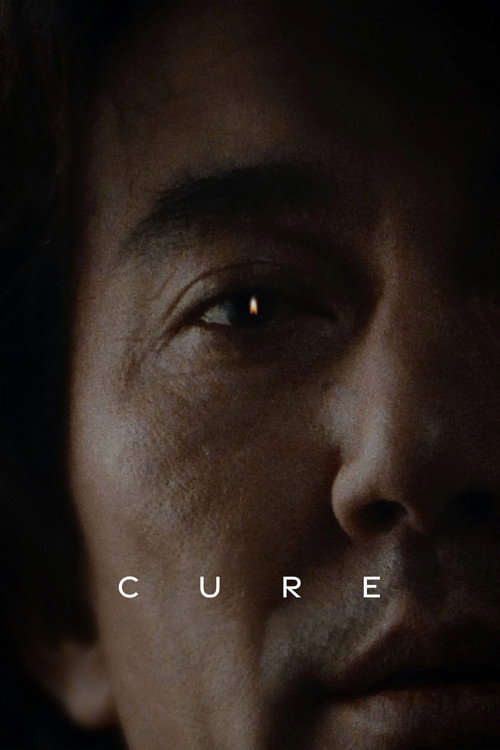
Cure1997
Both use observation and restraint to examine how desire warps human connection. One documents it in real life; the other makes that dynamic into cosmic wrongness. Same sickness, different registers.
Kiyoshi Kurosawa's film is about desire, contagion, and the vulnerability of young bodies—but as existential horror rather than anthropology. It captures the same dread about what people want from each other and what that hunger can do.
But Slow-burn psychological thriller with very little plot. It accumulates discomfort rather than narrative momentum, and some find that pretentious rather than unsettling.
More like this (5)
HyperNormalisation2016
Adam Curtis's three-hour essay on how mass media shaped modern alienation and disconnection. It has the same unsettling sense that something's gone wrong in how we relate to each other.
But It's visually dense, digressive, and sometimes vague about its own argument. Some viewers find it exhausting; others think that's the point.

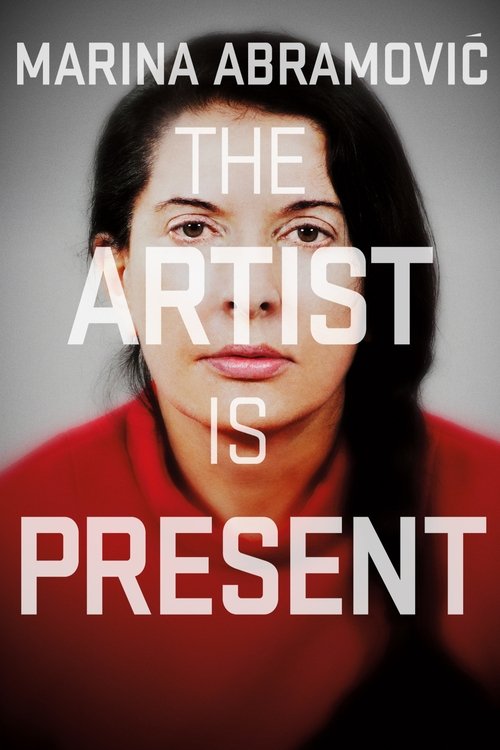
Marina Abramović: The Artist Is Present2012
A portrait of performance, endurance, and the strange intimacy between performer and audience. It shares Tokyo Idols' fascination with what happens when bodies become a medium for collective emotion.
But Takes its subject largely on faith; skeptical viewers may feel it's hagiography disguised as documentary.
Senna2010
Uses archive footage and testimony to build a portrait of obsession and the machinery that grinds talented people. The relationship between desire and destruction is central to both films.
But Speeds through context and assumes you know Formula One. Without that background, some emotional beats won't land as hard.

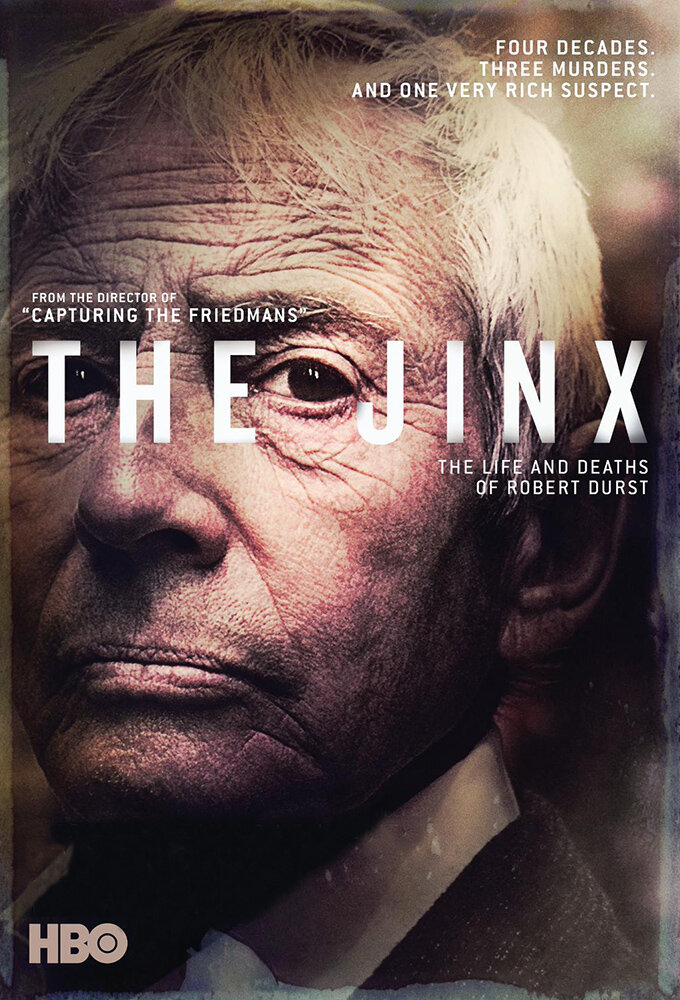
The Jinx: The Life and Deaths of Robert Durst2015
A series that examines how people present themselves to cameras and cameras to the world. The meta-investigation into performance and truth parallels Tokyo Idols' skepticism about appearance.
But Unbelievably long at six episodes. The true-crime format can feel like entertainment even when the subject matter shouldn't be entertaining.
Grey Gardens1976
A haunting portrait of two women in decay, filmed with documentary detachment. Like Tokyo Idols, it's about the gap between narrative and reality, but slower and sadder about it.
But Shot in 16mm in the mid-70s; picture quality is poor. Long passages are deeply uncomfortable and feel invasive, which some see as the point and others find exploitative.

People
Cast
- Rio HiiragiSelf
 Yuzuha OdaSelf
- Masayoshi SakaiSelf
Directing
- Kyoko MiyakeDirector
Writing
- Kyoko MiyakeWriter
Production
- Axel ArnöExecutive Producer
- Daniel CrossExecutive Producer
- Julie Di CresceExecutive Producer
- Jutta KrugExecutive Producer
- Kate TownsendExecutive Producer
- Margje De KoningExecutive Producer
- Maureen LevittExecutive Producer
- Melissa KajpustExecutive Producer
- Mette Hoffman MeyerExecutive Producer
- Mila Aung-ThwinExecutive Producer
- Nick FraserExecutive Producer
- Tore TomterExecutive Producer
- Valerie ShamashLine Producer
- Bob MooreProducer
- Felix MatschkeProducer
- Kyoko MiyakeProducer
- Marina SerraoProduction Manager