
Film
Art & Copy
Art & Copy follows the titans of late-20th-century advertising—the creatives who built Apple, Nike, and Volkswagen into cultural forces. It's a brisk, visually deft documentary about how the best advertising works like art: by understanding human desire and speaking to something true. For anyone curious how culture gets made, or who's ever wondered why certain campaigns stuck.
If you liked this
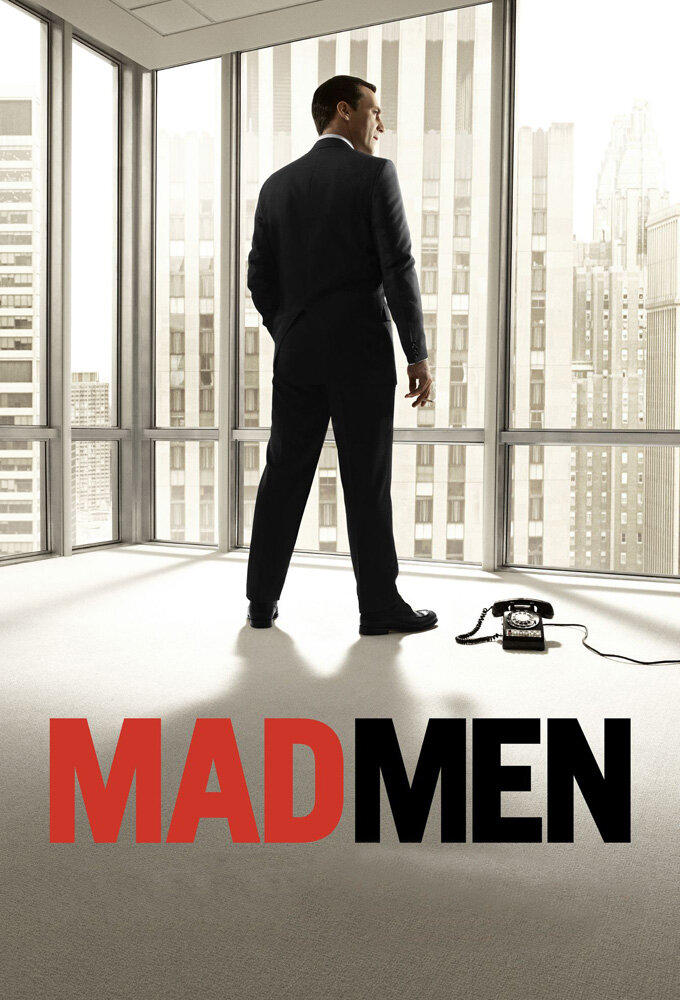
Mad Men2007
The gold standard for dramatizing advertising's creative process. Watches like a prestige novel, with Don Draper's moral complexity and the 1960s Manhattan world built with obsessive detail. A perfect companion piece to Art & Copy.
But Sixty episodes across seven seasons demands real commitment. If you're looking for quick answers about how ads work, this is the slow burn version.
Helvetica2007
Gary Hustwit's documentary about a typeface that changed everything. Same era, same sensibility—design history told through the people who lived it, with infectious enthusiasm about seemingly minor choices that matter enormously.
But A film about typography might sound dry. It isn't, but you need to be willing to care deeply about kerning and x-heights.
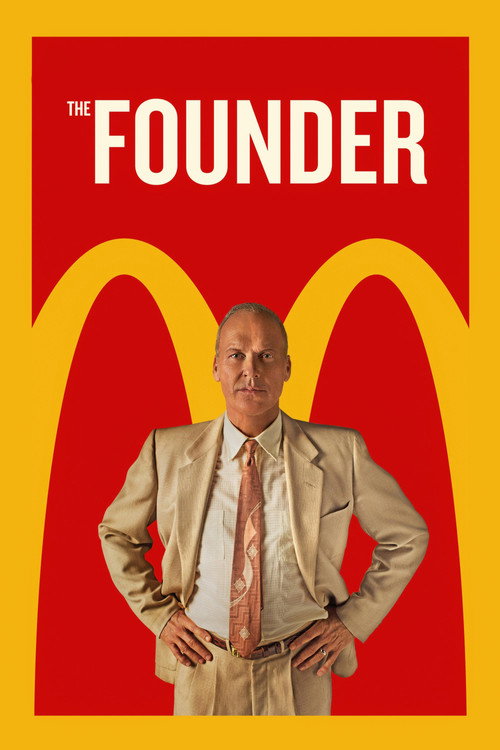
The Founder2016
Michael Keaton as Ray Kroc building McDonald's through relentless salesmanship and reinvention. It captures that same drive to shape how people think and behave—advertising's darker twin.
But The film simplifies real history and Keaton's charm can feel manipulative, which may or may not be intentional on the filmmakers' part.
Not sure tonight? Get a pick in a minute, starting from Art & Copy
The wildcard
Something you would not have found on your own.
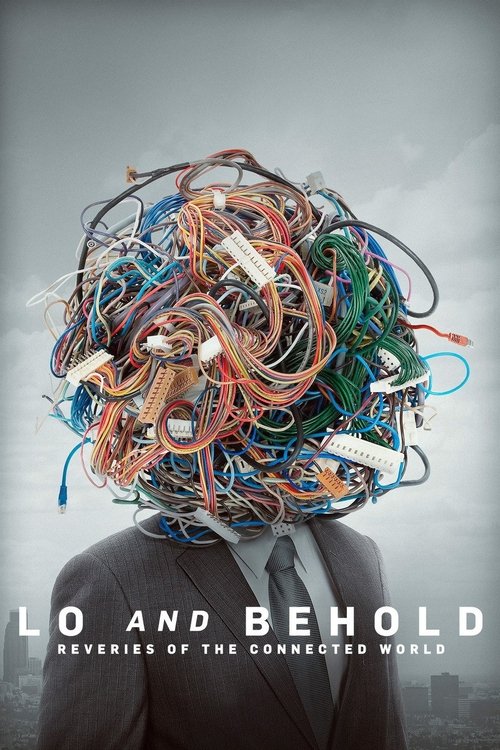
Lo and Behold: Reveries of the Connected World2016
Both are about invisible systems reshaping how people think and want. Art & Copy celebrates the craft; Herzog asks what it costs.
Werner Herzog's documentary about the internet treats it with the same reverence Art & Copy reserves for advertising: as a force that rewired human consciousness. His narration transforms tech history into something mysterious and melancholy. Shockingly moving.
But Herzog's sensibility is maximalist and oddly gloomy. If you want an optimistic documentary, this isn't it. Also, internet-as-savior feels dated now.
More like this (5)
Objectified2009
Hustwit again, now on design and products. Interviews with the people who made things you use every day. Same year as Art & Copy; same mission of making invisible decisions visible.
But If you're not already interested in how objects get designed, the talking-heads format won't convert you.
The Social Network2010
Sorkin's screenplay about Facebook's creation has the same velocity and moral ambiguity as the best advertising stories: how do you sell something—a product, an idea, yourself—and what does it cost?
But The real story is messier and less dramatically satisfying than this version. Also, it's aged into a relic of the 2010s' tech optimism.
Thank You for Smoking2005
A sharp satire about a tobacco lobbyist's persuasion tactics. Proves that advertising's best stories are often about the mechanism itself—how to make people want what's bad for them.
But The cynicism is relentless and the protagonist is never really called to account. If you need your satires to end in redemption, this won't satisfy.
The King of Kong: A Fistful of Quarters2007
A documentary about obsession and performance in 1980s arcade culture. Low-stakes stakes, but the same energy: how people will go to impossible lengths to make an impression.
But It's silly and slight, and the real-world drama doesn't resolve satisfyingly. Fine for a Wednesday night, not essential.
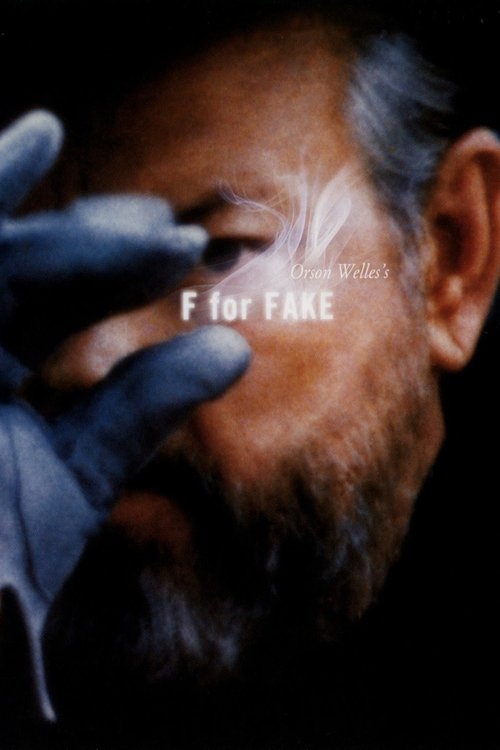
F for Fake1973
Both explore the mechanics of persuasion. Where Art & Copy says 'admire the craft,' Welles says 'consider your complicity.'
Orson Welles's essay-film about deception, authenticity, and the creation of belief. Technically about art forgery, but it's really about how good storytelling—advertising, essentially—makes people believe in false things. Dazzling, playful, profound.
But Made in 1973 and formally experimental. It requires active watching and you'll need to think about what it means after it's over.
People
Cast
- Lee ClowHimself
- Jim DurfeeHimself
- Cliff FreemanHimself
- Jeff GoodbyHimself
- George LoisHimself
- David KennedyHimself
Directing
- Doug PrayDirector
Production
- David BaldwinExecutive Producer
- Gregory BeauchampExecutive Producer
- Kirk SouderExecutive Producer
- Jimmy GreenwayProducer
- Michael NadeauProducer