
Film
Killing for Love
A true-crime documentary that reopens a 1985 double murder in Virginia, dramatized through voice performances. Filmmakers spent three years investigating whether the convicted couple—a privileged young woman and her German boyfriend—were actually guilty. It's methodical and absorbing rather than sensational, using animation to reconstruct contested events and interrogate how certainty crumbles under scrutiny. For viewers hungry for cases that genuinely complicate rather than confirm.
If you liked this
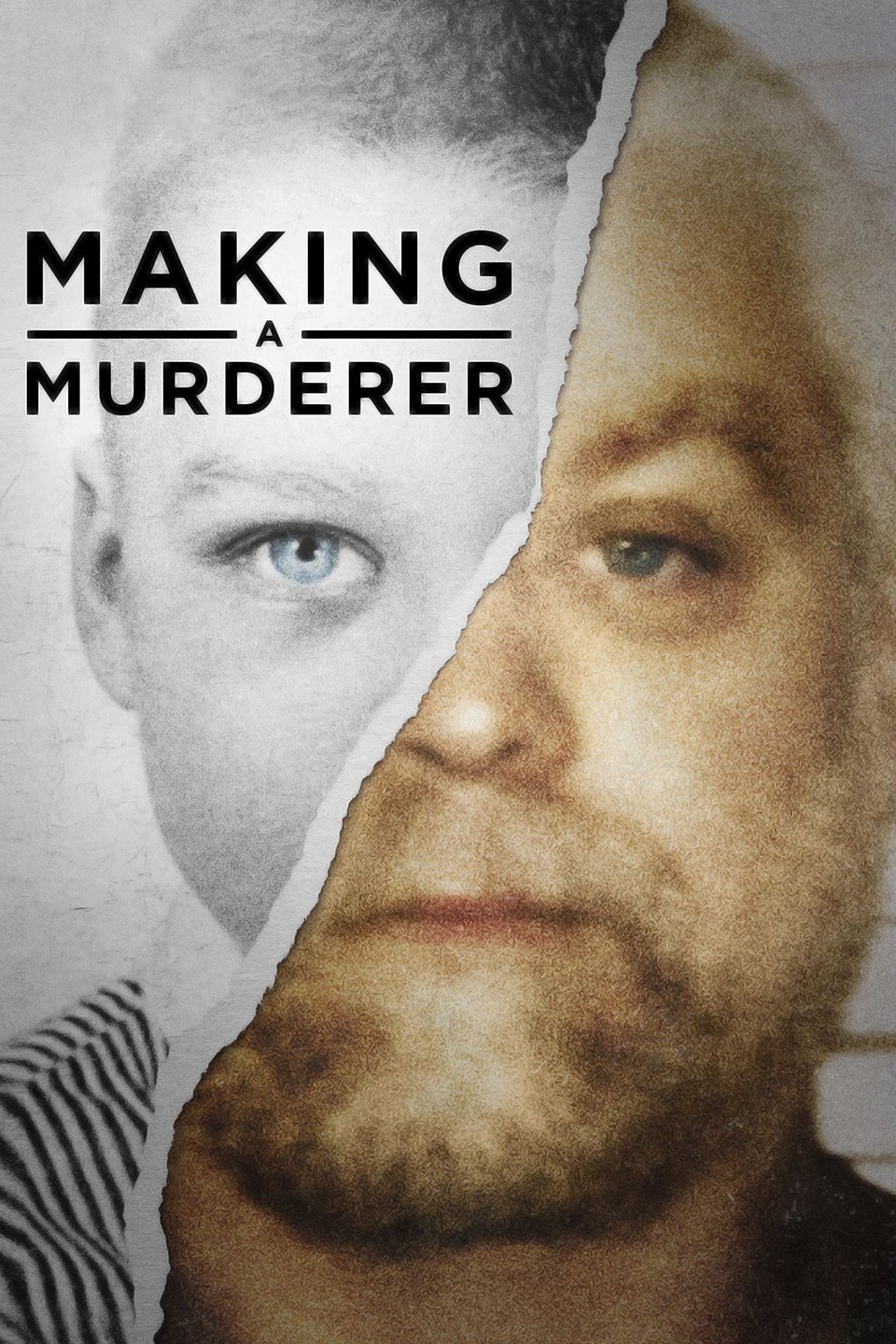
Making a Murderer2015
A masterclass in how legal systems can trap the innocent. Season one shares this film's commitment to excavating suppressed evidence and following a real investigation to uncomfortable conclusions about institutional failure.
But Ten hours is a commitment, and the case sprawls messily. Some viewers find the filmmakers' advocacy overbearing rather than persuasive.
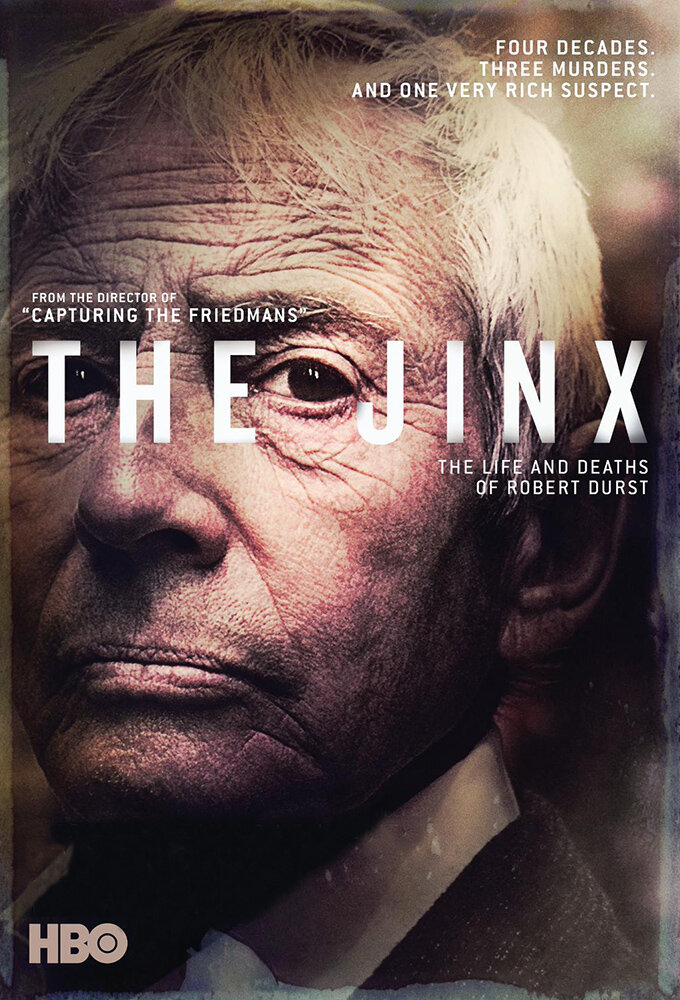
The Jinx: The Life and Deaths of Robert Durst2015
Investigative documentary that uses interviews, archives, and reconstruction to examine whether a wealthy man evaded justice for three murders. Same patient skepticism about how conviction happens and what evidence actually means.
But It's six episodes of mounting dread with a protagonist who is genuinely unsettling to watch. Some find it exploitative rather than illuminating.
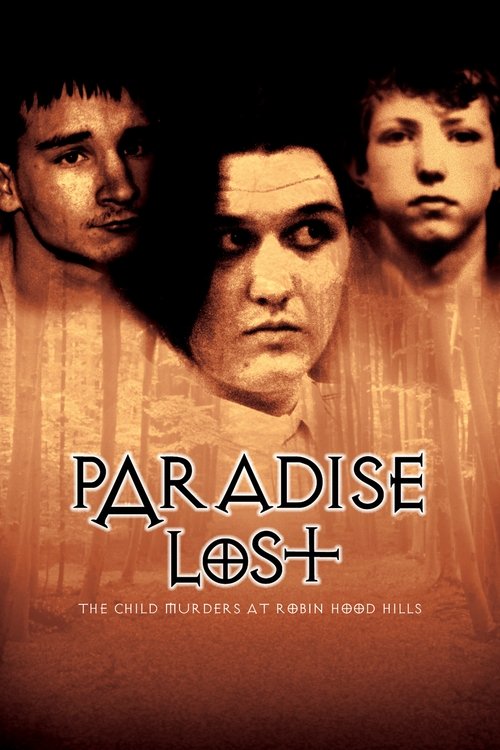
Paradise Lost: The Child Murders at Robin Hood Hills1996
Three teenagers convicted of a satanic cult murder in Arkansas. This 1996 doc challenges the conviction with the same rigorous doubt—wrong people in prison, evidence mishandled, hysteria mistaken for facts.
But It's shot in the gritty '90s style and can feel slow. The case's true resolution remains ambiguous, which frustrates viewers seeking closure.
Not sure tonight? Get a pick in a minute, starting from Killing for Love
The wildcard
Something you would not have found on your own.
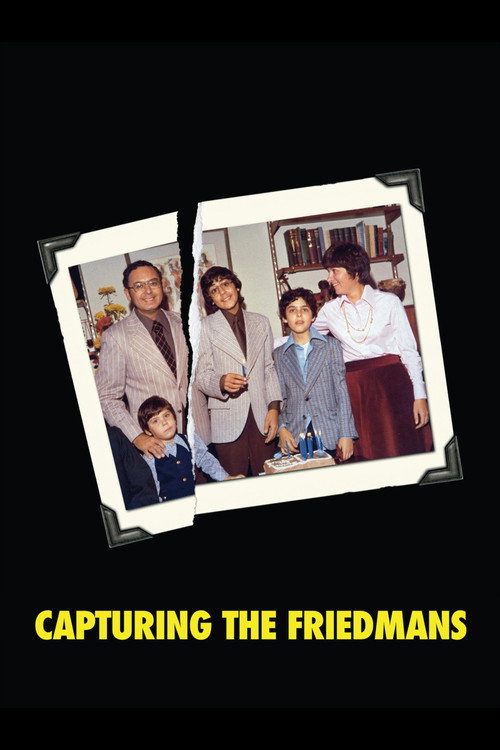
Capturing the Friedmans2003
Both use the artifice of reconstruction and voice-performance to question how we authenticate crime, and both suggest that certainty itself might be the problem.
A family destroyed by child-abuse accusations in the 1980s. Uses home video, court footage, and interviews to ask whether we can ever really know what happened inside another family. Shares this film's gnawing doubt and the way animation of someone else's crime becomes a version of the truth.
But Deeply uncomfortable—not because it's thrilling, but because the ambiguity about guilt never settles. Some viewers feel it's more interested in technique than justice.
More like this (7)
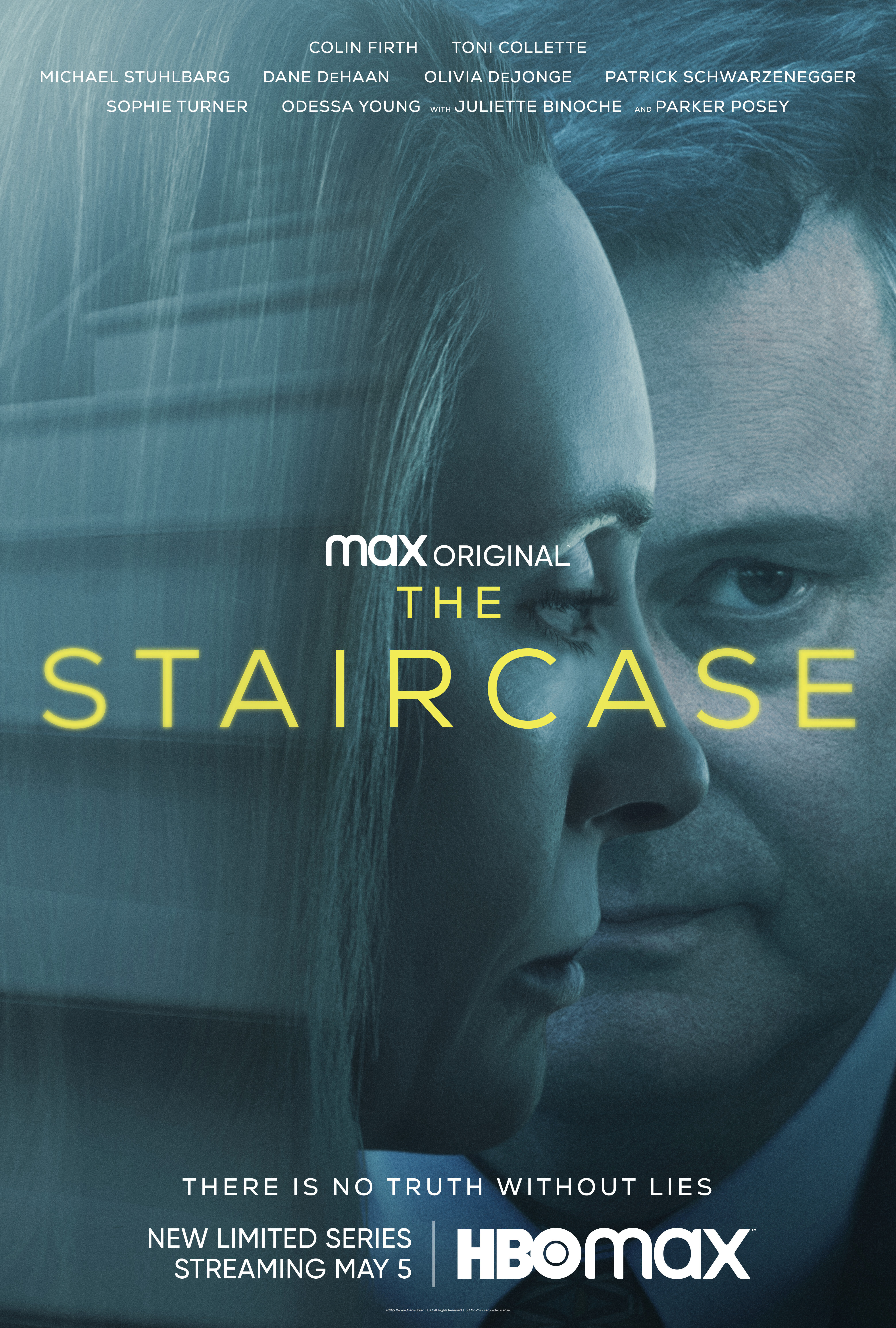
The Staircase2022
A wealthy man convicted of murdering his wife; thirteen hours examining whether he really did it. Shares this film's obsessive attention to forensic detail and the performative nature of guilt in a courtroom.
But Enormously long and deliberately repetitive—it circles the same questions because the system does too. That's the point, but it exhausts some viewers.
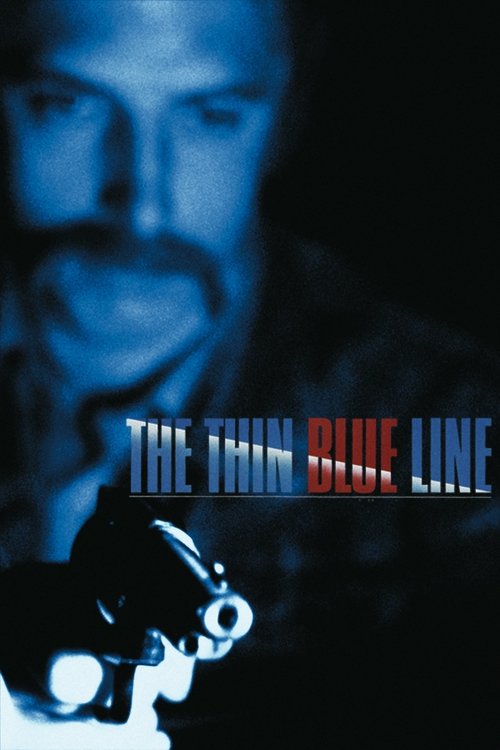
The Thin Blue Line1988
An innocent man on death row, exonerated by Errol Morris's rigorous reconstruction of a 1976 Dallas murder. The template for investigative docs that use visual imagination to expose how the wrong person can be convicted.
But It's nearly forty years old and shot on film; the aesthetic is decisively '80s. Some find the repeated crime reconstructions repetitive rather than clarifying.
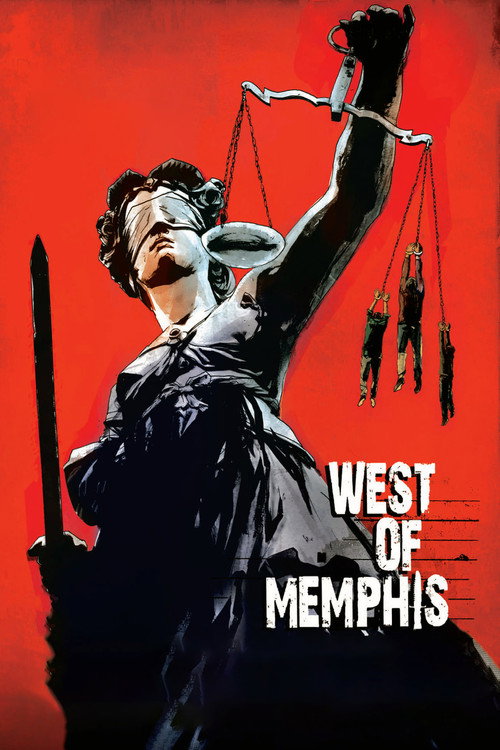
West of Memphis2012
The West Memphis Three—teenagers convicted of a ritual murder they almost certainly didn't commit. Three hours of evidence that the real killer was probably someone else, treated with documentary care and real anger.
But It's long and emotionally taxing. The true culprit is never conclusively identified, leaving a frustrating incompleteness.
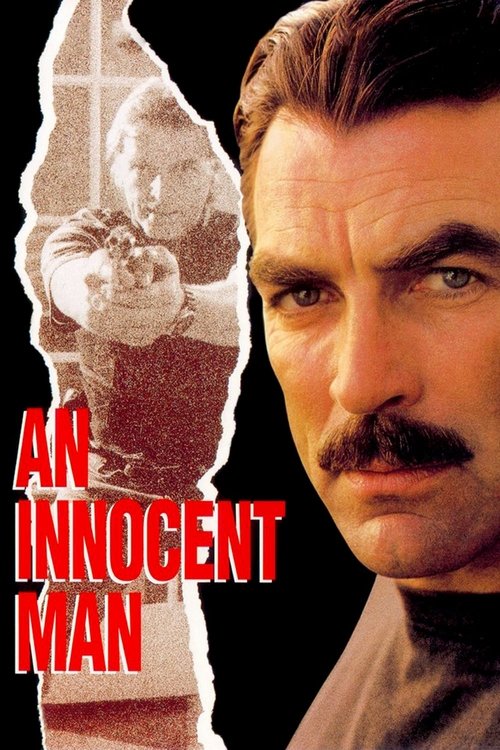
An Innocent Man1989
A man convicted of rape based on eyewitness testimony that DNA evidence later disproved. Shorter and more tightly focused than some—briskly shows how certainty can be wrong.
But Tighter focus means less depth. It moves fast enough that some viewers want more granular examination of how the system failed.
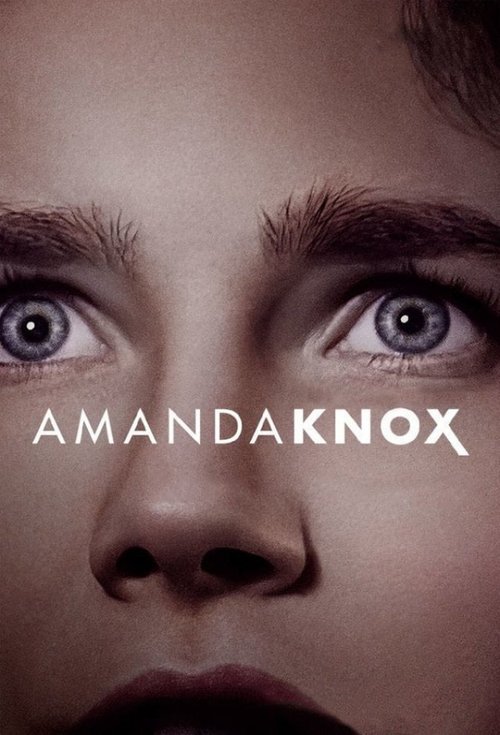
Amanda Knox2016
Released the same year as this film, it re-examines an American student convicted in Italy for a roommate's murder, then acquitted. Explores how narrative and media shape whether we believe guilt.
But Shot partly as interviews, partly as news montage. Some find the collage approach fragmented rather than clarifying.
Lo and Behold: Reveries of the Connected World2016
Both are filmed investigations by European directors into systems (justice, technology) that seem rational but operate according to hidden rules. Both use dramatization and philosophy equally.
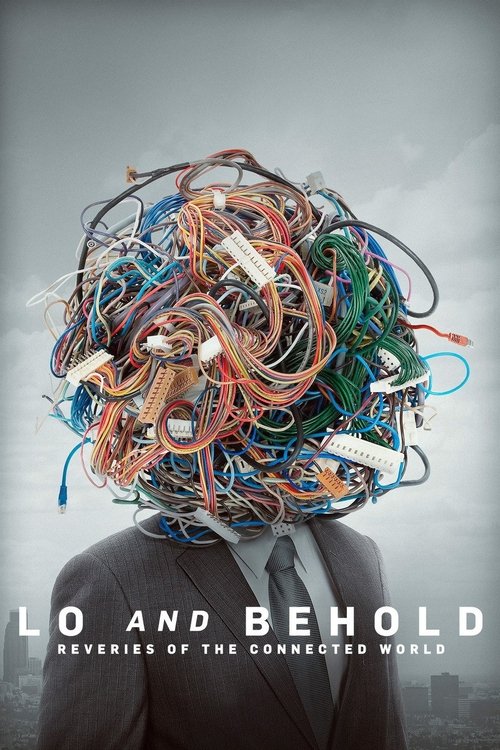
Werner Herzog's essay on the internet—not a crime story at all, but structured exactly like this film: patient investigation of a human system that traps people inside its own logic. Uses interviews and reconstruction to ask whether technology tells us the truth or imprisons us in it.
But It's a philosophical wandering rather than a narrative. Herzog's presence can feel more important than the subject, and the connections he draws can seem abstract or whimsical.
The Act2019
Both feature a young woman convicted alongside a partner, and both ask whether blame can be fairly distributed when the circumstances that created the crime are systemic and invisible.
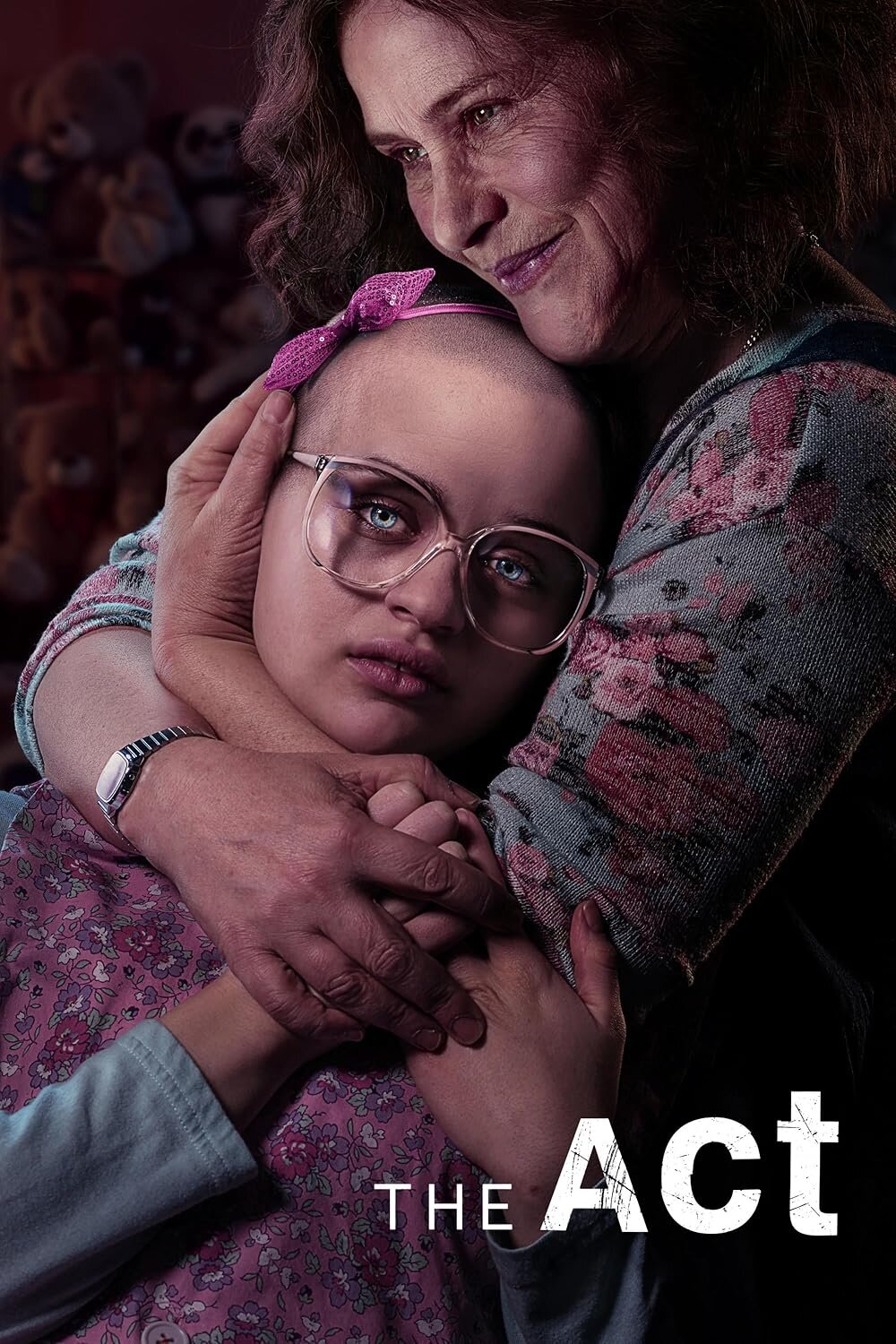
A limited series about Gypsy Rose Blanchard, imprisoned for her mother's murder. Dramatized rather than documentary, but it asks the same question: who is really guilty when the crime was enabled by deeper systems of control and delusion?
But It pivots from true-crime investigation to psychological family portrait. Some viewers want the genre to stay one thing rather than blur into drama, and the switch can feel unfaithful to the real case.
People
Cast
 Imogen PootsElizabeth Haysom (voice)
 Daniel BrühlJens Söring (voice)
- Jens SöringSelf
- Gail BallSelf
- Tom ElliottSelf
- Ricky GardnerSelf
- Gail MarshallSelf
- Chuck ReidSelf
- Carlos SantosSelf
- Ed SulzbachSelf
- William SweeneySelf
Directing
- Karin SteinbergerDirector
- Marcus VetterDirector
Writing
- Karin SteinbergerScreenplay
- Marcus VetterScreenplay