
Film
West of Memphis
A decade after the original Paradise Lost documentaries reopened the case, this film goes further, made with unprecedented access to the private investigation that eventually freed the West Memphis Three. It's dense, procedural, and quietly furious — a forensic dismantling of a wrongful conviction built on satanic-panic hysteria. Best suited to people who want the full case file, not just the outline.
If you liked this
Paradise Lost: The Child Murders at Robin Hood Hills1996
The original documentary that started it all, filmed as the case unfolded in real time. Watching it now, knowing what came after, is genuinely eerie — you see the railroading happen live.
But Rougher, slower, and more ambiguous than the later films — it doesn't yet have the benefit of hindsight or DNA evidence.
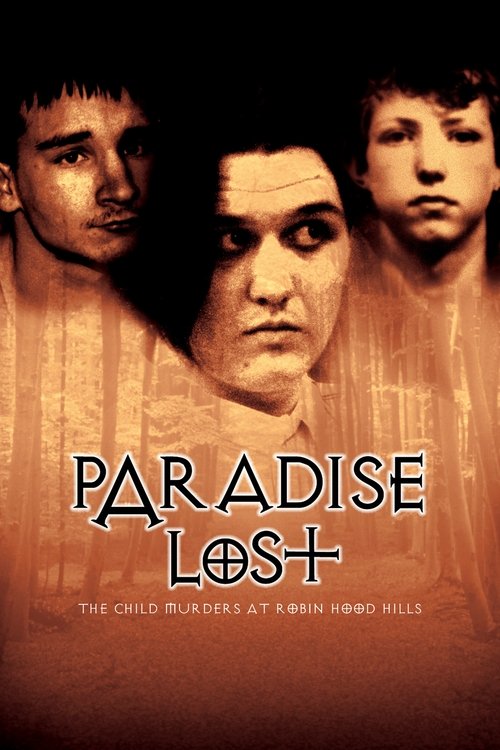
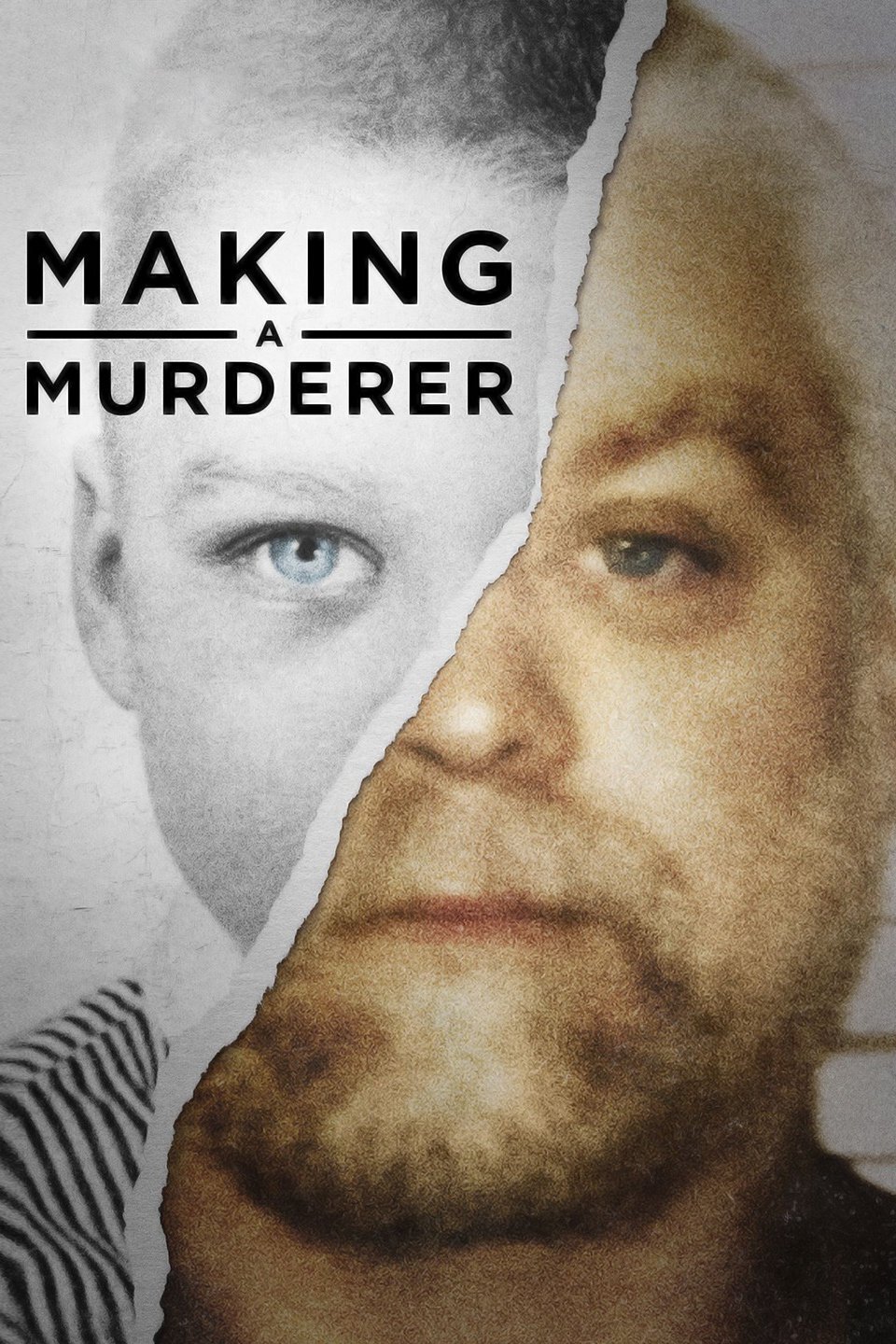
Making a Murderer2015
The series that turned wrongful-conviction documentaries into a genre unto itself. Same slow-burn fury at small-town police and prosecutors bending facts to fit a story they'd already decided on.
But Ten hours is a big ask, and its editorial choices have been debated almost as much as the case itself.
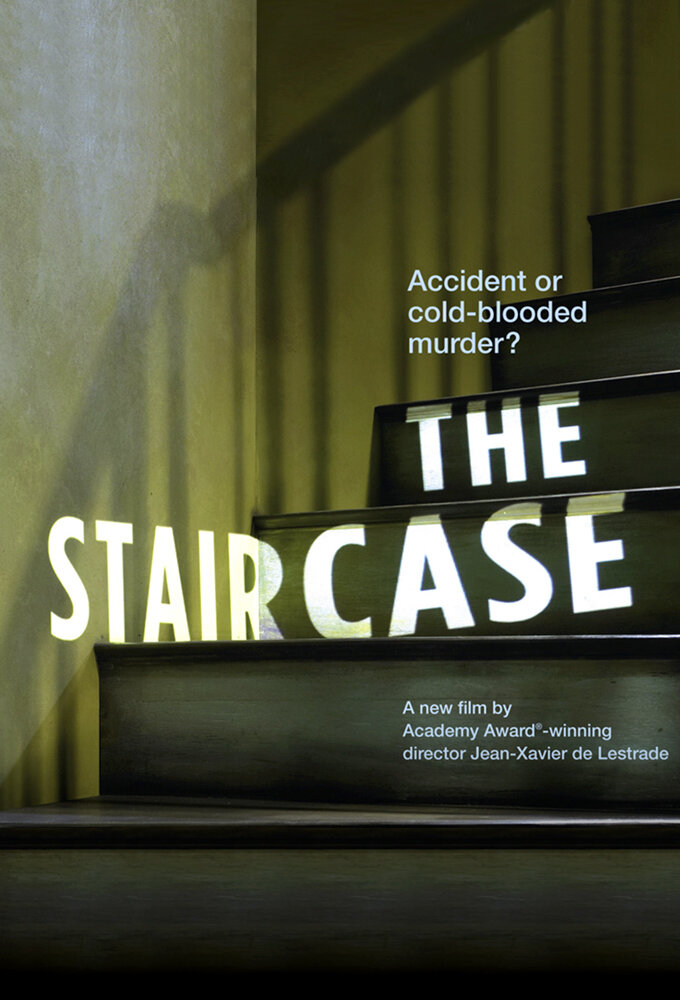
Soupçons2004
An extraordinary inside view of a defense team building a case, filmed with total access over years. If you loved the procedural detail here, this goes even deeper.
But It's long, French-inflected in pacing, and never gives you a tidy answer about guilt or innocence.
The wildcard
Something you would not have found on your own.
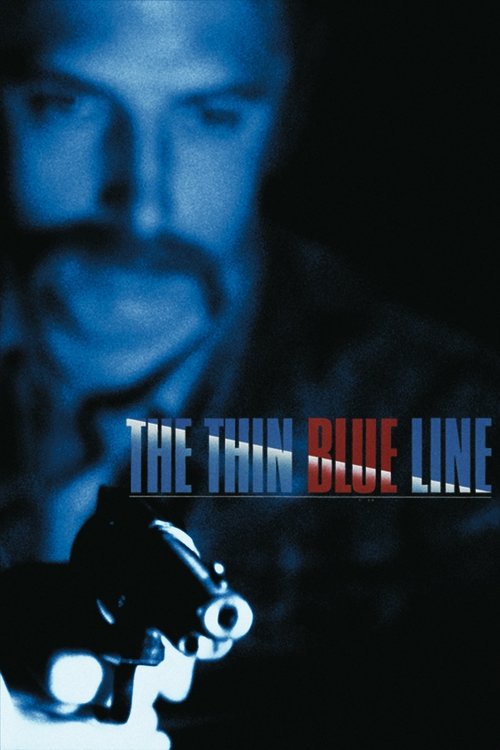
The Thin Blue Line1988
This is the film that invented the modern wrongful-conviction documentary — every access-driven, justice-seeking film since, including this one, is working in its shadow.
Errol Morris's stylised, dreamlike reconstruction of a wrongful murder conviction actually got an innocent man released from death row — the first documentary to do it, decades before this one.
But Its arty reenactments and eerie score feel closer to a thriller than a procedural; some find the stylisation distracting from the facts.
More like this (8)
Capturing the Friedmans2003
Another case tangled up in 1980s and 90s moral panic, told through devastating home-movie footage. It asks the same question — what did we convict, the crime or the fear?
But Messier and more morally uncomfortable; it refuses to let anyone, including the family, look fully sympathetic.
The Central Park Five2012
Ken Burns turns his attention to another group of teenagers convicted by public panic and a broken system. Infuriating in exactly the same register as this film.
But Heavier on archival talking-heads structure, lighter on the granular investigative detail true-crime fans often want.
Dear Zachary: A Letter to a Son About His Father2008
A documentary that starts as one thing and becomes something far more devastating. Proof of how personal, one-sided access can hit harder than any objective account.
But It is emotionally brutal in a way that's hard to prepare for — go in rested.
The Innocence Files2020
An anthology series unpacking multiple wrongful convictions with forensic rigor, produced with the actual Innocence Project. Great if you want the case-file feeling spread across several stories.
But Anthology format means less time with any single case, and the tone is drier and more clinical.
Murder on a Sunday Morning2001no page yet
A quieter, less famous film about a teenager coerced into a false confession. Smaller in scale but just as damning about how easily police extract the story they want.
But Little-known and unglamorous — no celebrity backers, no big reveal, just methodical injustice.
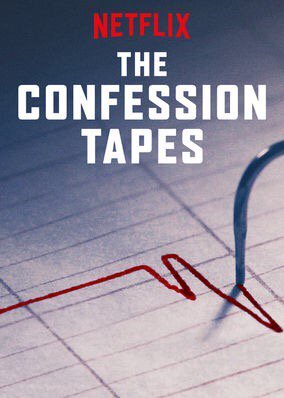
The Confession Tapes2017
A whole series built around the mechanics of false confession, the same horror at the center of this case. Good if that specific element is what stuck with you most.
But Repetitive by design — several cases, same argument, which can feel like diminishing returns by episode four.
Devil's Knot2013no page yet
Same case, same year, opposite medium: fiction can dramatize interior fear and small-town suspicion in ways a documentary, bound to what was filmed, cannot.
A dramatized feature about this exact case, with Reese Witherspoon and Colin Firth, made the same year as this documentary. Seeing the events reenacted rather than assembled from footage hits differently.
But Reviews were mixed — it flattens some of the case's genuine ambiguity into more conventional courtroom-drama beats.
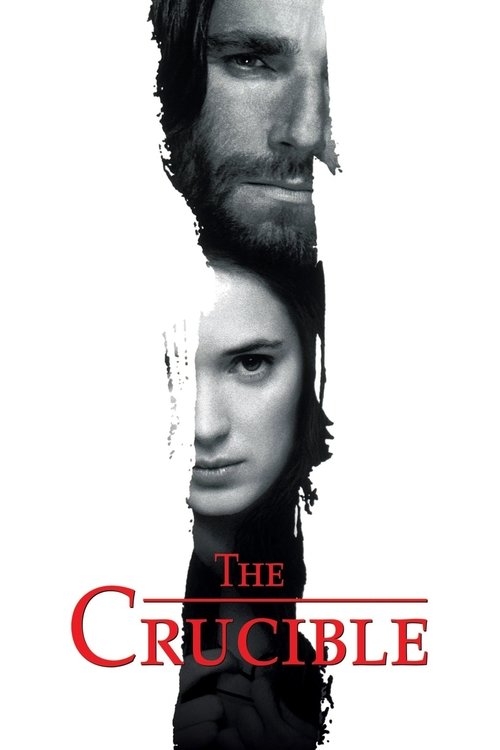
The Crucible1996
Both are studies of how a frightened community manufactures certainty from nothing — satanic panic in 1990s Arkansas and 1690s Massachusetts run on the same engine.
Arthur Miller's Salem witch trials, dramatized with Winona Ryder and Daniel Day-Lewis, is the clearest ancestor of the moral panic that convicted these teenagers — communal fear curdling into certainty of guilt.
But It's a period costume drama with heightened theatrical dialogue, a world away from the flat realism of true crime.
People
Cast
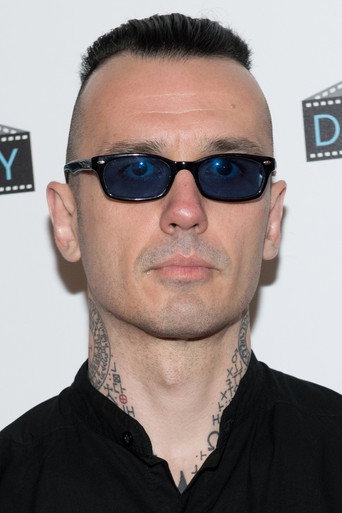 Damien EcholsSelf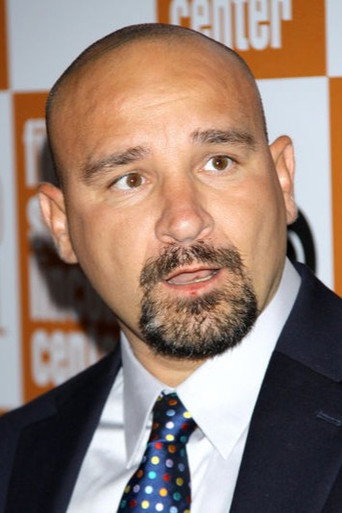
 Jason BaldwinSelf
- Pam HobbsSelf – Stevie Branch's Mother
- Steve JonesSelf – Former Juvenile Officer, Crittenden County
- John FoglemanSelf – Former Deputy Prosecutor
- Jerry DriverSelf – Former Juvenile Corrections Officer
- Sharon FrenchSelf – Juror #9 - Echols/Baldwin Trial
- Lorri DavisSelf – Damien's Wife
- Mara LeverittSelf – Author - "Devil's Knot"
- Martin HillSelf – Case Researcher
- Dan StidhamSelf – Defense Attorney for Jessie Misskelley
Directing
- Amy J. BergDirector
Writing
- Amy J. BergWriter
- Billy McMillinWriter
Production
- Alejandra RigueroAssociate Producer
- Katelyn HowesAssociate Producer
- Matt DravitzkiCo-Producer
- Ken KaminsExecutive Producer
- Dan KaplowLine Producer
- Tina ElmoLine Producer
- Amy J. BergProducer
- Damien EcholsProducer
- Fran WalshProducer
- Lorri DavisProducer
- Peter JacksonProducer
Recommended by
Prisoners, The Thin Blue Line, Paradise Lost: The Child Murders at Robin Hood Hills, Into the Abyss, The Innocence Files