
Television series
Trial 4
A taut four-part documentary following Sean K. Ellis's decades-long fight to overturn his 1993 murder conviction in Boston. It's investigative journalism at its sharpest—unpacking institutionalized racism, forensic corruption, and police misconduct through one man's relentless pursuit of exoneration. Essential viewing for anyone who cares about how justice actually works.
If you liked this
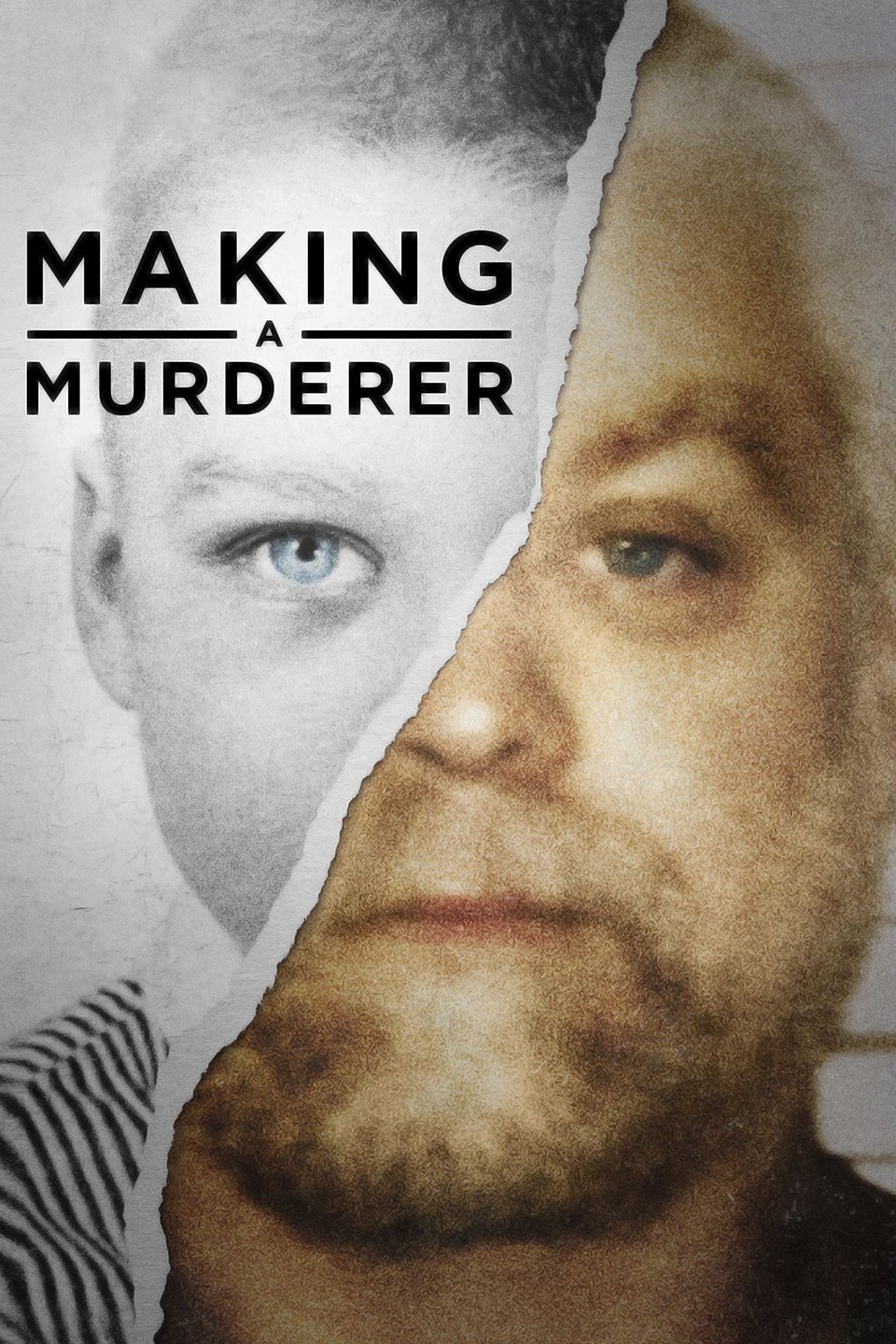
Making a Murderer2015
Parallels Ellis's journey through meticulous investigation of a contested conviction, asking hard questions about evidence, bias, and who gets believed. Equally enraging and compulsively watchable.
But Its length and emotional manipulation can feel designed to make you angry rather than inform you clearly. Some viewers find it didactic.
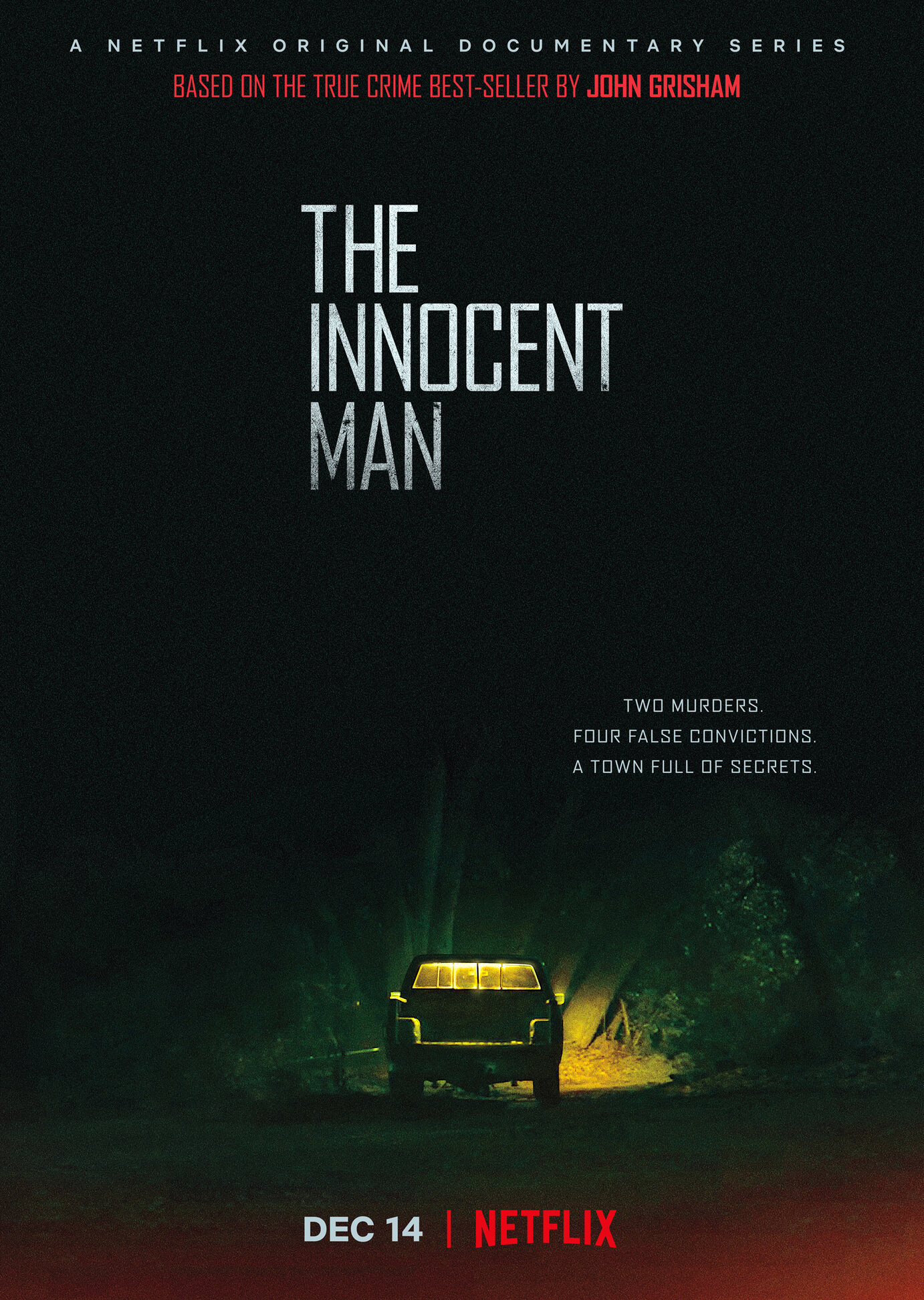
The Innocent Man2018
Documents real wrongful convictions with the same forensic attention to police misconduct and systemic failure. Shorter and tighter than similar docs, focused on exoneration itself.
But Less narratively elegant than Trial 4—it sprawls across multiple cases rather than maintaining singular focus, which dilutes emotional impact.
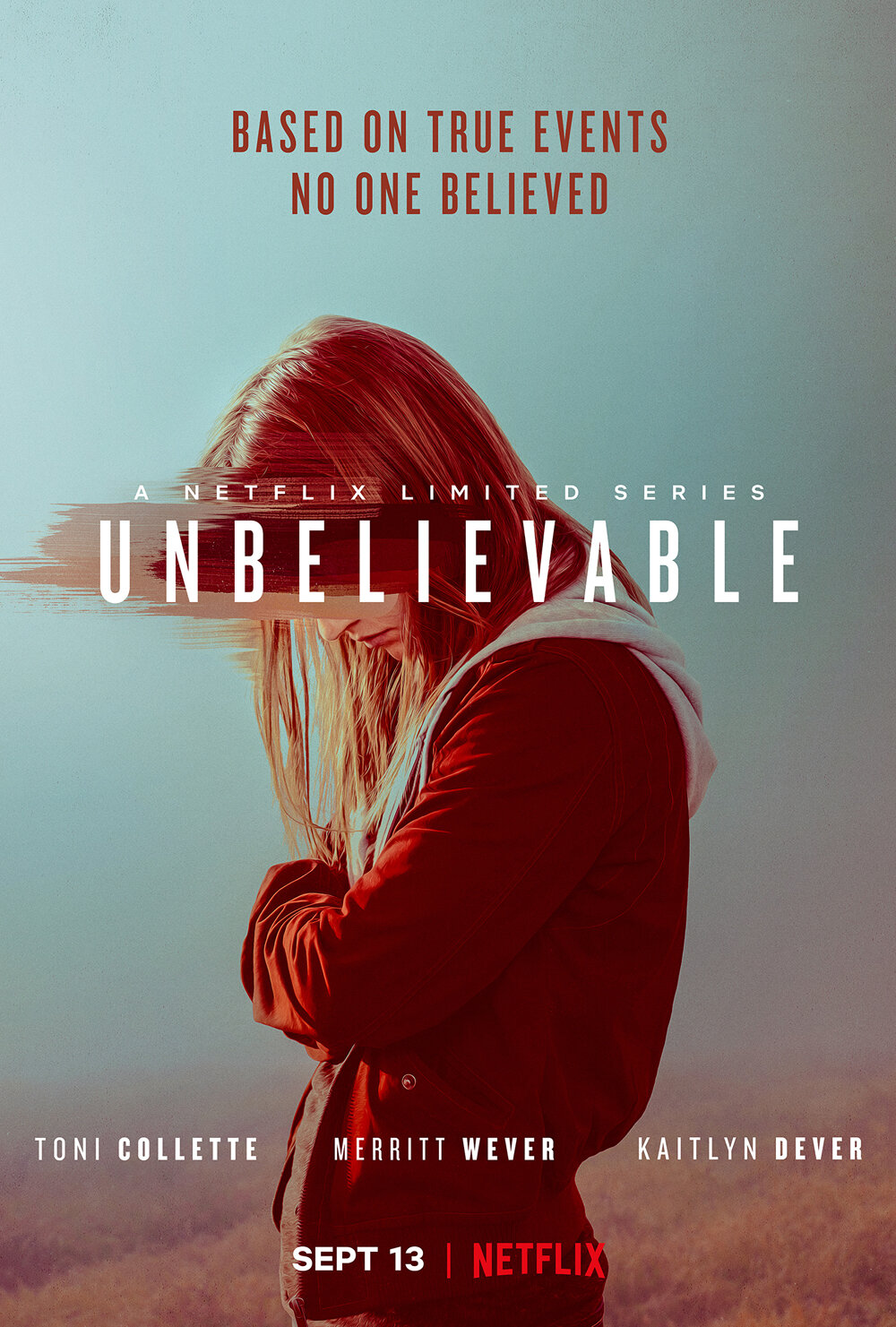
Unbelievable2019
A dramatic retelling of serial rape investigations that hinges on institutional distrust and how systems fail victims. Superb acting and a structure that makes injustice visceral.
But It's a dramatization, not documentary, so the truth gets shaped for narrative. Some find the tonal shifts between perspectives jarring.
Not sure tonight? Get a pick in a minute, starting from Trial 4
The wildcard
Something you would not have found on your own.
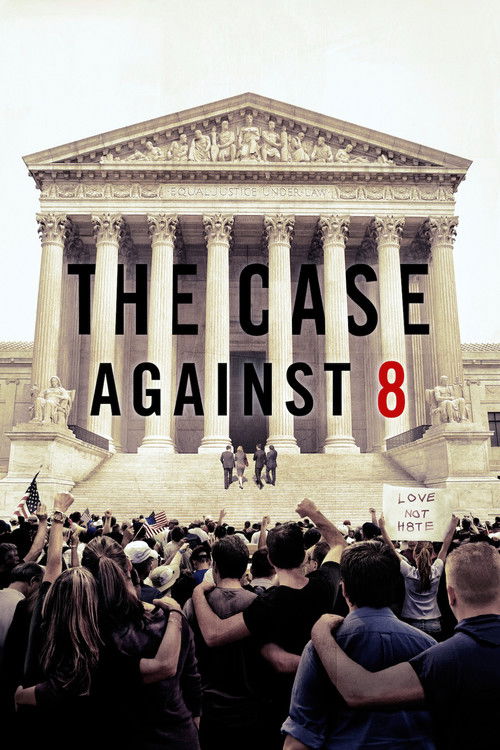
The Case Against 82014
Both are intimate portraits of systemic injustice exposed through one legally meticulous battle—but where Trial 4 asks 'how do we fix what's broken?', this one shows a win and asks 'was it enough?'
Inverses Trial 4's DNA entirely—it's about a *successful* legal fight against institutional injustice, following the lawyers who challenged California's marriage equality ban. Same investigative rigor, opposite outcome.
But It's about constitutional law and marriage equality rather than criminal justice, so the stakes feel abstract to some. The timeline compresses complex litigation.
More like this (7)
The Confession Tapes2017
Investigates false confessions and coercive interrogation with the same skepticism toward authority. Each episode is its own case study in how the system breaks.
But Anthology format means you're never allowed to settle into one story. Some cases feel less resolved than others, which frustrates viewers seeking closure.
I'll Be Gone in the Dark2020
True crime that's also a portrait of obsession with solving injustice. Gorgeously made and deeply moving, even as it investigates a solved case.
But Interweaves the journalist's personal grief into the narrative, which some see as self-indulgent. The pacing can feel slow if you're impatient for answers.
The Staircase2022
A masterclass in documentary filmmaking about a murder conviction and the machinery of appeals. Raises real questions about evidence interpretation and expert testimony.
But It's long and baroque in structure, with multiple timelines that require attention. The subject's privilege can make it feel less urgent than other wrongful conviction stories.
Abducted in Plain Sight2017
A stranger-than-fiction case that interrogates institutional failure and family complicity. Darkly compelling and genuinely shocking, even when you know the basic story.
But The subject's parents are so baffling that the documentary becomes almost absurdist—it might feel less serious than its crime deserves.
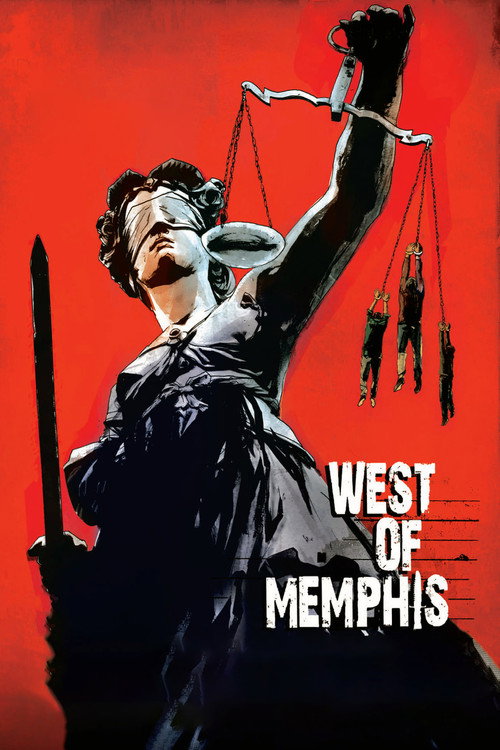
West of Memphis2012
Examines the West Memphis Three case with forensic rigor and moral clarity. Accessible entry point to wrongful conviction documentaries, beautifully assembled.
But At two hours, it's longer than Trial 4 despite covering less ground. Some feel it privileges narrative momentum over exhaustive detail.
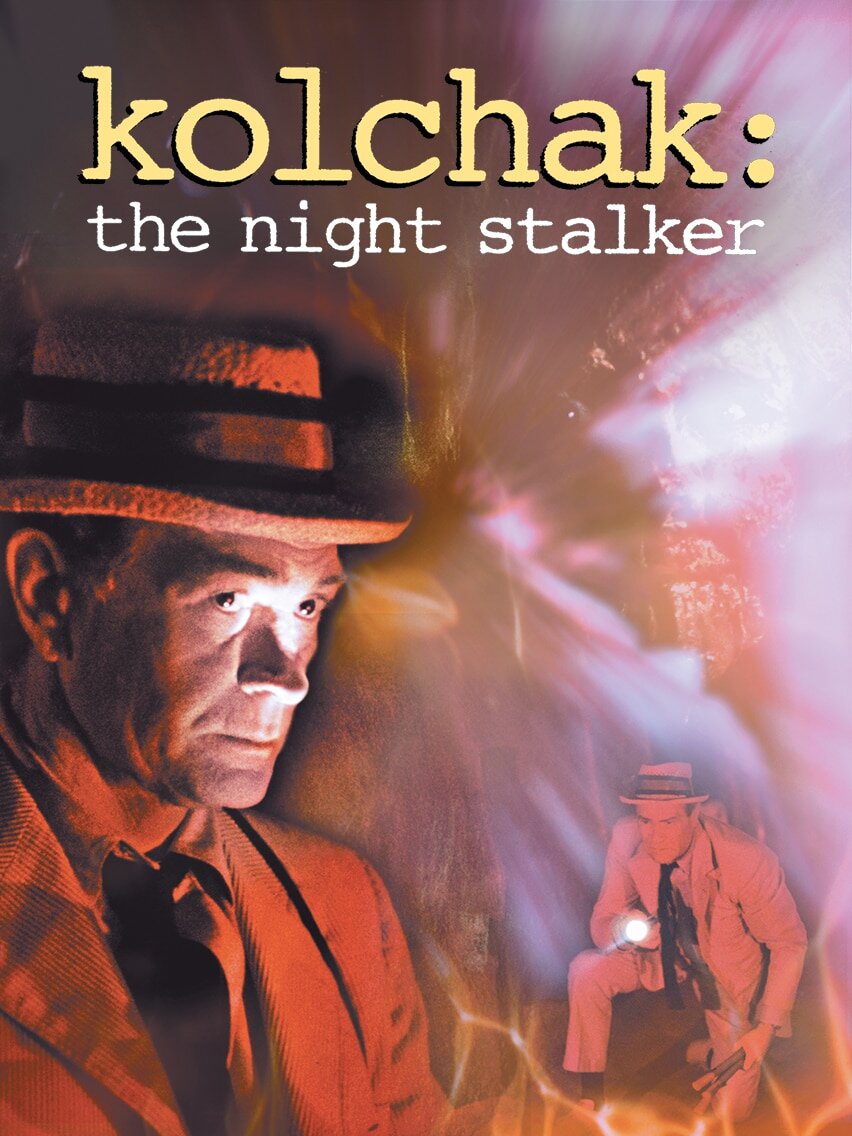
Kolchak: The Night Stalker1972
Both expose how police narrative-building can eclipse truth. Here, the system *does* catch a killer, but you see how easily the wrong person could have been convicted.
A two-part documentary that treats a serial killer investigation with journalistic skepticism, examining police methods, media hysteria, and how easily justice can misfire. Unsettling and intellectually rigorous.
But The subject matter—serial homicide—is gruesomely dark in ways that feel gratuitous to some viewers. Also requires comfort with true crime's bloodier registers.
Requiem for a Dream2000
Both document how institutions consume individuals. Trial 4 shows a man fighting the system; this shows people surrendering to one, but the anatomy of failure is the same—one broken system cannot fix another.
A feature film about systemic destruction—addiction, institutionalization, desperation—that feels forensic in its detail. Darren Aronofsky's editing makes it visceral rather than preachy.
But It's deliberately, relentlessly bleak with no redemption arc. The formal experiments (rapid cuts, split screens) will feel self-consciously stylized if you're not already with it.
