
Film
Aileen: Life and Death of a Serial Killer
- Serial killer
- Biopic
- Very dark
Nick Broomfield's unflinching follow-up to his earlier Wuornos documentary, filmed as the convicted serial killer awaited execution in Florida. It's an intimate, uncomfortable study of mental illness, institutional indifference, and the machinery of capital punishment. Essential viewing for anyone interested in true crime that refuses easy answers or moral comfort.
Should you watch it?
Watch it if you want a documentary that treats its subject as a puzzle of institutions and self-justification, where the camera's own unease and the filmmaker's presence become part of the evidence.
Skip it if you need a clear narrative arc or want a tidy verdict; this is loose, repetitive in places, and its chaos is the point, which may frustrate anyone wanting a sharp, well-ordered true-crime account.
What it asks of you: Eighty-nine minutes of close, uncomfortable attention, with long stretches of talking heads and raw interview footage that rarely hurry to explain themselves or offer relief.
Not sure? Find tonight's pick in a minute.
If you liked this
The Staircase2022
A meticulous eight-part dive into a murder conviction, it shares Broomfield's obsessive attention to how justice actually works—and fails. The obsession of the documentary-maker becomes part of the story itself.
But It's a massive time commitment, and the legal details can feel suffocating if you're not already hooked by the central mystery.
Making a Murderer2015
Two seasons of rigorous investigation into whether a man serving life was actually guilty. Like Broomfield, it asks uncomfortable questions about the state's power and the gap between conviction and truth.
But The filmmakers' bias is clear, which some viewers find manipulative rather than honest. It can feel like advocacy rather than inquiry.
The Jinx: The Life and Deaths of Robert Durst2015
Andrew Jarecki sits across from a probable murderer over many hours. The confrontation between filmmaker and subject has the same queasy intimacy as Broomfield's work—you're watching someone reveal themselves.
But Long stretches are repetitive, and it can feel like Jarecki is performing his own cleverness rather than serving the story.
Not sure tonight? Get a pick in a minute, starting from Aileen: Life and Death of a Serial Killer
The wildcard
Something you would not have found on your own.
Gacy2003
Both films refuse to let the killer be a simple monster or a comprehensible human—they hold the contradiction without resolving it. Neither is interested in explaining evil, only documenting it.
József Sárhegyi's Hungarian film is a straightforward dramatization of John Wayne Gacy's crimes, but shot with such deadpan horror and refusal of sensationalism that it becomes a different kind of truth-telling. It's what happens when you show rather than judge.
But It's graphic, blunt, and European in its willingness to sit with ugliness. Many will find it gratuitously cruel rather than illuminating.
More like this (8)
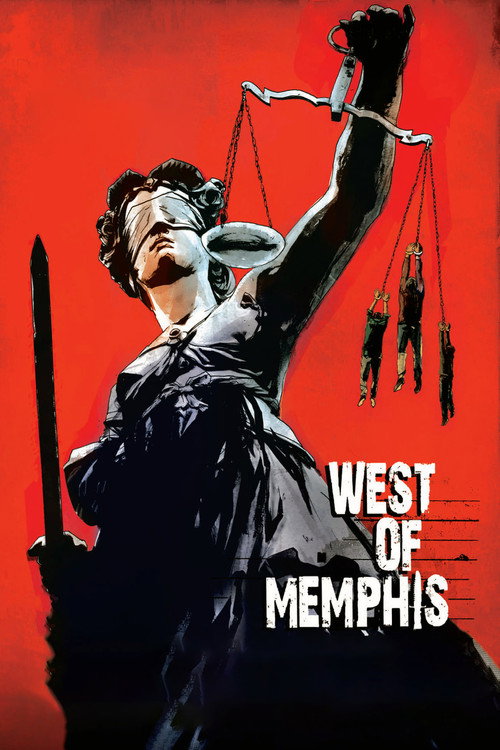
West of Memphis2012
Peter Jackson investigates the West Memphis Three case with Broomfield's same willingness to follow the evidence wherever it leads, even when it implicates powerful people. Deeply researched and morally serious.
But At two hours forty, it demands patience. Some sequences move slowly, and you need to stay attentive to follow the case details.
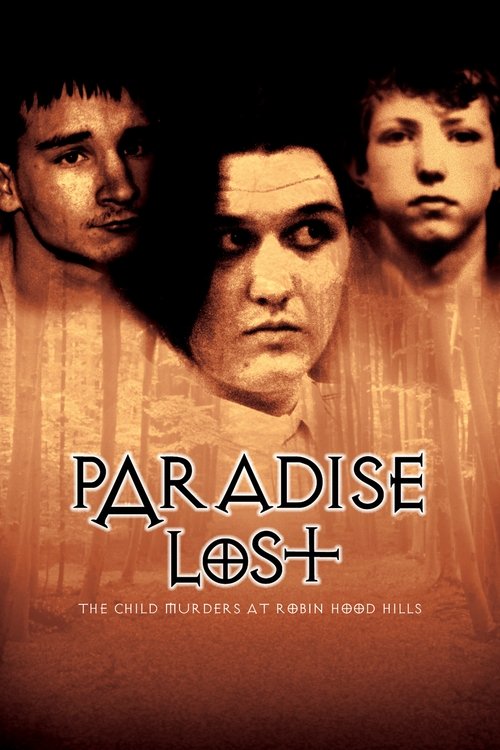
Paradise Lost: The Child Murders at Robin Hood Hills1996
Joe Berlinger and Bruce Sinofsky's original documentary on the same case that inspired West of Memphis—raw, immediate, and genuinely unresolved. A masterclass in letting evidence speak without neat conclusions.
But The production quality is dated, and the three-part structure means real commitment. It also covers trauma involving children, which some find unwatchable.
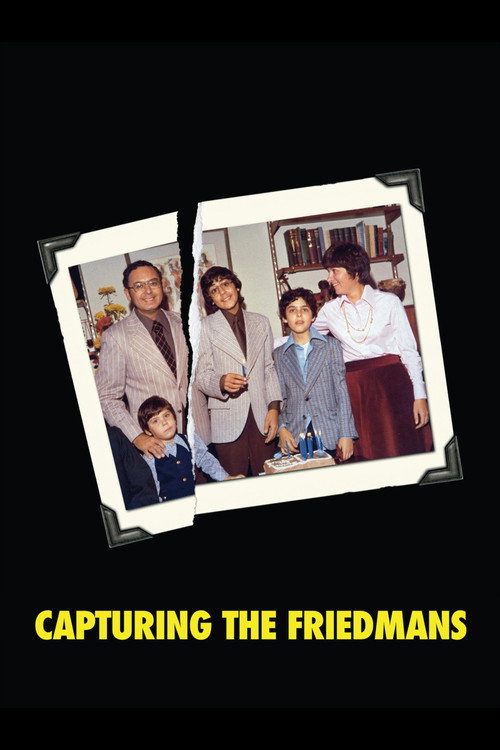
Capturing the Friedmans2003
Andrew Jarecki's debut is Broomfield-adjacent: a family in crisis, a documentary camera, and the question of what's true when everyone's story contradicts. Deeply unsettling and unnervingly human.
But It's deliberately ambiguous about guilt and innocence in ways that frustrate viewers looking for answers. Some find it deeply exploitative.
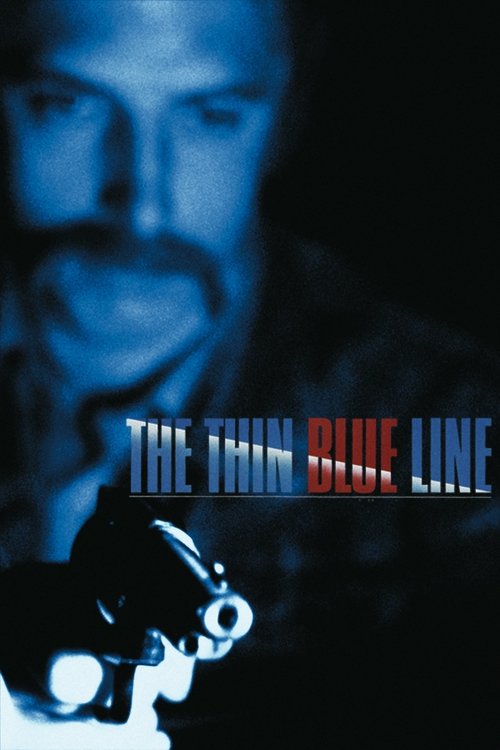
The Thin Blue Line1988
Errol Morris proved a documentary could solve a murder and interrogate the nature of truth simultaneously. The influence on Broomfield is direct: obsessive, stylish, and ethically serious.
But The animated reconstructions look dated now, and some viewers find Morris's stylization at odds with the gravity of wrongful conviction.
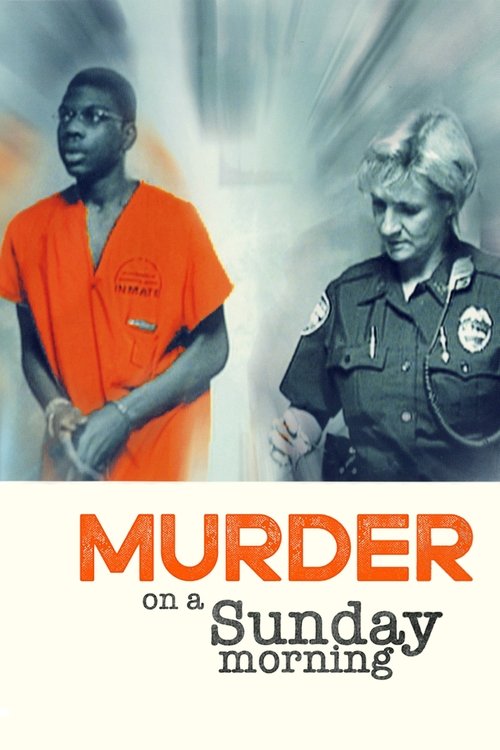
Murder on a Sunday Morning2001
Jean-Xavier de Lestrade's Oscar-winning film follows a murder trial in real time, showing how easily conviction happens regardless of evidence. Broomfield's documentary DNA, but French and procedurally tight.
But It's more procedural than personal—less access to interiority than you might want. The pacing is measured rather than dramatic.
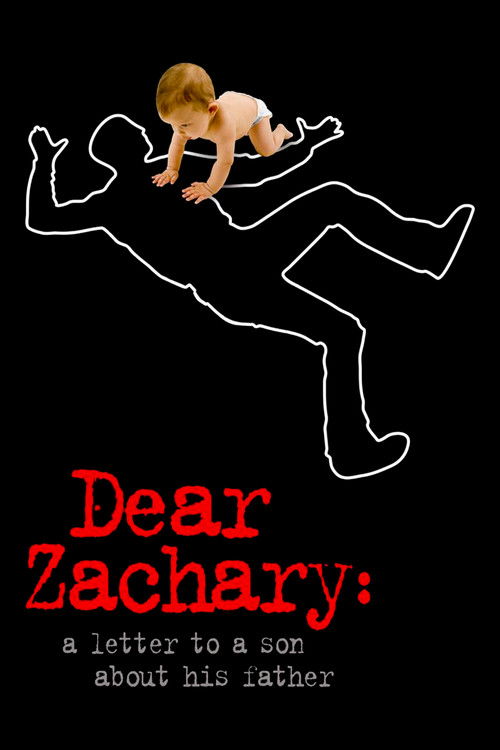
Dear Zachary: A Letter to a Son About His Father2008
Kurt Kuenne's documentary about a murder case becomes something stranger—a meditation on grief, documentation, and what we do with the camera when the people we film are gone. Devastating and formally inventive.
But It's emotionally brutal and operates on gut-level manipulation rather than intellectual argument. Not for viewers wanting distance or analytical clarity.
The Act of Killing2012
Both use documentary's access to capture a brutal state apparatus at work. Oppenheimer films perpetrators; Broomfield films a victim of that system. Both ask: what does the camera owe to the people it films?
Joshua Oppenheimer's Indonesian documentary asks death squad leaders to recreate their own killings on film. It's about state violence, memory, and the obscenity of unaccountable power—Broomfield's same terrain, but inverted: here the killers are still free.
But It's conceptually demanding and politically heavy. The use of genre reconstruction (musical numbers, action scenes) strikes some as inappropriate to the subject matter.

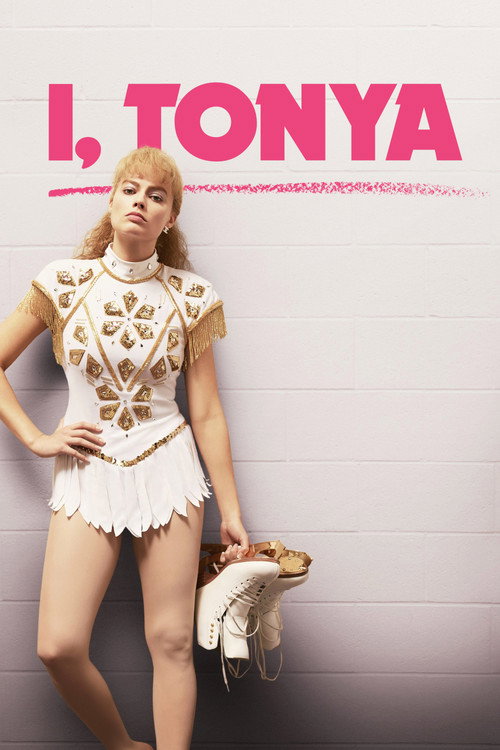
I, Tonya2017
Like Broomfield's film, it's fundamentally about the gap between the person and the narrative. Both ask: what do we owe to people we've already decided to hate?
Craig Gillespie's dramatization of Tonya Harding uses fractured narrative, fourth-wall breaks, and contradiction to show how a person becomes a villain in the public imagination. It's a study of how we tell stories about people we've already condemned.
But It's a fiction, not a documentary, which some viewers resent when the film seems to be asking for sympathy for its subject. Others find the stylistic choices gimmicky.
People
Cast
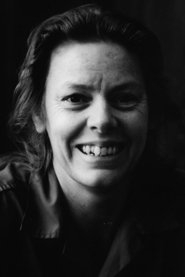 Aileen WuornosSelf (archive footage)
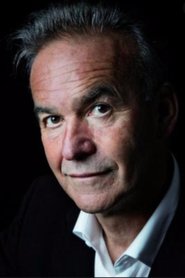 Nick BroomfieldSelf
- Diane WuornosSelf
- Arlene PralleSelf (archive footage)
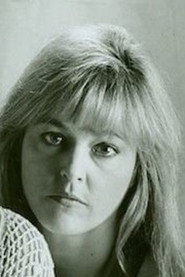 Tyria MooreSelf (archive footage)
- Dawn BotkinsSelf
- Michelle ChauvinSelf
- Dick MillsSelf (archive footage)
- Dennis AllenSelf
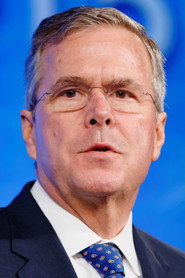 Jeb BushSelf (archive footage)
- Joe HobsonSelf (archive footage)
- Steve GlazerSelf
Directing
- Joan ChurchillDirector
- Nick BroomfieldDirector
Production
- Jo HumanProducer
- Mike ReynoldsResearcher