
Film
Brother's Keeper
- Crime
- Courtroom drama
- Very dark
Brother's Keeper is a 1992 documentary about the murder trial of Delbert Ward, one of four isolated elderly brothers living as subsistence farmers in rural New York. When their eldest dies under mysterious circumstances, the legal system descends on their world. It's a searching, empathetic portrait of outsiders caught in machinery they don't understand, asking hard questions about justice, community, and who gets believed.
Should you watch it?
Watch it if you respond to patient, observational documentaries that let plain-spoken people talk at length and leave the question of who is telling the truth open.
Skip it if its pace is slow and its shape loose, so if you want a documentary that builds a case with clear signposts, this may frustrate you.
What it asks of you: Settle in for about an hour and three-quarters of interviews, kitchen-table conversations and trial material, paced slowly enough that you have to do the weighing yourself.
Not sure? Find tonight's pick in a minute.
If you liked this
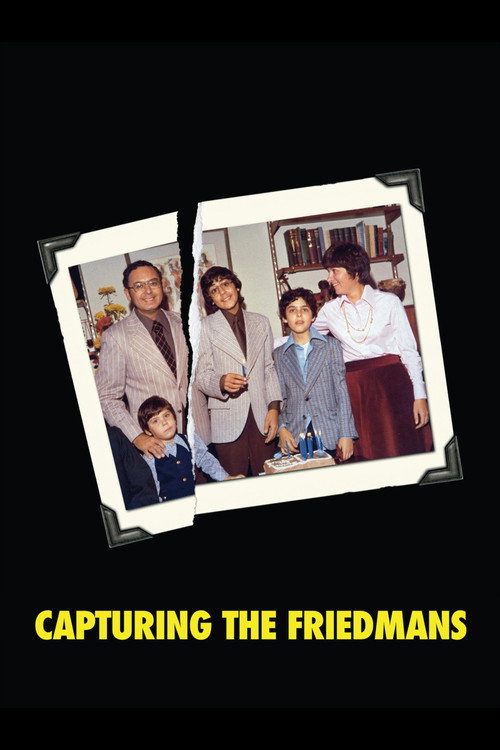
Capturing the Friedmans2003
A family implodes when allegations of abuse emerge. Like Brother's Keeper, it uses documentary form to complicate easy judgement and show how institutions fail vulnerable people caught in their own stories.
But It's gruelingly painful. The moral ground keeps shifting, and there's no comfort in the ending—only difficult understanding.
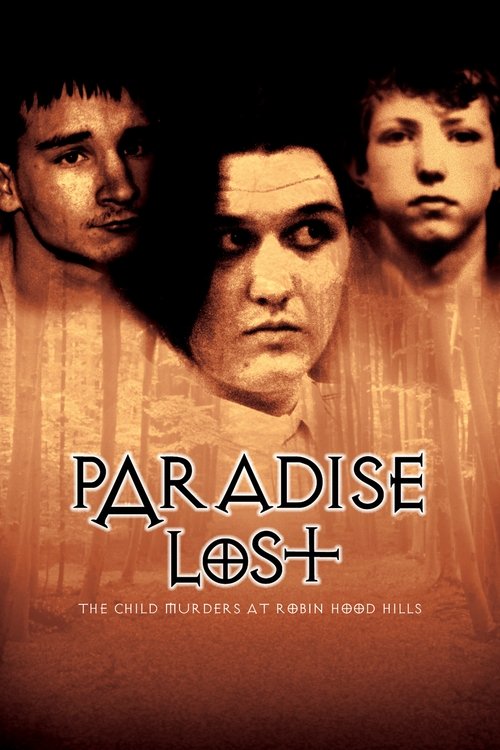
Paradise Lost: The Child Murders at Robin Hood Hills1996
Three teenagers are convicted in a small Arkansas town with questionable evidence. Same directors as Brother's Keeper; same commitment to showing how power shapes truth and how communities turn on their own.
But At three hours, it demands patience. The injustice never resolves cleanly, which is the point but also exhausting to sit with.
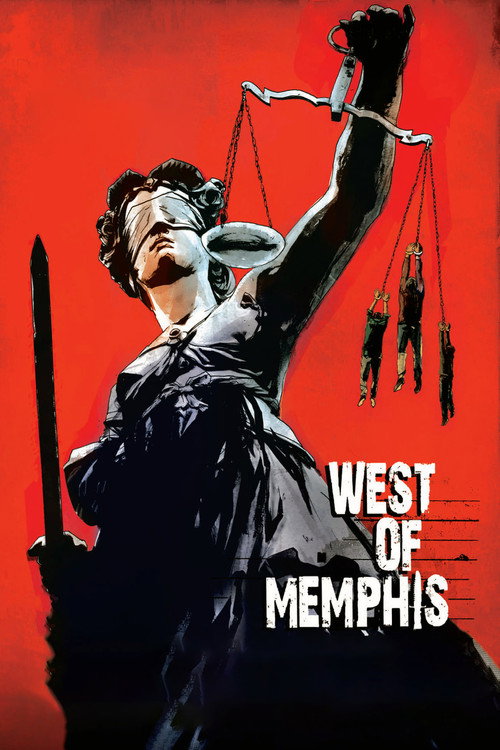
West of Memphis2012
A follow-up to the Robin Hood Hills case that tracks the long fight for exoneration. It shares Brother's Keeper's faith that sustained attention can shift outcomes, even when the system seems fixed.
But You need to have seen the earlier Paradise Lost films for this to land. It's not standalone, and it's very long.
Not sure tonight? Get a pick in a minute, starting from Brother's Keeper
The wildcard
Something you would not have found on your own.
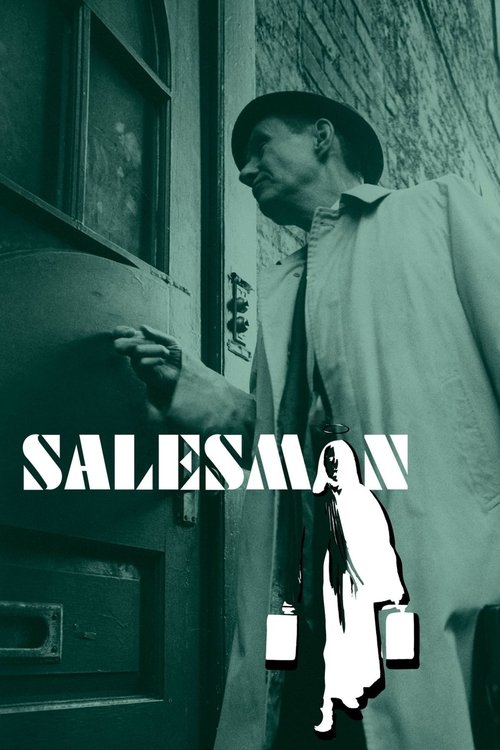
Salesman1969
Both use observational cinema to honor people society overlooks, finding profound humanity in the unglamorous and economically marginal.
The Maysles brothers' cinema-vérité film follows four bible salesmen across America. It's from the same documentary tradition but focuses on the mundane failures and dignity of ordinary work. Like Brother's Keeper, it refuses to mock its subjects even when they're struggling or lost.
But Nothing dramatic happens. It's a film about boredom and small humiliations, which some viewers mistake for the film itself being boring. It asks you to find meaning in surfaces.
More like this (8)
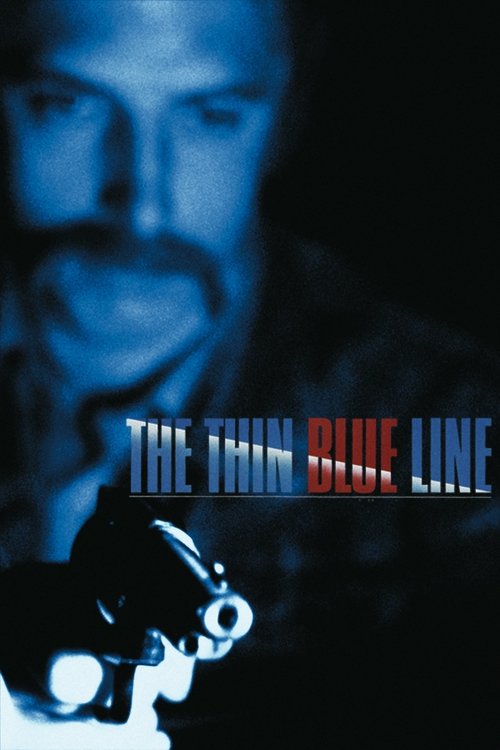
The Thin Blue Line1988
Errol Morris's masterpiece reconstructs a murder case to prove a man's innocence. Like Brother's Keeper, it trusts the audience to think and questions what we actually know about guilt and truth.
But The stylisation—the reenactments, the Philip Glass score—can feel too slick for a real person's life being dismantled and rebuilt.
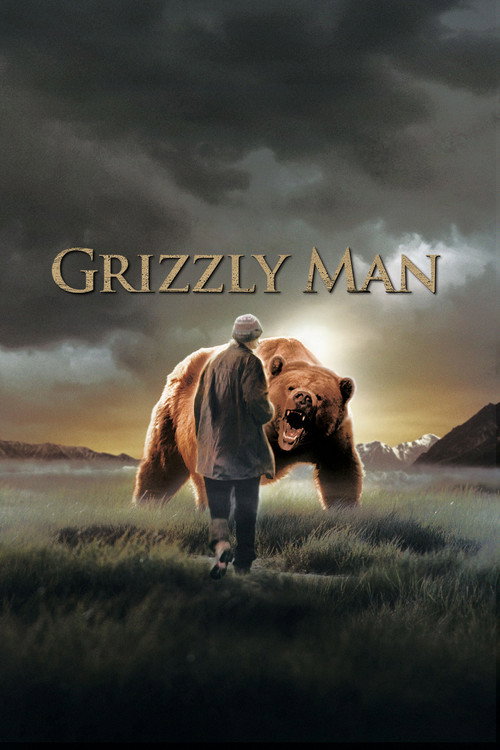
Grizzly Man2005
Werner Herzog follows a man's obsession and death through his own footage and interviews. Both films ask what we owe to people the world calls strange, and both resist easy moralising.
But It's oblique and sometimes pretentious. Herzog's narration can overshadow the subject rather than illuminate him.
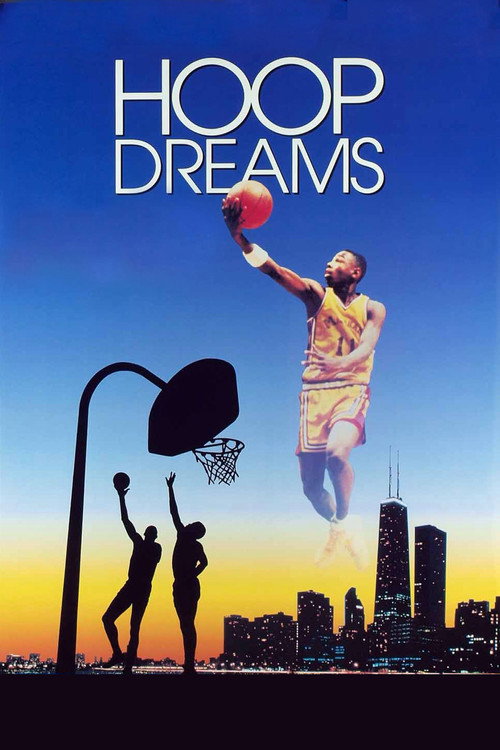
Hoop Dreams1994
Two basketball players' lives over five years; a portrait of systems and pressure and how young people are used. It has Brother's Keeper's refusal to simplify or sentimentalise its subjects.
But At three and a quarter hours, it's a commitment. It can feel repetitive if you're not patient with gradual revelation.
The Act of Killing2012
Indonesian death-squad leaders reenact their murders. It's an extreme provocation about accountability and memory. Like Brother's Keeper, it trusts complexity over verdict, though it's far darker.
But It's genuinely disturbing and morally vertiginous. Some viewers will feel the filmmaker lets perpetrators off too easily by letting them speak.

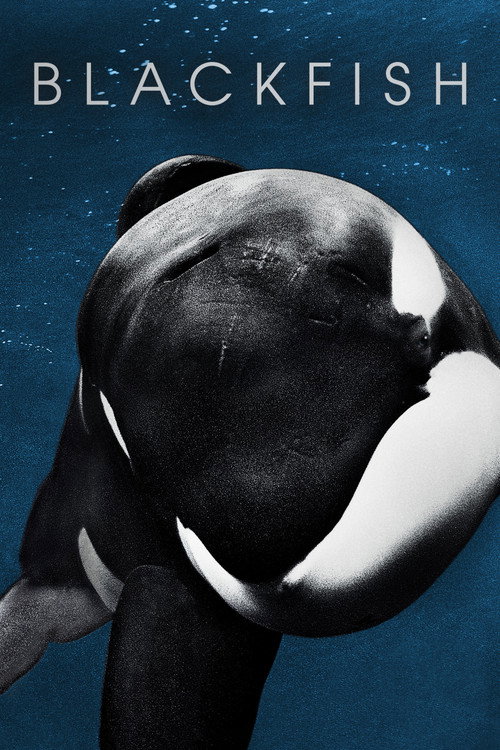
Blackfish2013
An investigation into orca captivity and SeaWorld's practices. Like Brother's Keeper, it shows how institutions protect themselves and how outsiders' stories get rewritten by power.
But Once you know the basic argument, it repeats it. The filmmaking is somewhat manipulative—it's advocacy dressed as inquiry.
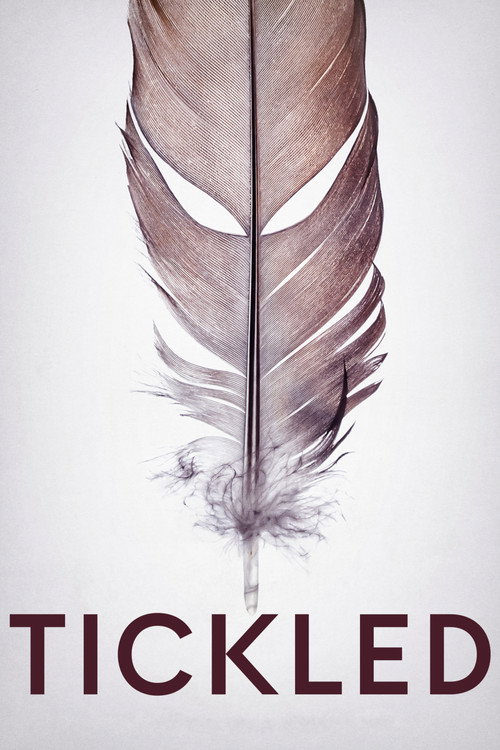
Tickled2016
A strange rabbit hole about competitive tickling that becomes a portrait of obsession and hidden violence. It shares Brother's Keeper's sense of entering a closed world and finding something far stranger than expected.
But The tone is sometimes too playful for the serious crimes it uncovers. Some viewers find that disconnect unbearable.
Winter Light1963
Both films are deeply interested in what happens to people who live outside modernity's comforts, and both refuse sentimentality as a refuge.
Bergman's bleak examination of faith, isolation, and a rural pastor's spiritual crisis. It's shot in a small Swedish village and has the same austere, uncompromising attention to people trapped by circumstance and belief.
But It's a 80-minute existential dirge. There's no resolution, no warmth, and Bergman offers no consolation. Many viewers find it punishing rather than enlightening.

Grief2023
Both move past verdict or plot toward something quieter: a meditation on how difficult lives are lived, with attention and without judgment, across species and circumstance.
Margaret Atwood narrates this four-part nature documentary about mourning rituals across animal species—elephants, whales, primates, corvids. It's formally startling and tender, asking viewers to recognize kinship in grief itself.
But It's very short and more essay than traditional documentary. Some will find it more poetic and less explanatory than they want. The conceit can feel precious to people seeking pure information.
People
Cast
 Connie ChungSelf
- John TeepleSelf
- Delbert WardSelf
- Roscoe WardSelf
- Lyman WardSelf
Directing
- Bruce SinofskyDirector
- Joe BerlingerDirector
Writing
- Susan KouguellScript Consultant
Production
- Bruce SinofskyProducer
- Joe BerlingerProducer