
Film
After Innocence
- Prison
- Very dark
A documentary following men freed by DNA evidence after decades of wrongful imprisonment. It's intimate and restrained, letting their stories unfold without manipulation. Essential viewing for anyone who thinks the justice system is basically fair, or who has ever wondered what happens to someone after their entire adult life is returned to them.
Should you watch it?
Watch it if you are drawn to quiet, testimony-led documentaries where the people who lost years to a wrongful conviction do most of the talking.
Skip it if you want momentum or a tidy argument rather than a slow accumulation of stories, since its grave mood barely lifts across the full running time.
What it asks of you: Its 95 minutes move at a patient, sober pace, so it asks you to stay with each man's account rather than hurry toward a verdict.
Not sure? Find tonight's pick in a minute.
If you liked this
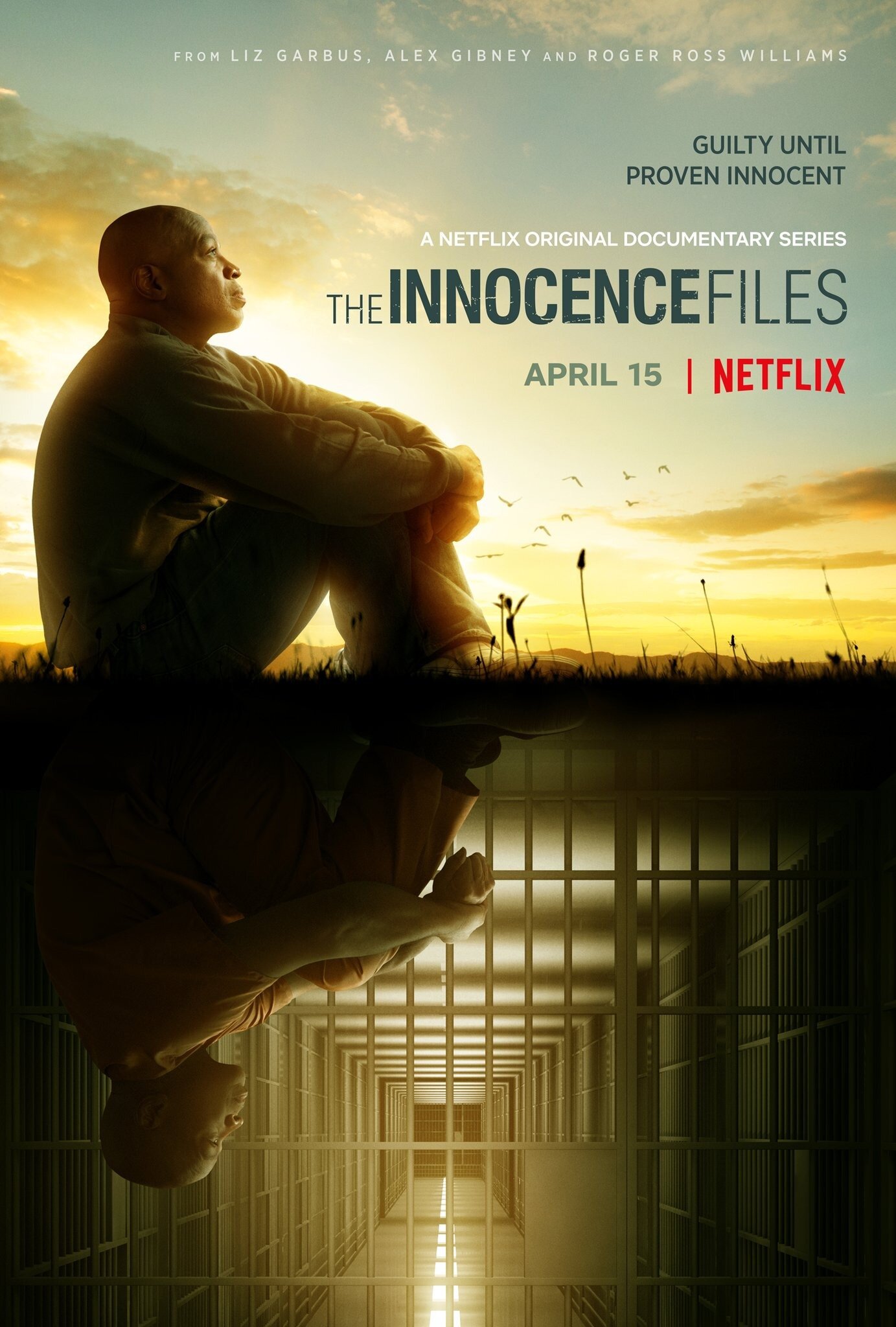
The Innocence Files2020
Netflix miniseries examining real cases where DNA exonerated the wrongfully convicted. Each episode is focused and specific, with clear timelines and meticulous investigation. Feels like watching injustice get corrected in real time.
But It's heavy, and the pacing can feel slow when you're learning forensic procedure rather than watching dramatic confrontation. Some episodes are sadder than others.
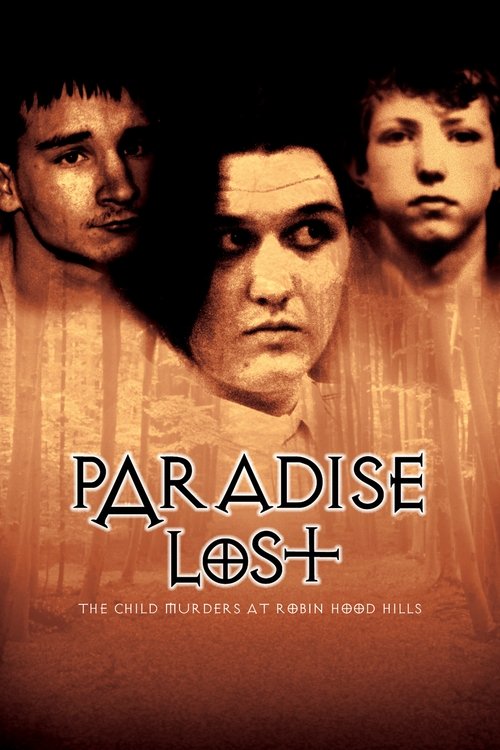
Paradise Lost: The Child Murders at Robin Hood Hills1996
Documentary trilogy about three teenagers convicted of a crime they almost certainly didn't commit. Gripping, infuriating, and it actually drove legal action. Shows how documentary can be an instrument of justice, not just witness.
But The first film is long, and the case itself is so tangled that you'll need to stay focused. The third entry feels less resolved than you'd hope.
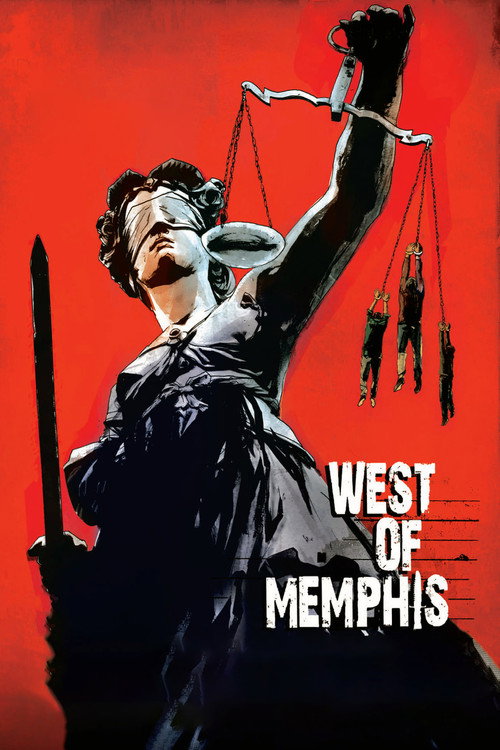
West of Memphis2012
Peter Jackson's investigation into the same Robin Hood Hills case. A masterclass in how to construct an argument through film. Updates the story with the actual exonerations that took place while the documentary was being made.
But Three hours, and if you've already seen Paradise Lost, you'll recognize the bones. Some repetition, though the new perspective is worth it.
Not sure tonight? Get a pick in a minute, starting from After Innocence
The wildcard
Something you would not have found on your own.
A Prophet2009
While After Innocence shows wrongful imprisonment, A Prophet shows how prison itself is a system that remakes human beings. Different moral questions, same setting, opposite angles.
French film about a young man's transformation in prison. It's a fiction film, but it gets inside the brutality and perverse intimacy of incarceration in ways documentaries often miss. And it shows how prison changes people, sometimes irreversibly.
But It's violent, and it doesn't provide moral comfort. The protagonist isn't sympathetic in traditional ways. It's also French cinema—slow, demanding, and uncompromising.

More like this (6)
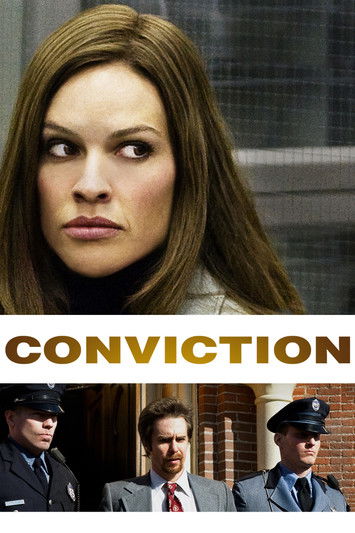
Conviction2010
True story of Betty Anne Waters, who spent eighteen years fighting to free her brother from death row. Driven by one person's stubbornness and love rather than institutional machinery. Somehow both hopeful and enraging.
But It's a conventional narrative film, not a documentary, so it smooths some edges. The earnestness can feel a bit much if you're in a cynical mood.
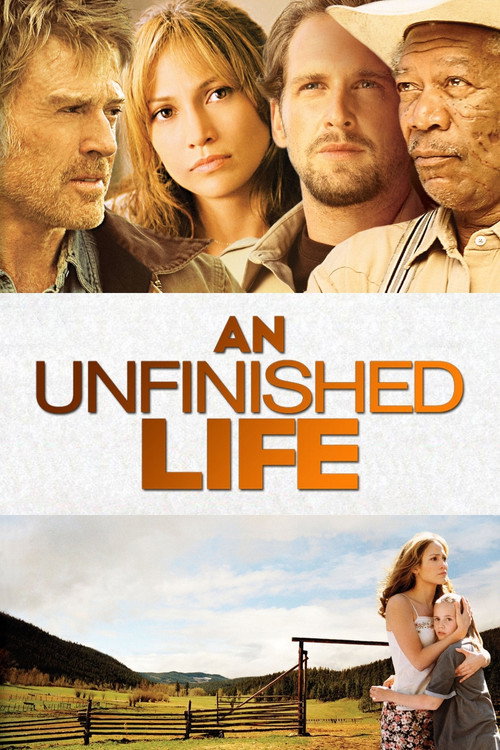
An Unfinished Life2005
Different but related: a fiction film about a man rebuilding after devastating loss and wrongdoing. Quiet, weathered, interested in what comes after trauma rather than during it. Same year as After Innocence but opposite register.
But It's a Clint Eastwood film, which means it moves at Clint Eastwood pace. Some will find that meditative; others will find it glacial. Also pretty bleak.
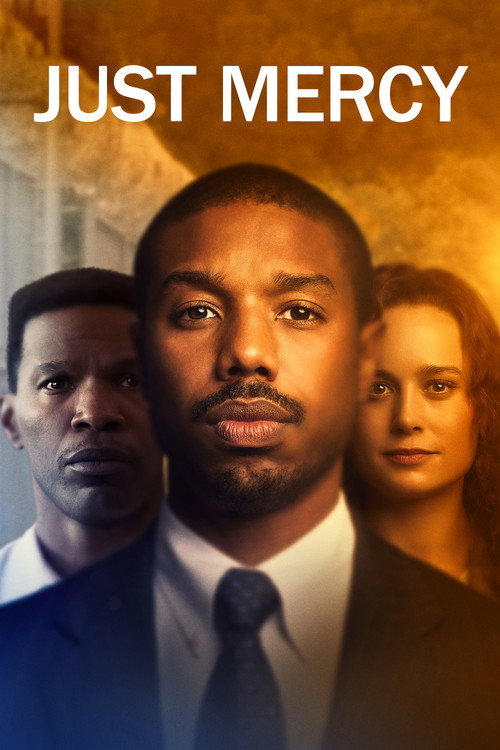
Just Mercy2019
True story of Bryan Stevenson defending death row inmates, many wrongfully convicted. Michael B. Jordan brings real feeling to it without melodrama. Accessible entry point to capital punishment's failures without being preachy.
But It softens some details and simplifies the legal landscape to make it dramatic. Feels more like a prestige courtroom thriller than raw documentation.
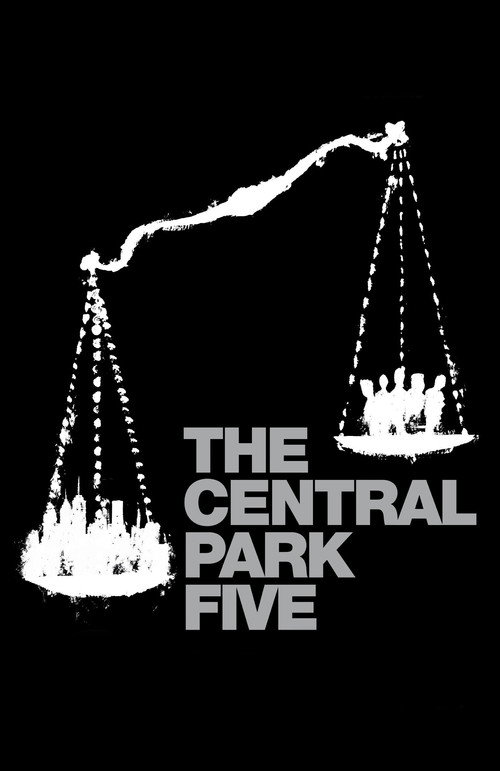
The Central Park Five2012
Ken Burns documentary about five teenagers convicted of a crime they didn't commit, exonerated thirteen years later. Methodical, angry, and deeply researched. Burns lets the facts do the damage.
But Very long, and it requires you to engage with the racism baked into the case. Not everyone has the energy for that level of unflinching clarity.
The Confession Tapes2017
Netflix series examining cases where confessions were central to convictions—many wrongful ones. Each episode is self-contained but builds a systematic argument about coercion and psychology.
But Some episodes are more compelling than others, and the series doesn't maintain momentum equally across all entries. A few feel padded.
Elephant2003
After Innocence is about the moment the system fails and someone is locked into a false identity. Elephant is about the moment before systems fail entirely. Both are structured around watching, waiting, and the horrible weight of inevitability.
Gus Van Sant's experimental film about the Columbine shooting, told in long, observational takes. Not a documentary but structured like one—pure attention to how ordinary people move through an ordinary day before catastrophe. It's about inevitability and the futility of prediction.
But It has almost no dialogue, no character development in traditional terms, and no clear narrative. Many people find it slow to the point of painful. It's a formal exercise more than a story.

People
Directing
- Jessica SandersDirector