
Film
Death Stranding: Inside Kojima Productions
A 26-minute glimpse into Kojima Productions' Tokyo studio during development of Death Stranding. It's a rare, intimate look at how Kojima works—his creative process, his team's dynamics, the meticulous craft behind a singular vision. Essential for anyone who cares about games as art, or how obsessive genius actually operates.
Should you watch it?
Watch it if you enjoy watching how a creative obsessive turns a bold, odd idea into a playable thing, and you find the messy, late-night rhythms of a studio as absorbing as the finished product.
Skip it if you want a documentary that digs into the game's story, its reception or the wider industry; this stays close to the studio floor and rarely steps back to explain or critique anything.
What it asks of you: It runs about half an hour and moves at a brisk, observational pace, asking only for steady attention rather than any prior knowledge of games or the people on screen.
Not sure? Find tonight's pick in a minute.
If you liked this
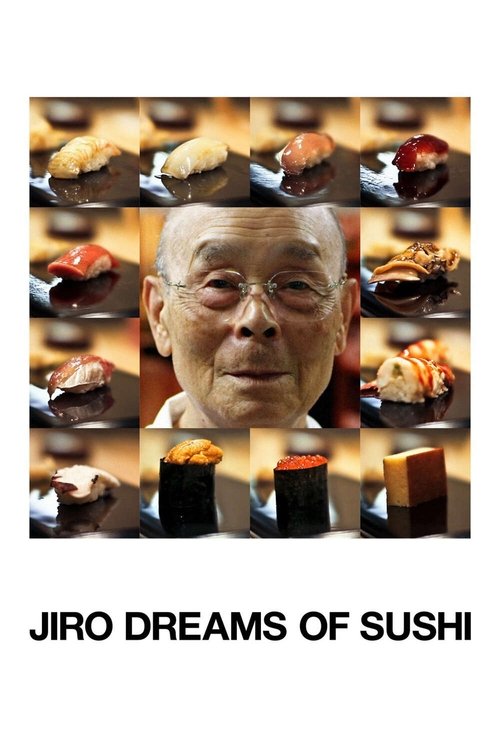
Jiro Dreams of Sushi2011
David Gelb's portrait of an 85-year-old master craftsman perfecting his art across decades. Like Kojima, Jiro is obsessed with control, detail, and the philosophy beneath the work. It's meditative and humanizing.
But It moves very slowly and offers no plot drama—just quiet devotion. If you need conflict or narrative momentum, this will feel static.
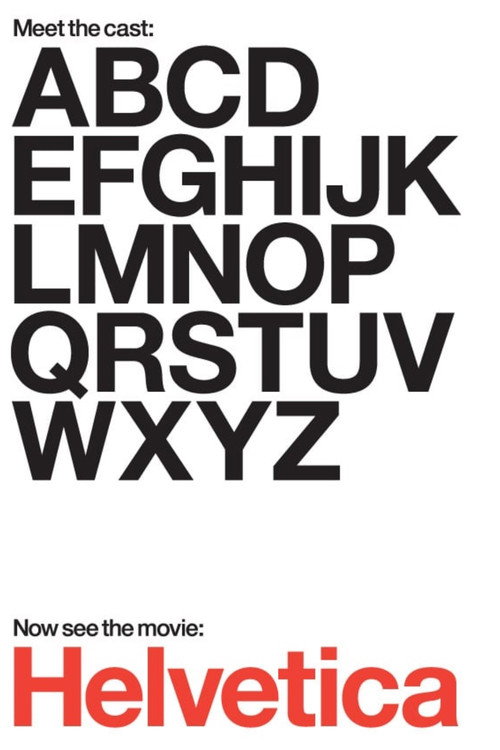
Helvetica2007
A documentary about a typeface that becomes a meditation on design philosophy, creative choice, and how perfectionism shapes the world. Speaks directly to how someone like Kojima thinks about every decision.
But It's about a font. If graphic design bores you, no amount of brilliance will make it grip you.
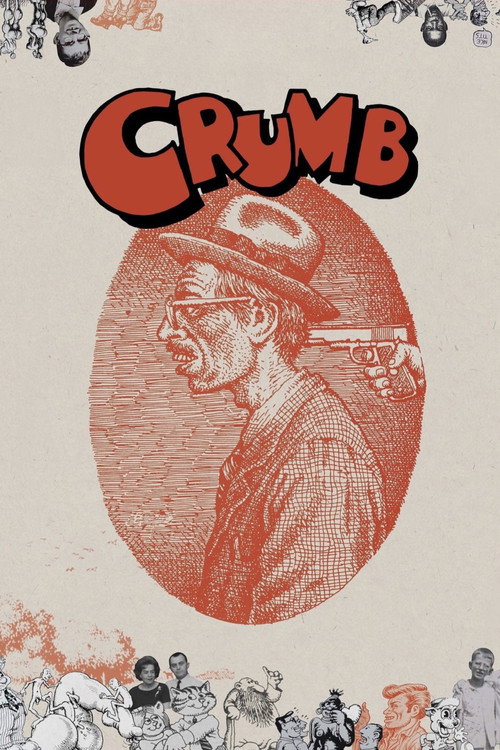
Crumb1995
Terry Zwigoff's unflinching portrait of comic artist Robert Crumb reveals how damaged, brilliant people create. Messy, personal, honest—it shows the cost and the magic of artistic obsession without sentimentalizing either.
But Crumb himself is deeply uncomfortable to spend time with. The film doesn't soften that, and some find it invasive rather than illuminating.
Not sure tonight? Get a pick in a minute, starting from Death Stranding: Inside Kojima Productions
The wildcard
Something you would not have found on your own.
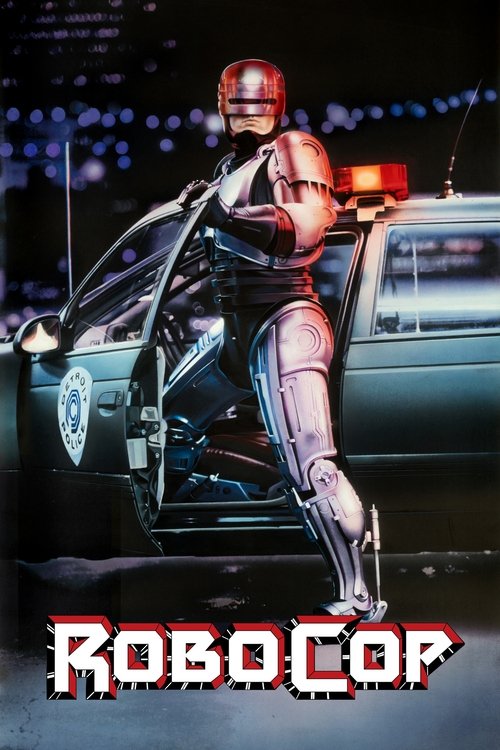
RoboCop1987
Both Kojima and Verhoeven are obsessed with what binds humanity together in an age of systems and separation. RoboCop is that idea in a leather suit and shotgun; Death Stranding wears it openly. Very different tones, same engine.
Paul Verhoeven's film is ostensibly sci-fi action, but it's actually about the same thing Death Stranding is: connection, isolation, what makes us human, delivered vs. internal, the machinery that binds society. Shot as satire but it's deadly serious.
But It's violent and grimy in ways that feel dated now. If you go in expecting action, the philosophical content will frustrate you. If you expect only philosophy, the B-movie surface will feel ridiculous.
More like this (7)
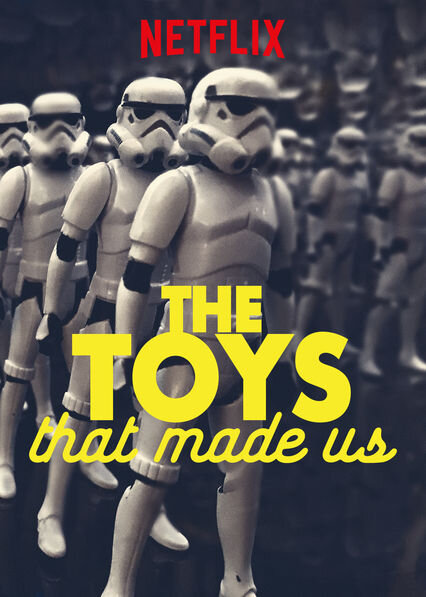
The Toys That Made Us2017
These Netflix episodes capture how creative vision survives corporate pressure—how individuals stamped themselves onto products. Several episodes (especially Barbie, Hello Kitty) explore the same tension between vision and compromise that Kojima faces.
But It's comfort-viewing history. The tone is nostalgic and breezy where Kojima's documentary is focused and intense.
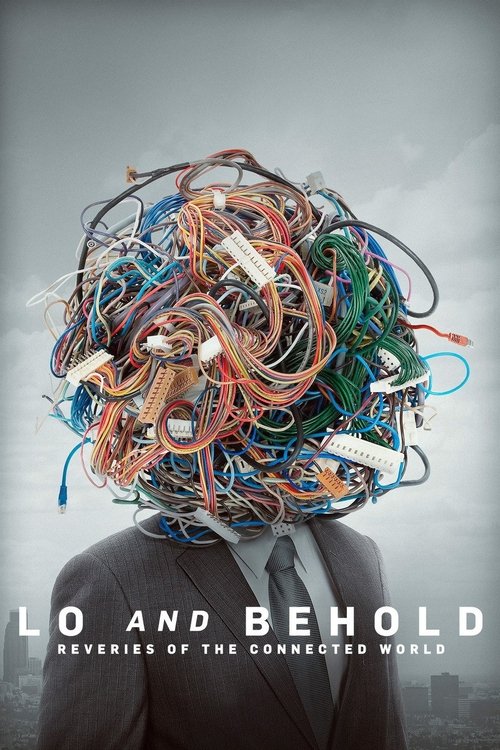
Lo and Behold: Reveries of the Connected World2016
Werner Herzog on the internet and its architects. He asks big philosophical questions about technology and human connection—the same undercurrents running through Death Stranding itself. Hypnotic and strange.
But Herzog's voiceover and pacing are glacial. If you want a conventional documentary structure, this will frustrate you.
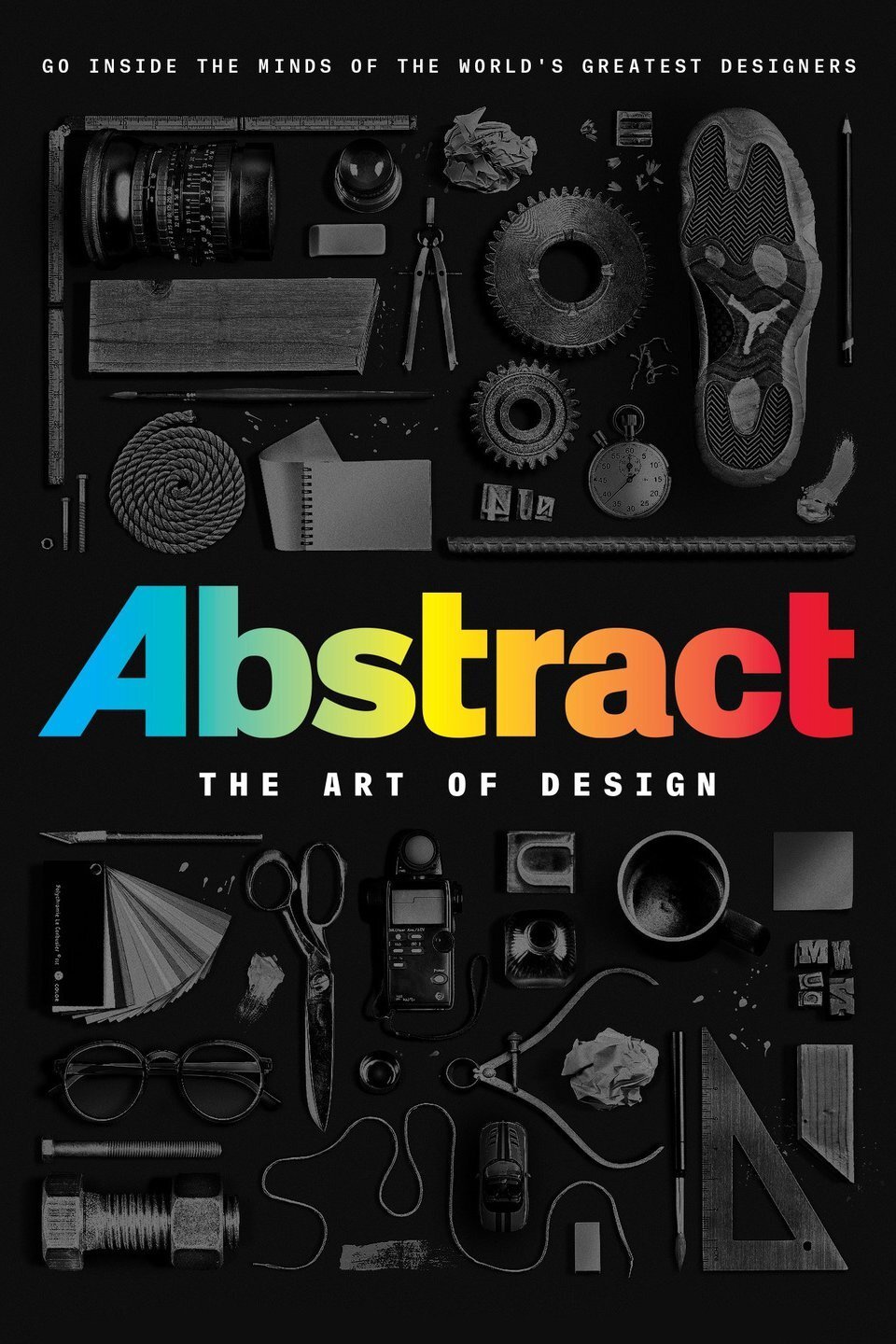
Abstract: The Art of Design2017
Each episode profiles a different creative master (graphic design, architecture, fashion, etc.) in their studio or workplace. It's structured exactly like the Kojima film but with more breathing room and varied subjects.
But Some episodes land harder than others. The format can feel repetitive if you binge it—better watched one at a time.
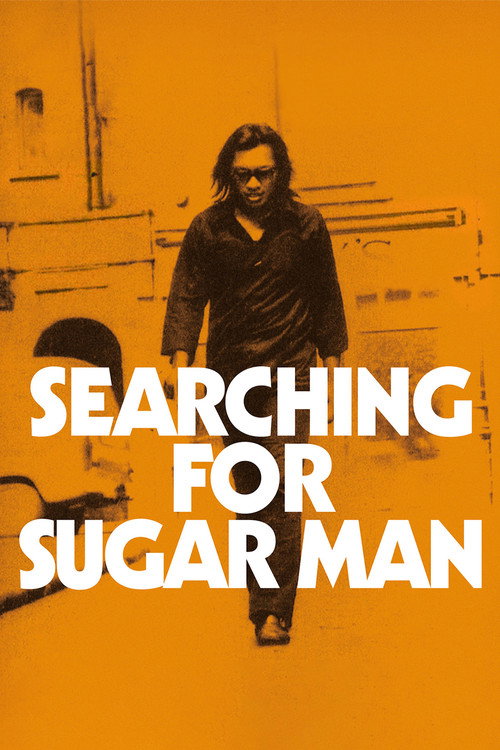
Searching for Sugar Man2012
A mystery about a forgotten musician, it captures the obsessive pursuit of artistic truth and the gap between intention and impact. Gorgeously made and genuinely moving about why creators do what they do.
But The central mystery is knowable online. If you look it up first, the film loses its propulsive energy.
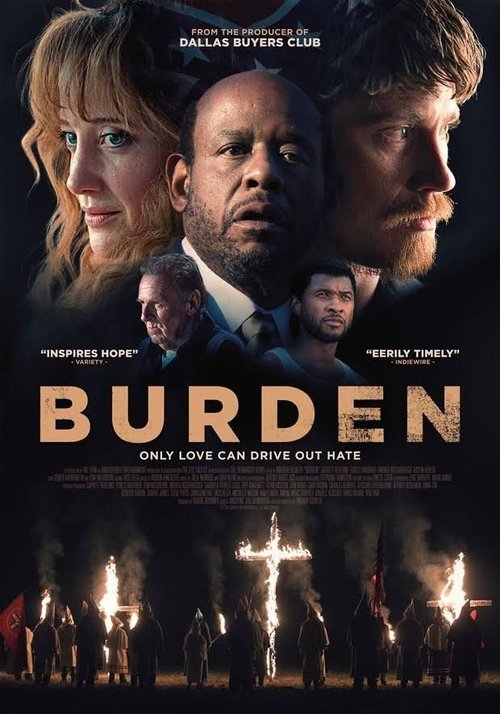
Burden2018
Andrew Bujalski's nearly-silent documentary follows a sound designer constructing ambient music for video game environments. It's meditative, technical, and shows invisible craft the way Kojima's film does for game design.
But Extremely quiet and contemplative. There is almost no dialogue and minimal traditional narrative. Demands patience and attention.
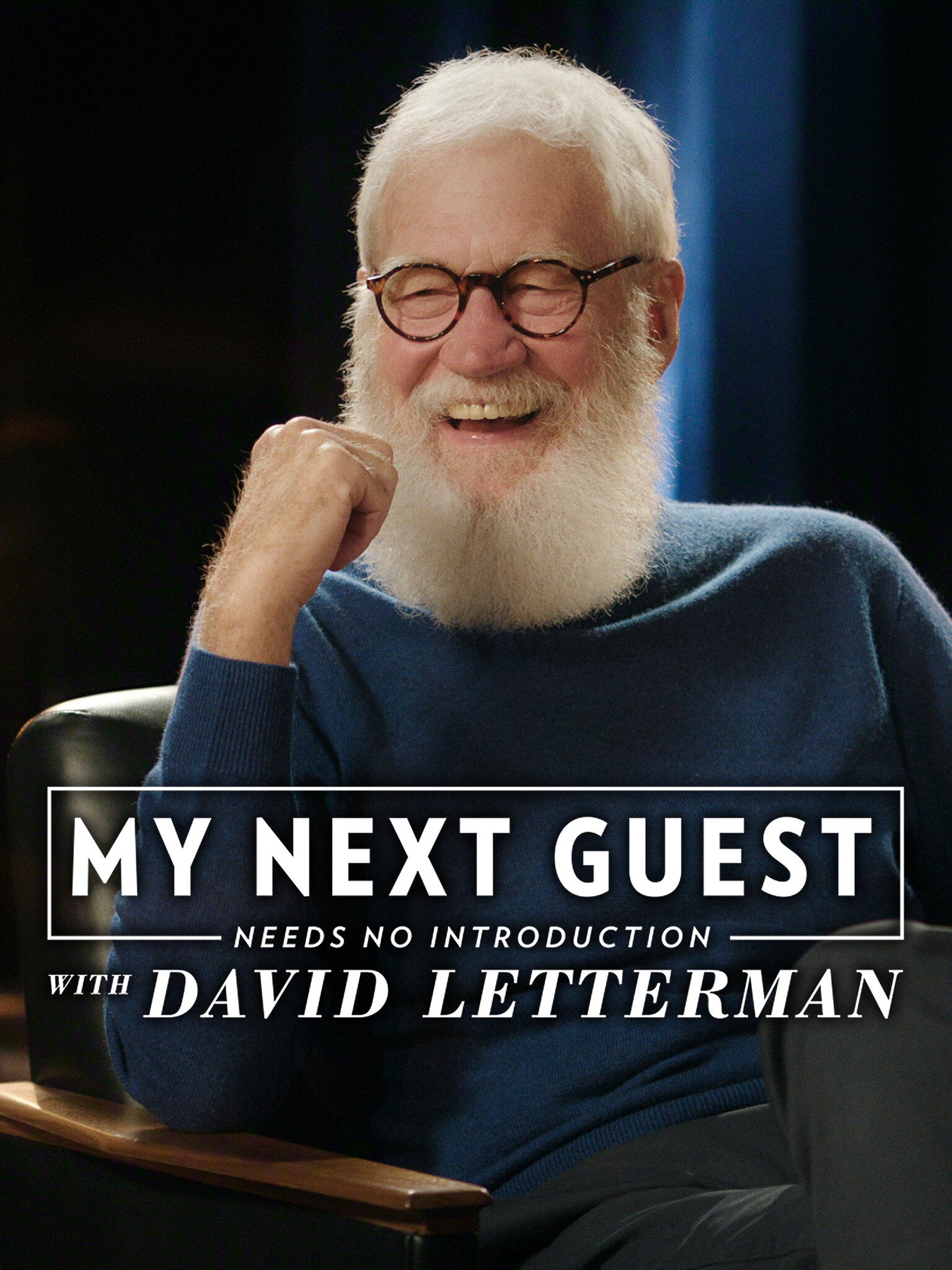
My Next Guest Needs No Introduction2018
The Hideo Kojima episode (Season 2) is a long-form conversation that goes deeper than the Newsbeat documentary—more personal, more philosophical. It's a natural next step if this one grips you.
But Letterman's talk-show instincts sometimes interrupt genuine conversation. The format is looser and less focused than a pure documentary.
The Act of Killing2012
Both films are about creative vision as a form of truth-telling—how what you make reveals who you are. Kojima uses games to explore connection; Oppenheimer uses film to expose disconnection. Both suggest that the process of creation *is* the subject, not just a means to it.
Joshua Oppenheimer's documentary inverts the form: instead of watching a creator work, we watch perpetrators of genocide create theatrical reenactments of their crimes. It's a portrait of how people construct meaning and identity through creative act, but from the opposite moral pole.
But It's genuinely disturbing and morally complex in ways that demand you sit uncomfortable. Some viewers find it exploitative. It's also three hours long and demands complete attention.

People
Cast
 Hideo KojimaSelf
- Lydia BrodieSelf
 Ludvig ForssellSelf
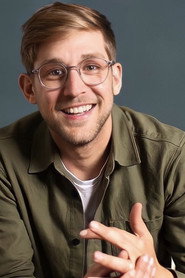 Steffan PowellSelf - Newsbeat Gaming Reporter
- SealanderSelf
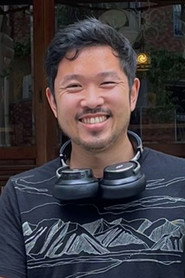 Ryuzo TsutsuiSelf - Local Producer
- Shuhei YoshidaSelf
- Aoife WilsonSelf - Eurogamer
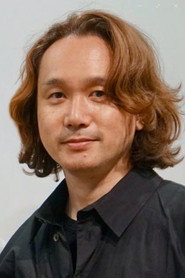 Yoji ShinkawaSelf - Art Director(as Yoji Shinkawi)
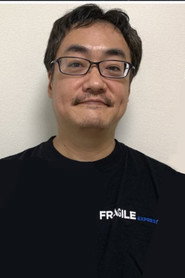 Hideki SasakiSelf - Technical Art Director
Directing
- Matt WarehamDirector
Production
- Toby SealeyExecutive Producer
- Matt WarehamProducer
- Ryuzo TsutsuiProducer