
Television series
My Next Guest Needs No Introduction
- Comedy
- Dip in and out
David Letterman returns with a Netflix talk show stripped down to its essence: one guest, fifty minutes, genuine curiosity. He travels, he listens, he lets conversation breathe. It's what happens when a master interviewer has finally stopped rushing. For anyone who misses when talk was about connection rather than content.
If you liked this
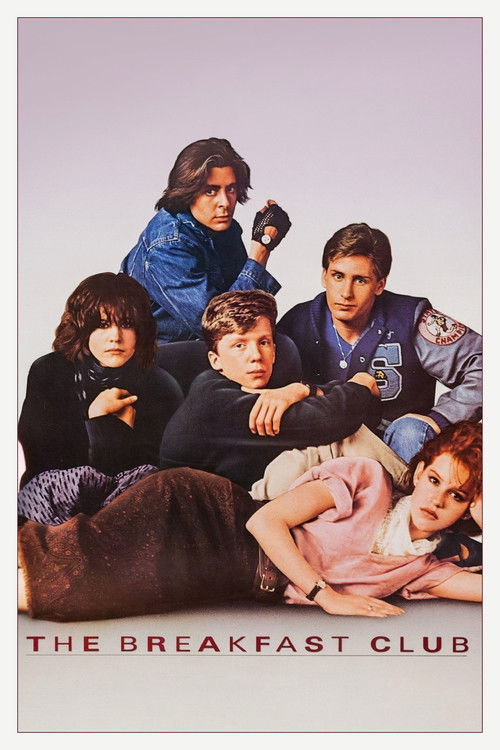
The Breakfast Club1985
John Hughes proved that one room and real dialogue can hold a film. Five people, no plot, everything matters. Like Letterman's show: the conversation is the whole point.
But It's slow by modern standards, and the politics haven't aged perfectly. Eighties high school can feel very far away.
Inside the Actors Studio1994
James Lipton built an entire show on the principle that actors deserve unhurried attention. The format—prepared questions, room to wander—parallels Letterman's approach without the travel element.
But It went on for twenty-five years and not every episode aged equally. Lipton's theatrical affect isn't to everyone's taste.

The Joe Rogan Experience2014
The opposite of scripted talk: long, tangential, genuinely unpredictable. Guests say things they wouldn't say on a couch. The uncut conversation model Letterman uses here.
But Three hours is a lot, and Rogan's own opinions can overwhelm the space. The show has significant blind spots and questionable guests.
Not sure tonight? Get a pick in a minute, starting from My Next Guest Needs No Introduction
The wildcard
Something you would not have found on your own.
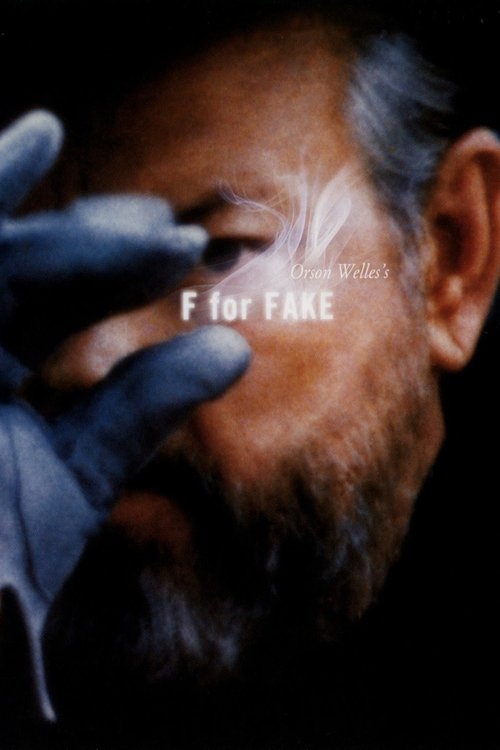
F for Fake1973
Both are about the seduction of presence and performance—what happens when a brilliant person decides to be genuinely revealing instead of guarded.
Orson Welles on cinema, memory, and the nature of truth—but he does it as a magician, not a lecturer. It's a conversation with the audience about what we believe and why. Letterman's curiosity applied to philosophy.
But It's experimental and fragmented by design. If you want narrative clarity, you'll bounce off immediately. Welles is mischievous on purpose.
More like this (2)
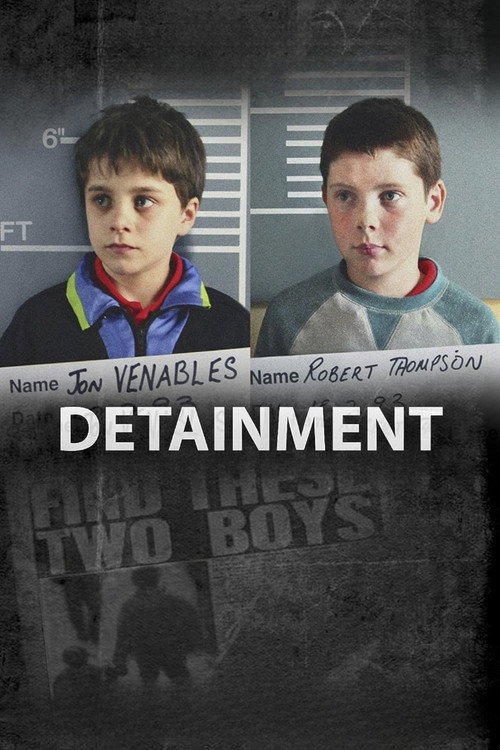
Detainment2018
Letterman's faith that good listening reveals character finds its inverse here—conversation as interrogation, where what someone doesn't say matters as much as what they do.
Denis Villeneuve's 17-minute short, conducted almost entirely as dialogue between detectives and a suspect. Raw, unadorned, relying entirely on conversation to build truth and doubt. What interviewing looks like under pressure.
But It's about a real case involving children. The subject matter is heavy and the brevity means no relief. This requires attention and a strong stomach.
Stalker1979
Both insist that conversation itself is the content, not a vehicle for content. That listening—really listening—is a form of respect that can transform both people.
Tarkovsky's film is almost entirely dialogue and walking. Two men guide a stranger toward a door nobody can describe. It's purely about conversation as spiritual practice—the question beneath the question. Letterman's show without the joke.
But It's 163 minutes of slow Russian cinema with long pauses and philosophical talk. It will bore you senseless if you're not ready for it to. No plot, no payoff, just meaning.

People
Cast
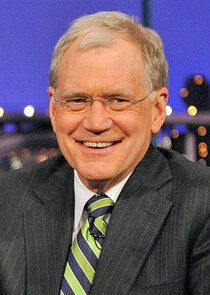 David LettermanPresenter
Production
- Brooke PoschExecutive Producer
- John SkidmoreExecutive Producer
- Justin WilkesExecutive Producer
- Lilly BurnsExecutive Producer
- Mary BarclayExecutive Producer
- Michael SteedExecutive Producer
- Tom KeaneyExecutive Producer
- Tony HernandezExecutive Producer
Recommended by
Death Stranding: Inside Kojima Productions, Feels Good Man, Celebrity Ghost Stories, Fishing with John, Tim's Vermeer, CBS News Sunday Morning