
Film
Dostoevsky's Travels
A Leningrad tram driver and great-grandson of Fyodor Dostoevsky retraces his ancestor's 1862 European journey in this wry 1991 documentary. Shot at the cusp of Soviet collapse, it's a tragicomic portrait of aspiration, inheritance, and the gap between literary legend and ordinary life. Deadpan, oddly moving, and very funny.
Should you watch it?
Watch it if you like a modest, observant documentary that treats a small personal ambition as seriously as a literary legacy, and enjoy following one man's ordinary errands through famous places.
Skip it if you want a tight narrative, since this one wanders from city to city and can feel slight across its short running time.
What it asks of you: Under an hour, it moves at an unhurried pace, asking for patience with long stretches of observation and a slow build toward its gentle sense of purpose.
Not sure? Find tonight's pick in a minute.
If you liked this
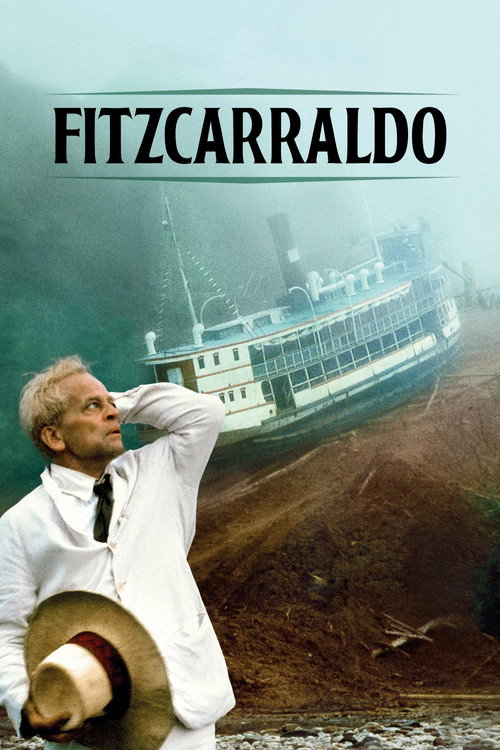
Fitzcarraldo1982
Werner Herzog's obsessive dreamer hauls a steamship over a mountain in the Amazon to build an opera house. Like Dmitri, he's chasing something beautiful and impossible, fueled by stubborn will and delusion in equal measure.
But Slow, visually grueling, and Herzog's vision of human folly can feel punishing rather than comic. The real-life backdrop is morally complicated in ways that complicate admiration.
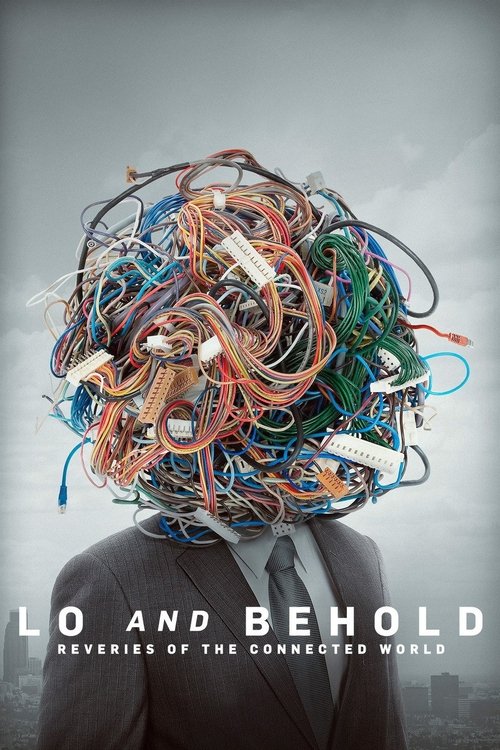
Lo and Behold: Reveries of the Connected World2016
Herzog again, this time examining the internet's birth and spread across America. Another journey film about technological dreams and human yearning, shot with his deadpan, wondering eye and dark humor.
But Essayistic and digressive. If you want a linear narrative or conventional structure, Herzog will frustrate you. His tangents are the point, but they can feel indulgent.
The Ascent1977
Larisa Shepitko's Soviet masterpiece follows two partisans through a frozen landscape toward execution. Russian spiritual anguish distilled into 111 minutes. Formally perfect and morally uncompromising about suffering and faith.
But Bleak and demanding. No warmth, no reprieve. It's a film about dying, and it doesn't soften that fact. Not an evening's entertainment—an ordeal.

Not sure tonight? Get a pick in a minute, starting from Dostoevsky's Travels
The wildcard
Something you would not have found on your own.
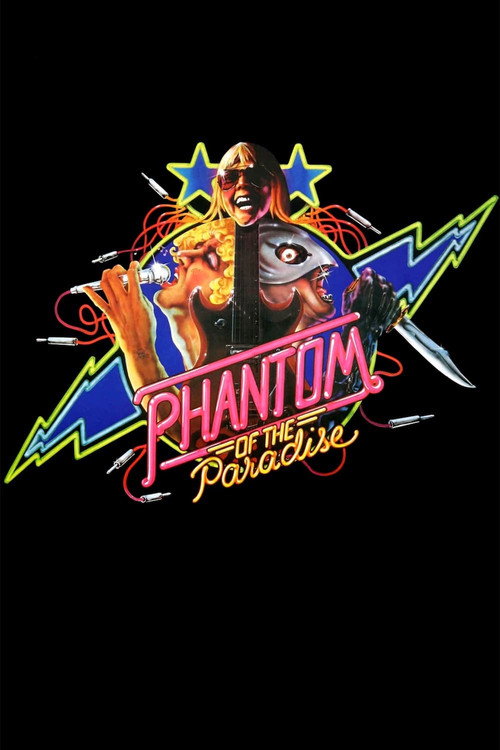
Phantom of the Paradise1974
Both follow ordinary men shaped by their relationship to greatness—one inherited, one stolen. Both are deadpan about yearning. Both find dark comedy in the pursuit of something beautiful that may destroy you.
Brian De Palma's rock opera tragedia about artistic ambition, theft, and revenge in the music industry. A deranged opera where aspiration devours itself. Wildly entertaining, totally weird, and surprisingly moving about the cost of dreams.
But Campy and theatrical, with a genre pastiche logic that never lets realism intrude. If you need grounding, this offers none. The tone is deliberately artificial in a way that takes adjustment.
More like this (8)
Stalker1979
Tarkovsky's meditation on desire and meaning follows three men through a mysterious zone seeking a room that grants wishes. Like Dmitri's journey, it's about what we chase and why, framed as spiritual quest rather than comedy.
But Glacially paced, hypnotic rather than gripping. The philosophical drift will lose anyone wanting plot momentum. Tarkovsky demands you sit with boredom until it becomes something else.

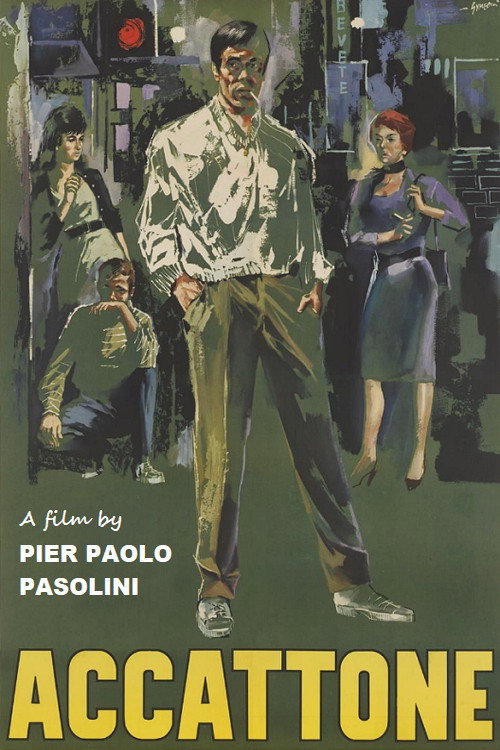
Accattone1961
Pasolini's debut: a petty thief and pimp in Rome's slums, shot with documentary clarity and operatic feeling. Class, survival, and impossible dreams filmed with love for people society has discarded.
But Grim subject matter filmed in neorealist detail. The beauty Pasolini finds in poverty and crime can feel romanticizing, especially now. Morally complicated about its own sympathies.
The Turin Horse2011
Béla Tarr's final film: a philosopher, a groom, a horse, and the end of the world. Obsession, legacy, and historical weight compressed into six wordless days. Bleak, hypnotic, and oddly comic in its fatalism.
But Monochromatic, repetitive, almost no dialogue. Tarr's pessimism is total and unrelenting. If cinema should comfort you, this is its opposite.

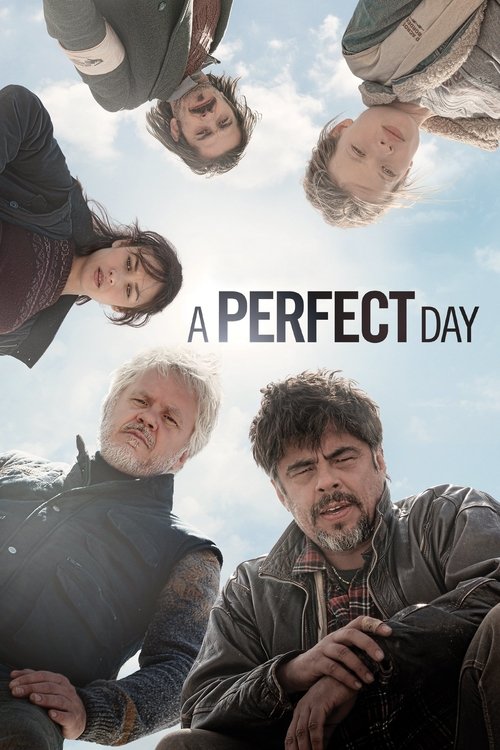
A Perfect Day2015
Fernando León de Aranoa's film about Spanish volunteers in the Balkans during the 1990s: idealism, bureaucracy, and the gap between intention and outcome. Warm and funny about serious things.
But Ensemble cast film with a light touch on heavy material. If you want depth over charm, the briskness can feel evasive. Some find it too polished for its subject.
Come and See1985
Elem Klimov's Soviet epic of a boy conscript on the Eastern Front during WWII. Not a war film—a document of atrocity and the death of childhood. Essential, unbearable, unforgettable.
But Brutal and graphic in ways that feel purposeful but not easy. One of cinema's most traumatic films. Some viewing experiences wound rather than enlighten.

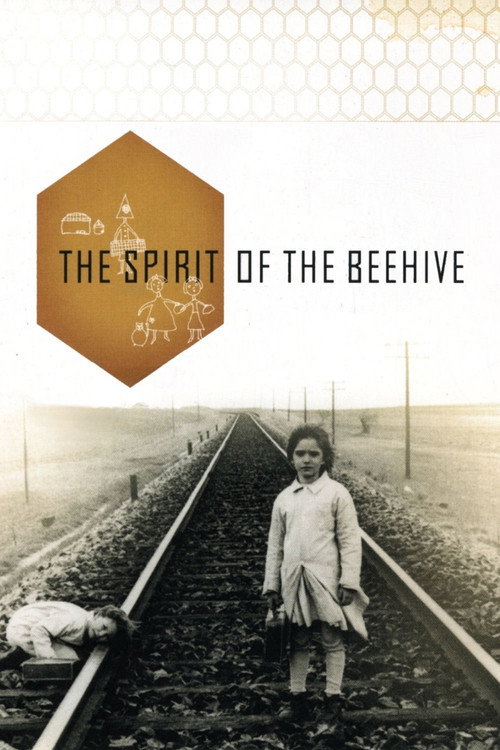
The Spirit of the Beehive1973
Víctor Erice's Spanish masterpiece: two sisters, a screened copy of Frankenstein, post-civil-war isolation, and the space between imagination and reality. Quiet, precise, haunting.
But Elliptical and slow. Plot is minimal, atmosphere everything. Requires patience and a certain mood. Some find it precious rather than profound.
Memories of Murder2003
A late Soviet world and 1980s Korea—both on the cusp of change, both portraits of ordinary men trapped by systems they can't quite see. Both find absurdist humor in futility and failure.
Bong Joon-ho's detective thriller set in 1980s South Korea: corruption, incompetence, and a serial killer loose as the country convulses. Formally brilliant, brutally funny, and genuinely frightening about what systems fail to protect.
But Graphic violence and sexual assault as crime-scene realities. Bong's tone shifts between comedy and horror without warning. If you need the film to signal what mood to be in, this will unsettle you.

Man with a Movie Camera1929
Both are Soviet or post-Soviet visions of ordinary life; both treat the quotidian with documentary seriousness; both ask what happens when you really look at the world as it is. Vertov's spiritual ancestor to Dmitri's journey.
Dziga Vertov's Soviet silent documentary: a cameraman moves through a day in Leningrad capturing life, labor, and modernity. Silent, 68 minutes, entirely without narrative—pure visual poetry about seeing and being seen.
But No story, no dialogue, no dramatic arc. Just images arranged to create meaning. Silent film from 1929 demands a viewer willing to meet it halfway. Many find it glacially paced and conceptual to the point of abstraction.

People
Cast
Directing
- Paweł PawlikowskiDirector
Production
- Paweł PawlikowskiProducer