
Film
Sambizanga
- Political drama
- Very dark
A 1973 Angolan film about a woman searching for her husband after his arrest by Portuguese colonial police during the independence struggle. Shot with documentary precision and emotional restraint, it's a portrait of resilience under systematic oppression—less a plot than a series of small, devastating encounters. Essential cinema about colonialism's human cost.
If you liked this
The Battle of Algiers1966
A masterwork about anti-colonial resistance that uses similar documentary-style intensity and moral clarity. Shows how revolution looks to those living it, not mythologised from a distance.
But The style is deliberately austere and the violence is matter-of-fact rather than cathartic. It demands attention rather than offering comfort.

A Prophet2009
Another film about a man in an oppressive system—here, prison—and the networks of power that control him. The same unflinching eye for how institutions grind people down.
But It's a French crime drama, so the register is harder and colder. Less explicitly political, more focused on individual survival.

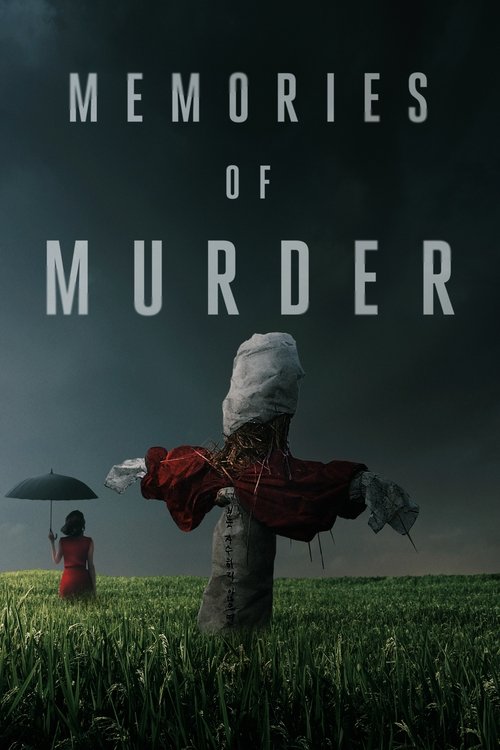
Memories of Murder2003
A South Korean film about state violence and how ordinary people endure it. Blends documentary realism with something more unsettling—the banality of institutional cruelty.
But It's a serial killer procedural underneath, so the focus is different. Also very long and deliberately paced to frustration.
Not sure tonight? Get a pick in a minute, starting from Sambizanga
The wildcard
Something you would not have found on your own.
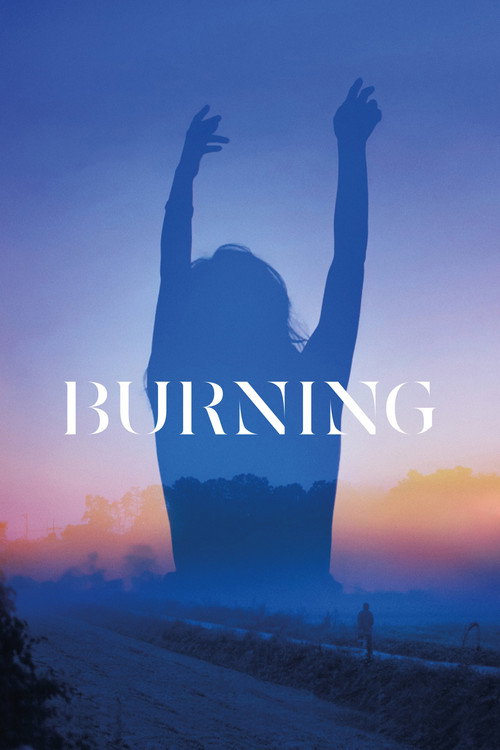
Burning2018
Both use observation and restraint to show how individuals are crushed by systems larger than themselves. Both trust the audience to read what is unsaid.
A Korean film that shares Sambizanga's commitment to surfaces and what they hide. Someone is arrested; a woman searches for truth in a system that won't yield it. The same patient, observant eye for how power operates in small moments.
But It's a literary adaptation about class and jealousy in modern Seoul, not a political drama. Deliberately mysterious in a way that frustrates some viewers.
More like this (7)
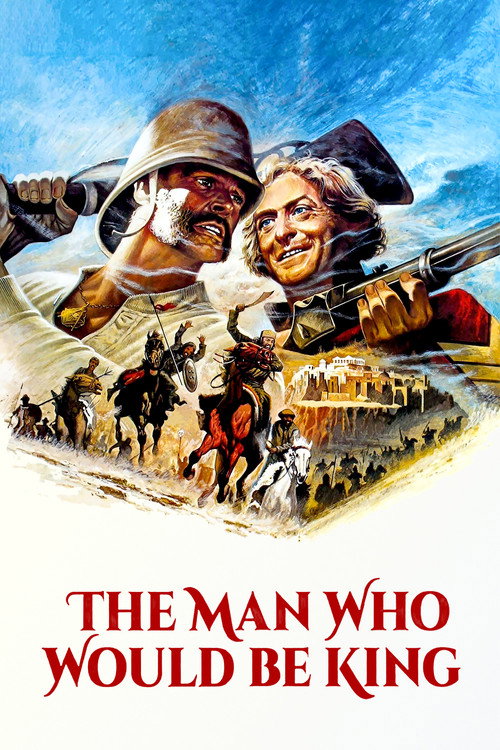
The Man Who Would Be King1975
A colonial-era adventure that actually questions the myth of colonialism rather than celebrating it. Thoughtful about power, masculinity, and the fantasy of empire.
But It's a Huston adventure film—entertaining in a way Sambizanga deliberately is not. The tone and rhythm are entirely different.
Come and See1985
A film about the costs of war on a civilian, shot with unflinching realism. The same commitment to showing suffering without sentimentality.
But It's brutally graphic about violence in ways Sambizanga is not. Also Soviet, from a different context entirely.

La Haine1995
A French film about systemic exclusion and how state violence operates on ordinary lives. Shot in black-and-white, very controlled, very precise about injustice.
But It's set in modern Paris and is angrier, more confrontational. The style is experimental in ways Sambizanga is classical.

Kes1970
A British film about a boy with no power in a system designed to crush him. The same documentary eye for small cruelties and the resilience of the powerless.
But It's set in a school in Yorkshire and is about class rather than colonialism. The mood is quieter, more intimate.

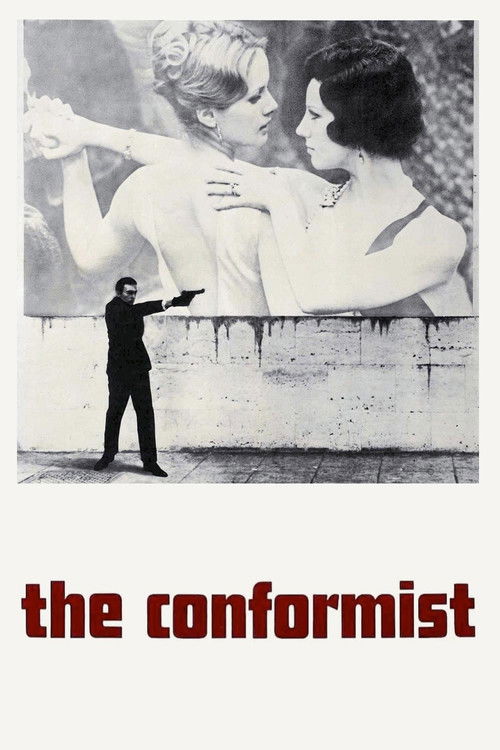
The Conformist1971
An Italian film about a man trying to navigate a fascist system. Beautifully shot but morally complex—less about heroes and villains than about complicity.
But It's much more visually baroque and psychologically twisted. Also about a man, not a woman, and from a different colonial context.
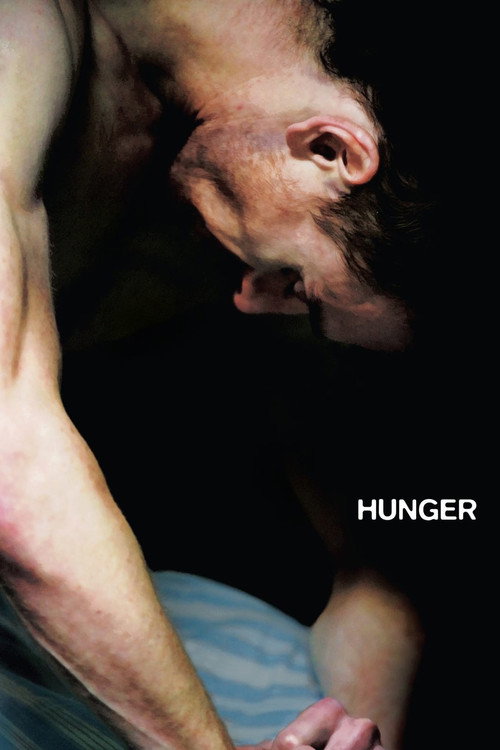
Hunger2008
A film about political prisoners and state repression, shot with austere intensity. Shows resistance as a slow, grinding, unglamorous act of will.
But It's extremely difficult—long takes, minimal dialogue, graphic depiction of bodily degradation. Not contemplative, genuinely punishing to watch.
Dostoevsky's Travels1991
Both are films about how totalitarian systems operate on individuals. Both were made in or about the aftermath of empire. Both are interested in survival as a form of resistance.
A Georgian film made as the Soviet Union collapsed, about a writer in a society that silences him. Made in the actual moment of that system's end, it has the weight of real historical crisis.
But It's a portrait of an artist, not a political narrative. Slow, metaphorical, shot in a style that won't resolve neatly. Very obscure.
People
Cast
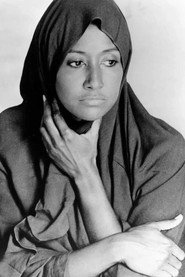 Elisa AndradeMaria
- Domingos de OliveiraDomingos
- Jean M'VondoPetelo
- Dino AbelinoZito
- Benoît MoutsilaChico
- TalagongoMiguel
- Lopes RodriguesMussunda
- Henriette MeyaBébiana
- Manuel VideiraPIDE Agent
- Ana WilsonNarrator (voice)
Directing
- Sarah MaldororDirector
Writing
- Claude AgostiniDialogue
- Maurice PonsDialogue
- Luandino VieiraNovel
- Claude AgostiniScreenplay
- Maurice PonsScreenplay
- Mário Pinto de AndradeWriter
Production
- Jean VelterProduction Manager