
Film
Boy Interrupted
- Drama
- Very dark
- Slow-burning
A documentary by Evan's parents about their 15-year-old son's bipolar disorder and suicide. It's unflinching but tender, made with the intimacy only family can bring—home videos, interviews, medical records, the texture of a life cut short. For anyone who's lost someone to mental illness, or wants to understand what that loss looks like from the inside.
Should you watch it?
Watch it if you want a patient documentary that treats one family's grief as something to understand rather than something to consume, and you can stay with a hard subject.
Skip it if the subject is heavy enough to linger for days, so if mental illness or suicide is raw for you right now, this will press on those bruises.
What it asks of you: Ninety-two minutes of steady, unhurried attention, with years moving in a loose, circling order through interviews and the parents' own camera work, and little relief in between.
Not sure? Find tonight's pick in a minute.
If you liked this
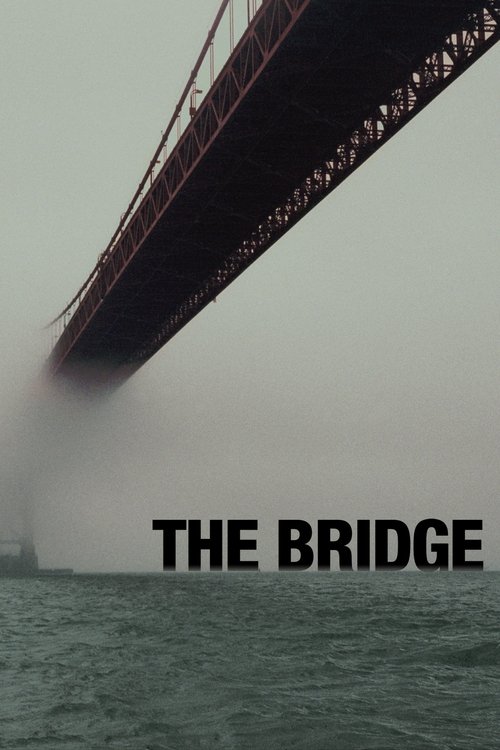
The Bridge2006
A documentary about Golden Gate Bridge suicides that approaches the subject with philosophical depth and surprising compassion. It asks hard questions about depression, connection, and the moments before irreversible decisions.
But The subject matter is heavy and unrelenting. Some footage is genuinely difficult to watch, and the film doesn't look away from suffering.
Crazy Heart2009
A father's documentary about his adult son's mental illness and eventual suicide. Like Boy Interrupted, it's made by someone grieving their own child, bringing raw honesty and the specific texture of family life into focus.
But The parallel structure might feel too similar. If you're watching these back-to-back, the emotional repetition could overwhelm rather than deepen.
Requiem for a Dream2000
A visceral portrait of four people's descent into addiction and mental collapse. It captures the chaos and isolation of mental illness without the comfort of explanation—devastating and artistically brilliant.
But It's bleak and unsparing in ways that feel almost punishing. The formal experimentation, while powerful, can feel manipulative if you're already grieving.

Not sure tonight? Get a pick in a minute, starting from Boy Interrupted
The wildcard
Something you would not have found on your own.
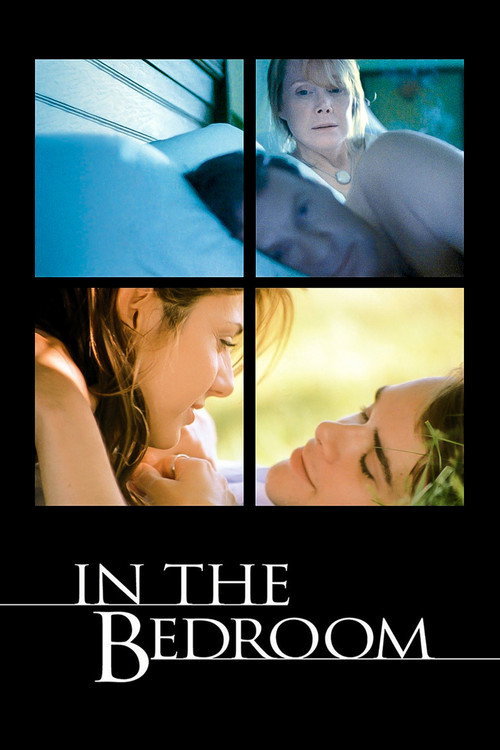
In the Bedroom2001
Both films are portraits of a family after an incomprehensible loss of a child. Neither film tries to explain away the pain or find redemptive meaning—they simply show what remains and how people move through it.
A grief film disguised as a revenge drama. After their son is murdered, a couple navigates the impossible task of continuing to exist together. It's glacially paced, deeply interior, and about the particular way loss rewires a marriage.
But Nothing happens in the conventional sense. It's a film about endurance and emotional erosion, not catharsis or resolution.
More like this (7)
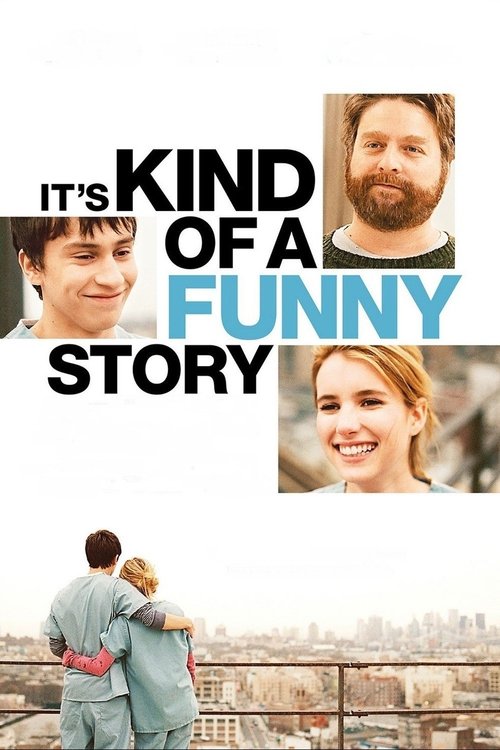
It's Kind of a Funny Story2010
A thoughtful comedy-drama about a teenager in a psychiatric hospital. It takes depression seriously while finding moments of genuine humor, warmth, and the possibility of recovery.
But The hopeful ending might feel glib after watching Boy Interrupted, or the comedy beats might jar against the real weight of the subject.
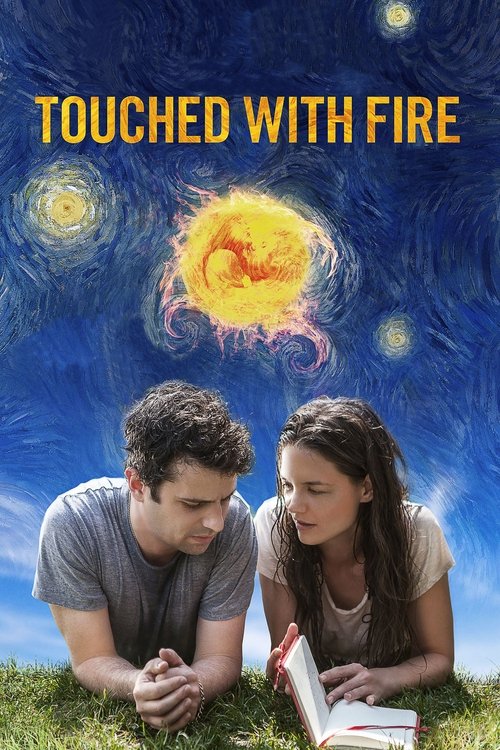
Touched with Fire2016
Two bipolar poets fall in love in a psychiatric facility. It's a nuanced look at how mental illness shapes relationships, creativity, and the hunger for connection even when the brain is working against you.
But The romance plot could feel like it trivializes or romanticizes bipolar disorder. Some viewers find the tone uneven.
The Farewell2019
A family drama about grief, cultural difference, and what we owe the people we love. It explores how families process loss and keep going in very different ways, with both humor and ache.
But The central tragedy is handled obliquely, which some might find evasive after the direct confrontation Boy Interrupted demands.

Elephant2003
Gus Van Sant's formal masterpiece about a school shooting, told through overlapping perspectives and long, patient takes. It's less about explanation than it is about witnessing the ordinary before tragedy.
But It deliberately refuses to assign motive or blame, which some find frustrating. The pacing is glacial and might feel evasive rather than respectful.

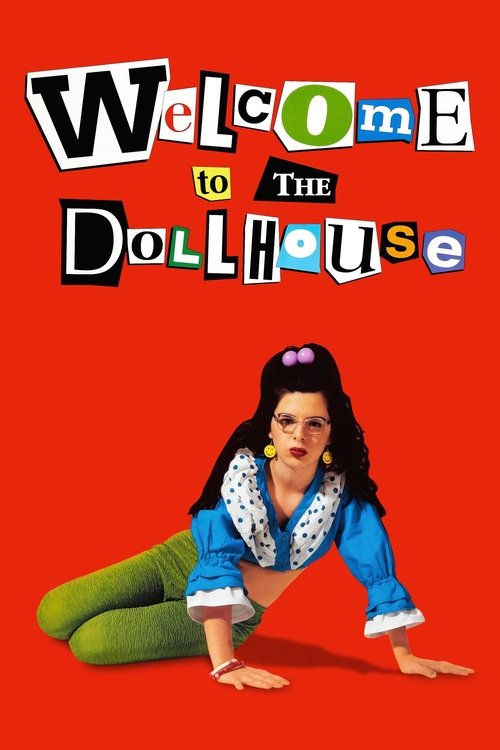
Welcome to the Dollhouse1996
A dark comedy about a socially destroyed middle-schooler. It's cruel and funny and true about adolescent despair—not a suicide film, but a portrait of the years that precede unthinkable decisions.
But The tone is abrasive and sometimes callous. The humor works as deflection, which some viewers experience as disrespect to the subject.
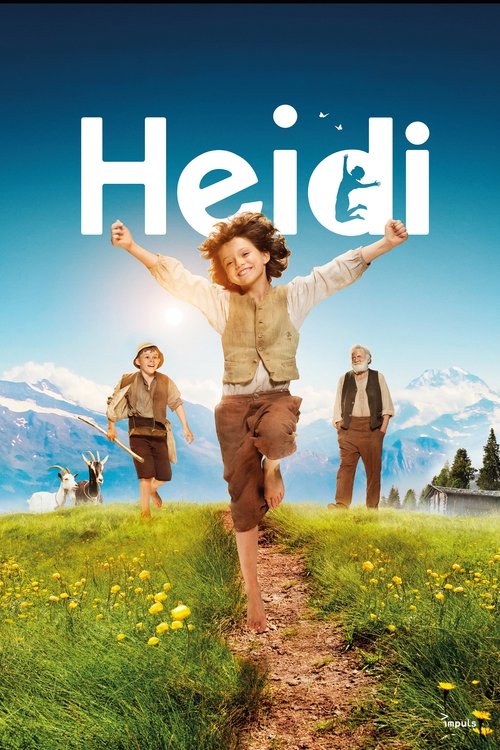
Heidi2015
Both films are made by parents after losing a child to suicide. But where Boy Interrupted uses family video and interview, Heidi is more formally experimental—treating grief as a philosophical problem to be thought through, not just witnessed. It's the art-house answer to the same unbearable question.
A Swiss documentary about a woman who, after her son's suicide, begins a rigorous, philosophical investigation of grief itself. It's poetic and strange, built from interviews, landscape, and her own narration wrestling with the unanswerable.
But It's conceptually demanding and structurally unusual. If you want straightforward narrative, this will frustrate you. Some find it too abstract about a concrete tragedy.
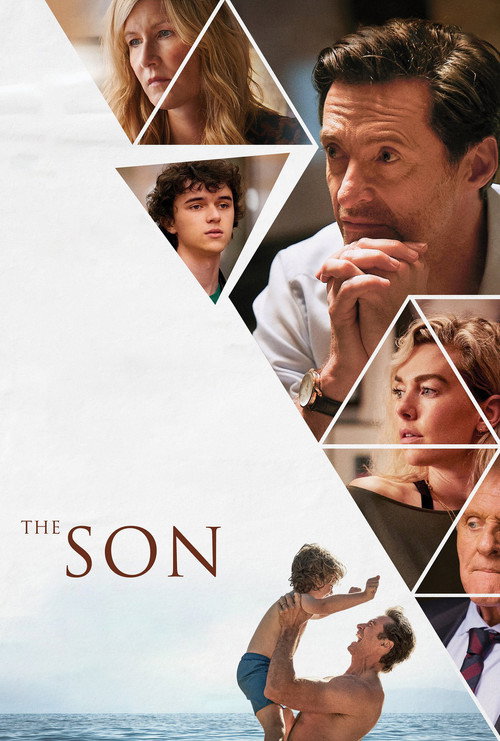
The Son2022
A parent watching their child's mental illness from the outside, trying to understand, trying to help, failing. But where Boy Interrupted is documentary and retrospective, The Son is narrative and immediate—the difference between looking back at a loss and watching it happen in real time. It's bipolar disorder experienced as vertigo rather than as memory.
Florian Zeller's film about a father confronting his adult son's depression and suicidality. It uses formal fragmentation to embody the confusion and disorientation of watching someone you love disappear into mental illness while remaining physically present.
But The formal tricks—timeline jumps, perspective shifts—can feel overwrought. Some see it as style obstructing clarity when the subject demands plainness.
People
Cast
- Evan Scott PerryHimself
 Dana Heinz PerrySelf - Evan's Mother
- Hart PerrySelf - Evan's Father
- Nicholas Kopple-PerrySelf - Evan's Half-Brother
- Karen RiposoSelf - Teacher
- Ladd SpiegelSelf - Doctor
- Suzanne HannaSelf - Psychologist
- Dan MurraySelf - Wellspring Psychologist
- Aidan ShiminovSelf - Friend
- Will AxelrodSelf - Friend
- Gabriel ByerSelf - Friend
- Adam ShachatSelf - Friend
Directing
- Dana Heinz PerryDirector
Production
- Dana Heinz PerryProducer
- Audrey CostadinaProduction Coordinator
- Emily OsborneProduction Coordinator
- Jessie Vogelson ChildsProduction Coordinator
- Lindsay NapolitanoProduction Coordinator