
Television series
Bishoujo Senshi Sailor Moon
The original magical-girl juggernaut, where a crybaby middle-schooler discovers she's the reincarnation of a moon princess destined to fight for love and justice. It's silly, sincere, and endlessly rewatchable — transformation sequences, monster-of-the-week battles, a slowly assembling girl-gang, and genuine emotional stakes underneath the sparkles. For anyone who wants their nostalgia with real heart.
If you liked this
Cardcaptor Sakura1998no page yet
CLAMP's gentler, more melancholic take on the magical-girl formula — Sakura collecting mystical cards instead of fighting monsters, but the same warmth, the same slow-build friendships, the same joy in transformation.
But Much quieter pacing, more slice-of-life than action, and some filler stretches early on.
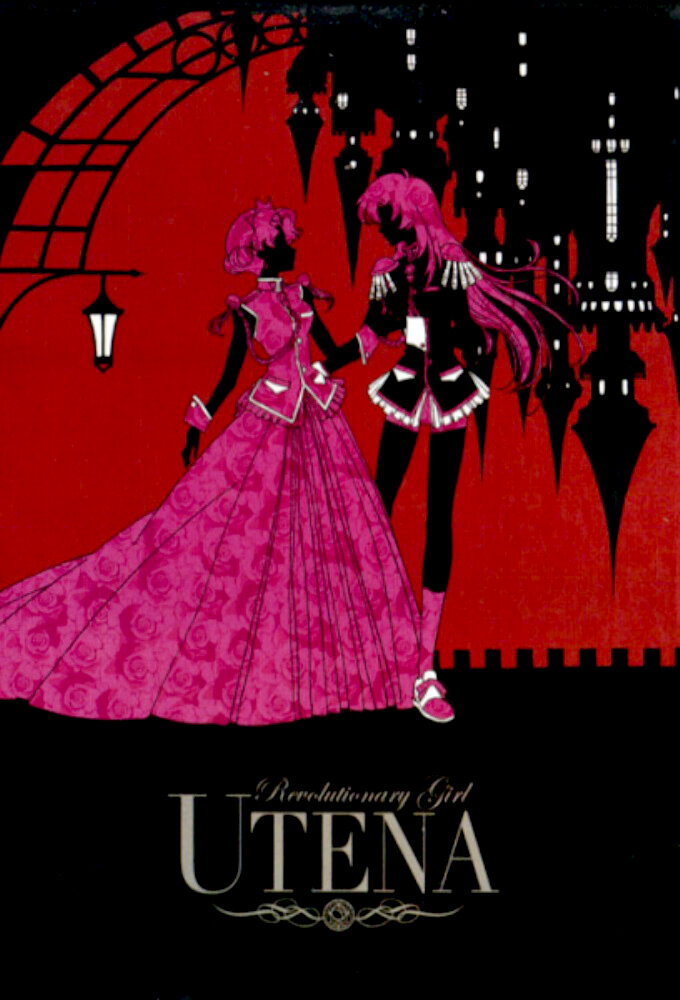
Revolutionary Girl Utena1997
Takes the genre's iconography — roses, princes, transformation — and turns it into something strange, psychologically dense, and quietly radical about gender and power.
But Deliberately surreal and symbolic; if you want straightforward adventure, this will frustrate you.
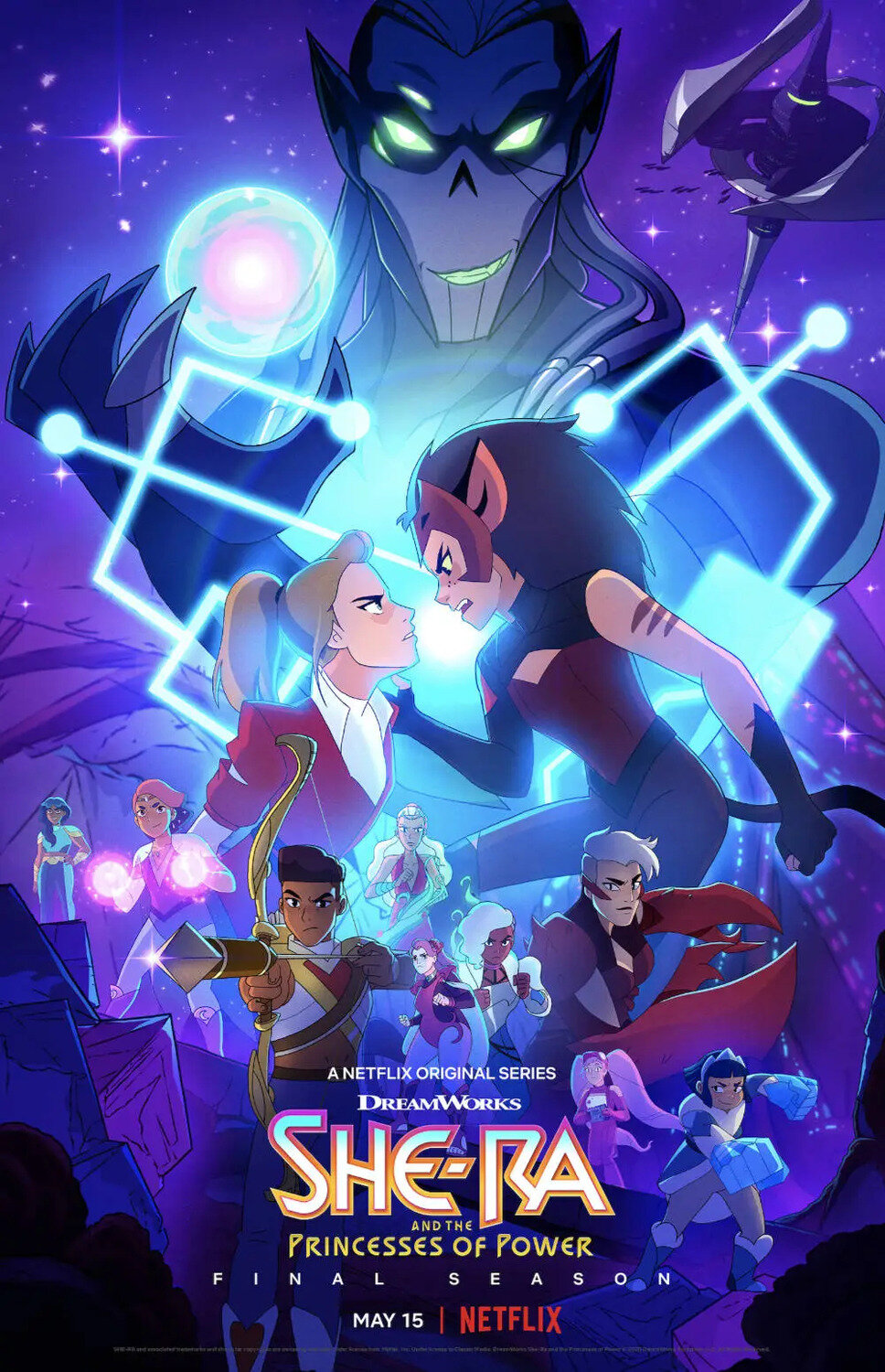
She-Ra and the Princesses of Power2018
A modern Western cousin — a chosen girl, a sword, a team of differently-powered friends, and genuine emotional arcs that build toward something surprisingly moving.
But Its early seasons lean younger and brighter before the show earns its later depth.
The wildcard
Something you would not have found on your own.
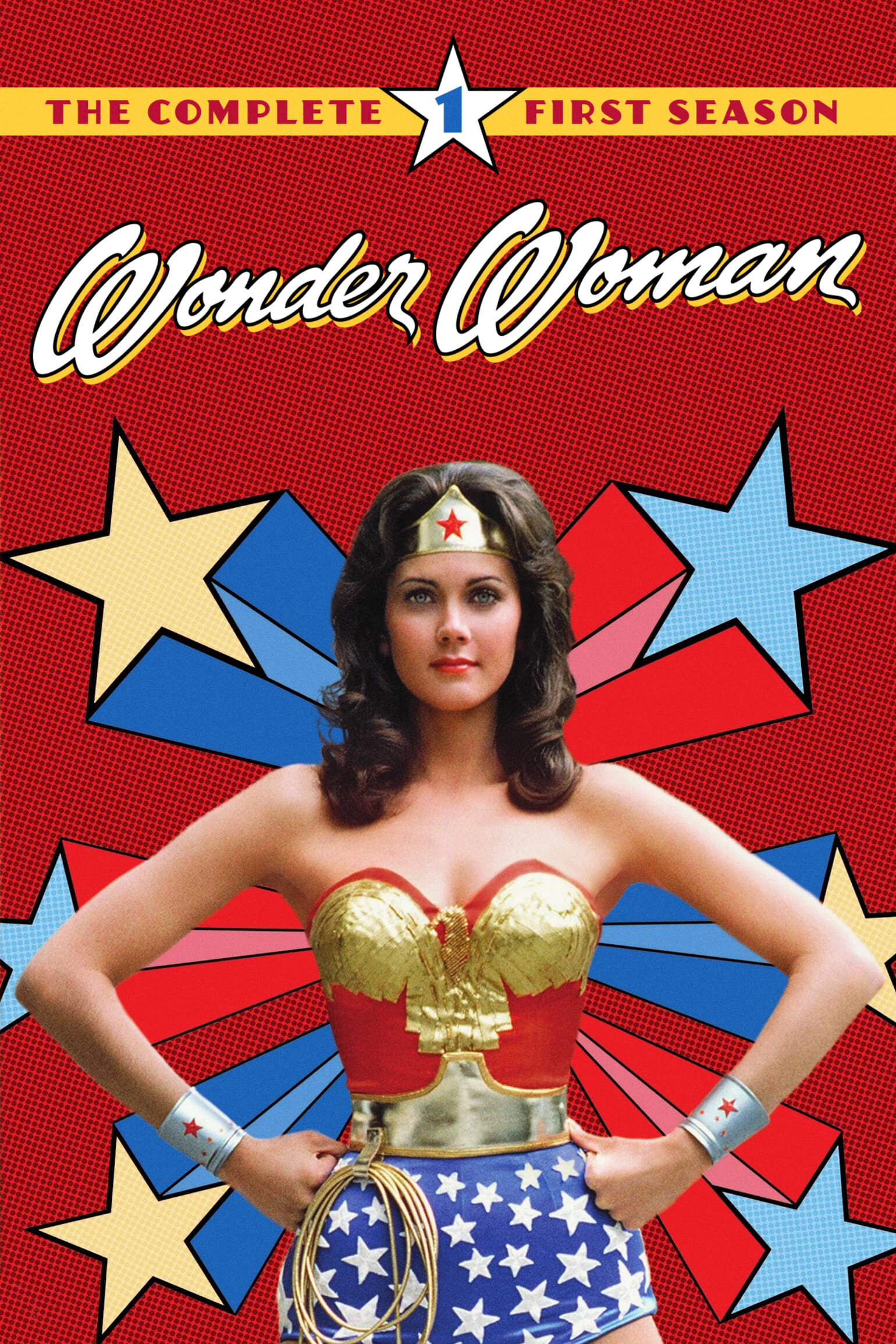
Wonder Woman1975
Sailor Moon's transformation-and-justice structure has real roots in the superheroine tradition Wonder Woman popularized on TV — same DNA, decades earlier, in a completely different medium.
Decades before Usagi ever cried over a compact mirror, this show gave us the transformation-into-justice-warrior template — secret identity, superhuman purpose, the whole shape of the genre in live action.
But Seventies production values and earnest camp will feel a world away from anime polish.
More like this (8)
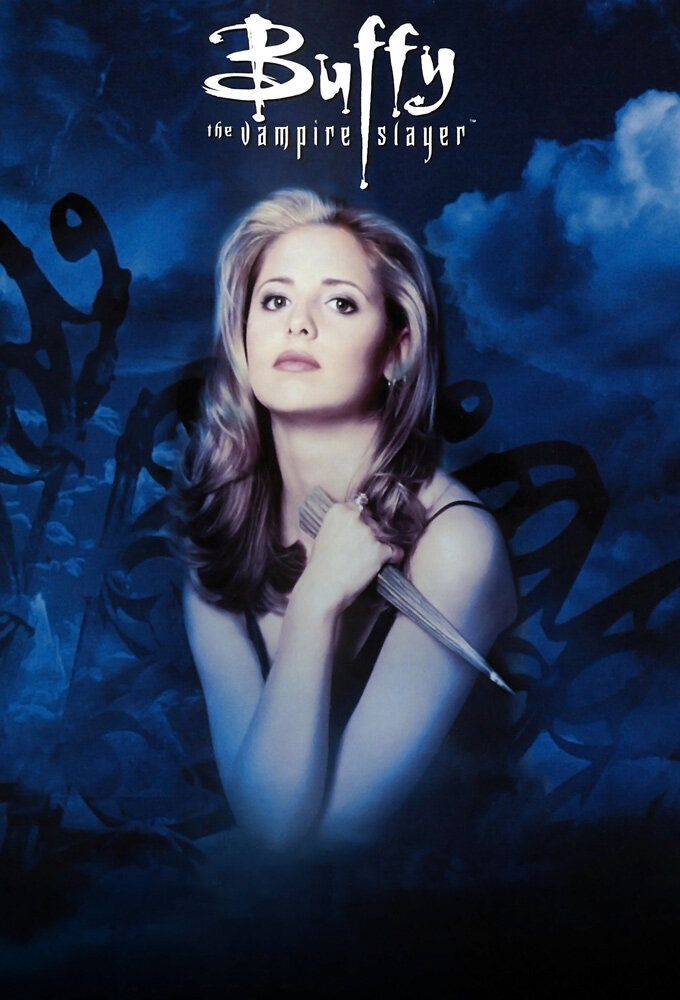
Buffy the Vampire Slayer1997
Another secretly-powerful teenage girl balancing monster-fighting with school and heartbreak, with the same monster-of-the-week rhythm and a tight-knit found family at its center.
But Nineties fashion and effects show their age, and the tone is drier, less earnestly sweet.
My Hero Academia2016
Swap romance for punching, but keep the coming-of-age structure — an ordinary kid discovering extraordinary power alongside a whole cohort of differently-gifted classmates.
But Shonen pacing runs long, and the tournament arcs can feel repetitive if you're not already a fan.
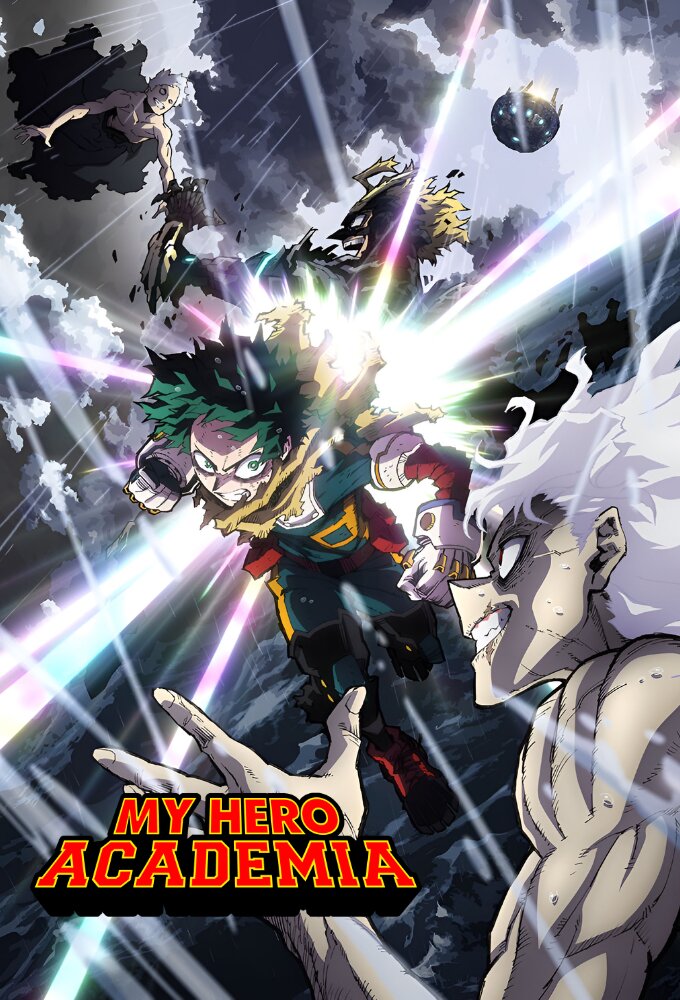
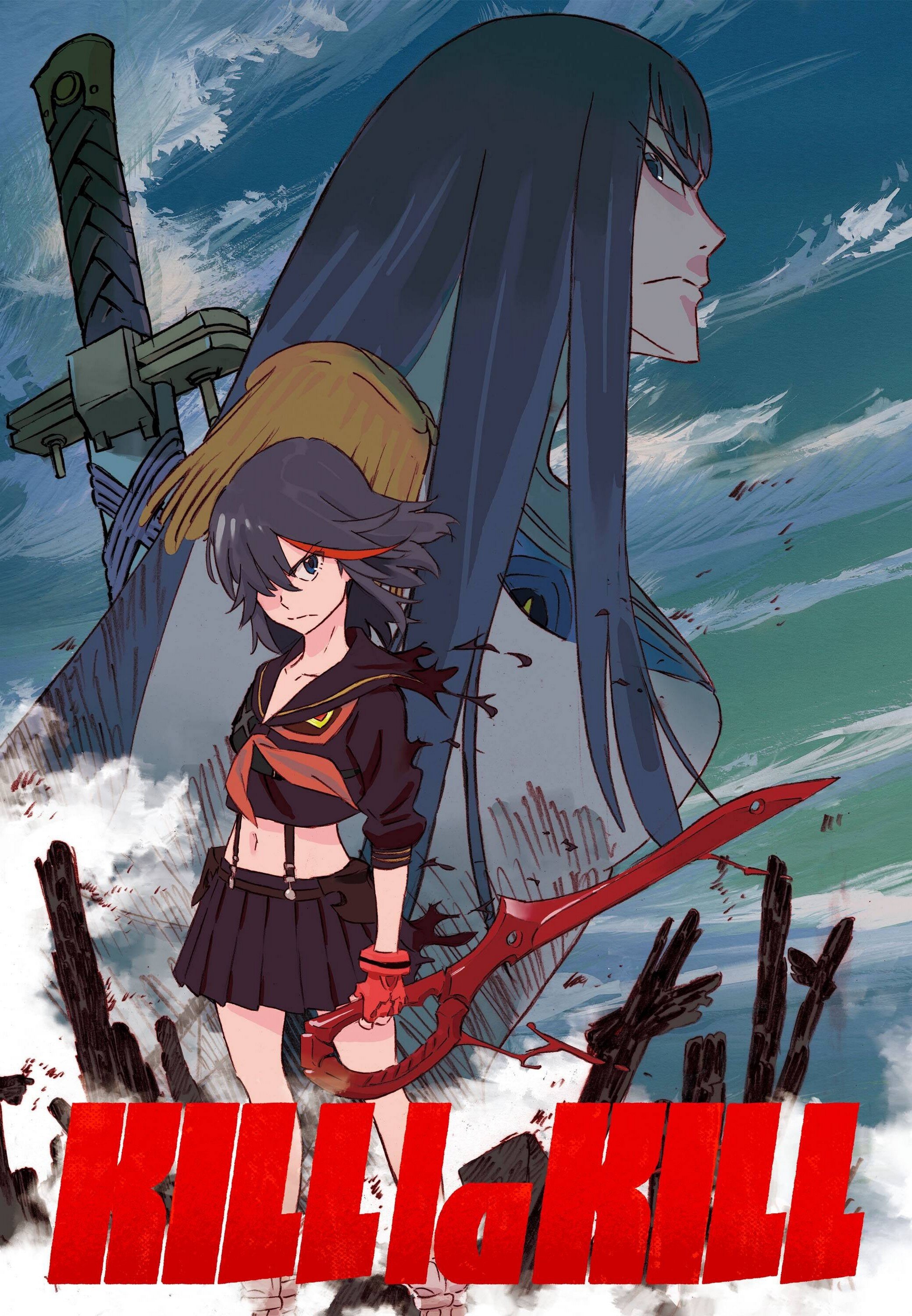
Kill la Kill2013
If you loved the transformation sequences most, this is that idea turned up to eleven — gloriously excessive, fast, funny, and unapologetically strange.
But Heavy fanservice and chaotic energy that some viewers find exhausting rather than exhilarating.
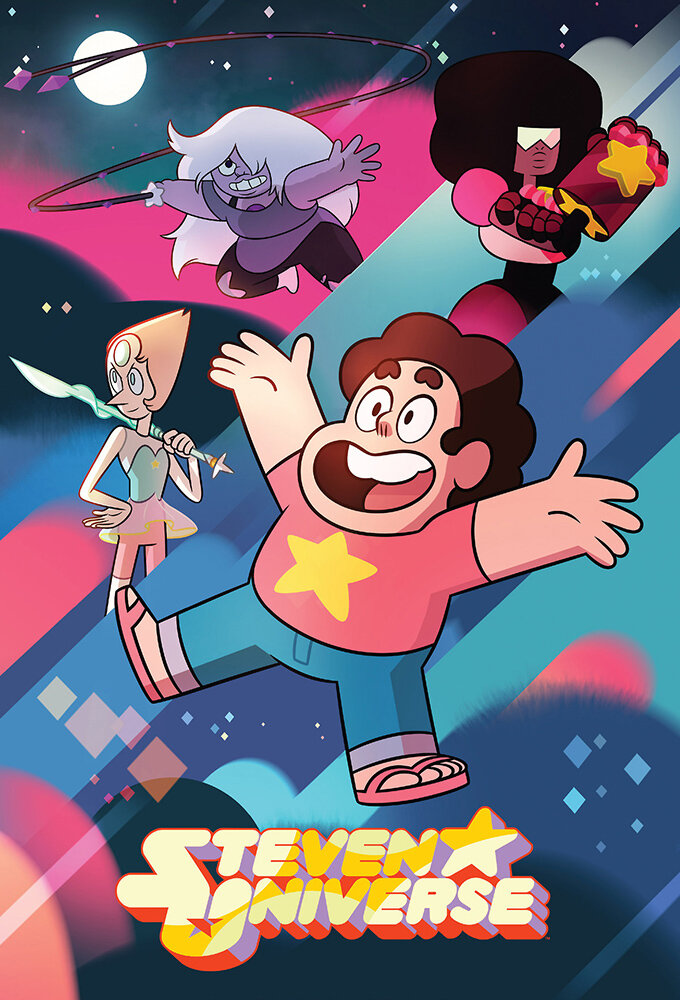
Steven Universe2013
Magical warriors who are also a found family, fighting cosmic threats between quiet, aching moments about love, identity, and grief.
But Starts small and slow; its emotional payoff takes real patience to reach.
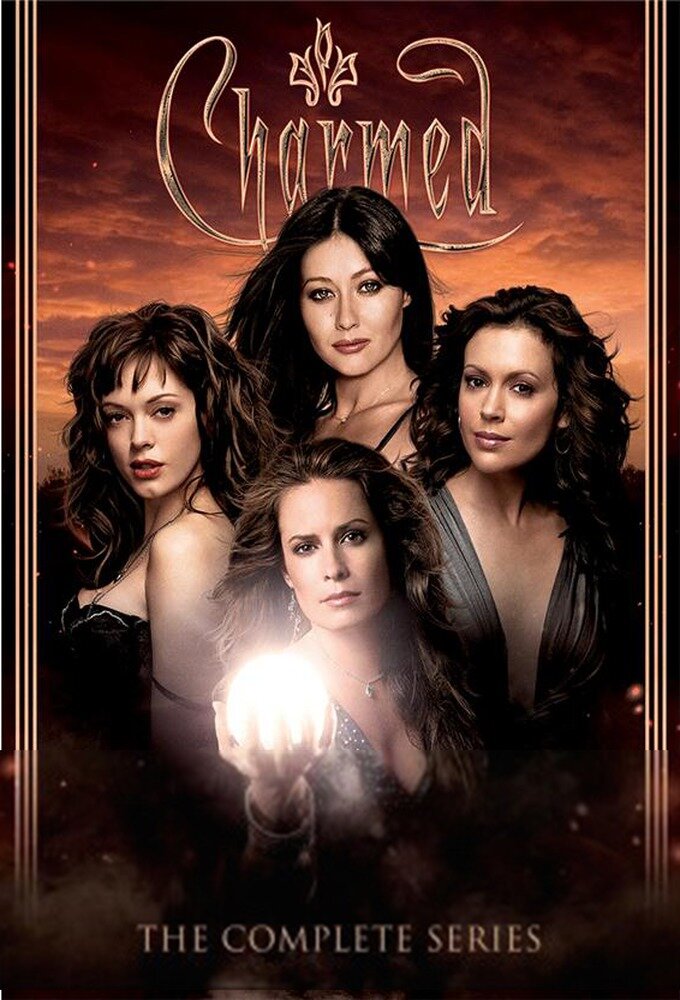
Charmed1998
Three sisters, secret powers, and a demon-of-the-week structure that scratches the same itch for team magic and sisterly bond.
But Campier and more soap-opera than Sailor Moon, with effects that have aged unevenly.
Winx Club2004no page yet
The most direct Western descendant — fairy girls, a magical school, a tight friend group, and villains straight out of the same playbook.
But Aimed at a younger audience, with simpler stakes and less emotional depth.
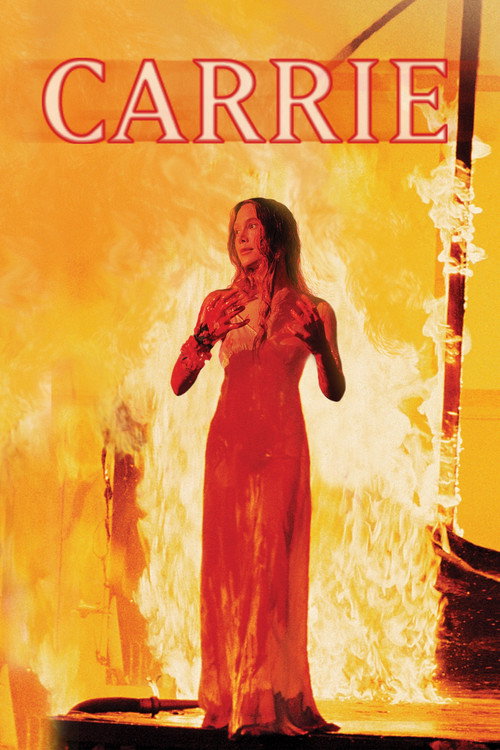
Carrie1976
Same premise stripped of comfort: an ordinary girl with hidden power, but where Sailor Moon finds love and allies, Carrie finds isolation and rage — the dark mirror of the coming-of-age power fantasy.
A teenage girl discovers she has extraordinary power — except here it's a curse, not a calling, and the film asks what happens when that power meets cruelty instead of friendship.
But This is horror, not adventure — tragic, unsettling, and built to devastate rather than delight.
Cutie Honey1973no page yet
Sailor Moon's whole transformation-sequence genre traces directly back to Cutie Honey — this is the source code, made nearly two decades earlier and pitched at a much older audience.
The actual ancestor — Go Nagai's earlier, rawer magical transformation heroine, fighting evil with shapeshifting powers in a show that's stranger, sexier, and rougher around the edges than anything that followed.
But Deliberately adult in tone and design, with a pulpier, more exploitative energy than the show it influenced.
People
Cast




Recommended by
Revolutionary Girl Utena, Charmed, She-Ra and the Princesses of Power, Little Witch Academia, Steven Universe