
Television series
Cardcaptor Sakura
- Fantasy
- Light-hearted
A ten-year-old girl accidentally releases a deck of sentient magic cards and spends the series gently coaxing them back, one clockwork-cute episode at a time. CLAMP's character designs are gorgeous, the tone is soft and unhurried, and the emotional core—about growing up, first crushes, and found family—outlasts the magic. Ideal comfort viewing, especially if you want fantasy without dread.
Should you watch it?
Watch it if you love gentle magical-girl adventures where the monster of the week is really a chance to watch friendships deepen, with bright, warm episodes that never feel rushed.
Skip it if you want a tightly plotted story with stakes that build steadily, since this series wanders through self-contained episodes and its charm lives in small moments more than in momentum.
What it asks of you: Seventy episodes of roughly twenty-five minutes each, so you'll need patience and a willingness to settle into a slow, sunny rhythm that rewards staying with it.
Not sure? Find tonight's pick in a minute.
If you liked this
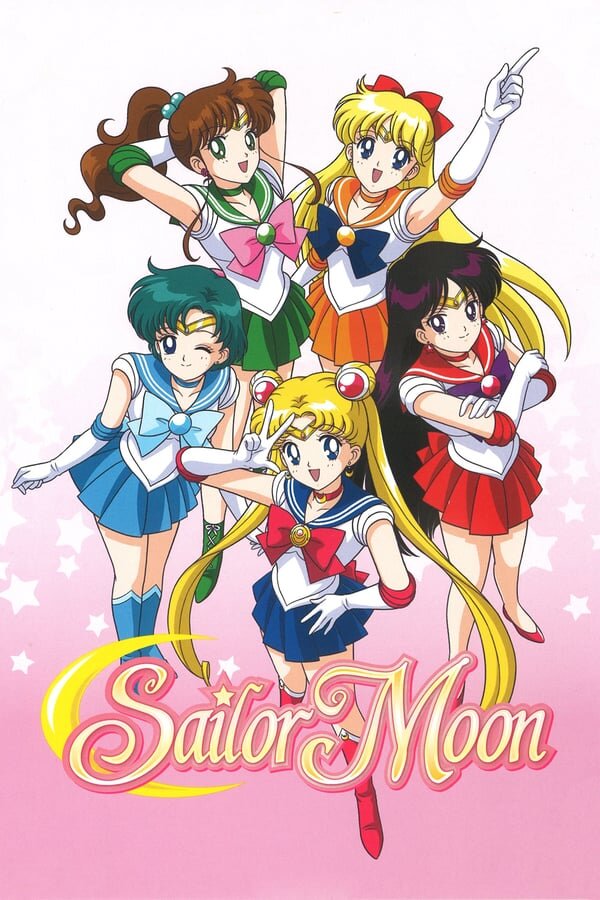
Bishoujo Senshi Sailor Moon1992
The show that built the whole magical-girl genre Sakura plays in—transformation sequences, a found-family team, and the same insistence that kindness is its own kind of power.
But Campier and more repetitive, with a stricter monster-of-the-week formula and less of CLAMP's visual polish.
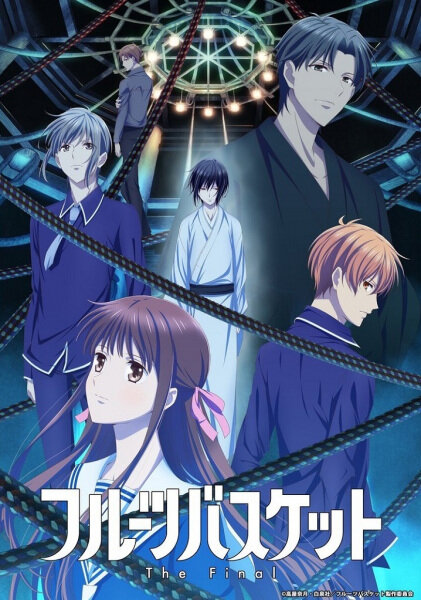
Fruits Basket2019
Another tender fantasy-romance anime where a warm-hearted heroine slowly heals the people around her, with animation and pacing that feel like a spiritual sibling.
But Leans harder into trauma and melodrama than Sakura ever does; expect real tears, not just sniffles.
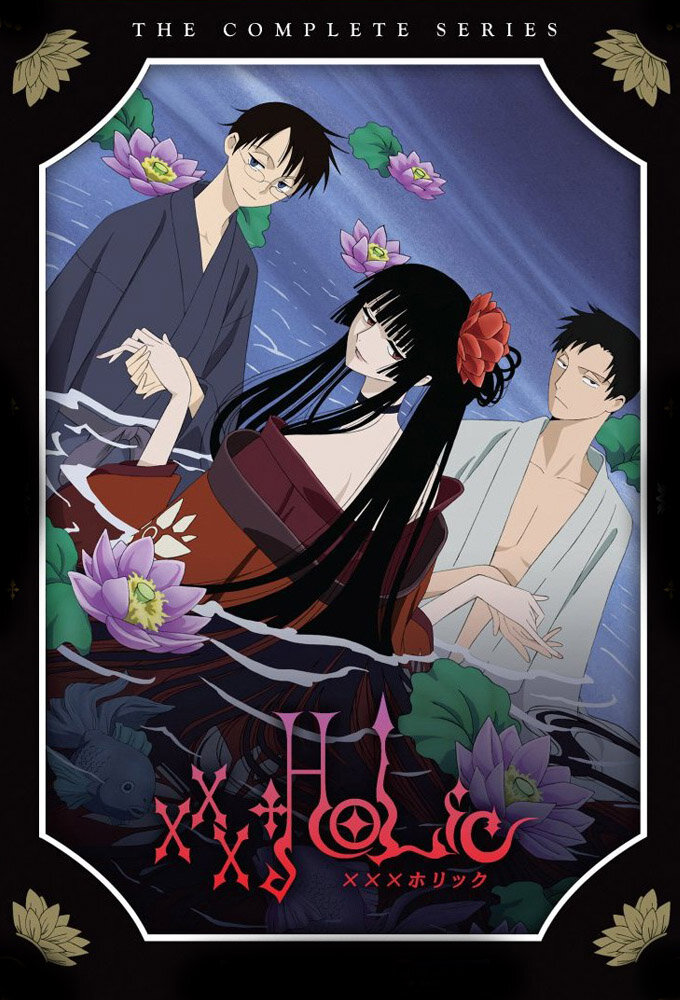
xxxHolic2006
Made by the same CLAMP collective, with the same eye for costume and colour, but aimed at an older audience curious about magic's darker, stranger side.
But Slower and more philosophical, built on ambiguous folklore rather than clear-cut card-catching quests.
Not sure tonight? Get a pick in a minute, starting from Cardcaptor Sakura
The wildcard
Something you would not have found on your own.
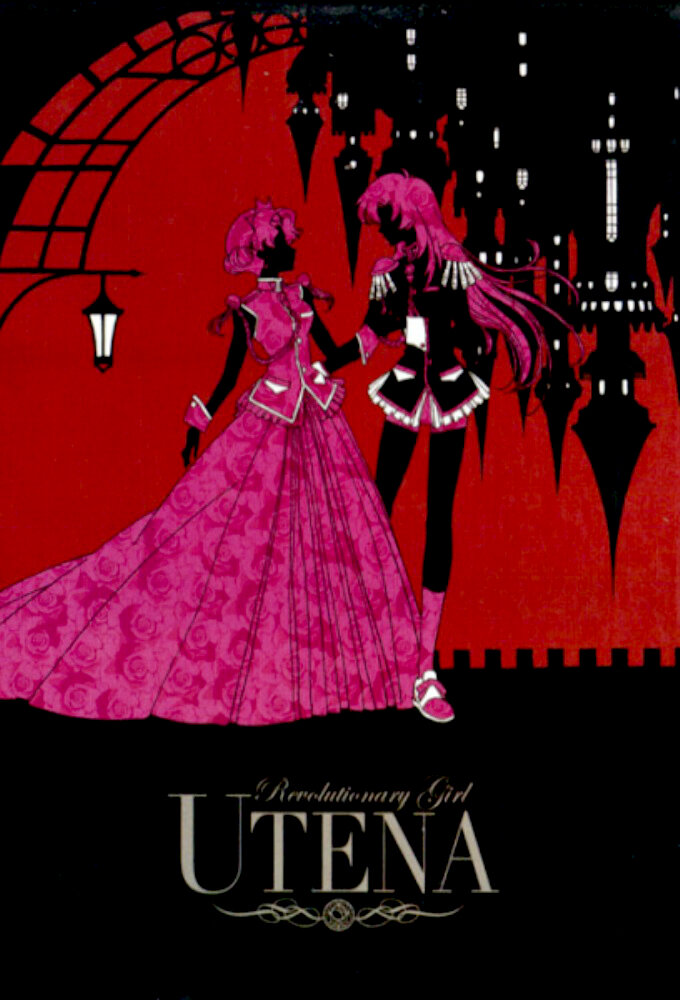
Revolutionary Girl Utena1997
Both are late-90s stories about a schoolgirl entangled in magical duels and doomed romance, but where Sakura's power heals and reconciles, Utena's exposes what fairy tales usually hide.
Gorgeous, strange, and unforgettable—it takes the fairy-tale trappings of girlhood and destiny that Sakura embraces and turns them inside out to expose real cruelty and trauma underneath.
But Deliberately disorienting and heavily symbolic, with disturbing psychological and sexual themes far beyond Sakura's innocence.
More like this (7)
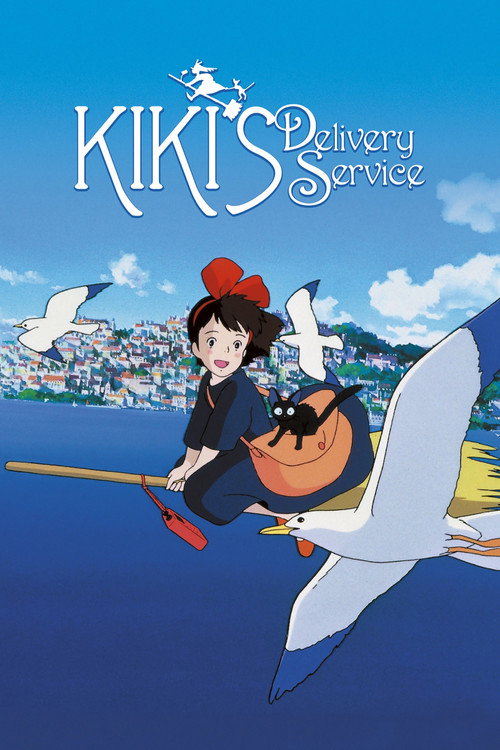
Kiki's Delivery Service1989
Ghibli's answer to the same question—what does it feel like to be a young girl discovering your own magic and independence—rendered with unmatched warmth.
But A single film with no romance subplot or ongoing cast, so the scale and structure feel very different.
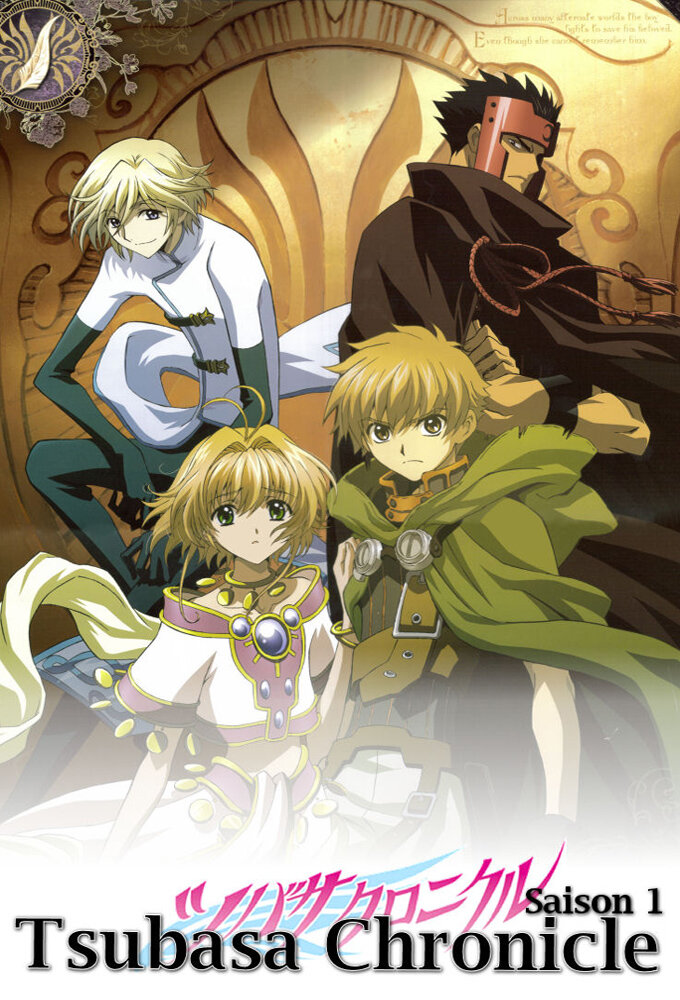
Tsubasa: RESERVoir CHRoNiCLE2005
CLAMP's own multiverse adventure literally borrows Sakura and Syaoran's names and faces, reworking their dynamic into a bigger, action-driven quest.
But Much darker and more violent, with a sprawling multiverse plot that trades cosiness for stakes.
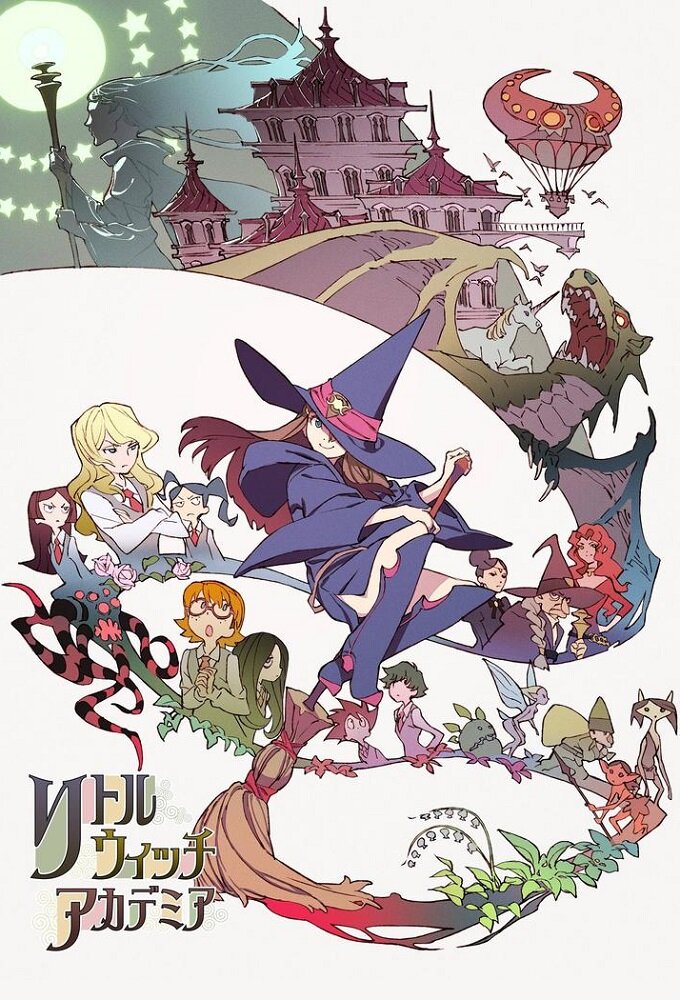
Little Witch Academia2017
A modern magical-girl series with the same delight in mastering magic through hard work and friendship, just louder and more comedic.
But Studio Trigger's kinetic art style and slapstick humour are a world away from CLAMP's soft, dreamy linework.
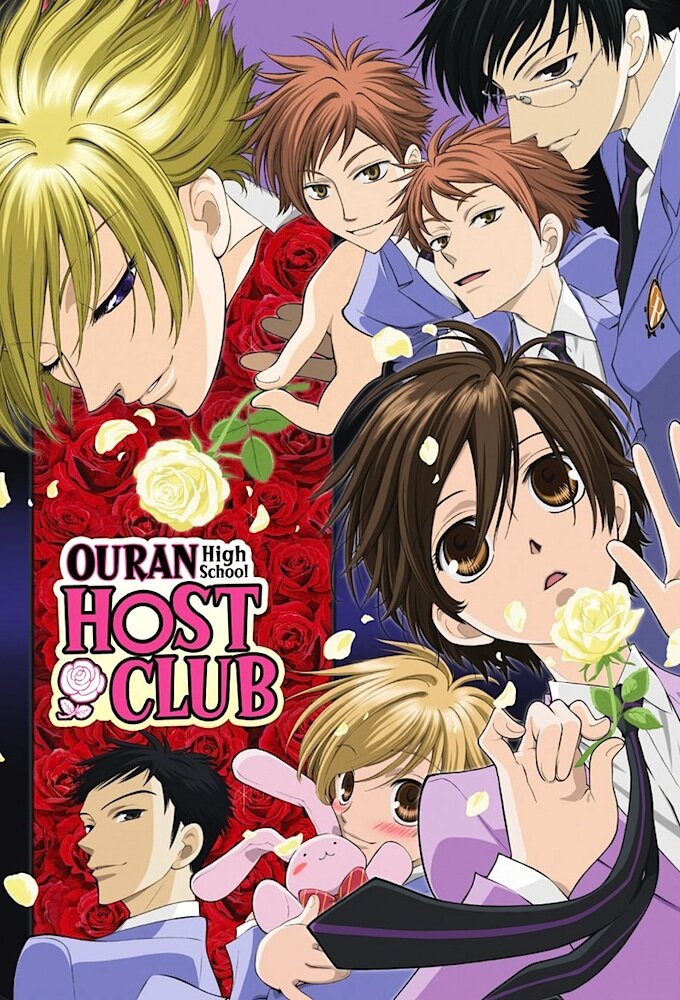
Ouran High School Host Club2006
If it's the school romance and ensemble charm you loved, this delivers a whole cast of oddball crushes and comic misunderstandings.
But No magic at all—purely a romantic comedy, so anyone here for fantasy will be disappointed.
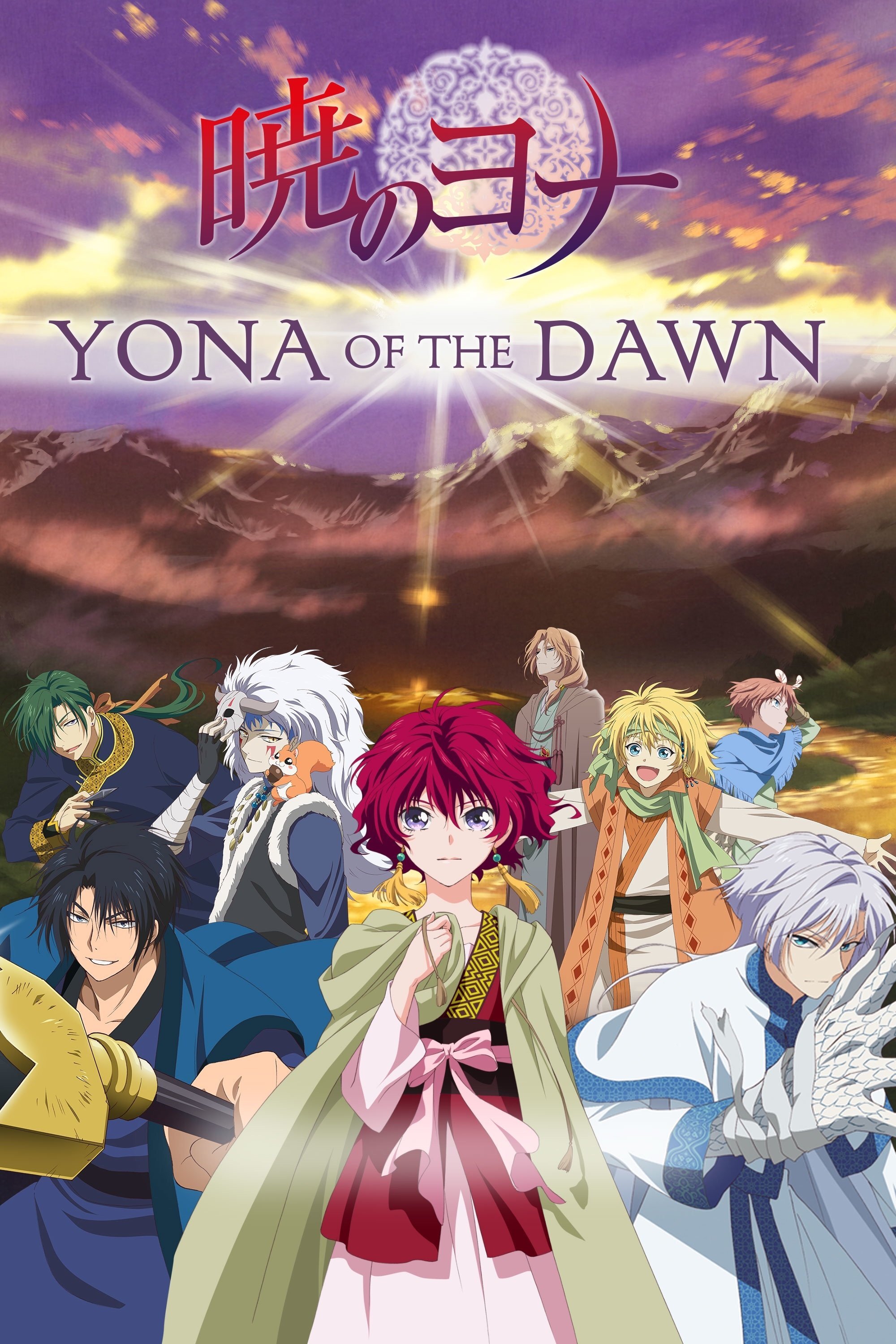
Yona of the Dawn2014
A shoujo fantasy with the same warmth toward its ensemble cast, following a sheltered girl who grows through magic, politics, and found family.
But Considerably more serious, with war and court intrigue replacing gentle card-catching adventures.
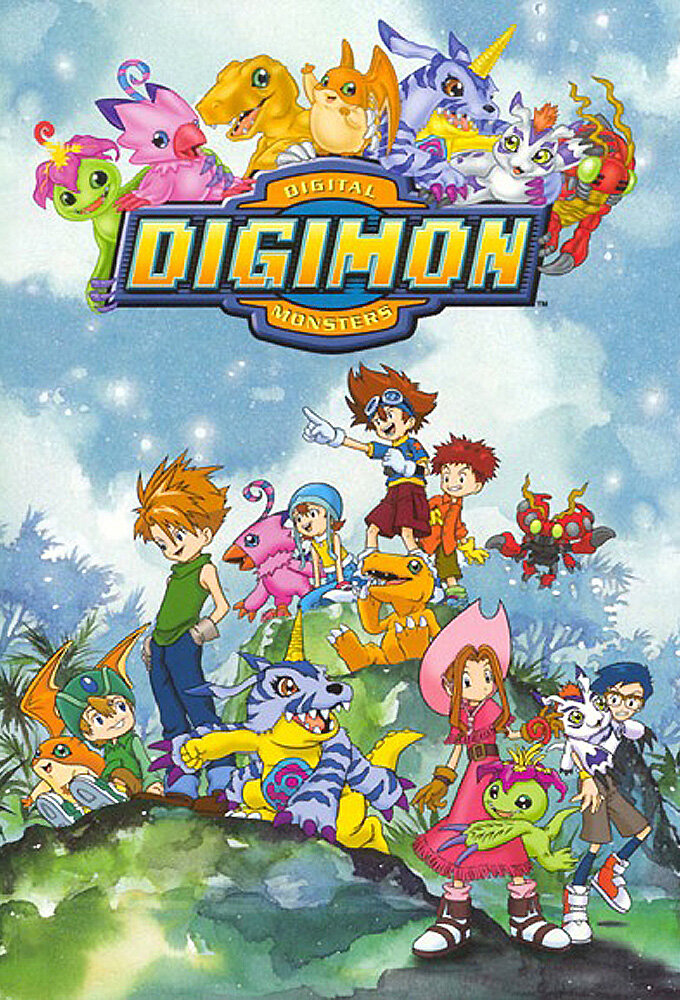
Digimon: Digital Monsters1999
Same era, same childhood-adventure heart, with kids befriending magical creatures instead of catching cards—cosy nostalgia if you grew up alongside Sakura.
But Aimed more squarely at boys, with monster battles replacing romance and quiet character moments.
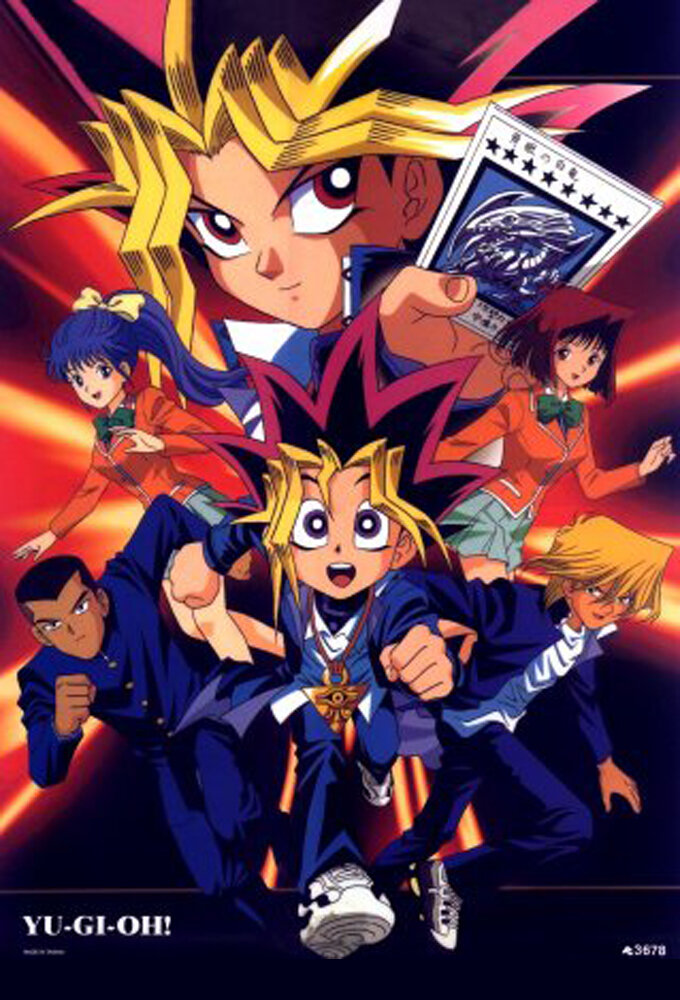
Yu-Gi-Oh!1998
Both shows are built on the same engine—collecting cards charged with living magic—but one aims it at gentle self-discovery and the other at competitive shonen showmanship.
Same year, same premise of collecting mystical cards imbued with power, but redirected into loud, gleeful tournament combat—a total tonal 180 that's a blast in its own right.
But Trades tenderness and romance for shouting duels and rulebook logic; there's no melancholy here, just spectacle.
People
Cast





Recommended by
Revolutionary Girl Utena, Little Witch Academia, Bishoujo Senshi Sailor Moon, Escaflowne, Princess Tutu, xxxHolic, Tsubasa: RESERVoir CHRoNiCLE, Magical Girl Lyrical Nanoha, Marmalade Boy, Fushigi Yuugi, Beyblade, Hirogaru Sky! Precure, Pretty Cure All Stars DX: Everyone Is a Friend - A Miracle All Pretty Cures Together, Yes! Precure 5: The Great Miracle Adventure in the Country of Mirrors, Tokyo Mew Mew, Smile PreCure!, Bishoujo Senshi Sailor Moon Crystal, Marmalade Boy, Magic Knight Rayearth, Fate/Kaleid Liner Prisma Illya