Television series
Yuki Yuna wa Yusha de Aru
A magical-girl anime that starts as cheerful school-club adventure and quietly devastates you with the price of heroism. Five middle-schoolers transform to fight interdimensional threats, but each victory costs them something irreplaceable. It's tender, brutal, and genuinely affecting—a show about sacrifice that doesn't sentimentalize suffering.
Should you watch it?
Watch it if you like transformation-and-battle team stories with a schoolyard heart, where the monster fights carry real weight and the friendships are the real stakes.
Skip it if you want a quick, self-contained watch, since three seasons and 36 episodes ask for a long commitment and the early going is slow to establish its stakes.
What it asks of you: Thirty-six episodes of about 25 minutes across three seasons, a long steady run, with a cast of schoolgirls to keep track of and club rules to absorb.
Not sure? Find tonight's pick in a minute.
If you liked this
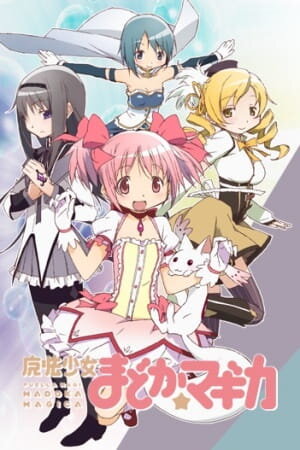
Mahou Shoujo Madoka Magica2011
The template for magical-girl deconstruction: girls granted wishes discover the horrifying machinery beneath their powers. Like Yuki Yuna, it wraps philosophical horror in pastel aesthetics and genuine emotional devastation.
But The tonal shift from whimsy to tragedy alienates viewers wanting straightforward magical action. Some find the ending abstractly bleak rather than cathartic.
Sora yori mo Tooi Basho A Story that leads to the Antarctica2018
Four girls chase an impossible dream across the globe. It has Yuki Yuna's gift for making ordinary moments feel sacred, and its willingness to let characters suffer real consequences for their choices.
But It's fundamentally optimistic—if you want unrelenting darkness, this rebuilds hope. Some find the earnestness saccharine rather than earned.

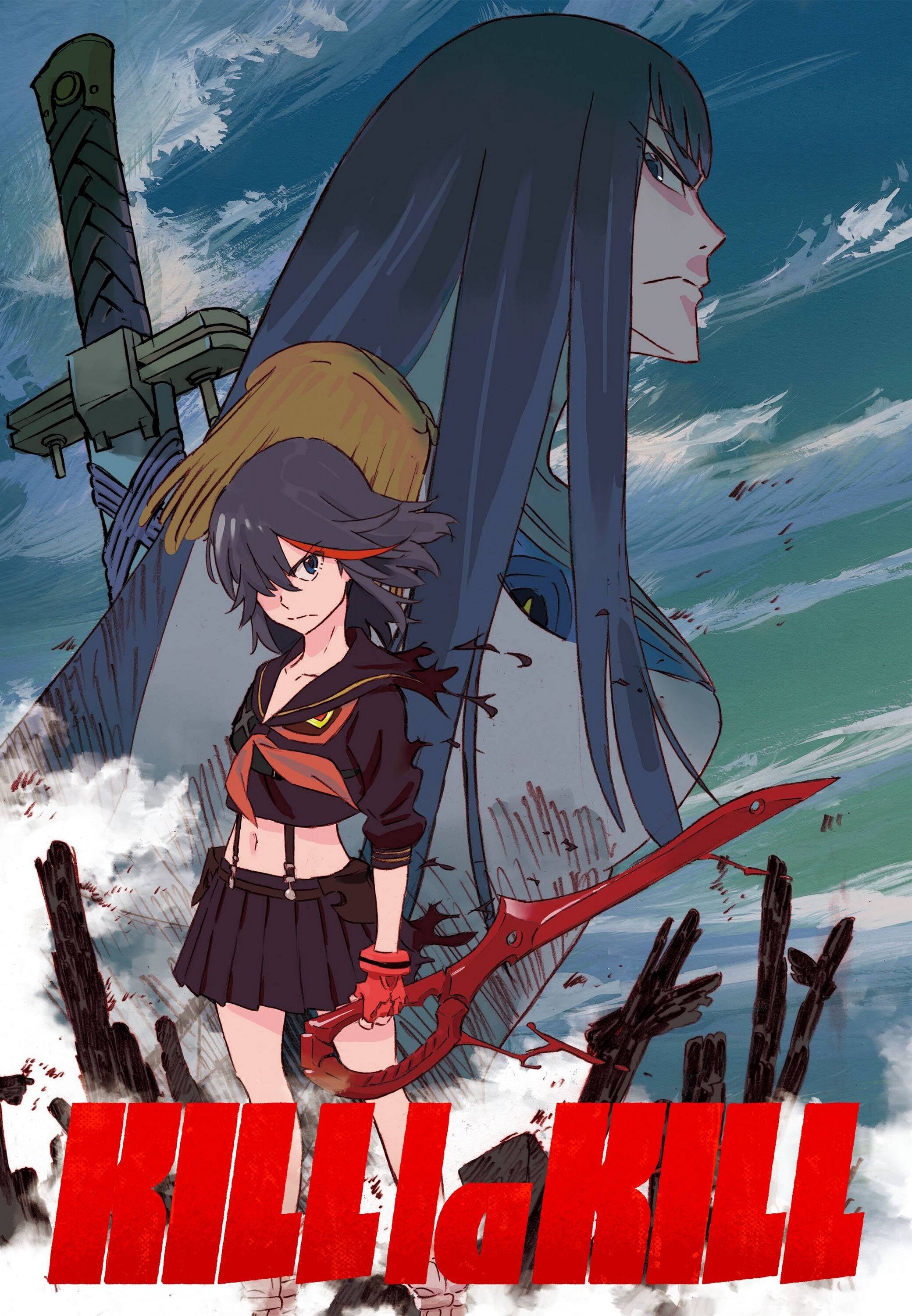
Kill la Kill2013
Explosive action wrapped around a quietly serious story about bodily autonomy and what it costs to fight systems designed to exploit you. Shares Yuki Yuna's skeleton: girls with transformations, escalating stakes, power as wound.
But The fanservice-heavy animation is intentionally provocative and will alienate viewers regardless of the thematic justification. Pacing is relentless to the point of exhaustion for some.
Not sure tonight? Get a pick in a minute, starting from Yuki Yuna wa Yusha de Aru
The wildcard
Something you would not have found on your own.
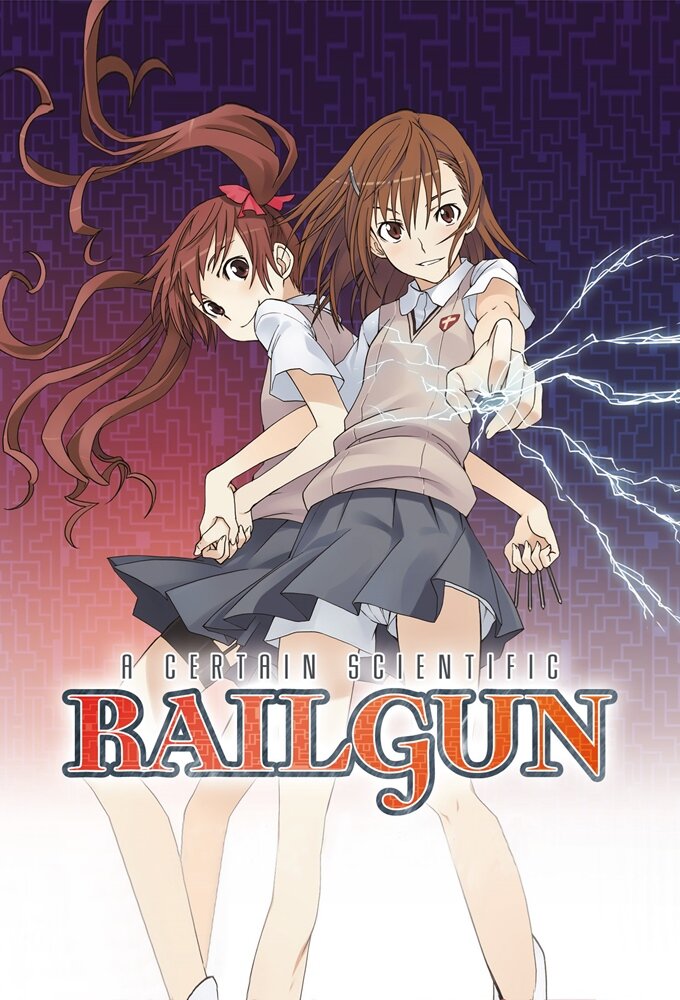
A Certain Scientific Railgun2009
Both follow ordinary girls suddenly conscripted into conflict; both explore whether fighting for others' salvation destroys you or defines you.
A spinoff from A Certain Magical Index that accidentally became better than its source: a girl with electromagnetic powers navigates a city where science and sorcery collide. It shares Yuki Yuna's architecture—ordinary schoolgirl, extraordinary responsibility—but inverts the cost: here, becoming a hero means integrating into systems of power rather than being broken by them.
But The series has confusing entry points with multiple timelines and crossovers. Some arcs feel drawn out, and the animation quality fluctuates wildly across seasons.
More like this (5)
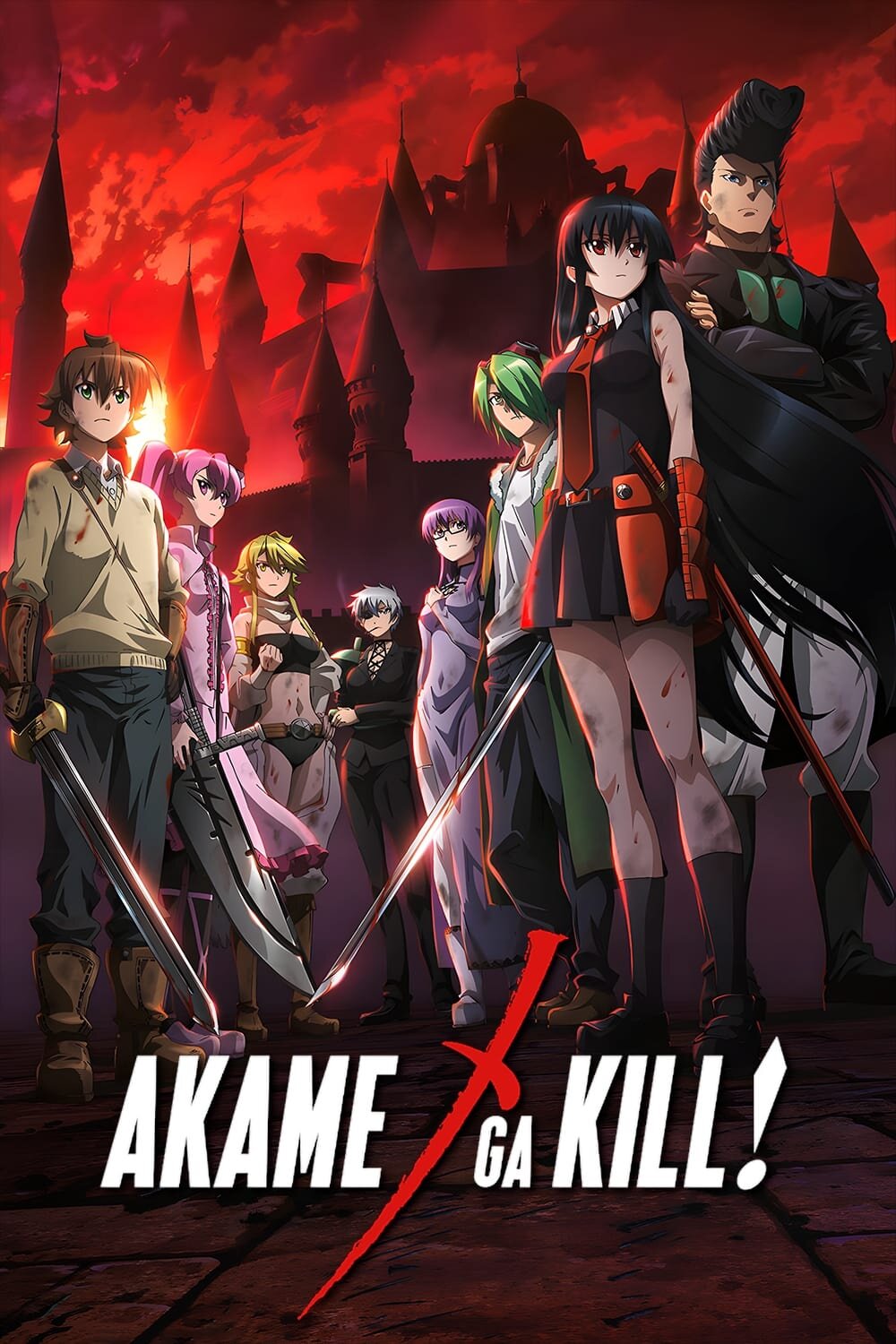
Akame ga Kill!2014
Assassins fighting an empire where victory and survival aren't guaranteed. Each character death lands because the show builds you to love them first. The same brutal calculus as Yuki Yuna: heroism as attrition.
But The darkness can feel edgy rather than earned; character deaths sometimes prioritize shock over narrative weight. Tonal consistency wavers.
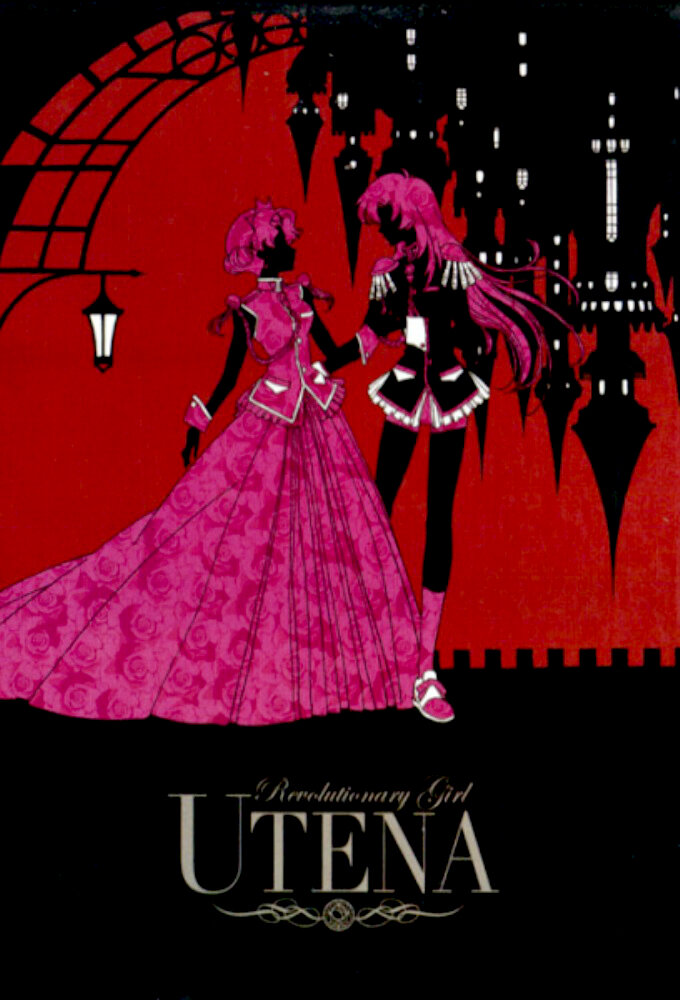
Revolutionary Girl Utena1997
A surreal, theatrical deconstruction of fairy tales and power. Like Yuki Yuna, it questions what heroism really means and whether transforming into a savior is freedom or cage. Endlessly layered.
But The symbolism is deliberately obscure and requires real attention. The pacing is slow and experimental in ways modern audiences often find inaccessible.
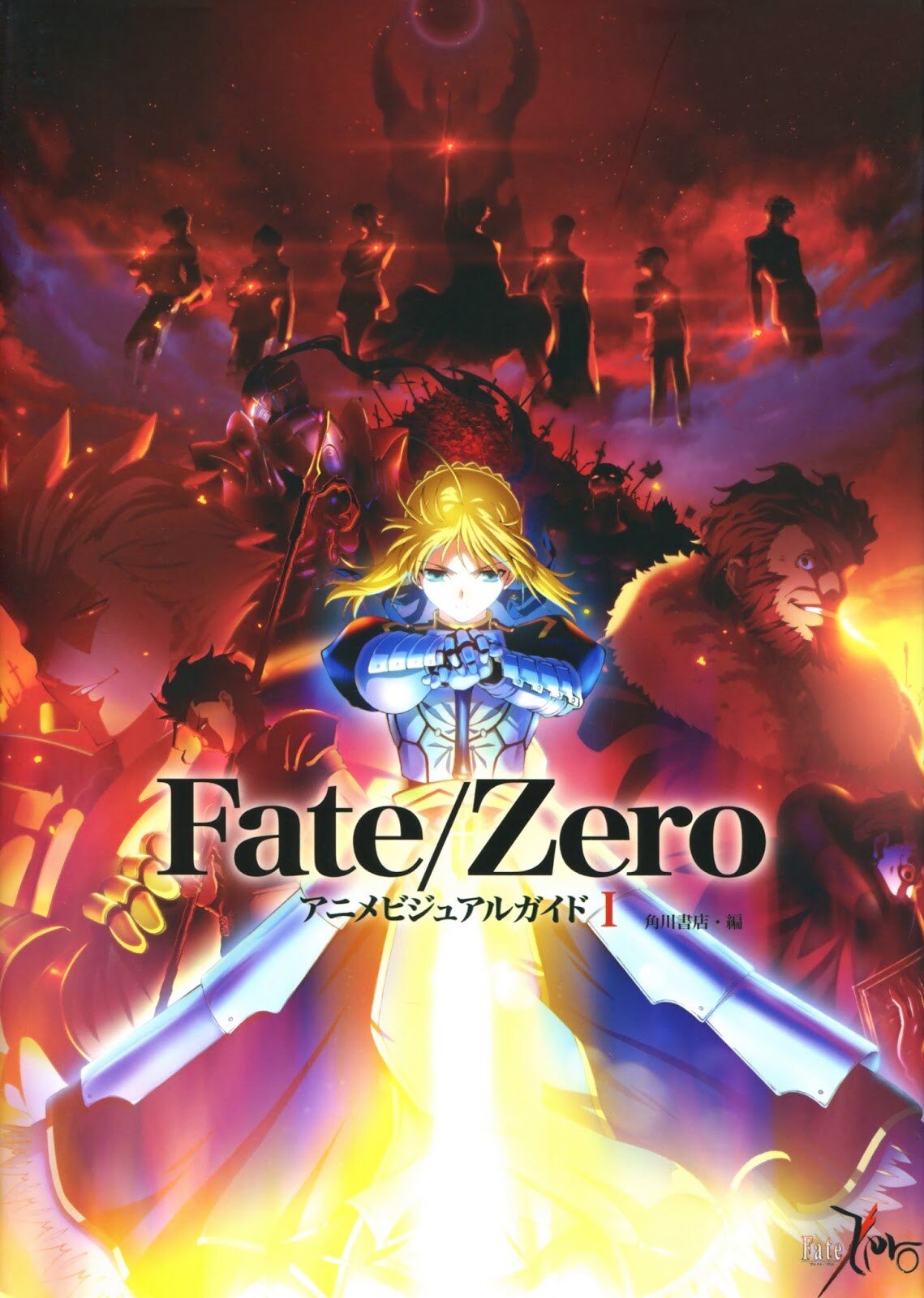
Fate/Zero2011
Seven mages summon heroes to fight for a wish-granting Holy Grail. It's high-stakes, thematically rigorous, and treats each death as genuine loss. Shares Yuki Yuna's seriousness about the cost of conflict.
But The pacing is glacial; plot moves slowly while philosophical debates linger. Some find the bleakness without catharsis genuinely depressing rather than meaningful.
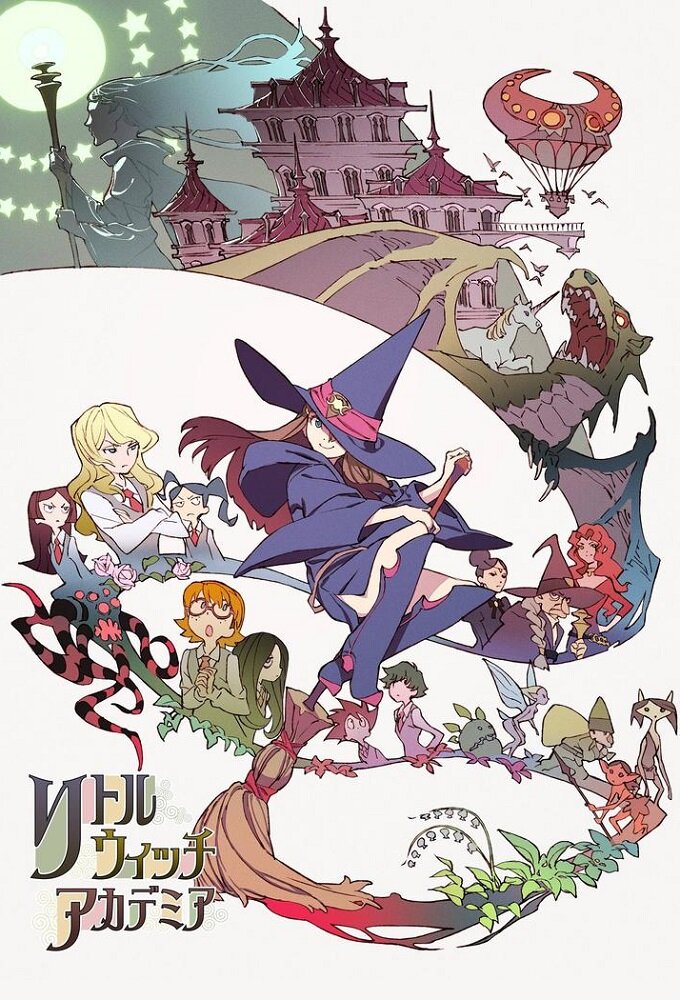
Little Witch Academia2017
A magical academy where Akko and friends pursue impossible dreams. Underneath the charm and humor sits real darkness—about ambition, sacrifice, and friendship tested by incompatible goals. Far sunnier than Yuki Yuna but structurally similar.
But The episodic early season drags before the plot crystallizes. Some viewers want less whimsy mixed with the heartbreak.
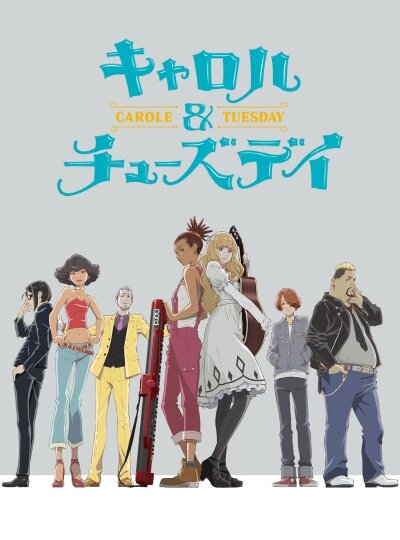
Carole & Tuesday2019
Two girls pursue music on Mars while society crumbles around them. A quieter show about art as resistance and friendship as the only thing that matters when everything else fails. Melancholy and gorgeous.
But Glacial pacing and a final arc that prioritizes atmosphere over plot resolution. The ending is deliberately unresolved, which frustrates viewers wanting narrative closure.