
Television series
Mahou Shoujo Madoka Magica
- Fantasy
- Coming-of-age
- Very dark
Madoka Magica looks like a bright magical girl show about wish-granting and sparkly transformations, then pivots into something far darker. It's a tight, twelve-episode spiral about the true cost of power, agency, and hope itself. Devastating and philosophically urgent—for anyone who thought they'd outgrown magical girl stories, and for people who never really left them behind.
Should you watch it?
Watch it if you love magical-girl stories that wear their pretty surfaces over something colder, and you want every episode to tighten the screws on a bargain you suspect is rotten.
Skip it if you want a self-contained adventure with a light touch, since the show's dread builds slowly across a short run and its brightness is mostly a costume.
What it asks of you: Twelve episodes of about twenty-five minutes, asking you to let the early ones look sweet and to notice what they quietly leave out.
Not sure? Find tonight's pick in a minute.
If you liked this
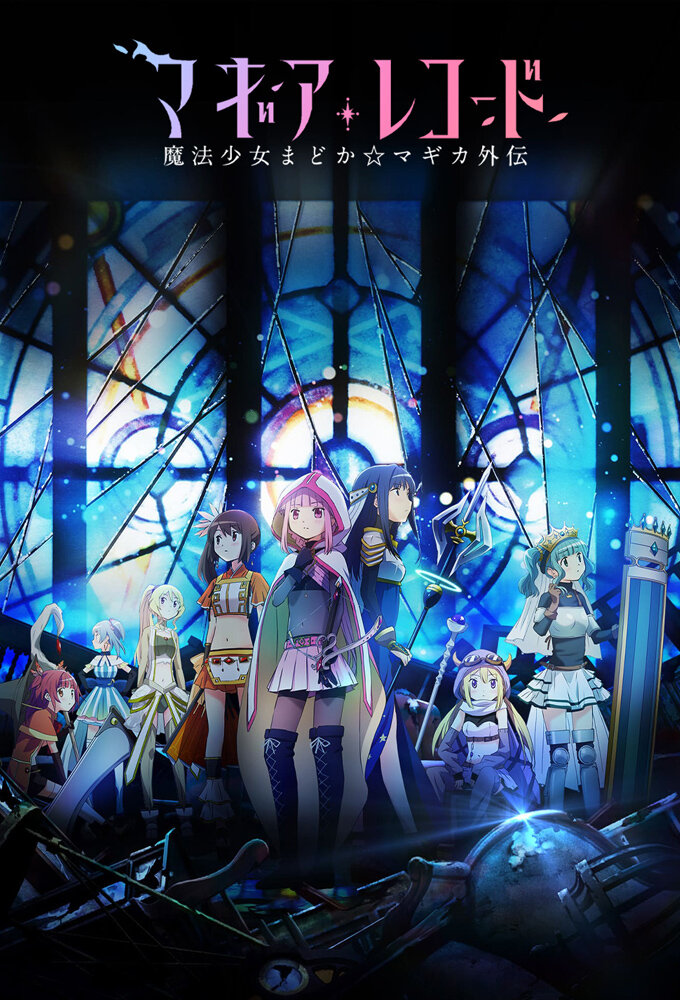
Magia Record: Puella Magi Madoka Magica Side Story2020
A spinoff that expands the universe with fresh characters and deeper exploration of the magic system's mythology, maintaining the original's emotional intelligence and willingness to break hearts.
But Arrives after the perfect ending of the original; some feel it dilutes what made Madoka's story singular rather than adding necessary layers.
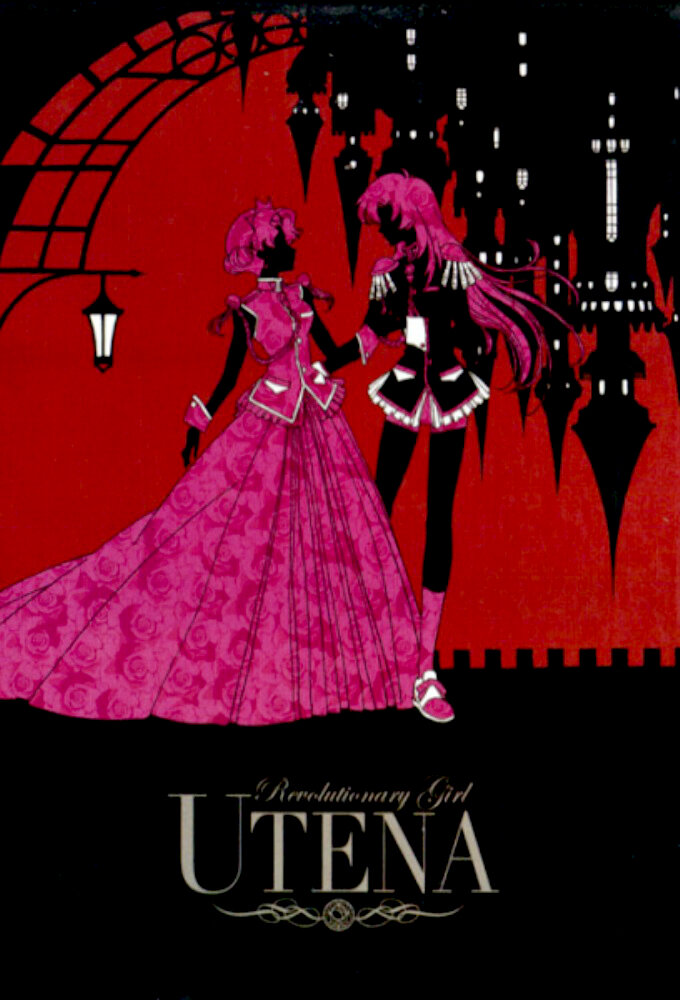
Revolutionary Girl Utena1997
The spiritual godparent of Madoka: a magical girl story that deconstructs the genre with surrealism, repetition, and a protagonist who slowly realizes her world is wrong. Gorgeous and deeply strange.
But Older animation, deliberately oblique storytelling, and a pace that can feel glacial—it demands patience and rewards it unevenly.
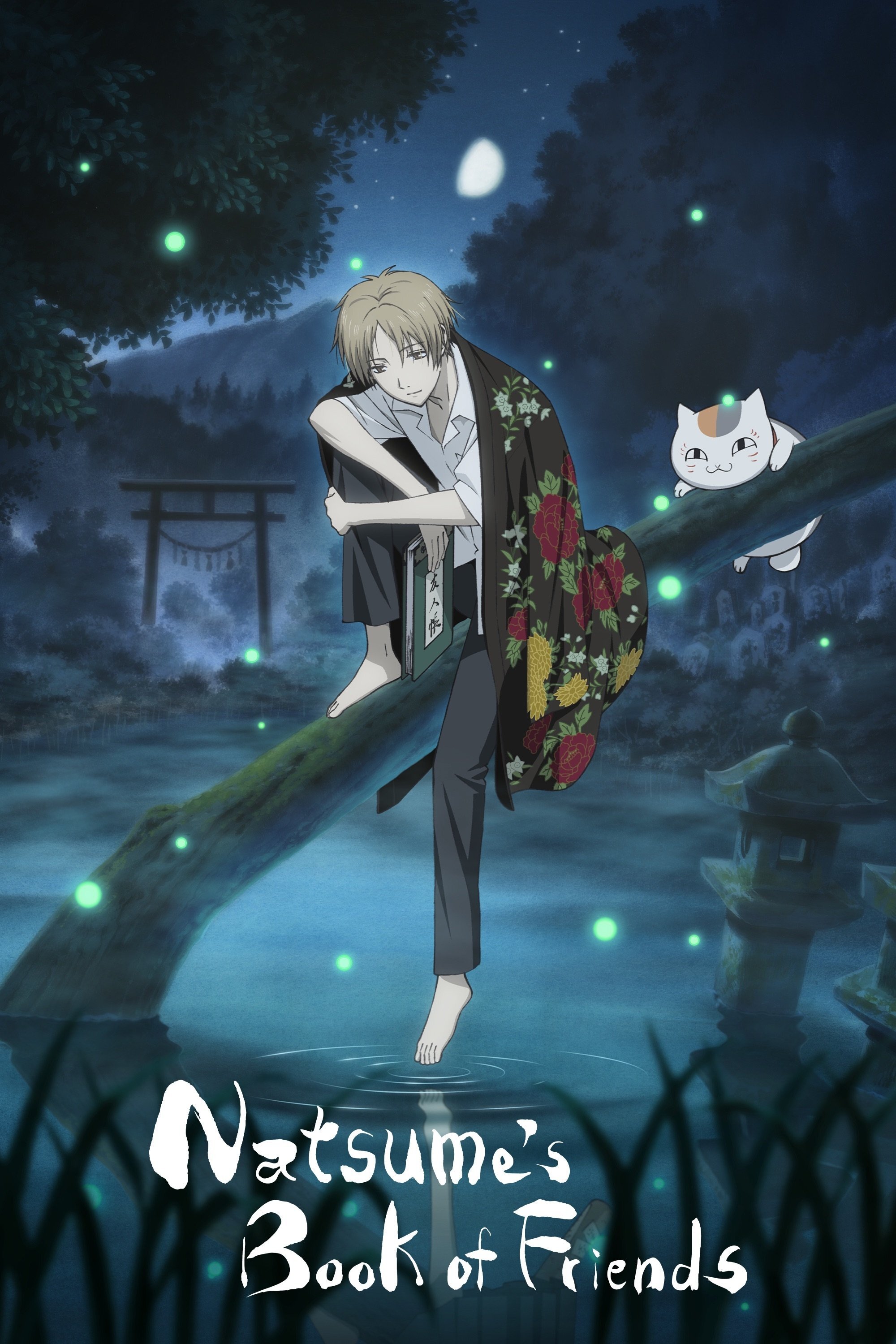
Natsume's Book of Friends2008
Gentle but melancholic; each episode about a boy helping spirits find peace. Shares Madoka's core insight: helping others costs you, and that cost is where the real story lives.
But The opposite of Madoka's intensity—so quiet and meditative that some mistake it for lightweight. Entirely episodic until you realize the series is about accumulation and weariness.
Not sure tonight? Get a pick in a minute, starting from Mahou Shoujo Madoka Magica
The wildcard
Something you would not have found on your own.
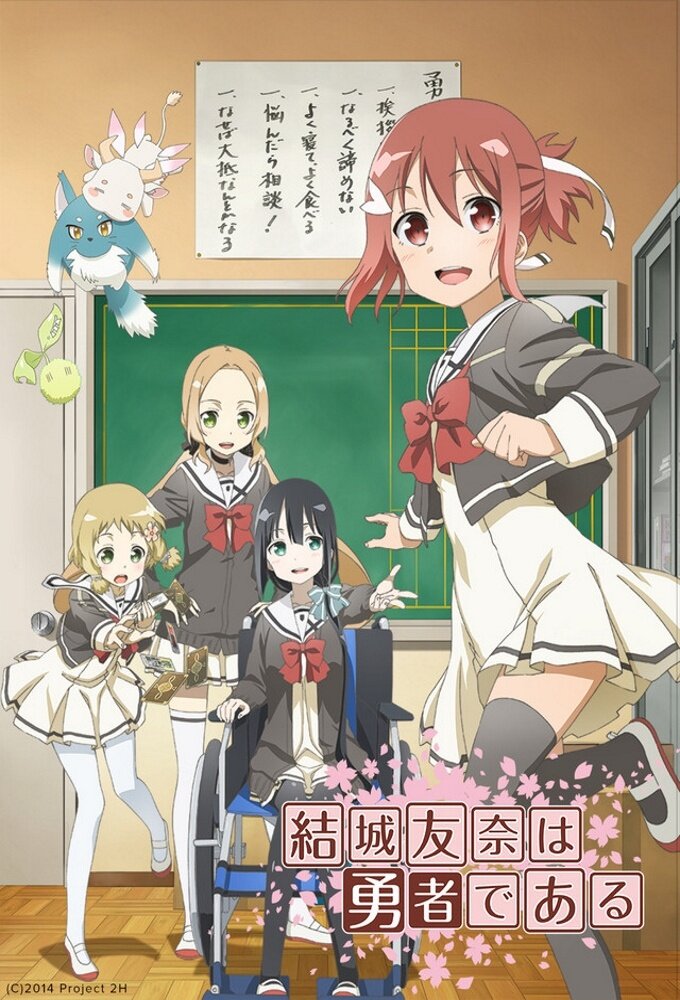
Yuki Yuna wa Yusha de Aru2014
Both are deconstructive magical girl shows built on the same engine: girls with power they didn't fully consent to, paying prices the world doesn't see. Where Madoka is philosophical, Yuki Yuna is visceral—it shows you the disability and trauma that result from being miraculous.
The closest thing to a spiritual successor: a magical girl show that carefully peels back its own logic to reveal something heartbreaking underneath. It knows what Madoka did and asks its own questions about the bargain.
But Deliberately structured to echo Madoka for those paying attention, which means it can feel derivative if you're expecting pure originality rather than conversation.
More like this (8)
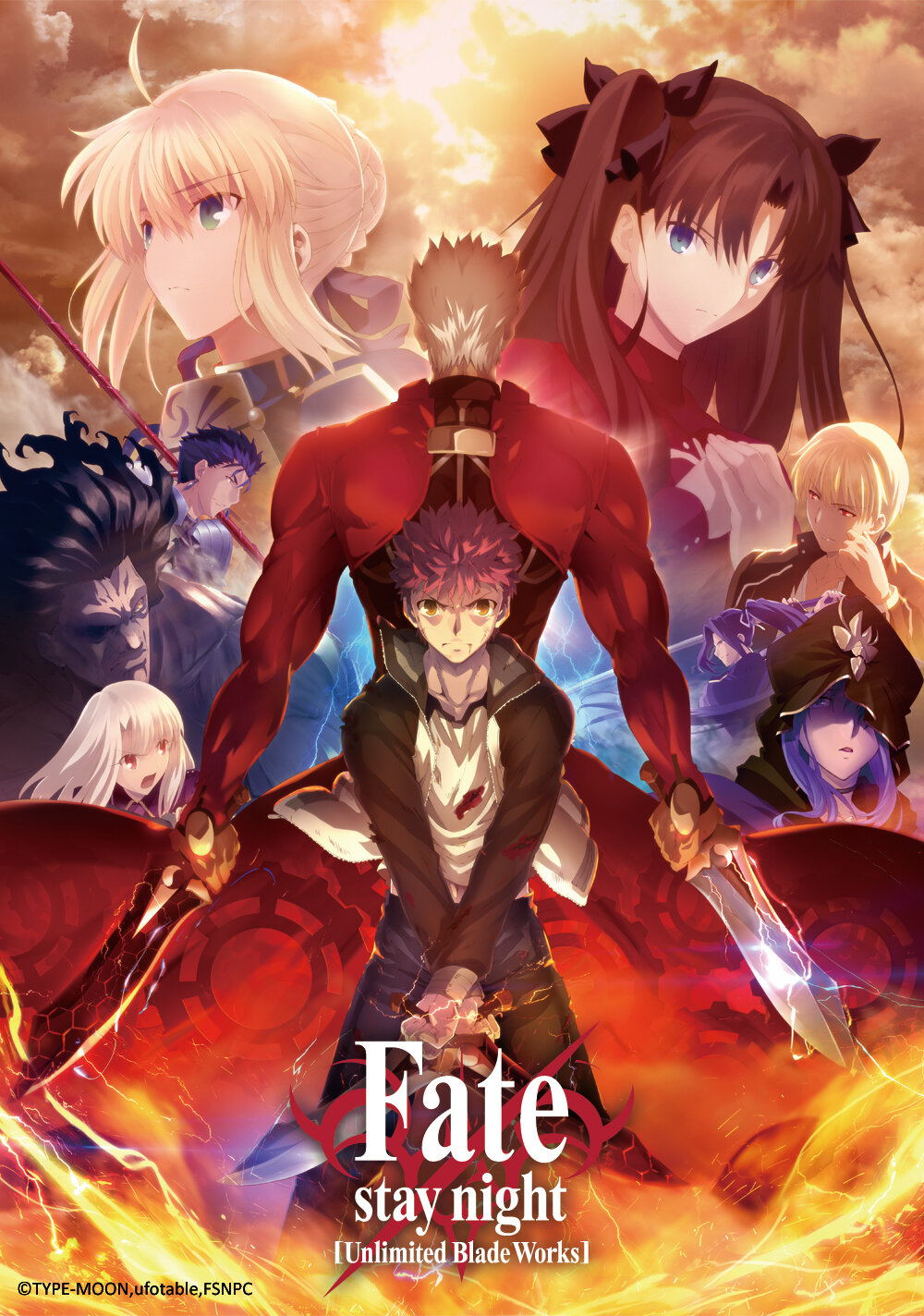
Fate/Stay Night: Unlimited Blade Works2014
A supernatural battle royale where girls (and boys) fight with everything at stake. Shares Madoka's willingness to ask what winning actually costs, with stunning animation and genuine philosophical weight.
But Seventeen episodes to get to its thesis; early episodes are bogged down in exposition and wish-fulfillment fantasy that feels thin before the show finds its teeth.
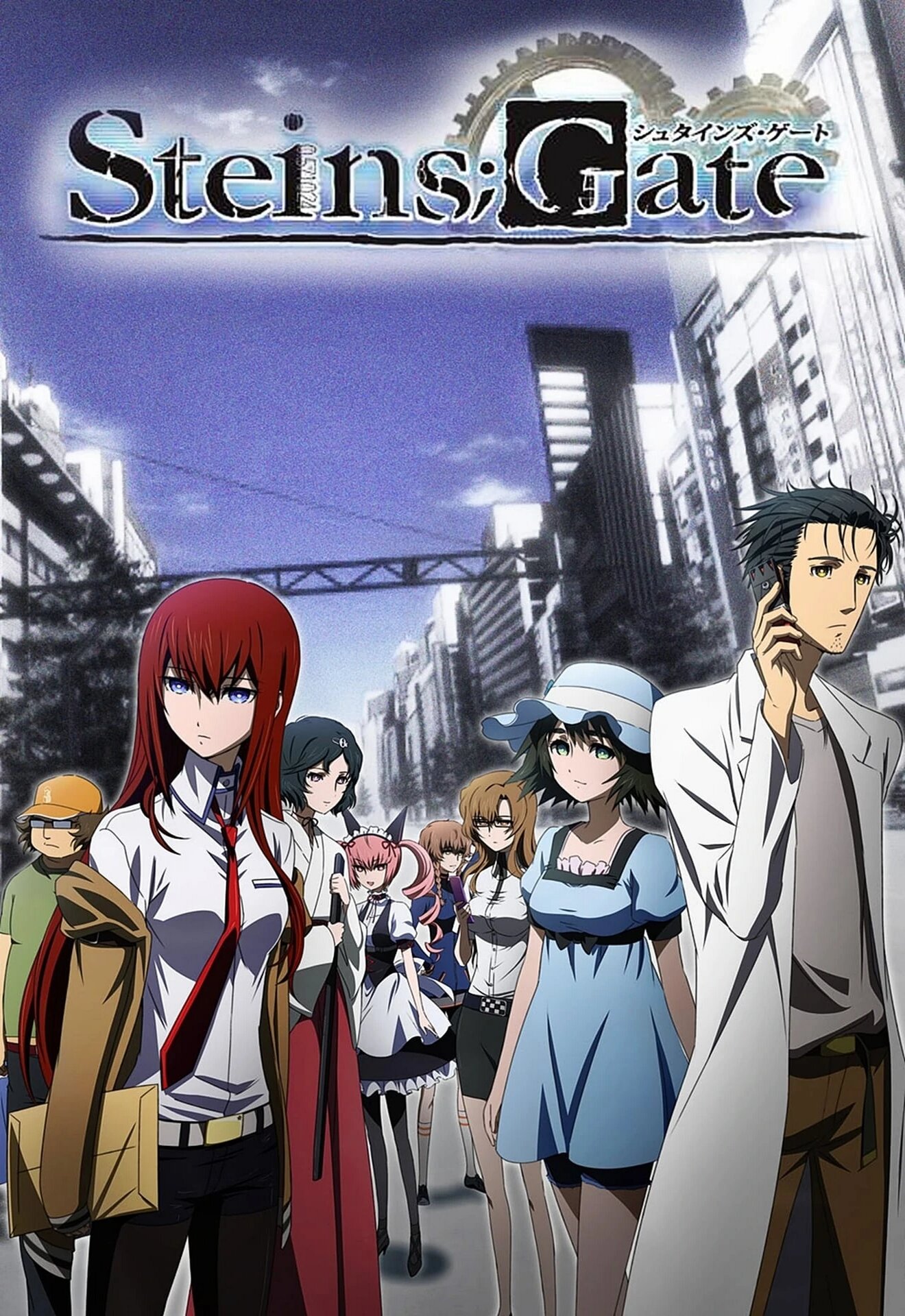
Steins;Gate2011
Another time-loop meditation on sacrifice and choice. Watching a character slowly realize the trap they're in, forced to make the same impossible decision over and over, will feel familiar.
But The first half is slow, talky, and deliberately feels like a comedy, which can turn people off before the emotional devastation arrives.
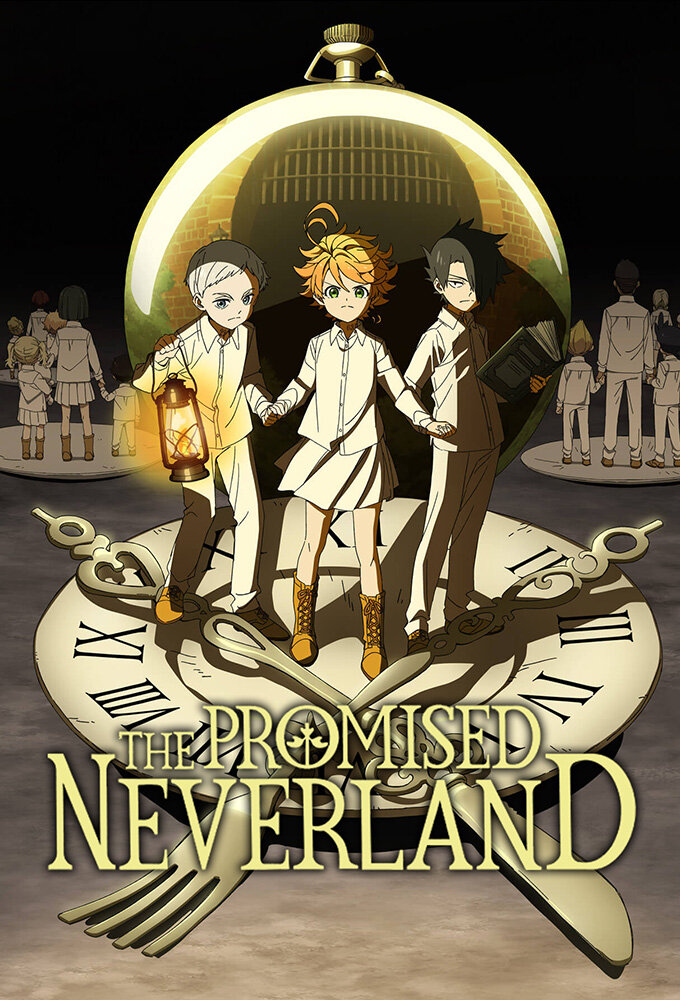
The Promised Neverland2019
Kids in a beautiful trap, slowly understanding they're prey. Same claustrophobic dread as Madoka, same sense of a world's rules invisibly stacked against you, same explosive unraveling.
But The second season rushed through its material and lost the plot in ways that frustrate even fans of the first arc.
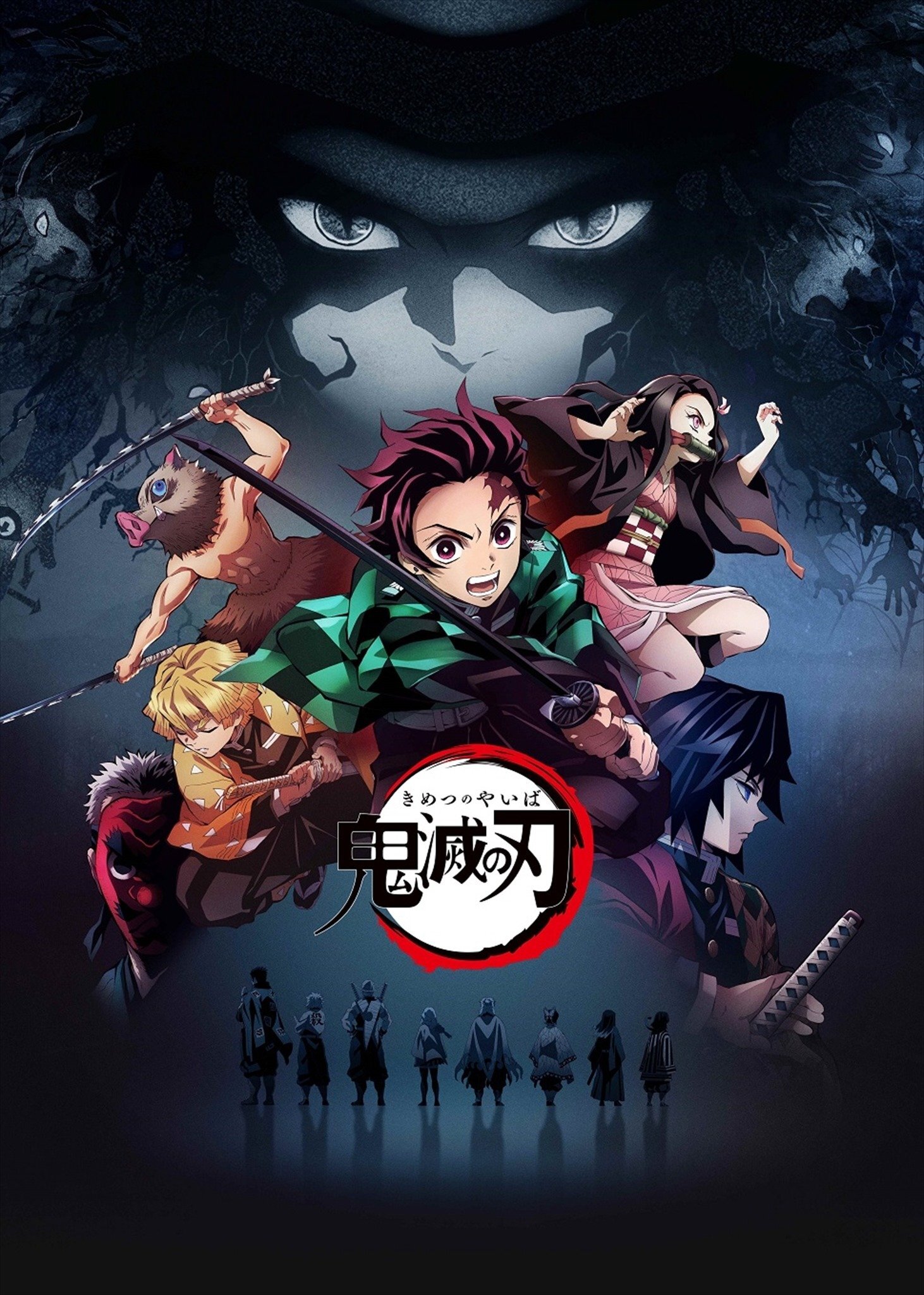
Demon Slayer2019
Gorgeous animation and a refusal to let training arcs feel triumphant; every victory costs someone. The show understands that battles hurt, that growth requires loss.
But The protagonist is straightforward and earnest in ways Madoka never allows; if you need your heroes complicated from frame one, this might feel simple.
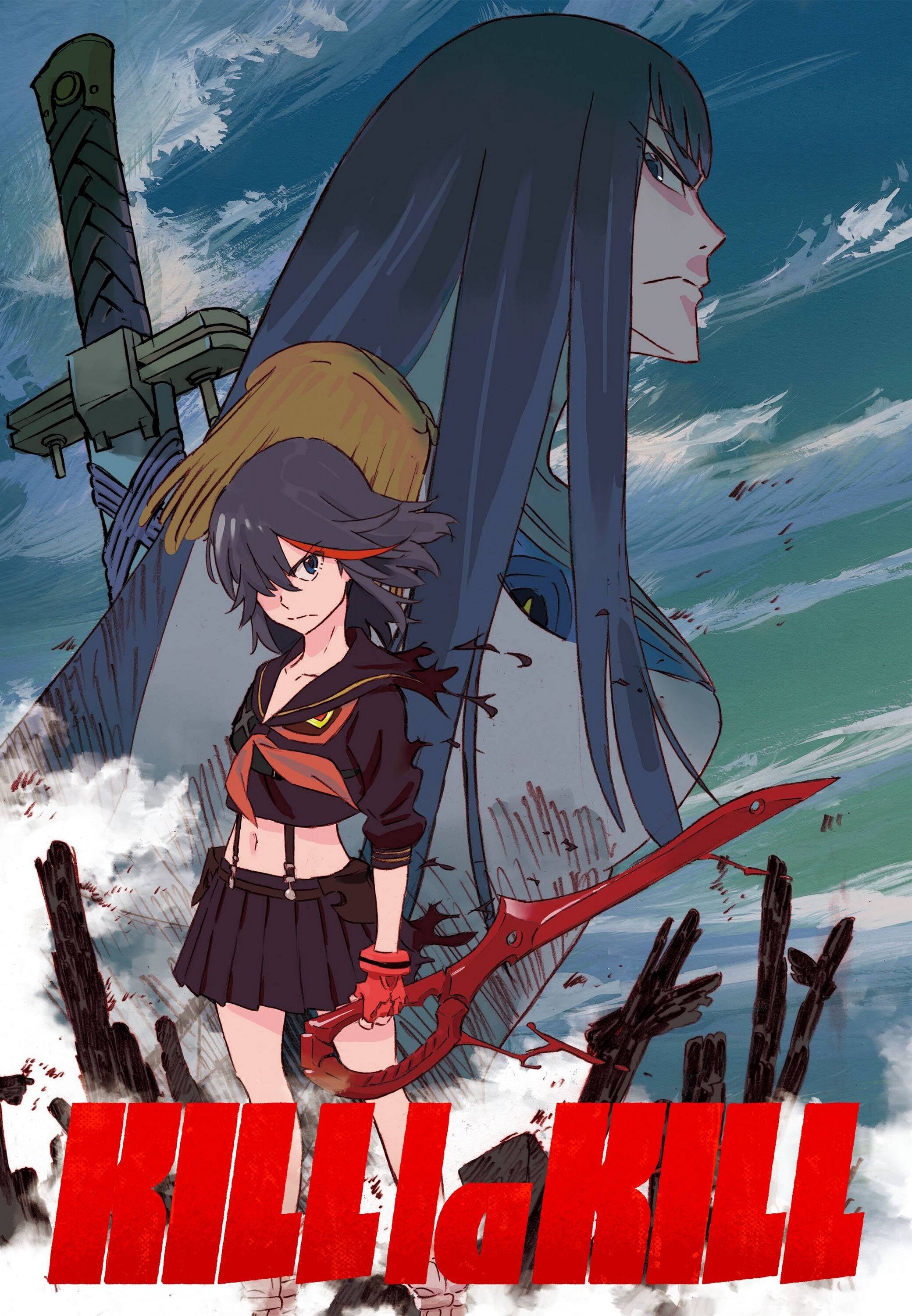
Kill la Kill2013
A maximalist magical girl deconstruction that asks the same questions as Madoka—about bodies, agency, and who benefits from your transformation—but answers them with explosions and fury.
But Absurdly sexualized, deliberately provocative, and stylistically exhausting. Its arguments about the female body are bold but the execution is not subtle or always tasteful.
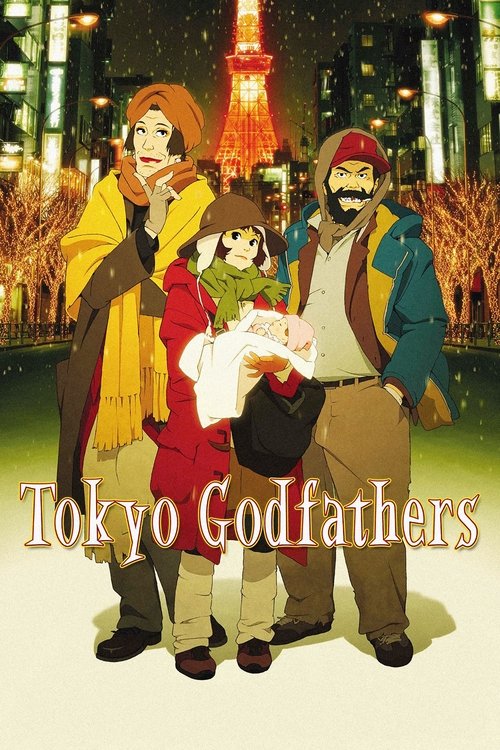
Tokyo Godfathers2003
A Christmas miracle that asks what it means to choose to save someone when you're barely saving yourself. Tender and devastating in the way Madoka is, with the same faith in small acts of grace.
But It's older and hand-drawn in ways that can read as dated; the mood is gentle where Madoka is sharp, which might feel less urgent.
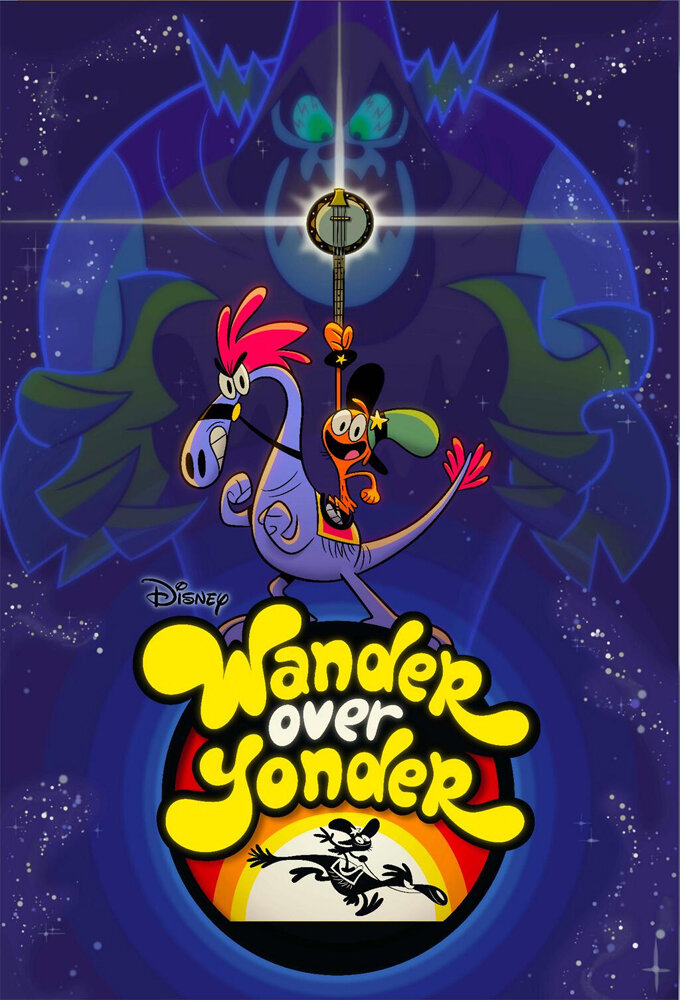
Wander Over Yonder2013
Both climax with a protagonist choosing to sacrifice everything they are to save the people they love, then asking what kind of world exists after that choice. Madoka is winter; this is stubborn spring. Same moral structure, opposite temperature.
A children's show about an optimistic man and his robot horse fighting an evil emperor. It sounds silly. By the end it's asking whether joy and resistance are the same thing, and whether kindness can survive knowing the universe won't return it.
But It's American, broad, genuinely funny—nothing like Madoka's tone. Some will find it saccharine where Madoka is unsentimental.
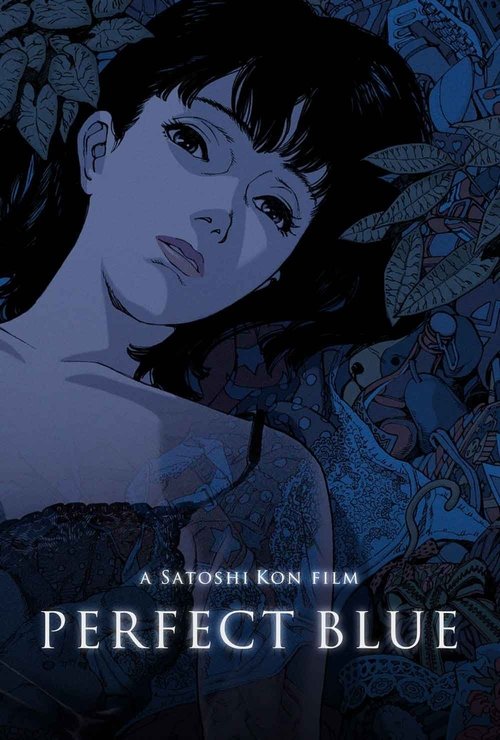
Perfect Blue1998
Both are about girls whose bodies and identities become commodities in a system that smiles while consuming them. Madoka is metaphysical about this horror; Perfect Blue makes it flesh and cinema and unbearably specific. Where Madoka asks philosophical questions, this one shows you the answer in your bones.
A psychological horror about a young woman losing her grip on who she is while the world demands she become what it wants. It's Madoka's nightmare logic in live-action form—the cost of transformation made visceral and claustrophobic.
But It's disturbing, sexually violent, and genuinely hard to watch. Anime, yes, but closer to body horror than magical girls, and it does not offer the catharsis Madoka does.
People
Cast











Recommended by
Steins;Gate, Revolutionary Girl Utena, It's Such a Beautiful Day, Doctor Strange in the Multiverse of Madness, Anohana: The Flower We Saw That Day, Violet Evergarden, Hellsing, The Amazing World of Gumball, The Sandman, Gunslinger Girl, No Game No Life, Adventure Time: Fionna and Cake, Ashita no Nadja, Yuki Yuna wa Yusha de Aru, Assault Lily Bouquet, Kenan & Kel, Shoujo☆Kageki Revue Starlight, Extraordinary You, Justice League Dark, Senki Zesshou Symphogear, Hirogaru Sky! Precure, Pretty Cure All Stars: Spring Carnival, Armored Trooper VOTOMS, Gatchaman Crowds, Pretty Guardian Sailor Moon Eternal the Movie Part 1, Le Chevalier D'Eon, Fate/Kaleid Liner Prisma Illya, Granbelm, Sailor Moon SuperS: The Movie - Black Dream Hole