
Film
Battle Angel
A 54-minute anime feature about Gally, a cyborg with no memory who awakens in a dystopian scrapyard city. Part cyberpunk noir, part martial-arts spectacle, it's visually stunning and deeply strange—a film that trusts you to keep up. For anyone who wants sci-fi that feels lived-in and dangerous.
Should you watch it?
Watch it if you love cyberpunk worlds where the grime and the gadgetry carry the mood, and a bruising fight scene can stop the story cold to show off the craft.
Skip it if you need a tight, fast plot, because this one wanders through its world and lingers on scenes that never quite drive the story forward.
What it asks of you: A short run of under an hour, so it asks for one evening sitting, and it moves between quiet, tender moments and sudden, brutal action without much warning.
Not sure? Find tonight's pick in a minute.
If you liked this
Ghost in the Shell1995
The spiritual sibling to Battle Angel: a philosophical cyberpunk thriller with jaw-dropping animation, exploring identity and consciousness in a world where the line between human and machine has vanished.
But Slower and more cerebral than Battle Angel, with less action and heavier reliance on monologue. Some find the pacing glacial.

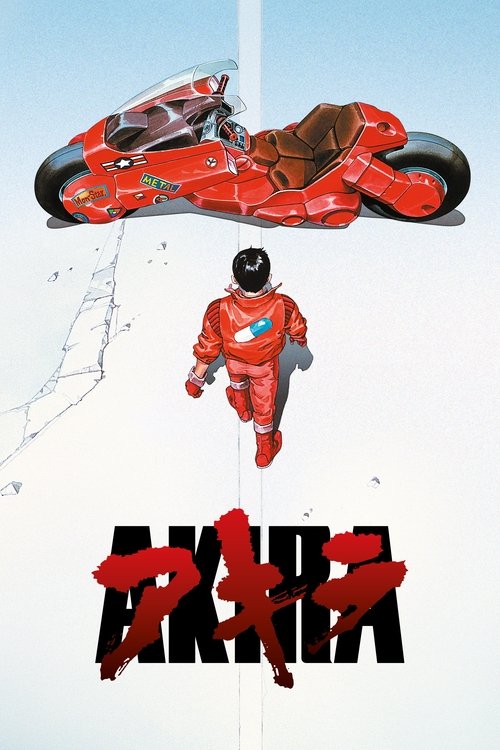
Akira1988
The anime that changed animation forever: neon-soaked, kinetic, visually dense, with a story that unfolds in layers. If you loved Battle Angel's visual world, this is essential.
But The plot genuinely confuses people on first watch. It's constructed like a fever dream, not a straightforward narrative.
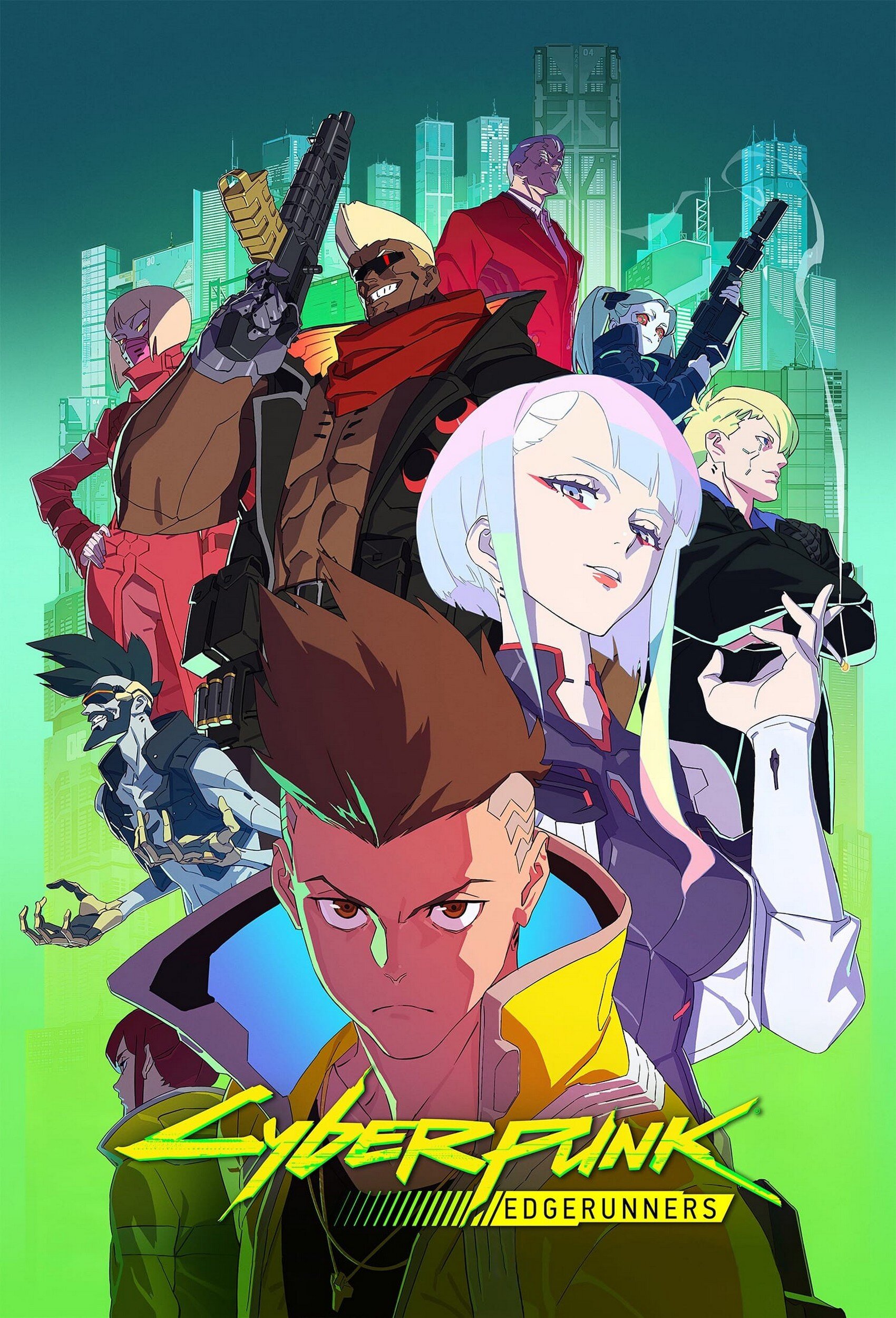
Cyberpunk: Edgerunners2022
A Netflix anime that captures the exact mood of Battle Angel—chrome and grit, amnesiac protagonist finding themselves in a broken world, utterly gorgeous and brutal animation.
But Much longer (10 episodes), so it's a commitment. And it will break your heart in ways Battle Angel doesn't attempt.
Not sure tonight? Get a pick in a minute, starting from Battle Angel
The wildcard
Something you would not have found on your own.
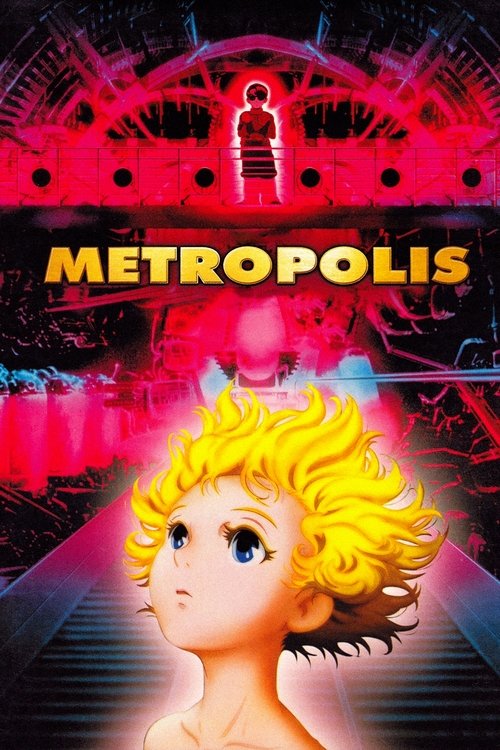
Metropolis2001
Both centre on a cyborg/robot girl discovering her humanity. Metropolis asks 'can they love?' Battle Angel asks 'who am I?'—different angles on the same essential question.
Osamu Tezuka's Metropolis (adapted by Rin Taro): retro-futuristic, gorgeously art-deco, with a robot girl as its heart. A completely different aesthetic from Battle Angel, but the same DNA—what does it mean to be artificial, and can the artificial feel?
But It's more whimsical and fairy-tale than Battle Angel. Some find it sentimental where Battle Angel is cold.
More like this (8)
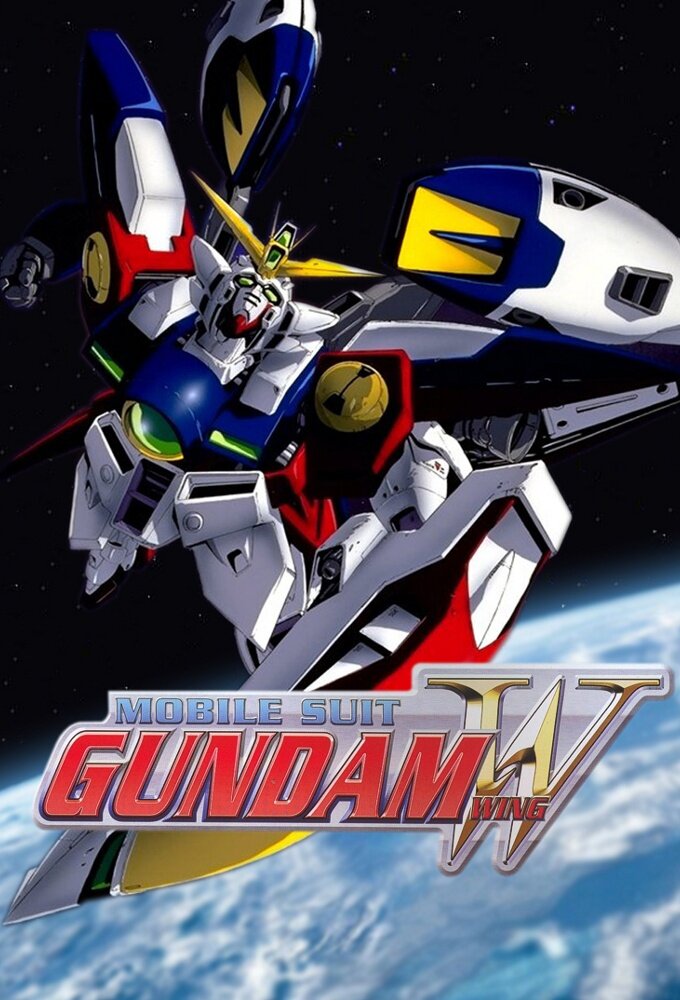
Mobile Suit Gundam Wing1995
If you want more cybernetic action with philosophical weight, this mecha series delivers elaborate fight choreography and a real story about what violence costs. Released the same year as Ghost in the Shell.
But It's a TV series with 49 episodes; Battle Angel is a neat 54 minutes. The pacing is very different, and some arcs drag.
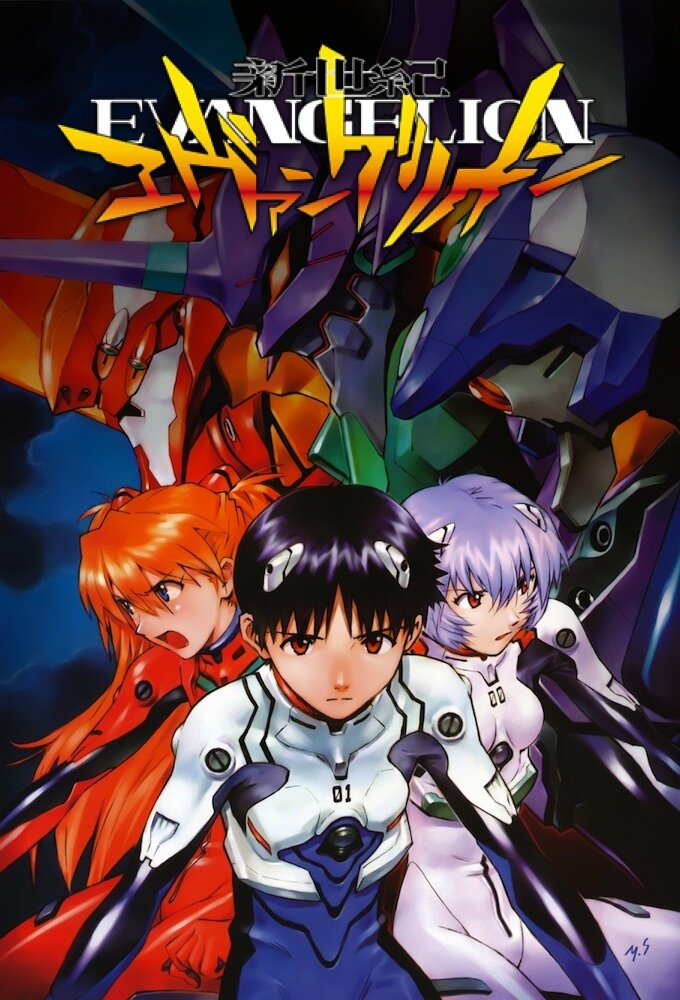
Neon Genesis Evangelion1995
Another mid-90s anime masterpiece that uses action and spectacle to explore trauma, identity, and what it means to be alive. Visually inventive in completely different ways.
But Much darker and more psychological. The show deliberately becomes harder to watch as it goes. Not escapism.
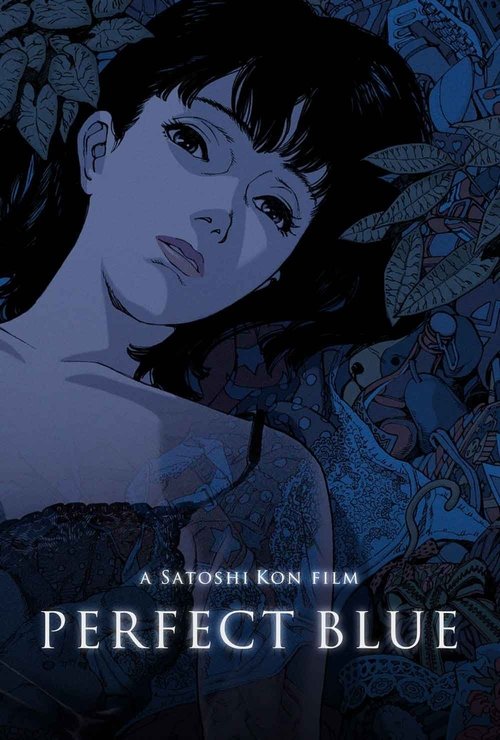
Perfect Blue1998
A psychological thriller from the director of Paprika: surreal, paranoid, gorgeously animated. Proves anime can do noir and intrigue as well as action.
But It's about obsession and harassment—intense and disturbing in ways that have nothing to do with the spectacle you got from Battle Angel.
Samurai Champloo2004
Gorgeous hand-drawn action anime about three wanderers in an alternate Japan. Less cyberpunk, more samurai-jazz-fusion, but the same commitment to visual storytelling and strange world-building.
But Only 26 episodes and deliberately episodic. If you want a tight narrative arc, you won't get one here.

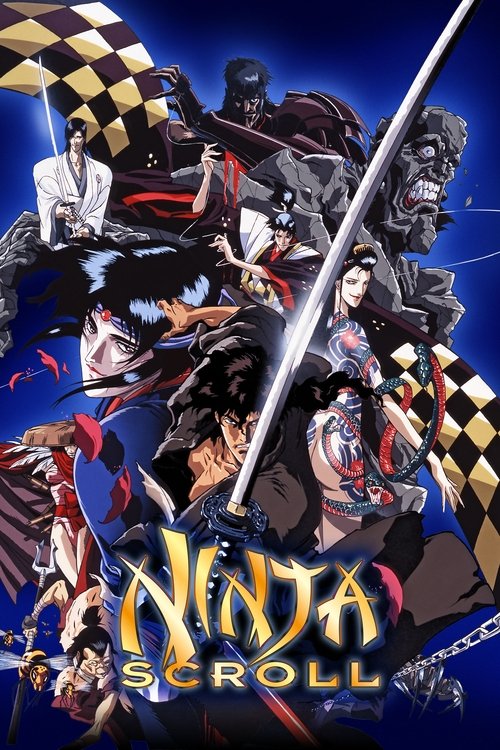
Ninja Scroll1993
Released the same year as Battle Angel, it's a pure action spectacle—a wandering swordsman encountering supernatural enemies. If you just want more anime thrills, this delivers unfussy and gorgeous.
But There's almost no plot, just setpieces. The story is tissue-thin compared to Battle Angel's philosophical framework.
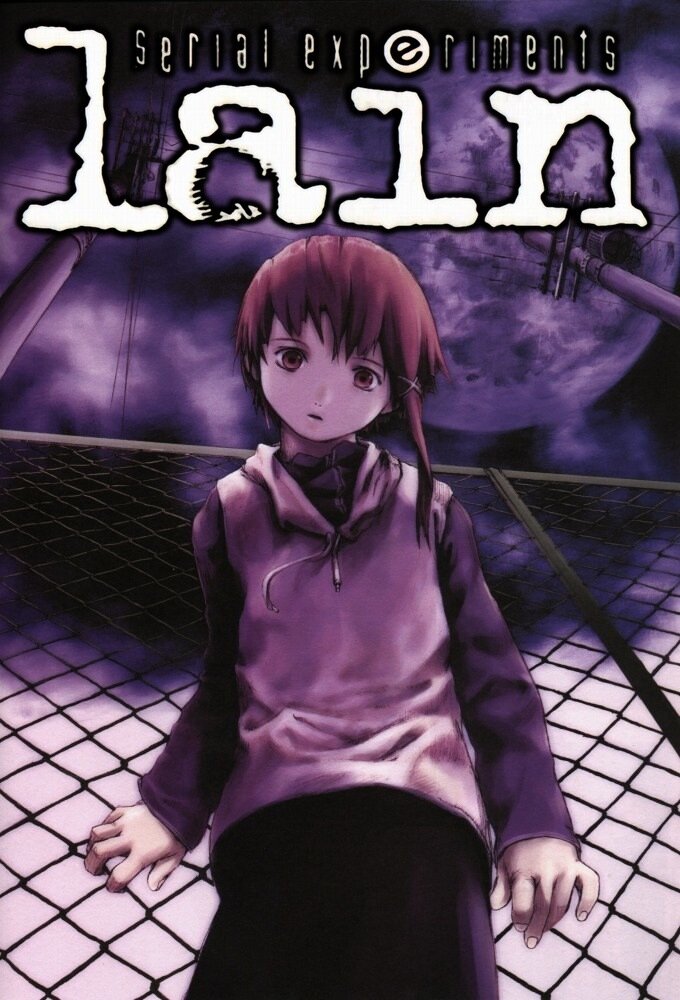
Serial Experiments Lain1998
A dense, nightmarish cyberpunk miniseries about a girl drawn into a conspiracy spanning reality and virtual worlds. Genuinely strange and deeply original.
But Only 13 episodes, but each one is a puzzle box. Actively difficult to follow, and it never explains itself clearly.
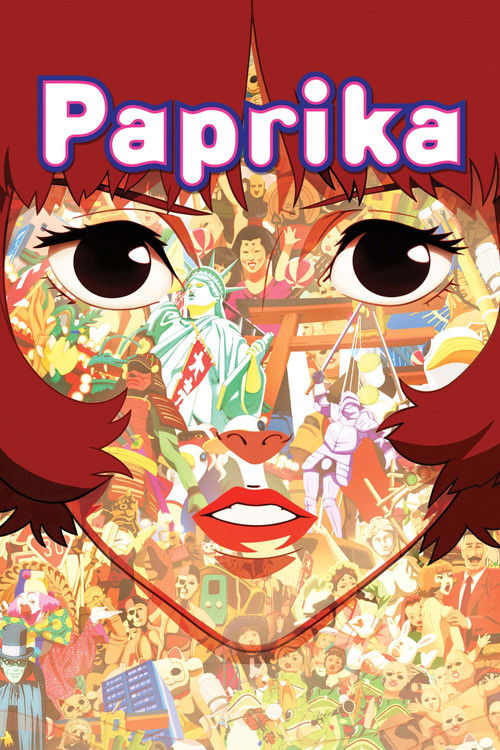
Paprika2006
Both are Japanese science-fiction films under 90 minutes that trust the audience completely. Both visualize the internal—memory, identity, consciousness—as tangible and dangerous. Both assume you're smart enough to keep up.
Satoshi Kon's masterpiece: a mind-bending psychological thriller with animation so inventive and alive it practically hums. The action sequences are abstract and dreamlike rather than martial, but the visual storytelling is just as sophisticated.
But The plot becomes deliberately confusing. Some viewers find this profound; others find it maddening and pretentious.
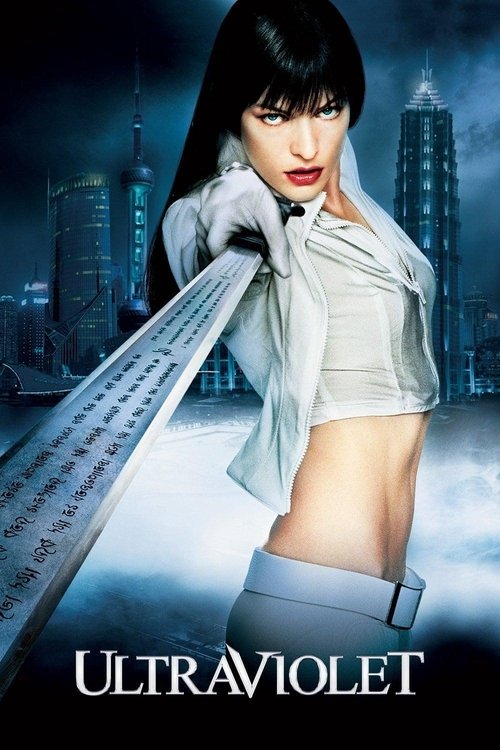
Ultraviolet2006
Both feature a lone female warrior with mysterious origins navigating a world designed to kill her. Both use action not as spectacle but as survival. Both are resolutely uncommercial in their refusal to explain themselves.
Kurt Wimmer's live-action cyberpunk: a woman with superhuman powers hunted through a sterile, dystopian city. The action is balletic, the world is hostile and beautiful, and it shares Battle Angel's sense that survival is its own philosophy.
But It's deeply, weirdly earnest about its B-movie premise in ways that read as camp. The dialogue occasionally creaks.
People
Cast
 Miki ItoGally (voice)
 Shunsuke KariyaDaisuke Ido (voice)
 Kappei YamaguchiYūgo (voice)
 Mami KoyamaChiren (voice)
 Shigeru ChibaVector (voice)
 Ryuuzaburou OotomoGrewcica (voice)
 Kazuhiko KishinoGonz (voice)
 Koji TotaniZavan (voice)
 Takumi YamazakiTanji (voice)
 Kazuyuki SogabeGime (voice)
 Michitaka KobayashiRasha (voice)
 Naoki MakishimaAdditional Voices (voice)
Directing
- Hiroshi FukutomiDirector
Writing
- Yukito KishiroOriginal Story
- Akinori EndoScreenplay