
Film
Ghost in the Shell 2: Innocence
A philosophical detective story wrapped in anime's most gorgeous visual language. Batou investigates murderous gynoids while Oshii bends the film toward meditation on consciousness, identity, and what makes us human. Demanding, patient, occasionally opaque—for viewers willing to sit with mystery rather than chase plot.
Should you watch it?
Watch it if you love science fiction that moves slowly through philosophical questions about memory, machines and what makes a person, with haunting imagery and long contemplative stretches that reward patience.
Skip it if you want quick momentum or a clear plot to follow; the film often pauses for lingering city scenes and digressive dialogue, and its ideas can feel heavy going without prior familiarity.
What it asks of you: It asks for sustained attention across roughly a hundred minutes, with dense talk, a dark and melancholy mood, and long stretches where you absorb atmosphere instead of being driven forward.
Not sure? Find tonight's pick in a minute.
If you liked this
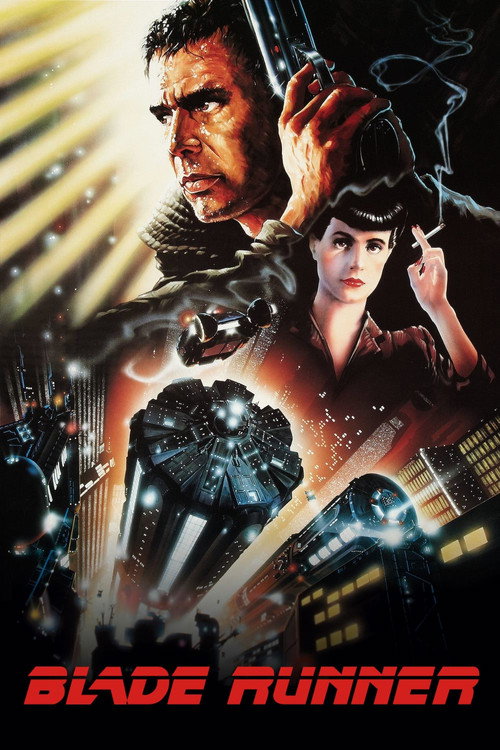
Blade Runner1982
The spiritual ancestor: Ridley Scott's meditation on what separates human from artificial, filtered through noir and unforgettable production design. Essential viewing for anyone thinking about consciousness and personhood.
But Deliberately paced in ways 1982 audiences found glacial. Long stretches with minimal dialogue and maximum atmosphere will test your patience.
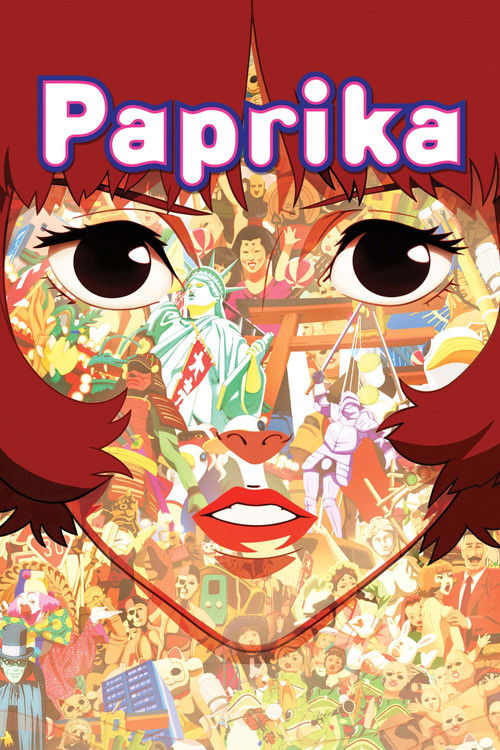
Paprika2006
Satoshi Kon's dizzying exploration of dream and reality, identity dissolving at the boundaries. If you loved Innocence's visual inventiveness and philosophical questions, this is the natural companion piece.
But The narrative is intentionally fractured and non-linear. You'll spend the runtime genuinely unsure what's happening, which some find exhilarating and others exhausting.
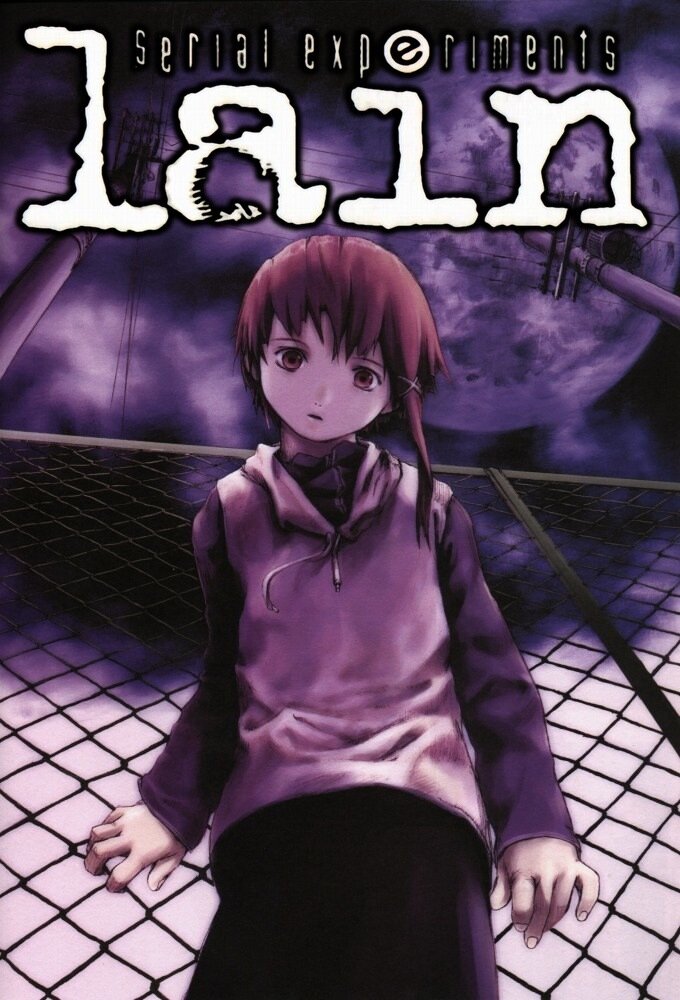
Serial Experiments Lain1998
A 13-episode series asking identical questions about consciousness, identity, and digital existence. Eerie, formally experimental, and it trusts the viewer completely—no exposition dumps, just atmosphere and implication.
But Visually repetitive and deliberately obscure. The show moves like a slow panic attack, and the plot requires active reconstruction. Easy to lose the thread.
Not sure tonight? Get a pick in a minute, starting from Ghost in the Shell 2: Innocence
The wildcard
Something you would not have found on your own.
A Ghost Story2017
Both films ask whether consciousness persists after the body's dissolution, and both answer through mood and silence rather than plot. Both trust viewers to find meaning in gaps.
Casey Affleck as a ghost literally watching time pass over his house. Meditative, strange, genuinely about loss and impermanence. Like Innocence, it asks what persists when the body is gone—but through American indie quiet rather than anime action.
But Requires extreme patience. There's a famous scene of someone eating pie for three minutes, and no, the pie is not metaphorical. If you hate slowness without spectacle, leave now.

More like this (8)
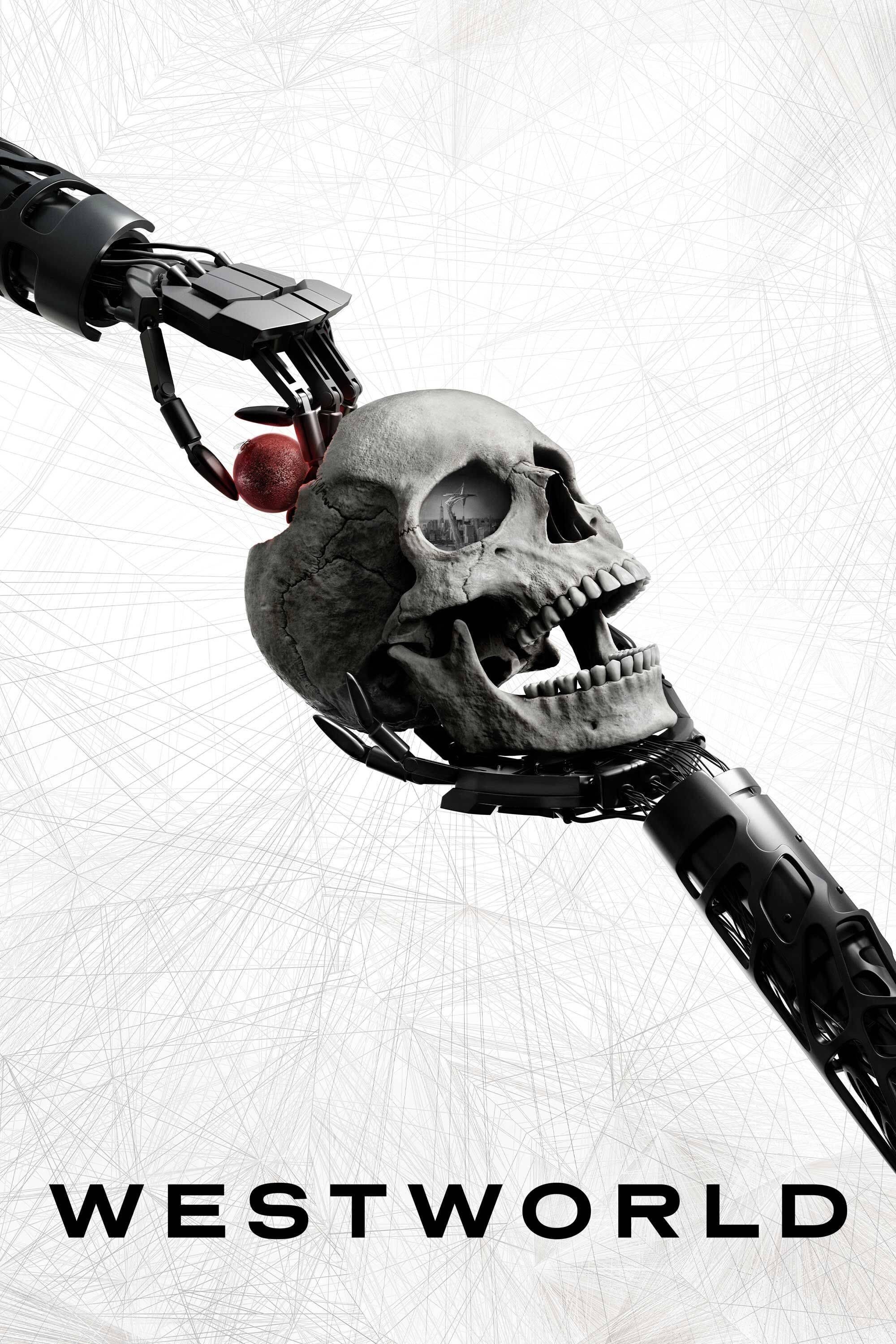
Westworld2016
Explores consciousness and selfhood in artificial beings with genuine philosophical weight. Strong performances and the central mystery unfolds with intelligence—it's invested in ideas, not just spectacle.
But The second season loses focus badly, leaning into complexity that obscures rather than deepens. Earlier seasons reward patience; later ones test it in different ways.
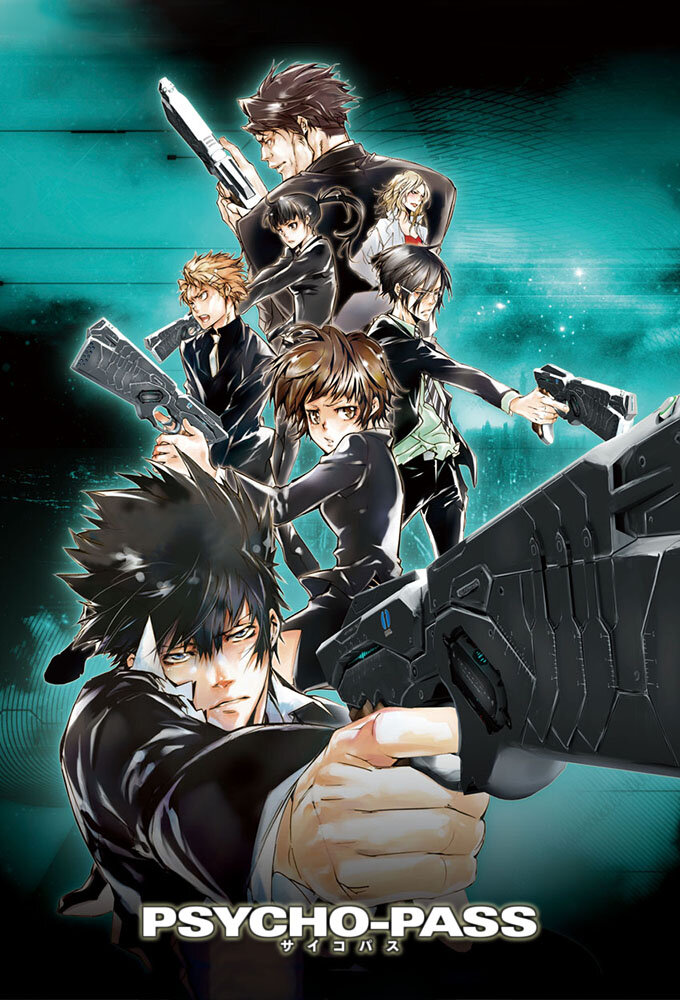
Psycho-Pass2012
Japanese cyberpunk that inherits Ghost in the Shell's DNA: surveillance states, collective consciousness, what the self means when identity is algorithmic. Gripping detective work with philosophical backbone.
But Assumes comfort with anime tropes and a willing suspension regarding character design. Some plot threads resolve too neatly given the ambitious setup.
Under the Skin2014
An alien mystery told through image and mood rather than exposition. Jonathan Glazel trusts viewers to piece together meaning; formally radical but hypnotically watchable, asking strange questions about consciousness and desire.
But Almost no dialogue, minimal plot. The strangeness is the point, which means if you need narrative clarity and emotional beats, this will frustrate you intensely.

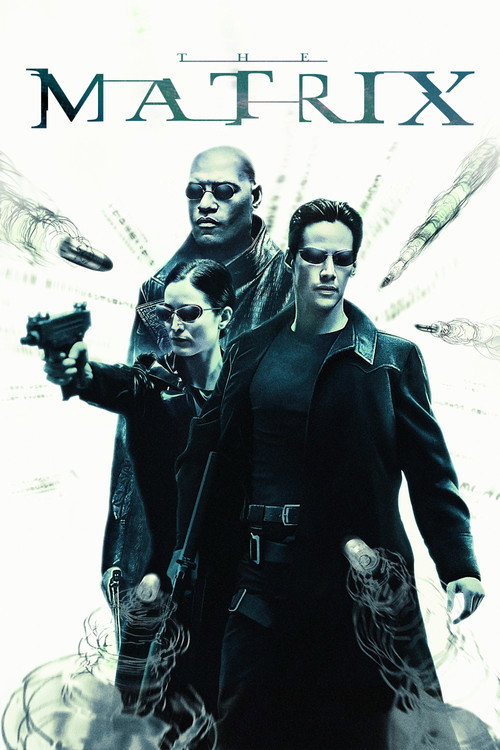
The Matrix1999
More populist than Innocence but equally preoccupied with reality versus simulation, authenticity, and what consciousness means. The action sequences are the philosophy made visible—form and content perfectly aligned.
But The sequels exist and most people pretend they don't. Also: the original feels somewhat dated now, and knowing the twist removes its first surprise—though the film holds up beyond that revelation.
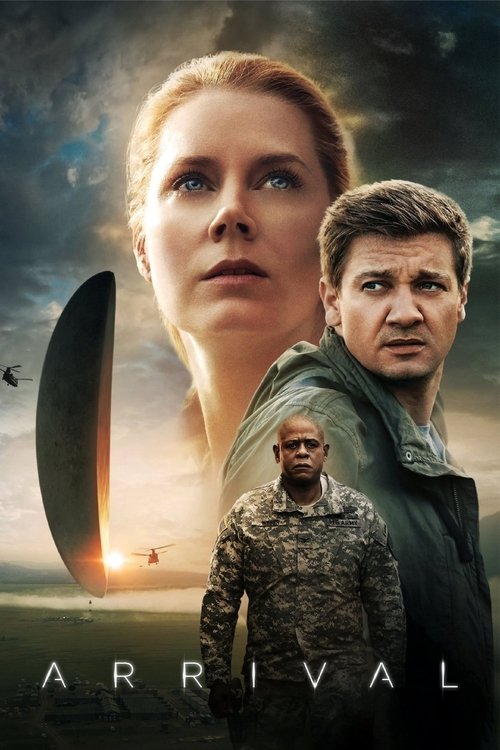
Arrival2016
Hard science fiction about communication and time, structured like a puzzle that reshapes as you watch. Intellectual but deeply human—it earns its emotional climax through rigorous thinking rather than manufactured sentiment.
But The middle section is slow and deliberately procedural. Some viewers find the linguistic philosophy fascinating; others find themselves watching a woman study alien grammar for forty minutes.
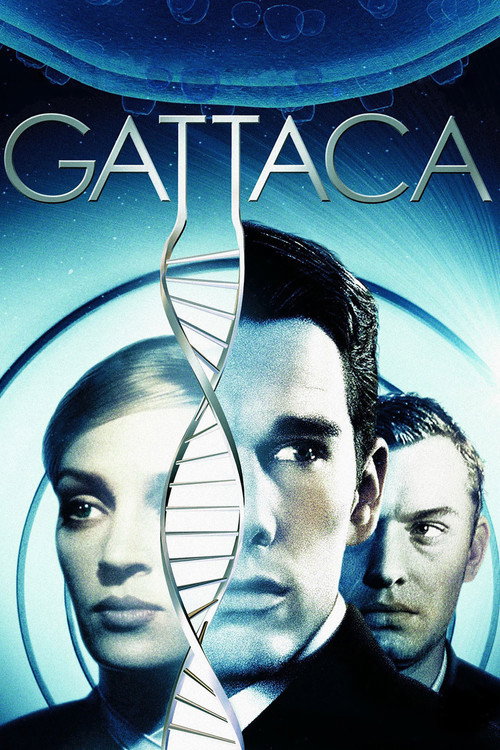
Gattaca1997
Quietly masterful exploration of identity, determination, and what we believe defines a person. The world-building is precise, the pacing immaculate, and it works as both thriller and philosophical essay about human worth.
But The ambition is internal—visually and thematically subtle rather than spectacular. If you need grandeur or clear good-versus-evil, you'll miss what makes it remarkable.
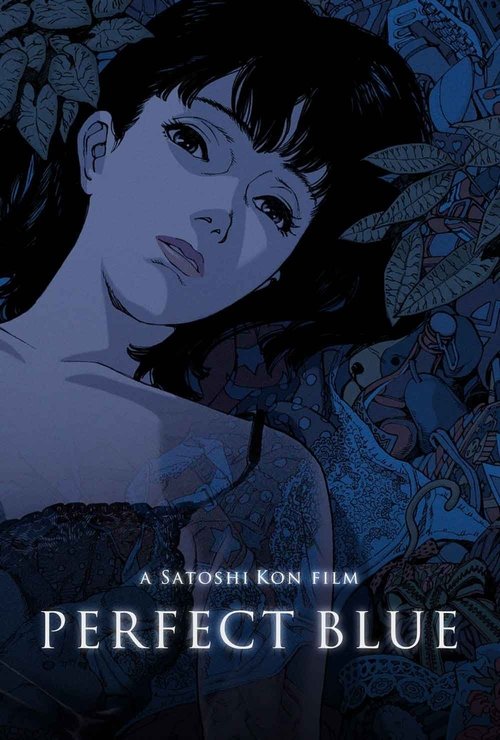
Perfect Blue1998
Both films use bodies as unreliable vessels for consciousness. Where Innocence questions whether artificial beings can have souls, Perfect Blue questions whether performers have selves at all—or if identity is pure performance.
Satoshi Kon's debut: a psychotic thriller about identity fracturing in the media age. The animation is a weapon—Kon uses form to collapse the boundary between real and performed self, character and viewer.
But Genuinely disturbing, including sexual violence. It's a horror film dressed as a thriller, and some imagery sticks with you in ways that feel invasive rather than enlightening.
Mulholland Drive2001
Innocence and Mulholland Drive both use ambiguity about identity as the actual subject rather than a plot obstacle. Both suggest that the question 'who am I' might not have an answer—it might only have performance.
David Lynch's fractured Hollywood nightmare. Formally audacious, morally complex, genuinely haunting. Not a mystery to solve but a dream to inhabit—identity, performance, and the self as fiction.
But The structure resists interpretation. Many viewers spend the runtime frustrated, hunting for answers that the film deliberately withholds. Some find that liberating; most find it maddening.

People
Cast
 Atsuko TanakaMotoko Kusanagi (voice)
 Akio OtsukaBatou (voice)
 Koichi YamaderaTogusa (voice)
 Tamio OhkiSection 9 Department Chief Aramaki (voice)
 Yutaka NakanoIshikawa (voice)
 Hiroaki HirataKoga (voice)
 Masaki TerasomaAzuma (voice)
 Sumi MutohMysterious Woman (voice)
 Yuzuru FujimotoCriminal (voice)
 Sukekiyo KameyamaRin (voice)
 Ryuji NakagiWakabayashi (voice)
 Fumihiko TachikiBodyguard (voice)
Directing
- Mamoru OshiiDirector
- Atsushi TakeuchiLayout
- Takashi WatabeLayout
- Mizuho NishikuboSecond Unit Director
- Naoko KusumiSecond Unit Director
Writing
- Shirow MasamuneComic Book
- Mamoru OshiiScreenplay
Production
- Maki Terashima-FurutaAssociate Producer
- Ryuji MitsumotoLine Producer
- Mitsuhisa IshikawaProducer
- Toshio SuzukiProducer
Recommended by
Ghost in the Shell, The Sky Crawlers, Patlabor: The Movie, Chrysalis, Daria in 'Is It Fall Yet?'