
Film
Angel Cop
Angel Cop is a violent three-hour OVA that pairs cyberpunk aesthetics with Cold War paranoia and ultraviolent action. It's a proudly artificial anime thriller—neon-soaked, narrative-fractured, driven by mood over coherence. For viewers who want raw 80s sci-fi energy and don't mind moral murkiness or technical weirdness.
If you liked this
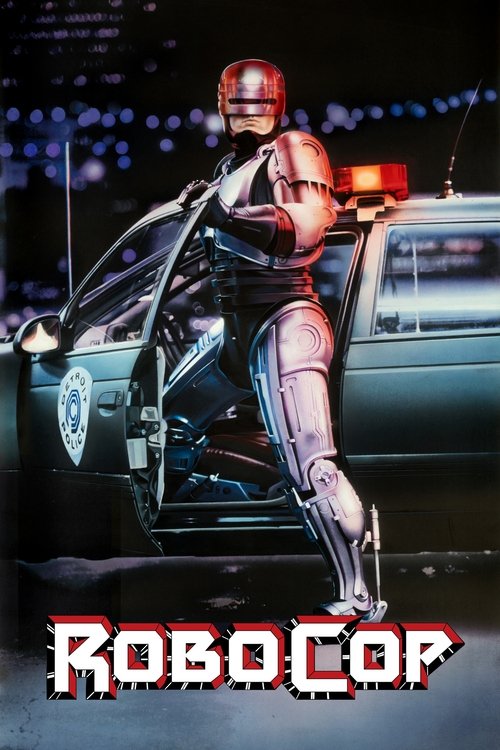
RoboCop1987
A fellow Reagan-era vision of ultraviolent justice where the line between hero and monster blurs. Violent, satirical, built on real anger about authority and bodies as weapons. You'll recognize the DNA.
But It's a straight narrative with a conventional arc. Angel Cop is messier, weirder, and less interested in making sense than Robocop's tidy three-act structure.
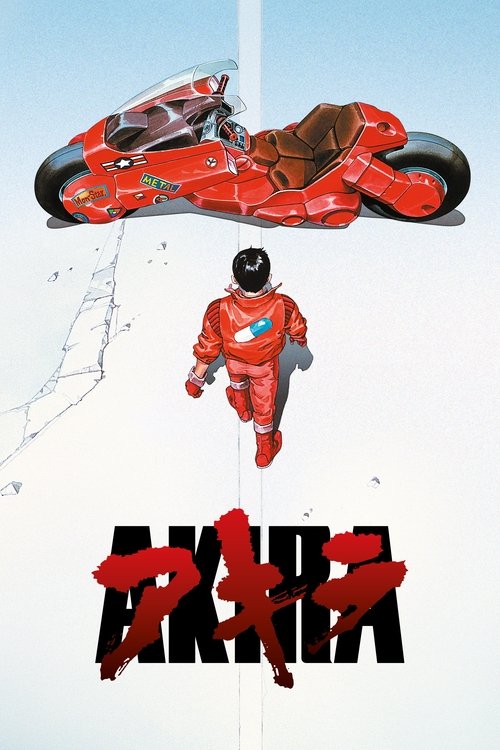
Akira1988
The defining anime of that moment—full-throttle action, cyberpunk Tokyo, a hero you're not sure about, and the specific aesthetic freeze-frame violence that Angel Cop speaks the same language as.
But Akira is beautifully paced and visually coherent. Angel Cop is deliberately fractured and its narrative logic works on dream-logic, not clarity.
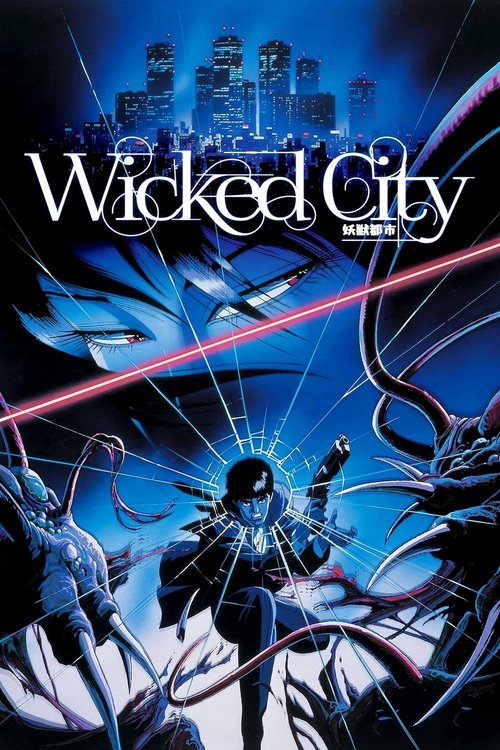
Wicked City1987
Another late-80s anime OVA with the same combination of extreme violence, supernatural elements, and a protagonist operating in moral grey zones. Similar budget restraints led to similar visual choices and storytelling boldness.
But Wicked City leans into eroticism in ways that feel dated and uncomfortable now. It's slower-paced than Angel Cop's relentless momentum.
Not sure tonight? Get a pick in a minute, starting from Angel Cop
The wildcard
Something you would not have found on your own.
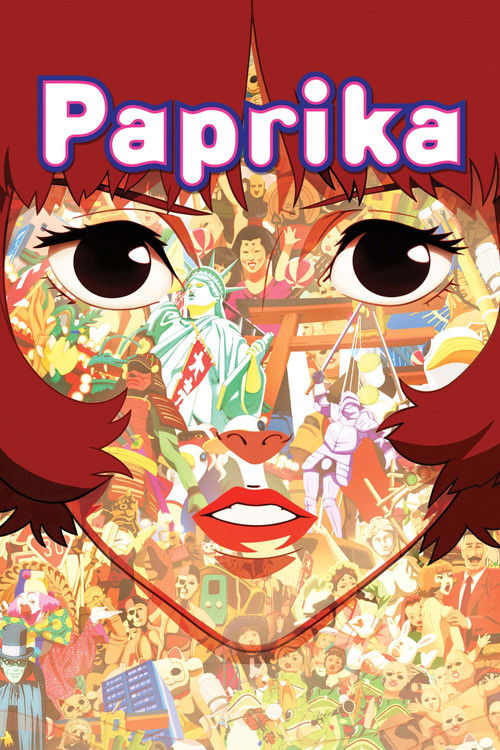
Paprika2006
Both abandon conventional narrative structure to create genuine disorientation. Both treat the human mind as a space that can be invaded and mapped. Both make that abstraction visceral rather than intellectual.
Like Angel Cop, a film where narrative dissolves into mood and visual sequence—a dream logic that prioritizes emotional truth over plot sense. Both collapse the boundary between external reality and internal surveillance. Stunning, surreal, utterly committed to its own logic.
But Paprika is a colour-saturated, exuberant dream; Angel Cop is a neon nightmare. If you want Angel Cop's cold dread, Paprika's warmth and chaos might feel like the opposite thing.
More like this (8)
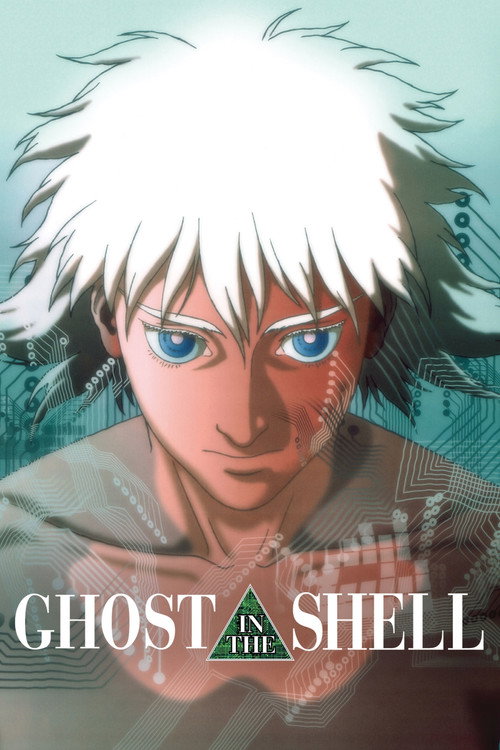
Ghost in the Shell1995
The spiritual heir to Angel Cop's cyberpunk vision. Meditative where Angel Cop is frantic, but both use sci-fi to ask what happens when identity, memory, and flesh become negotiable.
But It's a philosophical film that moves deliberately. If you want non-stop action and atmosphere over ideas, this will feel too slow and talk-heavy.
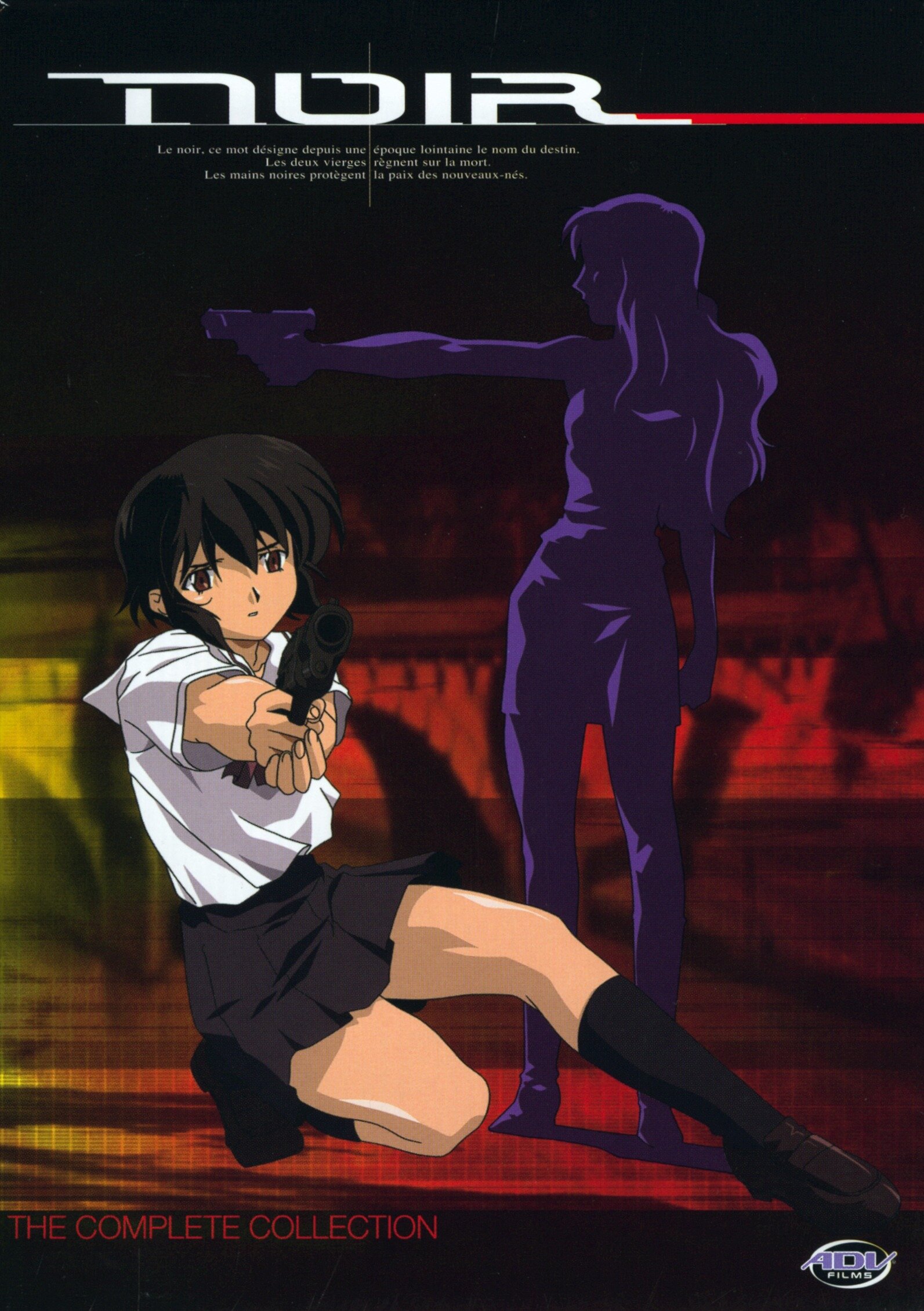
Noir2001
A TV series that borrowed Angel Cop's visual playbook—neon-drenched, noir-inflected, built around amnesiac female assassins working for shadowy powers. Same emotional temperature, more time to breathe.
But Noir is deliberate and repetitive by design; it's a series built on variations. Angel Cop is punchy and sudden by contrast, which some will find more exciting.
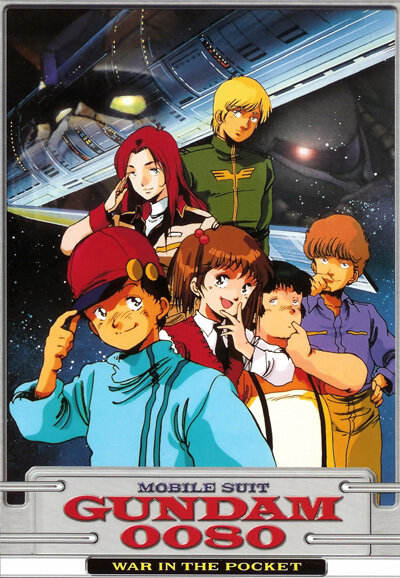
Mobile Suit Gundam 0080: War in the Pocket1989
Released the same year and from the same era of OVA ambition. A war story told through fragmented narrative, with moral questions that refuse easy answers. Cold and unsentimental.
But It's a military sci-fi story without Angel Cop's exploitation elements or visceral horror. The tone is more austere than operatic.
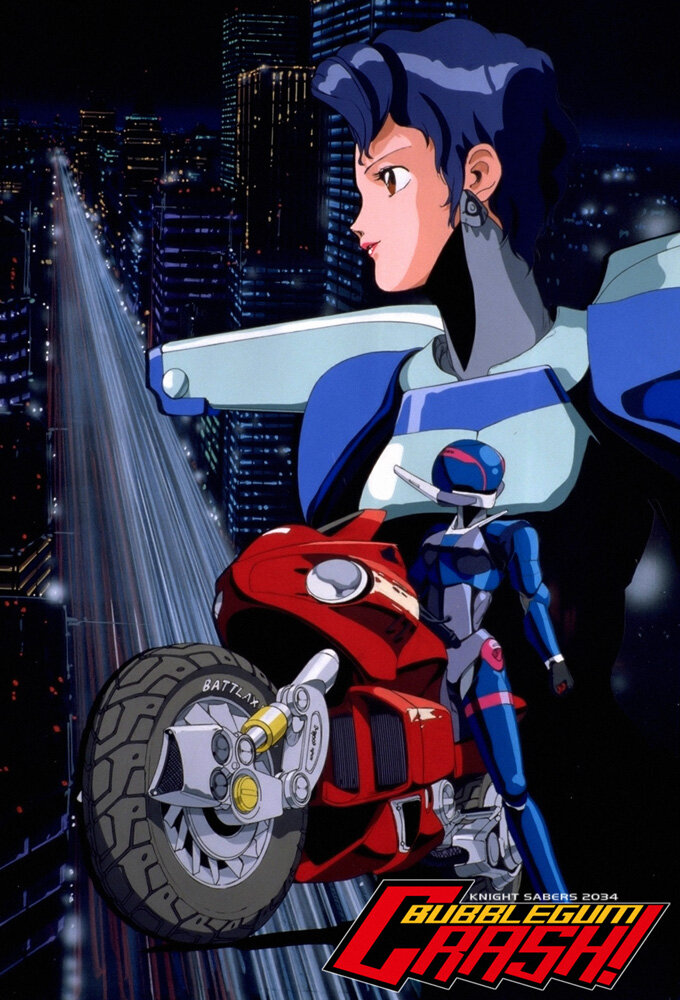
Bubblegum Crisis1987
Eight-episode OVA that nails the exact neon-and-leather cyberpunk aesthetic. Female-led action, corporate conspiracy, the same synth-pop-and-violence soundtrack energy you'll find in Angel Cop.
But It's campier and more comedic in tone. If you're drawn to Angel Cop's grim intensity, Crisis might feel too playful and light.
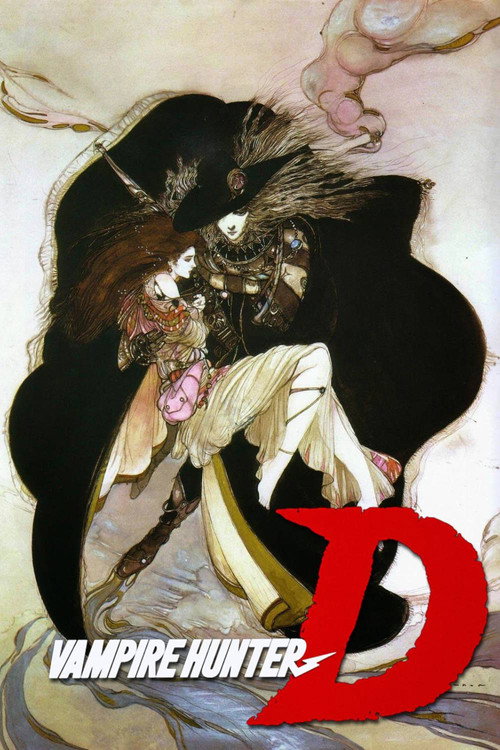
Vampire Hunter D1985
An OVA from the same milieu—gothic, violent, atmospheric. A lone operative with inhuman abilities working within corrupt systems. Similar visual language of hyperviolence and neon moodiness.
But It's primarily a gothic horror film with different narrative priorities. Less interested in conspiracy and surveillance than Angel Cop, more interested in atmosphere and dread.
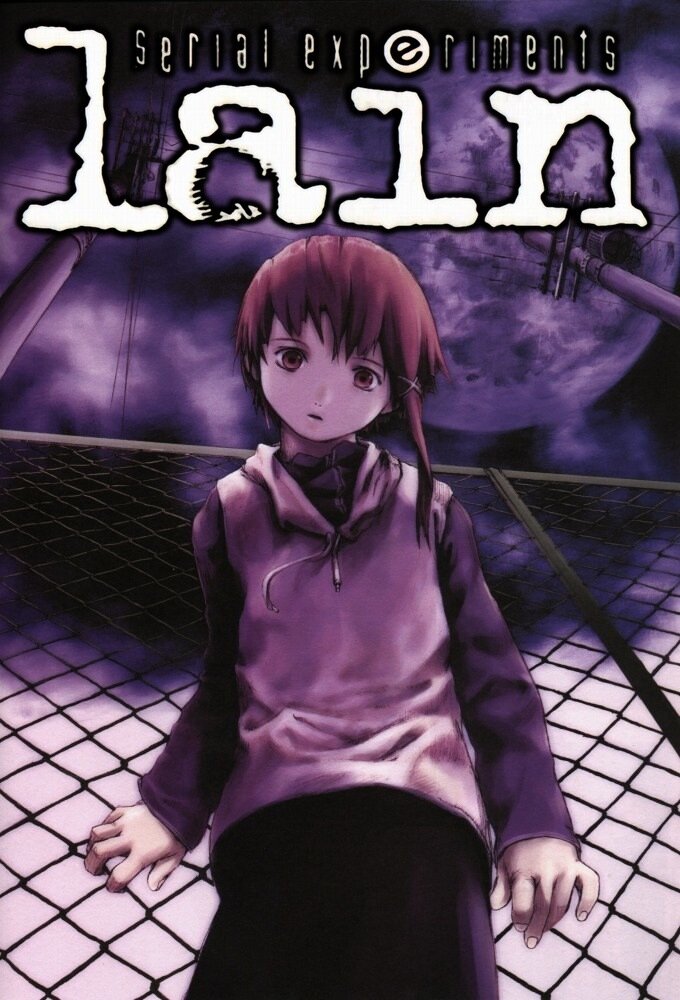
Serial Experiments Lain1998
A late-90s series that inherited Angel Cop's fractured narrative approach and paranoid ideology. Cyberpunk, difficult, more experimental with form. If the weirdness of Angel Cop appealed to you, this pushes further.
But Lain is deliberately obscure and abstract—it resists interpretation. Some will find that liberating; others will find it frustrating rather than thrilling.
Stalker1979
Both are Cold War-era sci-fi obsessed with hidden powers, hidden agendas, and the cost of loyalty or rebellion. Both use genre to ask moral questions that resist easy answers.
A Soviet science-fiction film about a guide leading people through a mysterious zone toward a room that grants wishes. Slow, philosophical, built on paranoia and questions about desire. A completely different register from Angel Cop, but the same obsession with systems of control and what people will do to transgress them.
But Stalker is nearly three hours of deliberate philosophical science fiction. There's no action, no violence. If you want Angel Cop because it's visceral and loud, this will feel like the opposite.

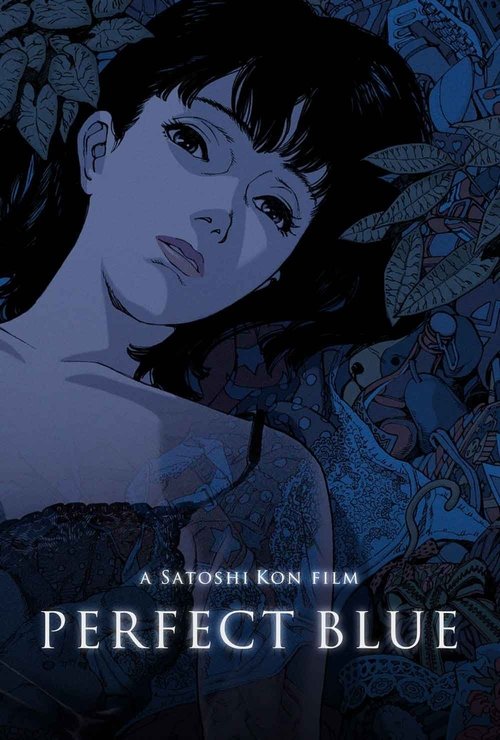
Perfect Blue1998
Both films treat the female body and identity as battlegrounds. Both use visual distortion and narrative fragmentation to show what it feels like when you stop controlling your own story. Both are interested in the cost of that loss.
An anime psychological thriller about identity, surveillance, and fragmentation. A woman whose image is stolen and manipulated, losing control of her own narrative. Like Angel Cop, it uses violence and disorientation not for spectacle but to show a mind being unmade. Far more focused, but the same engine underneath.
But Perfect Blue is a chamber piece about one woman's breakdown, not an action plot. It's claustrophobic and internal where Angel Cop is sprawling and external.
People
Cast
 Mika DoiAngel (voice)
 Akio OtsukaHacker (voice)
 Kenji UtsumiKaishō Taki (voice)
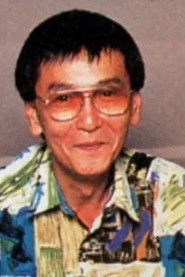 Koichi KitamuraIchihara (voice)
 Kumiko HironakaLucifer (voice)
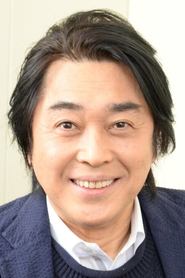 Masashi EbaraRaiden (voice)
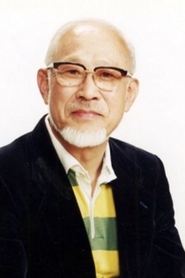 Mikio TerashimaKuwata (voice)
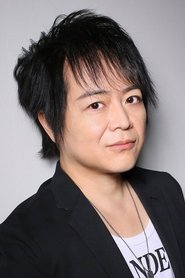 Nozomu SasakiAsura (voice)
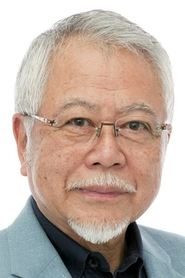 Osamu SakaGovernor Maisaka (voice)
 Rei SakumaPeace (voice)
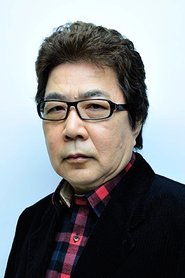 Tessyo GendaPSB Chief Togawa/Frenchie (voice)
 Toshihiko SekiTachihara (voice)
Directing
- Ichiro ItanoDirector
Writing
- Ichiro ItanoOriginal Story
- Ichiro ItanoScreenplay
Production
- Kazufumi NomuraProducer