
Film
Renaissance
A noir-drenched animated thriller set in a cyberpunk Paris where a cop hunts his missing daughter through corporate corruption and genetic conspiracy. Shot in rotoscoped black-and-white with a jazz-noir sensibility, it's gorgeously austere and morally murky. For fans of graphic novels and neo-noir who want their animation angular and serious.
If you liked this
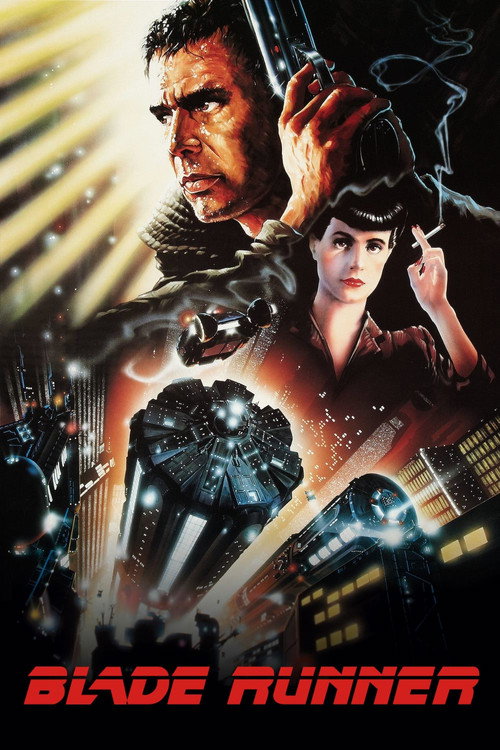
Blade Runner1982
The foundational text for sci-fi noir: a detective hunting replicants through neon shadows, asking whether consciousness matters more than origin. If Renaissance clicked for you, this is why.
But Deliberately paced and philosophical rather than action-driven. Some find the philosophical stretches overwrought compared to the plot mechanics.
Ghost in the Shell1995
Anime's masterpiece about identity and consciousness in a cybernetic future, told with visual sophistication and moral complexity. The same intelligence and visual ambition that Renaissance aims for, achieved in another medium.
But Abstract and demanding; plot matters less than mood and ideas. Subtitled, and the philosophy can feel impenetrable on first watch.

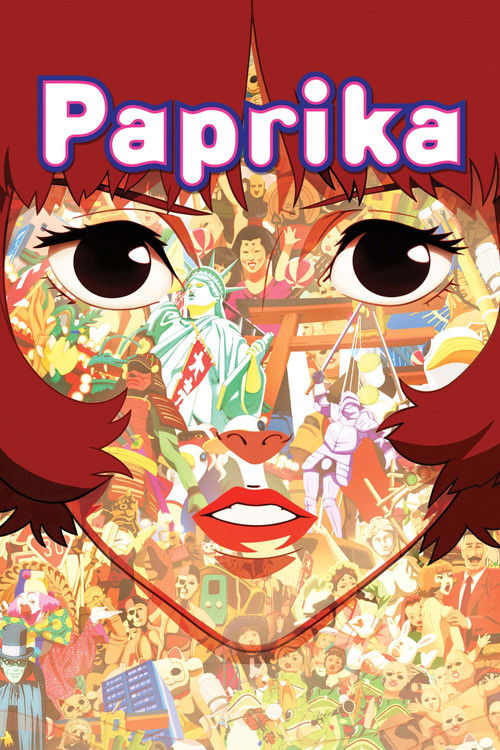
Paprika2006
A hallucinatory thriller about dreams infiltrating reality, with the same year as Renaissance and the same gift for visual storytelling that transcends animation into pure cinema. Gorgeous and disorienting.
But Narratively chaotic by design. The plot deliberately resists clarity, which exhilarates some and frustrates others.
Not sure tonight? Get a pick in a minute, starting from Renaissance
The wildcard
Something you would not have found on your own.
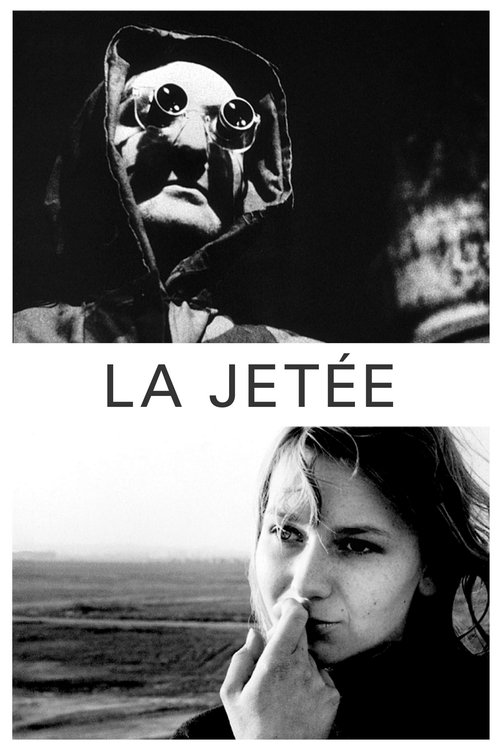
La Jetée1962
Both use visual technique as primary storytelling—neither relies on dialogue or plot to carry meaning. Both are about how images, not words, create truth.
Marker's science-fiction poem is nearly silent, told almost entirely in still photographs, with a single moving shot near the end. It proves that cinema—sci-fi cinema—doesn't need dialogue or motion to devastate you. Renaissance inherits its commitment to visual storytelling as a language in itself, and its meditation on time and identity.
But 27 minutes long; nearly static as images. If you need conventional narrative momentum or character development, this is abstract filmmaking that some find frustratingly impenetrable.
More like this (8)
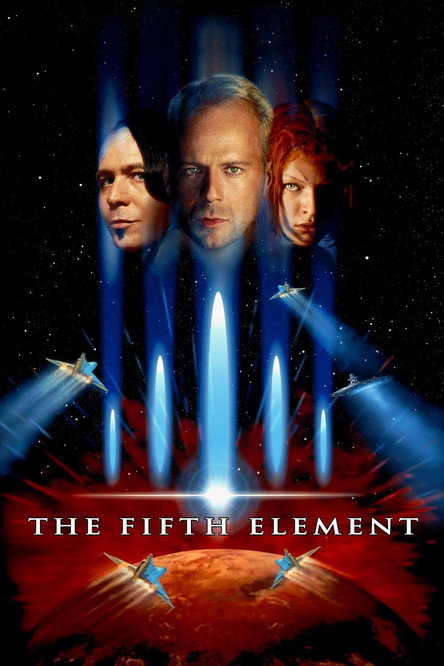
The Fifth Element1997
Luc Besson's operatic sci-fi action film with the same stylised future-noir aesthetic and commitment to visual storytelling as Renaissance. A spiritual cousin in tone and visual language.
But Veers toward camp and spectacle. Some find the earnestness dated, and it prioritizes style heavily over character depth.
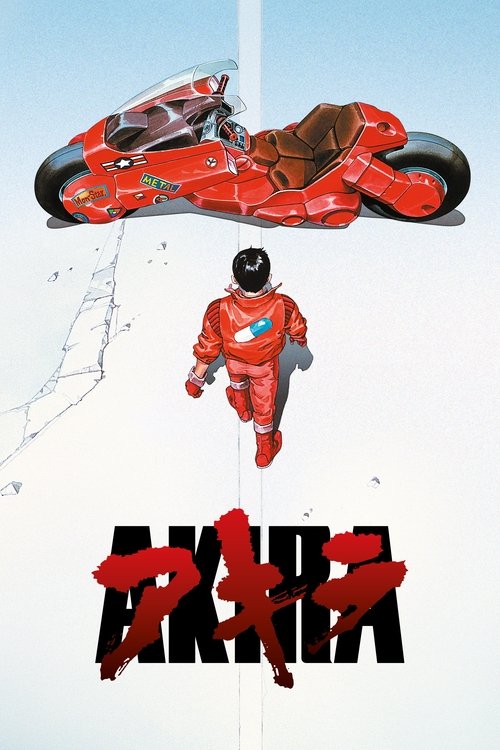
Akira1988
The anime that proved the medium could tackle serious dystopian storytelling with genuine visual ambition. A precursor to everything Renaissance attempts: noir atmosphere, corruption, conspiracies, and animation as an adult language.
But Truncates its source manga; the plot can feel scattered if you're expecting traditional narrative clarity. Some find the philosophizing pretentious.
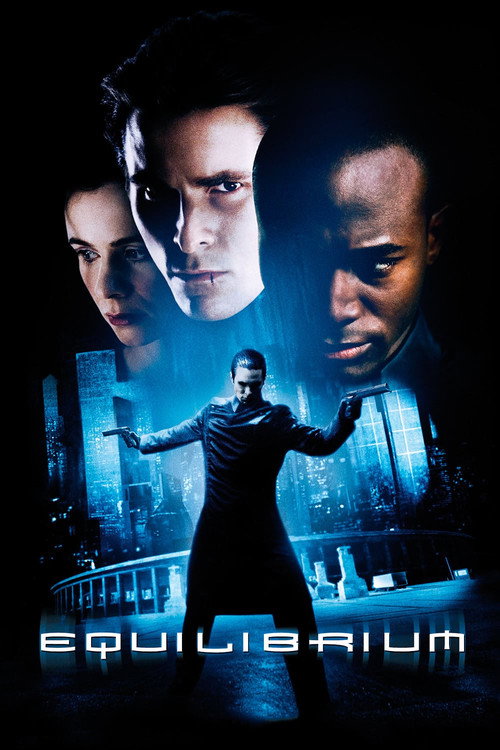
Equilibrium2002
A stylish dystopian thriller about a emotionless society where feeling is forbidden. Has Renaissance's commitment to visual mood over exposition, and the same high-concept noir sensibility on a tight budget.
But Tries to do too much on modest resources. The philosophy sometimes strains beneath the action-film scaffold, and gun-kata can feel unintentionally silly.
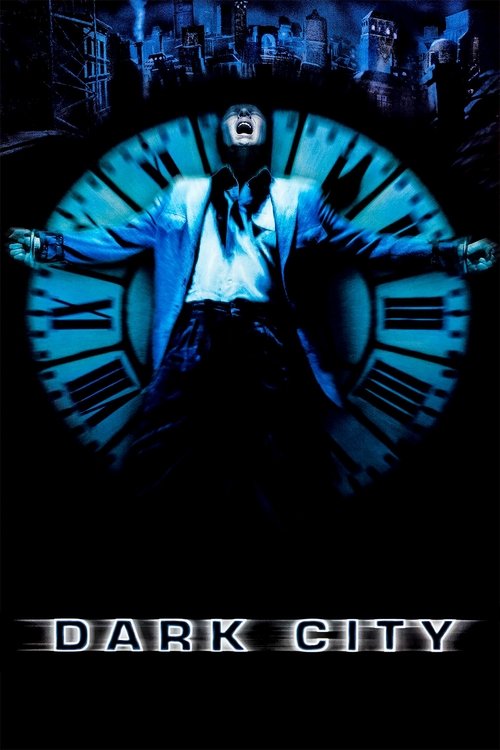
Dark City1998
A noir mystery about identity and memory in a city controlled by unseen forces. Shares Renaissance's commitment to visual atmosphere, moral ambiguity, and the feeling that truth itself is corrupted.
But Glacially slow at times. Some find the production design more engaging than the actual story or characters.
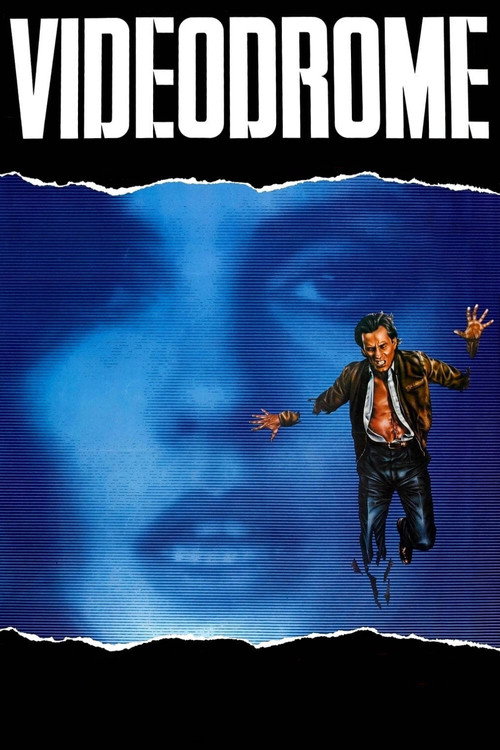
Videodrome1983
Cronenberg's hallucinatory thriller about blurred realities and corporate conspiracy, using its low budget to create a sickly, intimate dread. The DNA of paranoid sci-fi that Renaissance inherits.
But Deliberately body-horror visceral. The narrative is deliberately incoherent, which some find philosophically necessary and others find unfinished.
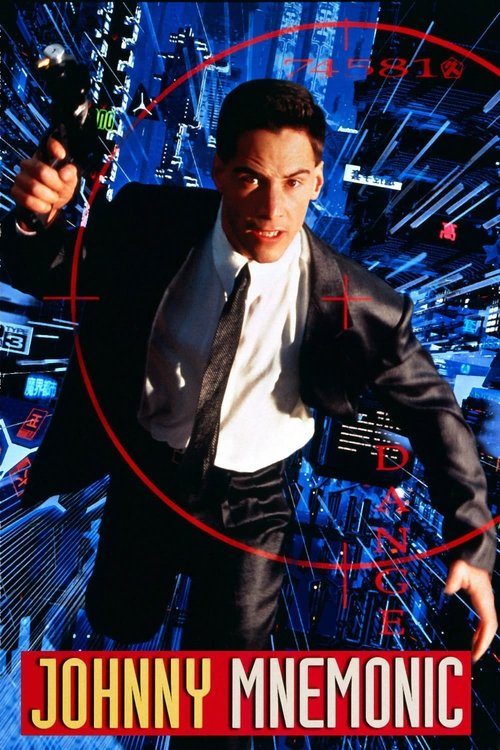
Johnny Mnemonic1995
A cyberpunk action-thriller with Keanu Reeves hunted through a digital-era noir landscape. Shares Renaissance's fascination with information as commodity and the price of secrets in a networked world.
But Campy in places and the action can feel dated. Treated as a punchline by many, though it's sincere about its ideas.
Ikiru1952
Both pivot on a character whose search for truth through an corrupt system becomes a search for meaning and identity. Both suggest that finding the answer might be worse than never knowing.
Kurosawa's masterpiece about a dying bureaucrat searching for meaning in a vast, indifferent system. A completely different genre—humanist drama instead of noir thriller—but the same structural core: an individual trapped in institutions larger than themselves, seeking truth that might destroy them.
But A slow meditation on mortality and bureaucratic futility. No action, no spectacle. If you want narrative momentum rather than emotional accumulation, this will feel glacial.

Stalker1979
Both use science fiction as a vehicle for moral questions about desire and knowledge. Both suggest that truth costs more than you're willing to pay.
Tarkovsky's sci-fi meditation on desire and corruption, where a guide leads two men through a mysterious zone to a room that grants wishes. Completely different register—metaphysical rather than noir—but shares Renaissance's commitment to serious philosophical sci-fi told through atmosphere rather than exposition. Haunting and slow and entirely necessary.
But 161 minutes of deliberate, meditative pacing. Long sequences where almost nothing happens except mood accumulates. Requires patience that defeats most viewers.

People
Cast
 Patrick FloersheimBarthélémy Karas (voice)
 Virginie MeryIlona Tasuiev (voice)
 Laura BlancBislane Tasuiev (voice)
- Gabriel Le DozePaul Dellenbach (voice)
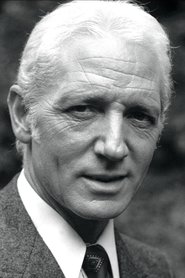 Marc CassotJonas Muller (voice)
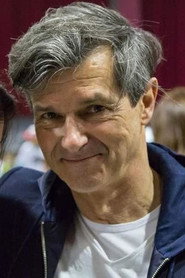 Bruno ChoëlPierre Amiel (voice)
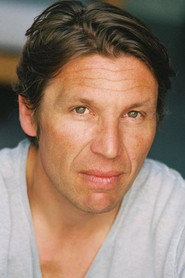 Jérôme PauwelsDimitri (voice)
- Marc AlfosNusrat Farfella (voice)
 Clémentine BaertNurses (voice)
 Jim Adhi LimasNakata (voice)
 Daniel LafourcadeGoran (voice)
- Patrick GosselinDi Borgo (voice)
Directing
- Christian VolckmanDirector
Writing
- Jean-Bernard PouyAdaptation
- Alexandre de La PatellièreScreenplay
- Matthieu DelaporteScreenplay
Production
- Celestia FoxCasting
- Monique van der WaalsCasting
- Ariane PayenCo-Producer
- Lilian EcheCo-Producer
- Timothy BurrillCo-Producer
- Ilann GirardExecutive Producer
- Jake EbertsExecutive Producer
- Louise GoodsillExecutive Producer
- Ralph KampExecutive Producer
- Alexis VonarbProducer
- Aton SoumacheProducer
- Roch LenerProducer