
Film
Fallen Angels
Wong Kar-wai's neon-soaked Hong Kong crime romance, where a detached assassin and his obsessed partner navigate loneliness, desire, and violence through cigarette smoke and rain-slicked streets. Visually intoxicating and emotionally fractured—style as substance. For those who want their action movies to feel like fever dreams.
Should you watch it?
Watch it if you love films where mood, neon-drenched night images and offbeat voiceover carry more weight than the plot, and where lonely people circle each other without quite connecting.
Skip it if you need a neat plot you can follow beat by beat, since this drifts, jumps and lingers on odd moments until its sadness feels more like atmosphere than story.
What it asks of you: Only ninety-eight minutes, but restless: short scenes, handheld jolts, long silences and looping voiceover, so it asks you to stay alert and sit with feeling over clarity.
Not sure? Find tonight's pick in a minute.
If you liked this
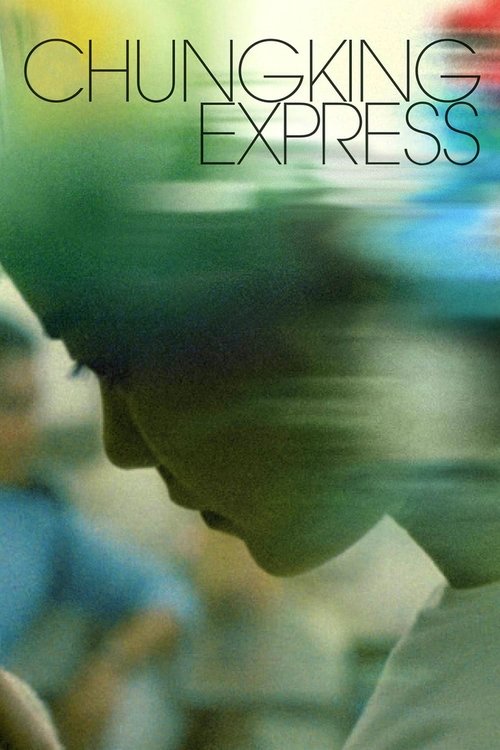
Chungking Express1994
Wong Kar-wai's masterpiece of urban loneliness and chance romance. Two cops, two women, the same dreamlike Hong Kong. If you love Fallen Angels' mood, this is essential—made just before it, even more luminous.
But The narrative is deliberately fragmented and weightless. Plot takes a back seat to atmosphere and feeling, which frustrates people wanting a traditional story.
In the Mood for Love2000
Wong Kar-wai perfecting his aesthetic: two neighbours discovering a betrayal, moving through colour and shadow like dancers. Achingly beautiful and restrained. The same director's philosophy but distilled further.
But At barely 98 minutes, it moves at a glacial pace. Vast stretches contain no dialogue. Some find it frustratingly slow.

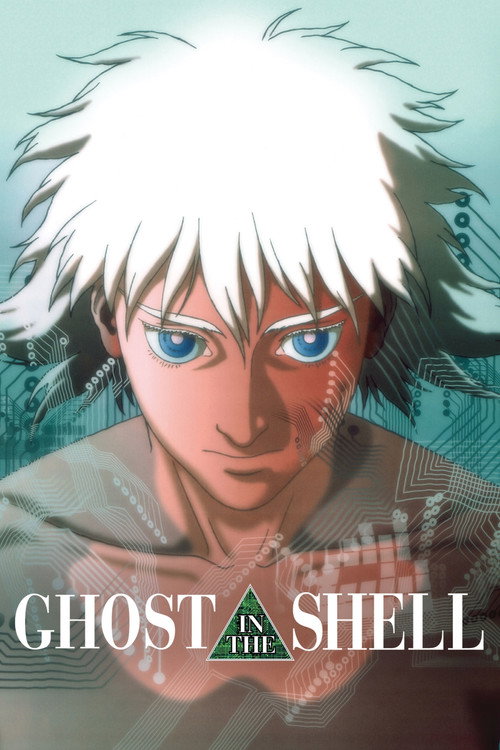
Ghost in the Shell1995
Anime noir released the same year: a cyborg operative hunts a mysterious hacker through neon-drenched streets while questioning identity and consciousness. Japanese cyberpunk with the same visual ambition and philosophical depth.
But Requires patience with science fiction exposition and anime conventions. The animation style may feel dated depending on your tolerance for 90s CG.
Not sure tonight? Get a pick in a minute, starting from Fallen Angels
The wildcard
Something you would not have found on your own.
Possession1981
Both use genre (crime thriller, domestic drama) as a shell for psychological dissolution. Both locate the real violence inside relationships, not in plot.
Andrzej Żuławski's Warsaw-set psychodrama: a marriage disintegrates into grotesque violence and obsession. Shot like a nightmare, emotionally unhinged. The same nexus of desire, betrayal, and fractured identity—but from Eastern European cinema.
But Genuinely distressing and repulsive at times. The acting is deliberately theatrical and hysterical. Contains visceral body horror. Pacing is chaotic and deliberately ugly.

More like this (7)
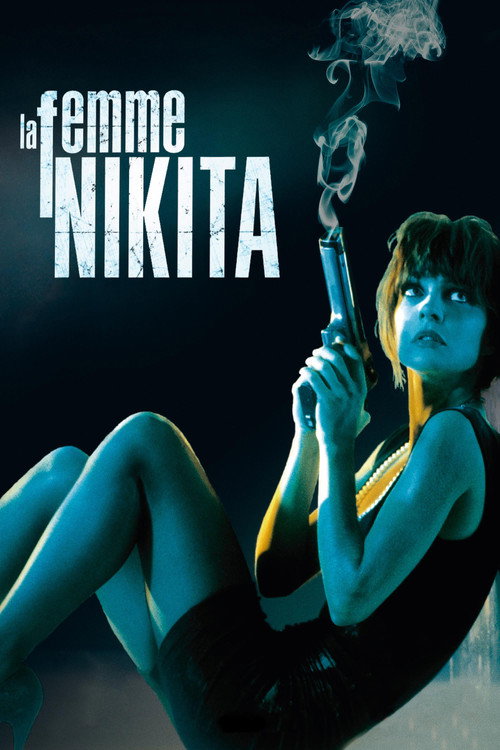
Nikita1990
A criminal gets conscripted as an assassin by the French state. Style, style, style—Besson's visual language echoes throughout 90s action cinema. Dangerous woman, impossible situation, colour-treated frames.
But The plot is fairly straightforward action-thriller material. Doesn't have Fallen Angels' philosophical restlessness—it's more conventionally satisfying, less haunting.
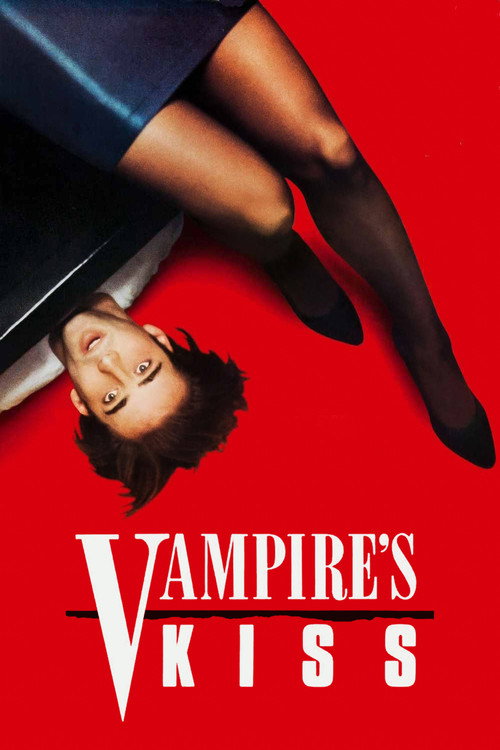
Vampire's Kiss1989
Nicolas Cage as a Manhattan executive convinced he's becoming a vampire. Chaotic, deranged, visually grotesque. A fever dream of paranoia and desire where reality fragments like Fallen Angels' fractured narrative.
But Aggressively weird and unpleasant. Cage's performance is deliberately annoying. No action or romance to anchor you—just psychological dissolution.
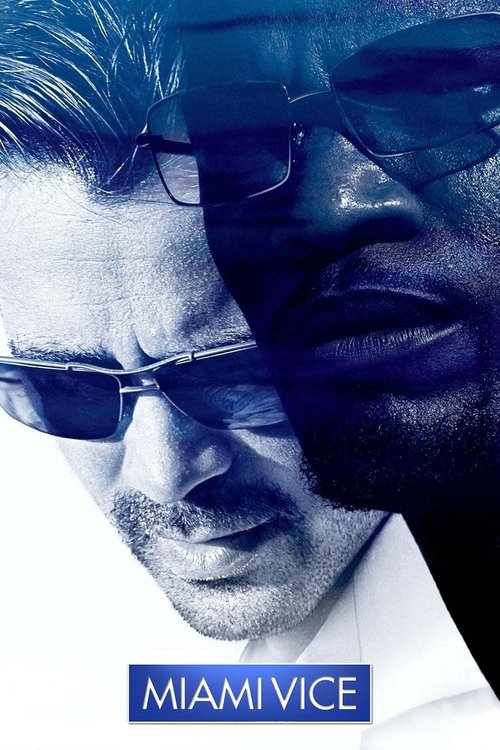
Miami Vice2006
Michael Mann's undercover cops film drowns in neon and electronic score. Long, hypnotic scenes of surveillance and waiting punctured by sudden violence. Fallen Angels' mood translated to Miami cocaine operations.
But Deliberate pacing will lose mainstream audiences. The plot is thin. Shot mostly at night in near-darkness—visually challenging and occasionally frustrating to parse.
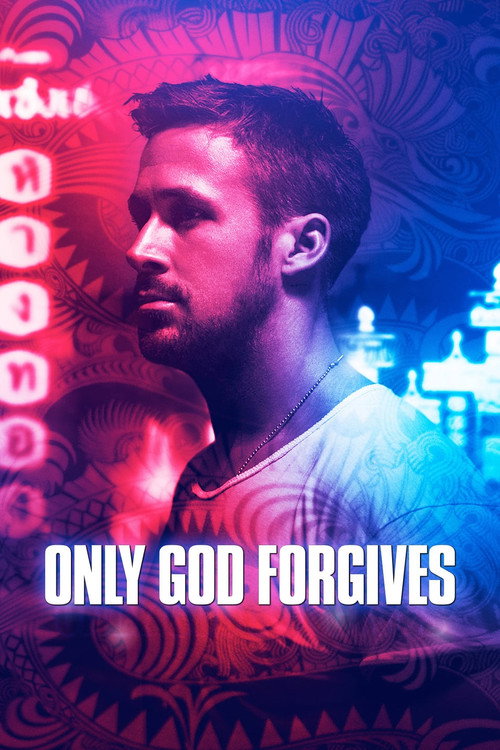
Only God Forgives2013
Nicolas Winding Refn's Bangkok crime saga: a boxer seeks vengeance in a neon-soaked city where violence has moral weight and silence speaks volumes. Pure atmosphere and dread, similar fractured emotional logic.
But Glacially paced, cryptic, and deliberately obscure. The violence is sudden and brutal. Some consider it pretentious—beautiful but emotionally opaque.
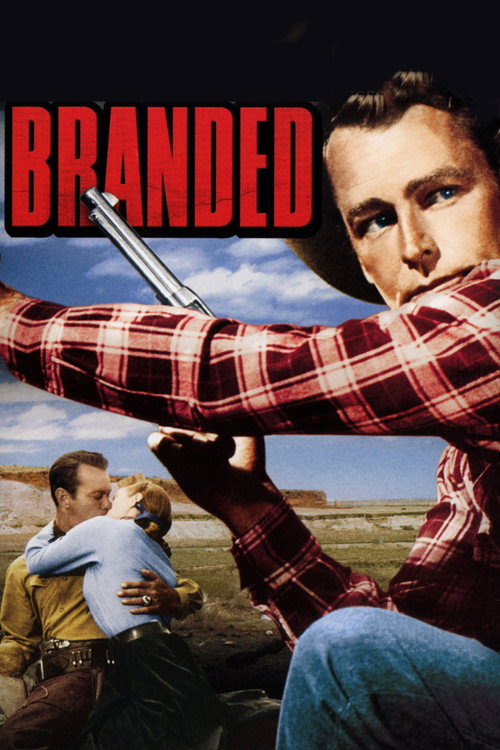
Branded1950
A con man and an ingenue navigate Los Angeles corruption and desire in postwar noir. Taut, cynical, visually inventive. The same cynicism about love and crime, a generation prior.
But Black-and-white and older stylistically. The pacing is much faster and less meditative than Fallen Angels. More plot-driven, less atmospheric.
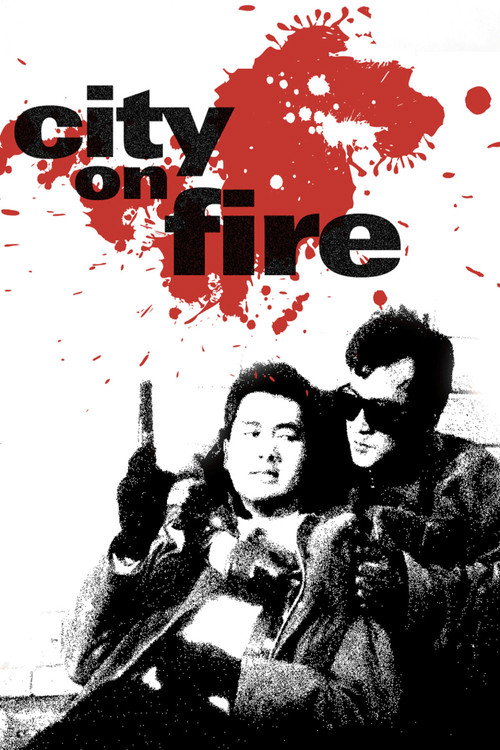
City on Fire1987
A cop goes undercover in a gang. John Woo's breakthrough—kinetic action, loyalty tested, characters fracturing under pressure. The spiritual ancestor to 90s Hong Kong action cinema.
But Dubbed versions are inconsistent. The action sequences, while influential, feel dated now. Woo's style is more propulsive; Kar-wai's is more meditative.
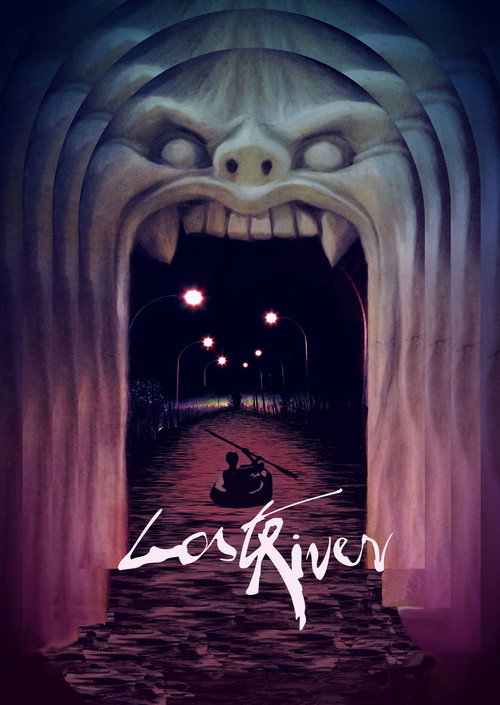
Lost River2015
Both elevate style to the level of content—colour, framing, and sound design do the emotional work that dialogue usually carries. Both find beauty in alienation and urban decay.
Ryan Gosling's directorial debut: a widow fights to save her house in a drowned Michigan town. Mystical, colours vibrant and artificial, the American Dream as fever dream. Visually baroque, emotionally estranged.
But Aggressively artificial and slow-moving. The plot is minimal. Audiences expecting a conventional narrative or Gosling the star will be lost. Feels more like art installation than drama.
People
Cast
 Leon Lai MingWong Chi-Ming
 Michele ReisKiller's Agent
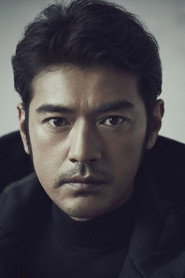 Takeshi KaneshiroHe Zhiwu
 Charlie Yeung Choi-NeiCharlie
 Karen Mok Man-WaiBlondie
- Chan Man-LeiWu's Father
- Toru SaitoSato
 Benz Kong To-HoiAh Hoi
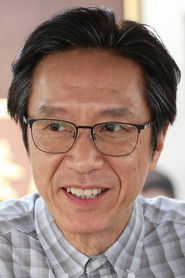 Chan Fai-HungMan Forced to Eat Ice-cream
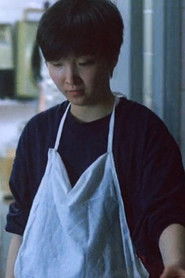 Kwan Lee-NaWoman Pressed to Buy Vegetables
- Wu Yuk-HoMan Forced to Have His Clothes Washed
 Johnnie KongVictim
Directing
- Wong Kar-WaiDirector
Writing
- Wong Kar-WaiScreenplay
Production
- Jacky PangExecutive Producer
- Wong Kar-WaiExecutive Producer
- Jeffrey Lau Chun-WaiProducer