
Film
Mechanical Violator Hakaider
A 1995 Japanese sci-fi action film where a leather-clad cyborg anti-hero awakens to fight a totalitarian theocracy. Gloriously weird and visually audacious, it's a kinetic fever dream that prioritises style and transgression over plot coherence. For anyone who loves their dystopias strange, their villains philosophically complex, and their heroes morally ambiguous.
If you liked this
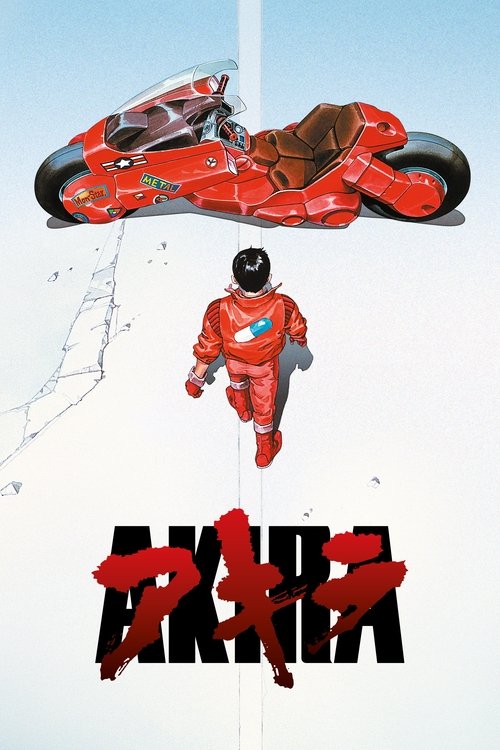
Akira1988
A foundational anime landmark with similarly dense worldbuilding, neo-Tokyo decay, and a protagonist discovering forbidden powers within a militaristic system. Visually stunning and thematically rich.
But The philosophical density and pacing can feel glacial if you're expecting straightforward action. Subtitles required.
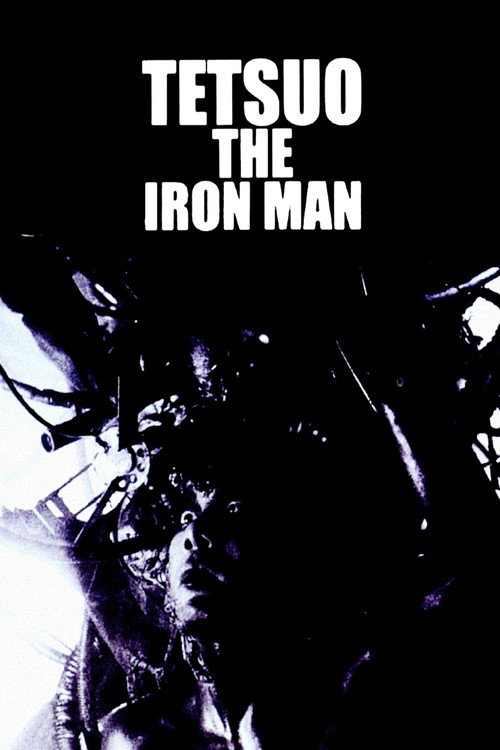
Tetsuo: The Iron Man1989
Another Japanese cyberpunk nightmare equally interested in bodies becoming metal, technology consuming humanity, and anarchic transgression. Stops logic at the door and runs on pure visual and visceral momentum.
But Shot in black-and-white on a minimal budget with deliberately harsh, abrasive sound design. Not comfortable viewing.
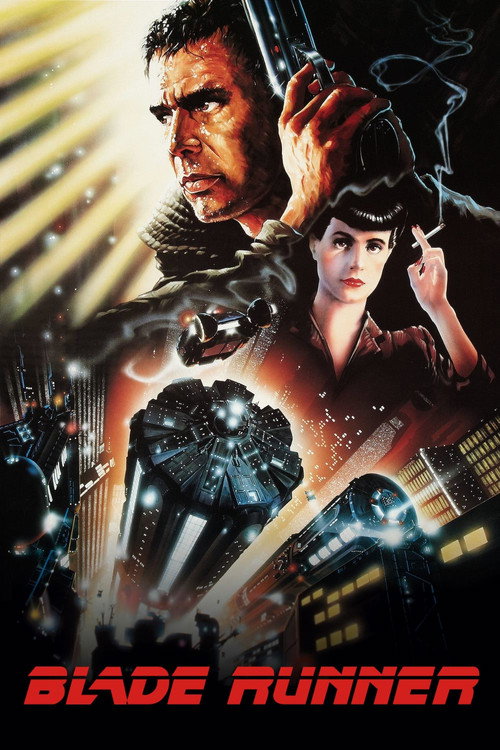
Blade Runner1982
A meditative film about what constitutes personhood in a dystopia, featuring an ambiguous protagonist questioning his own humanity. The philosophical backbone Hakaider riffs on without the introspection.
But Deliberately slow-paced and melancholic. The plot is thin by modern standards; you're there for mood and ideas, not momentum.
Not sure tonight? Get a pick in a minute, starting from Mechanical Violator Hakaider
The wildcard
Something you would not have found on your own.
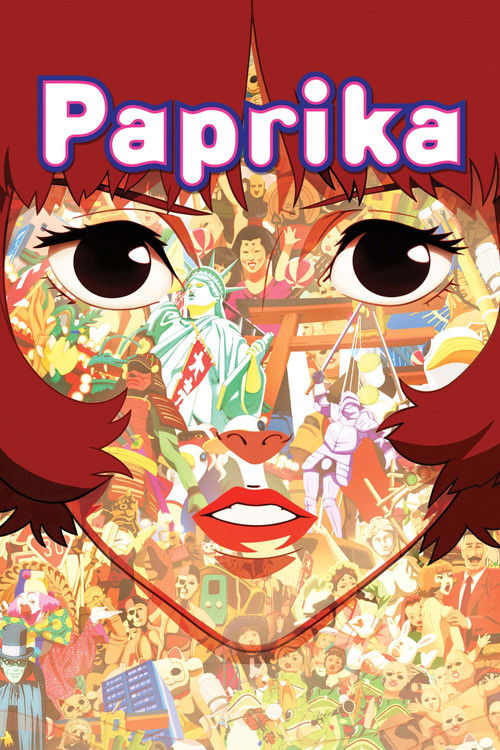
Paprika2006
Both films prioritise visual and emotional intensity over plot sense, treating dystopia as a space for anarchic, dreamlike exploration rather than traditional thriller mechanics.
Satoshi Kon's wildly inventive animation about technology and identity bleeding into reality. Shares Hakaider's visual fearlessness and rejection of narrative coherence in favour of dream logic and sensory chaos.
But The plot becomes almost incomprehensibly abstract in the final act. It demands patience with surrealism over clarity.
More like this (8)
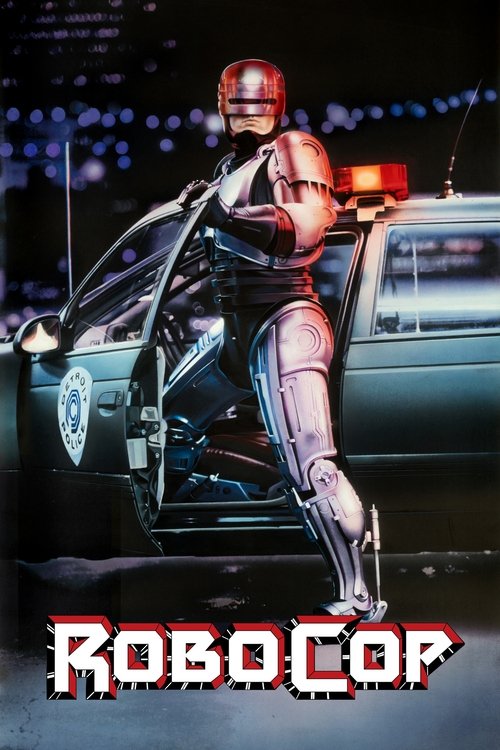
RoboCop1987
A cyborg protagonist fighting institutional corruption in a fascistic future. Savage satire wrapped in genuine action thrills, with a hero whose humanity gets chipped away by the system.
But The satire dates noticeably, and the violence, while purposeful, may feel gratuitous if you're not invested in the social critique.
Ghost in the Shell1995
Released the same year, it shares Hakaider's interest in identity, corporeal transformation, and totalitarian control. Far more cerebral and visually gorgeous.
But Almost entirely philosophical. There are long stretches with minimal plot or action. Can feel like homework.

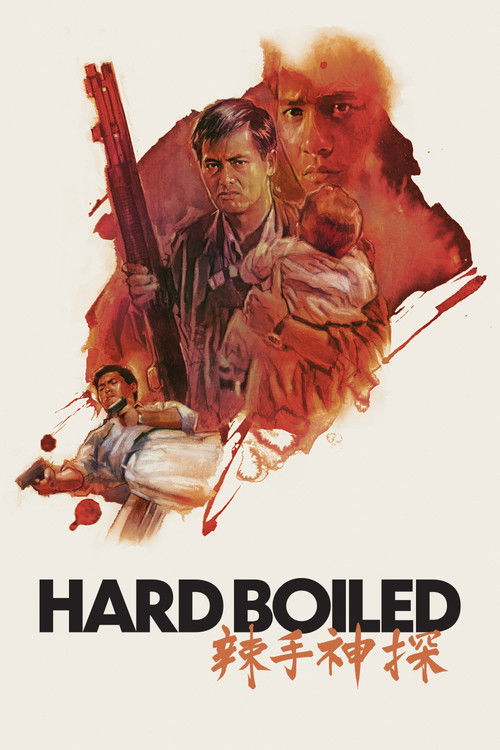
Hard Boiled1992
John Woo's masterwork of ballistic action choreography and operatic violence. A cop and a criminal find unexpected kinship—moral ambiguity as kinetic poetry.
But Cantonese dialogue with subtitles. The plot is deliberately thin; it's pure style and spectacle.
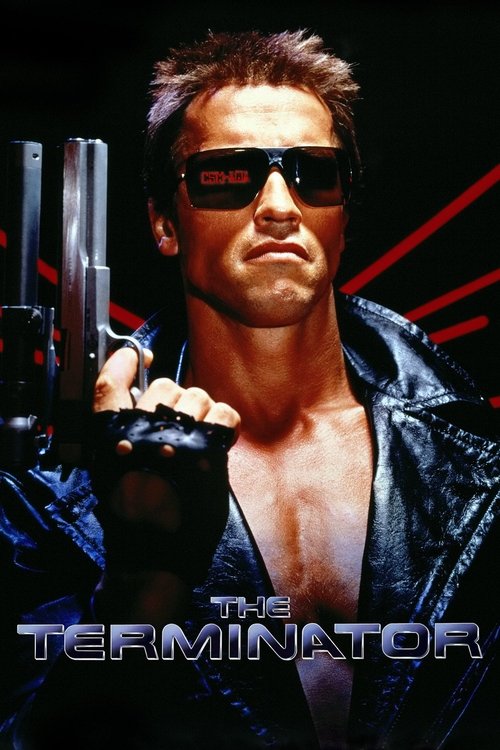
The Terminator1984
An unstoppable cyborg protagonist hunting through a surveillance state. Lean, propulsive action with genuine dread. The template many later films riffed on.
But The sequel overshadowed it. Taken on its own terms it's bleaker and less comfortable than its reputation suggests.
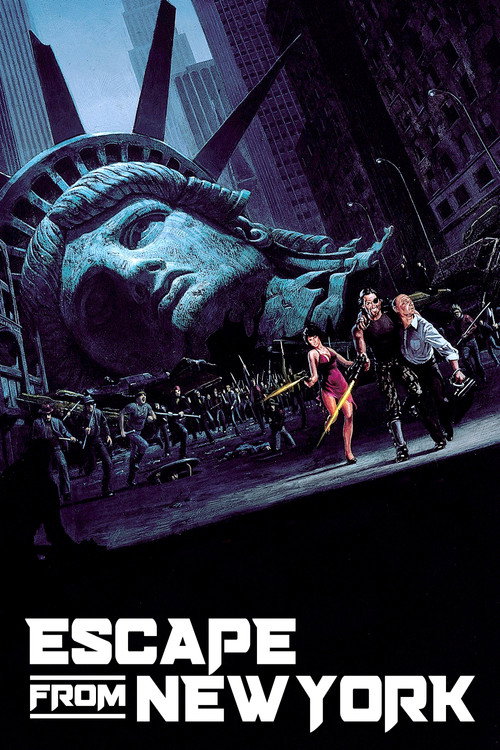
Escape from New York1981
A cynical anti-hero navigates a dystopian hellscape ruled by criminals. Carpenter's vision of authoritarian collapse is genuinely strange and anarchic.
But The retrofuturism looks quaint now, and the plot is skeletal. It trades on mood and weirdness more than substance.
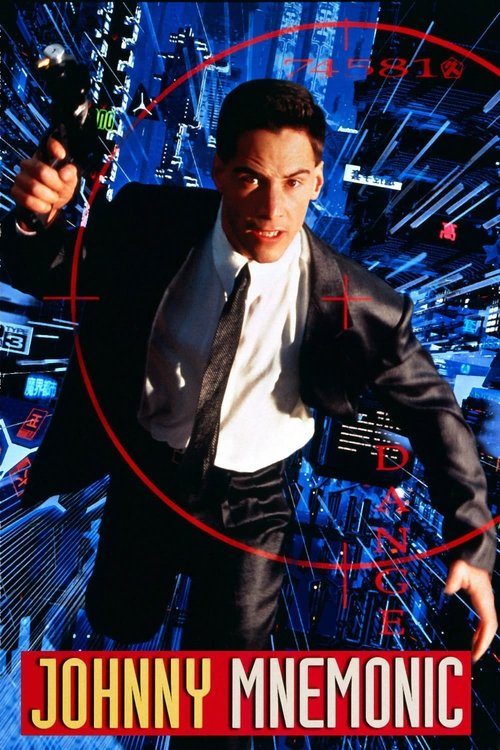
Johnny Mnemonic1995
Released the same year as Hakaider with a similar b-movie sensibility about resistance in a corporate dystopia. Keanu Reeves in peak ridiculous sci-fi mode.
But It's genuinely not very good. The script is clumsy, the plot confused, and its earnestness about cyberpunk clichés hasn't aged well.
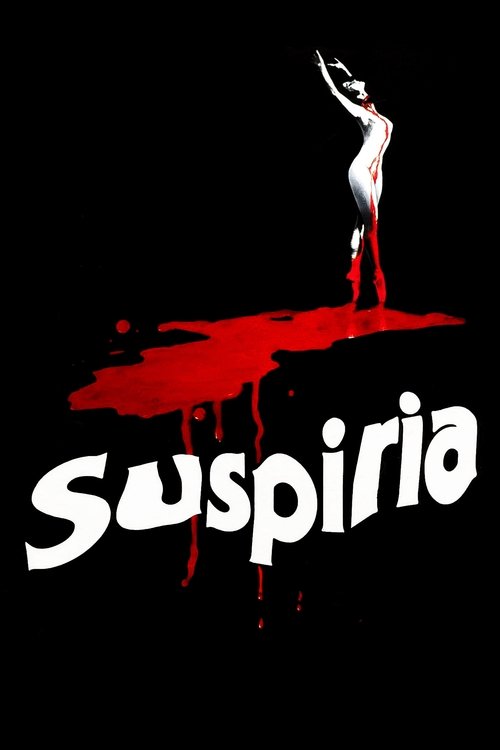
Suspiria1977
Both are films where the visual and tonal language—the sheer strangeness—matters more than plot coherence. Both are using cinema as pure sensory experience.
Dario Argento's giallo masterpiece uses garish colour, impossible music, and pure style to create dread and transgression. Narrative takes a backseat to atmosphere and aesthetic violence.
But It's a 1970s Italian horror film with a dubious plot, dubious politics, and no interest in making sense. Tone matters infinitely more than story.
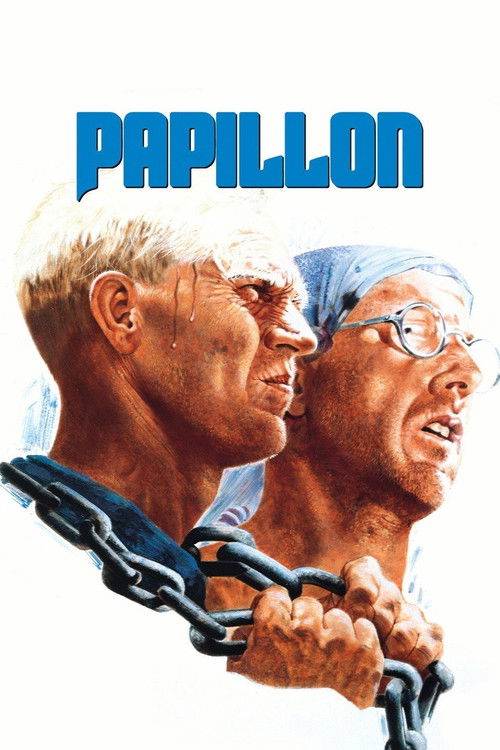
Papillon1973
Both feature a lone, physically extraordinary protagonist locked in symbolic and literal battle against totalitarian control. Both valorise the body and individual will as weapons of resistance.
Steve Reeves' raw, physical performance as a man resisting a totalitarian system through sheer will and body. A lean, brutal film about defiance against impossible authority, shot with documentary bleakness.
But It's brutal and repetitive, almost anti-narrative. Reeves is not a trained actor. The pacing is deliberately punishing.
People
Cast
 Yuji KishimotoRyo / Hakaider
 Mai HoshoKaoru
- Hiroshi MatsumotoHakaider (voice)
- Yasuaki HondaGurjev
- Toshiyuki KikuchiMichael
 Kazuhiko InoueMichael (voice)
- Ami KawaiAmi
- Kiyohiko InoueKiyo
- Andy SmithAndy
- Eddie LawrenceEddie
- Rauf AhmedRauf
Directing
- Osamu KanedaAction Director
- Hideyuki KatsukiAssistant Director
- Keita AmemiyaDirector
Writing
- Toshiki InoueScreenplay
- Shotaro IshinomoriStory
- Yoshinori KitaseWriter
Production
- Haruki NakayamaProducer
- Ryoutoku WatanabeProducer
- Tatsuya KimuraProducer