
Film
The Great Waldo Pepper
A 1975 adventure about a washed-up WWI pilot chasing the rush of combat through barnstorming and Hollywood stunt work. Robert Redford embodies restless charisma—a man addicted to danger and the roar of an engine, unable to settle into ordinary life. It's elegantly shot, meditative about masculine yearning, and built around real flying sequences that crackle with genuine peril.
If you liked this
Top Gun1986
The same ache for speed and glory, the same glossy mythology around flyboys, and the same stunning aerial sequences. Maverick chases the high Waldo already knows is killing him.
But Bombastic 80s tone might feel distant from Waldo's quieter melancholy. Much more concerned with spectacle than introspection.
The Right Stuff1983
Explores men who need to push beyond limits, with the same elegiac tone about heroic eras fading. Focuses on the internal cost of ambition rather than just the glory.
But Nearly four hours long and shifts between multiple characters. Demands patience and rewards it, but not everyone has the evening.
Only Angels Have Wings1939
Hawks' masterpiece about pilots flying dangerous mail routes, finding brotherhood in risk. Shows the tradition Waldo inherits, with Cary Grant embodying the same burnished male cool.
But Black-and-white and 121 minutes; very much a 1939 film in pacing and gender dynamics. Subtlety isn't Hawks' game—he's direct.
Not sure tonight? Get a pick in a minute, starting from The Great Waldo Pepper
The wildcard
Something you would not have found on your own.
Ikiru1952
Both explore men racing against irrelevance and mortality. Waldo escapes into flight; the protagonist in Ikiru escapes into legacy. One tragic, one redemptive—but the question is identical.
Kurosawa's masterpiece about a dying bureaucrat discovering meaning. Like Waldo, it asks what a life of performance and distraction leaves you with—but finds transcendence in quiet acts of creation, not risk. A meditation on the same hunger answered differently.
But Japanese film from 1952, deliberate pacing, and profoundly sad. It's about mortality and acceptance, not adrenaline. Demands emotional surrender.

More like this (8)
The Magnificent Seven1960
Men past their prime, restless and skilled, hired for one last dangerous job. Steve Reeves and Yul Brynner capture the same worn-out swagger, the same hunger for meaning through action.
But Western tropes can feel dated. The plot is lean to the point of thin, and some may find the fatalism depressing rather than poignant.
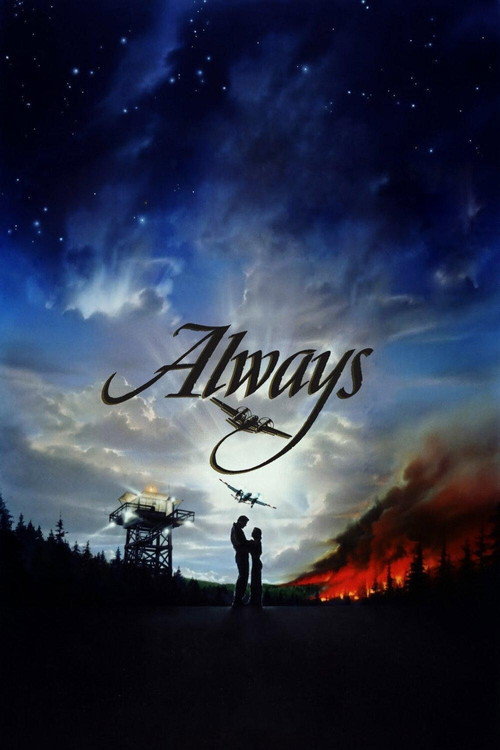
Always1989
Spielberg's ghost story about a pilot who can't let go of flying or his past. Richard Dreyfuss carries the same haunted need to stay in the air, even after death should stop him.
But Sentimental in a way Waldo resists. The romance subplot grows heavy-handed, and some find the tone confused between drama and whimsy.
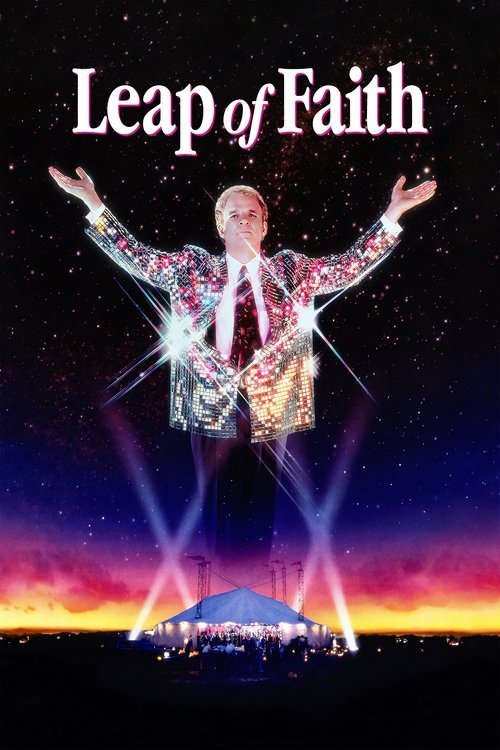
Leap of Faith1992
Con artist finds unexpected meaning in connection rather than solitude. Steve Martin plays a different kind of performance—selling dreams instead of risking life—but the arc of disillusionment to grace mirrors Waldo's.
But Uneven tonal shifts and a saccharine ending undermine its best insights. Some sequences feel forced rather than earned.
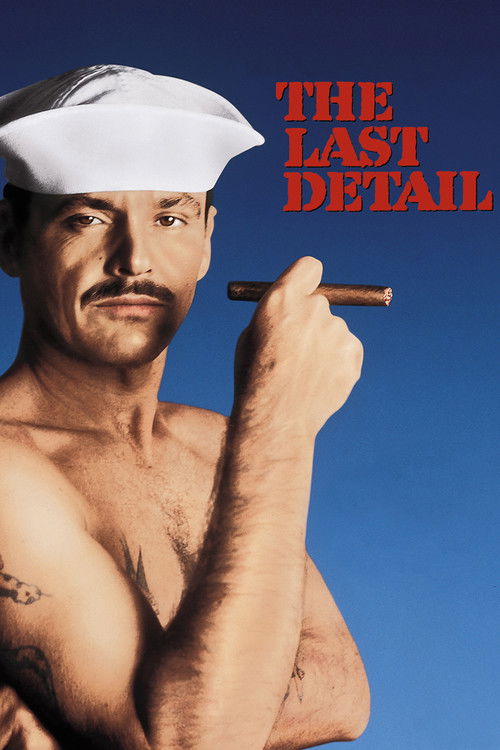
The Last Detail1973
Two Navy lifers escort a young sailor to prison, forced to confront what their lives have meant. Jack Nicholson and Otis Young radiate the same weariness, the same grappling with obsolescence and duty.
But Road-movie plotting can feel baggy. The language is raw and the tone often comic, which may clash with wanting something more grave.
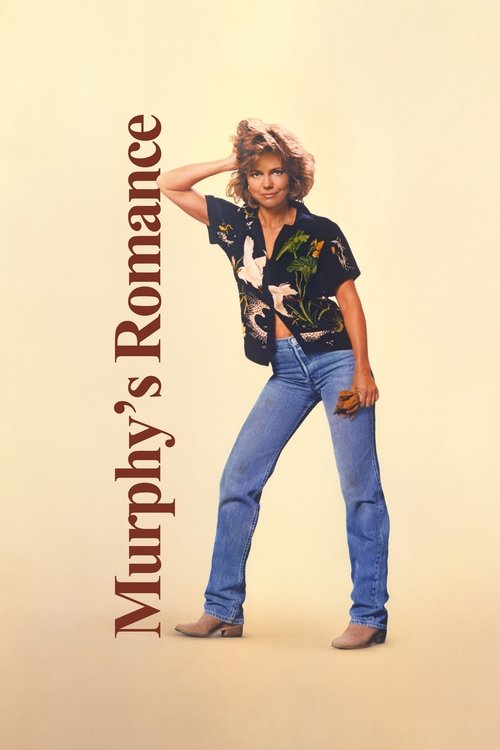
Murphy's Romance1985
A former rodeo rider settles into small-town life. James Garner captures masculine grace aging out of action, finding new purpose. Quieter than Waldo but shares its meditation on second acts.
But Romantic comedy DNA means it prioritizes charm over depth. Some find the resolution too neat, too accepting of domesticity.
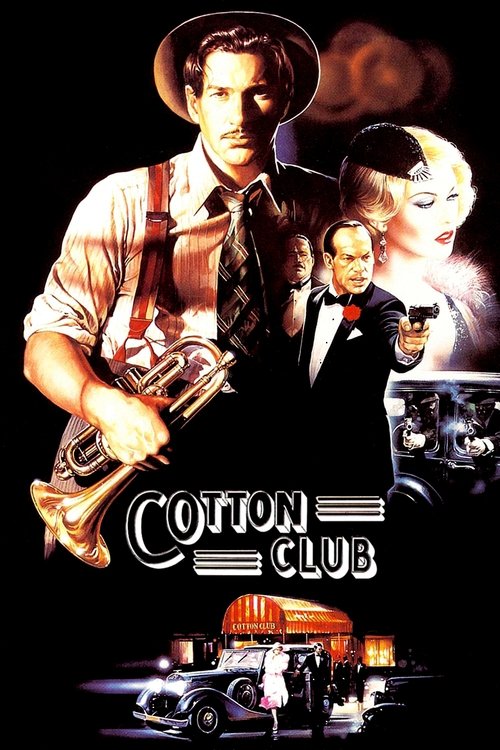
The Cotton Club1984
Jazz-age adventure with flying sequences and men pursuing impossible dreams in a glittering, doomed world. Francis Ford Coppola's sweep and ambition echo Waldo's hunger for beauty and danger.
But Narrative sprawls across multiple storylines without always connecting them. Some of the sequences feel overcooked and the film struggles with its own scale.
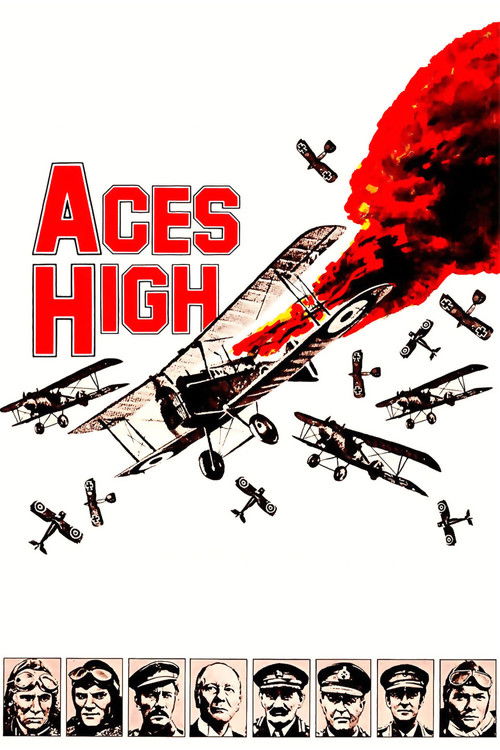
Aces High1976
Same era, same obsession with flying and death, same cast of British and Scandinavian actors playing aviators. But Aces High is anti-romantic where Waldo is elegiac—it strips away the myth Waldo still partly believes in.
British WWI aerial drama made a year after Waldo, with real flying filmed above France. Examines the romance and horror of combat aviation with stunning honesty. Malcolm McDowell as a pilot instructor watching younger men die.
But Lower budget than Waldo shows on screen. Much darker about war's waste; there's no Hollywood redemption, only loss. Takes the glossiness away.
The Ballad of Little Jo1993
Both are about Americans reinventing themselves through performance in landscapes that demand it. But where Waldo chases an inherited masculine dream, Jo creates an entirely new self. Both pay a price. One never knows it; one never stops knowing.
A woman passes as a man in the Old West, finding freedom in reinvention and disguise. Maggie Greenwald's film is a Western about identity and the cost of performing for survival. Gorgeous, strange, deeply moving—and it subverts the masculine mythology Waldo never questions.
But Indie Western from 1993; low-key and slow. The subject matter—gender transgression, poverty, loneliness—is far from adventure-movie comfort. Some find it bleak.

People
Cast
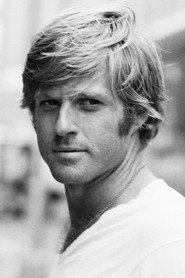 Robert RedfordWaldo Pepper
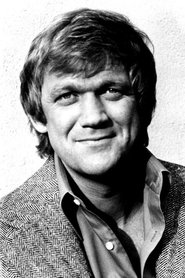 Bo SvensonAxel Olsson
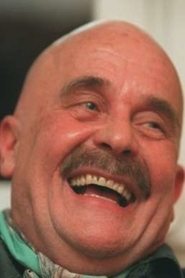 Bo BrundinErnst Kessler
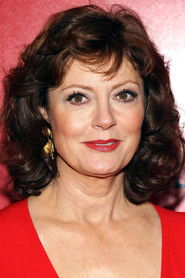 Susan SarandonMary Beth
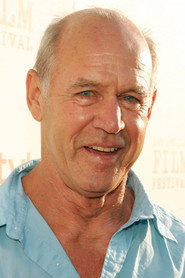 Geoffrey LewisNewt
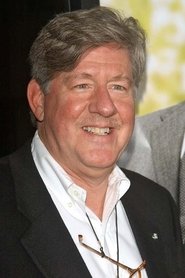 Edward HerrmannEzra Stiles
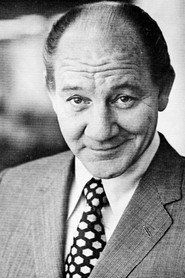 Philip BrunsDilhoefer
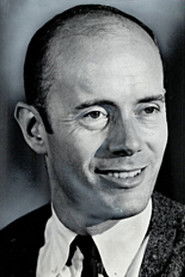 Roderick CookWerfel
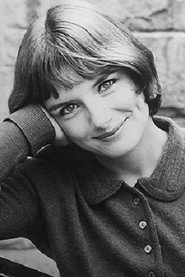 Kelly Jean PetersPatsy
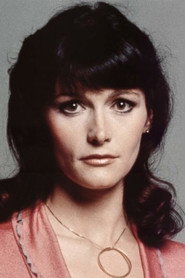 Margot KidderMaude
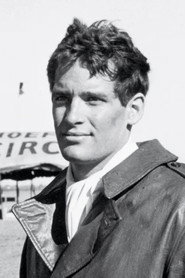 Scott NewmanDuke
Directing
- Cheryl DowneyAssistant Director
- Scott U. AdamAssistant Director
- George Roy HillDirector
- Ray Gosnell Jr.First Assistant Director
- Charlsie BryantScript Supervisor
- Jerry BallewSecond Assistant Director
Writing
- George Roy HillStory
- William GoldmanWriter
Production
- Robert Crawford Jr.Associate Producer
- George Roy HillProducer
- Lloyd AndersonUnit Production Manager