
Film
The Cotton Club
Francis Ford Coppola's 1984 jazz-era crime drama interweaves the lives of Black entertainers and white gangsters around Harlem's Cotton Club during Prohibition. It's a visually stunning, rhythmically ambitious film that pulses with music, desire, and period intrigue. For anyone drawn to the glamour and violence of gangster mythology told through a jazz-saturated lens.
Should you watch it?
Watch it if you love sprawling period crime stories where the music and the mobsters are equally seductive, and you don't mind a story that wanders through its own glamour to get where it's going.
Skip it if you want a tight, plotted gangster film with a clear spine, since this one spreads its attention across many characters and lets the atmosphere do much of the work.
What it asks of you: Settle in for well over two hours, with a loose, roaming rhythm, a lot of dressed-up scenery, and dialogue you need to keep up with rather than skim.
Not sure? Find tonight's pick in a minute.
If you liked this
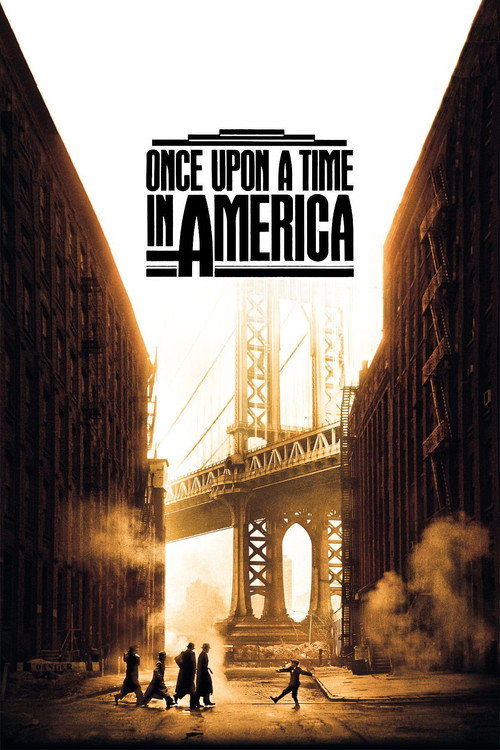
Once Upon a Time in America1984
Sergio Leone's epic meditation on friendship, crime, and nostalgia across decades. Like Cotton Club, it uses period excess and visual grandeur to explore power dynamics and the seductive allure of criminal life.
But Deliberately paced and emotionally distant; the non-linear structure demands patience and the film withholds easy catharsis.
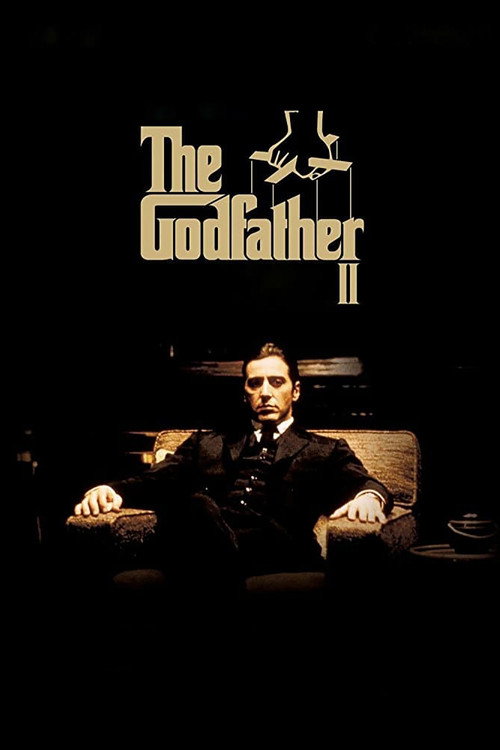
The Godfather Part II1974
Coppola's own masterpiece that birthed the modern crime epic. Parallel narratives, lavish production design, and the corrupt merger of legitimate and criminal worlds share Cotton Club's DNA.
But Nearly four hours long; the scope can feel overwhelming and the themes deliberately tragic rather than entertaining.
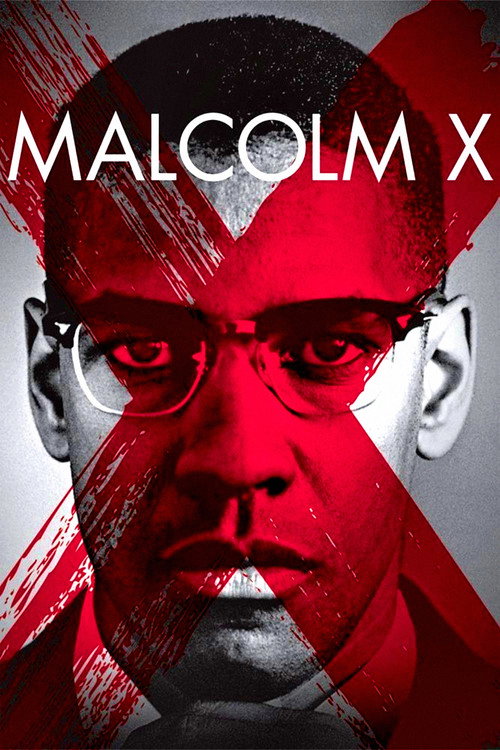
Malcolm X1992
Spike Lee's bold, visually dynamic biography of a pivotal Black American figure set partly during the Harlem era. Shares Cotton Club's fascination with Black culture under white commercial exploitation.
But Uncompromising in its politics; Lee's didacticism won't appeal if you want pure entertainment over message.
Not sure tonight? Get a pick in a minute, starting from The Cotton Club
The wildcard
Something you would not have found on your own.
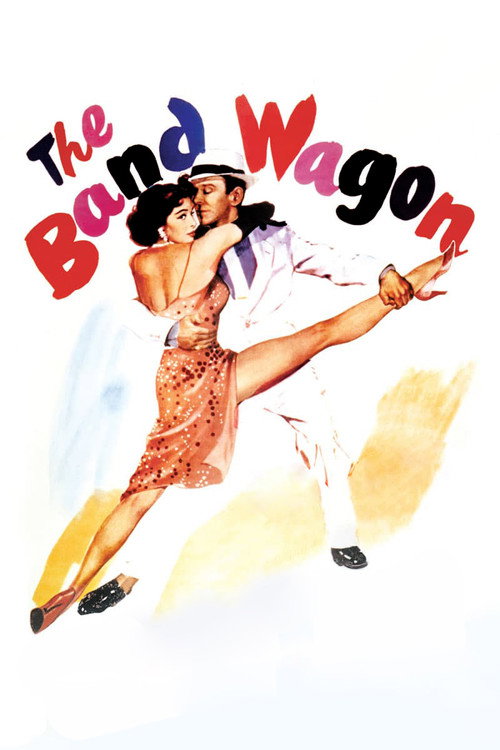
The Band Wagon1953
Both films are structurally driven by musical numbers and dance as narrative—performance as the real action beneath the plot.
Vincente Minnelli's musical about putting on a show. Cotton Club uses performance the same way: as a language for desire, status, and survival. Both films are essentially about the choreography of power.
But A 1950s musical in bright Technicolor; if you came for gangsters, the earnest showbiz sentiment will feel incongruous.
More like this (8)
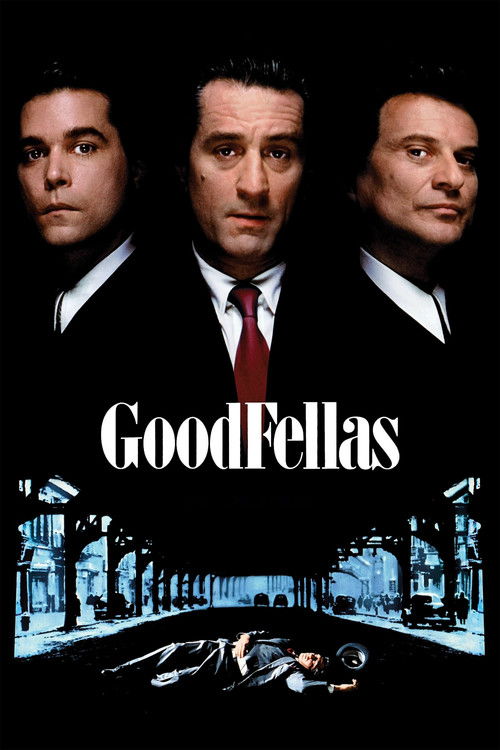
GoodFellas1990
Scorsese's kinetic crime saga uses music and style as narrative language the way Cotton Club does. Both films seduce you with the lifestyle before showing the cost.
But More relentlessly brutal and cynical; there's no romantic gloss, just escalating corruption and violence.
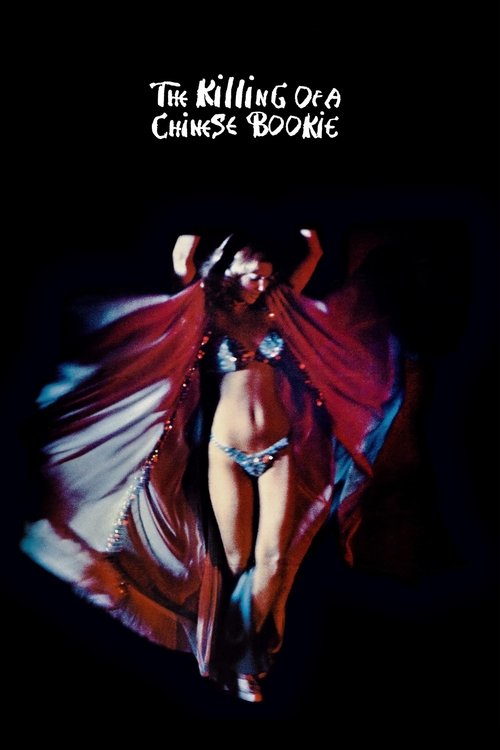
The Killing of a Chinese Bookie1976
John Cassavetes' elliptical crime noir set in Los Angeles nightclubs. Like Cotton Club, it's fascinated by the economics of entertainment venues and the men trapped in them.
But Deliberately opaque and improvisational; the narrative refuses clarity and the dialogue can feel repetitive.
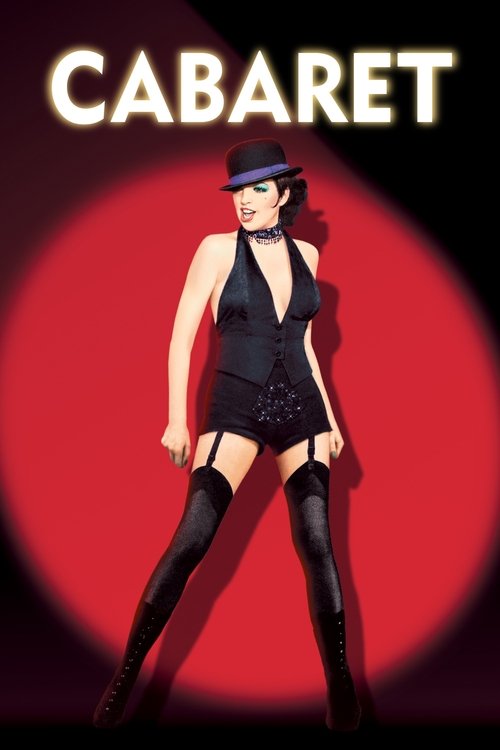
Cabaret1972
Bob Fosse's decadent musical set in Weimar Berlin captures that same intoxicating blend of performance, vice, and historical doom. Visual storytelling through dance and staging.
But A musical that won't appeal if you resist that genre; the politics are explicitly heavy-handed.
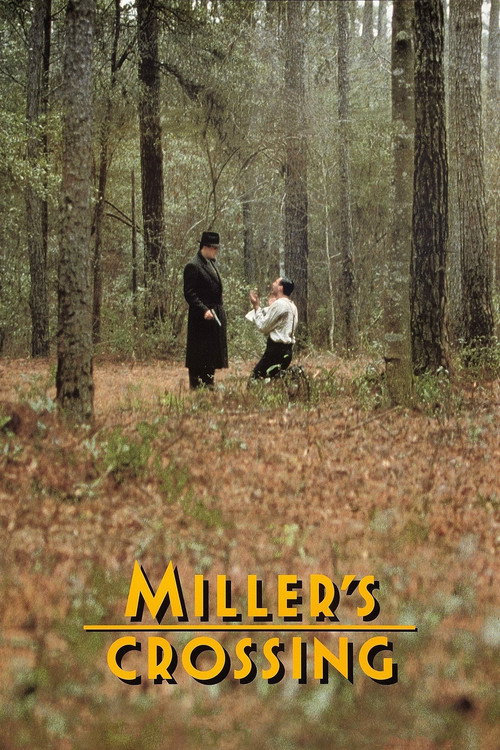
Miller's Crossing1990
The Coen Brothers' stylish Prohibition-era gangster film. Obsessed with the aesthetics and ritual of crime, with elaborate set pieces and dialogue that sing.
But Intricate plotting that requires close attention; the tone is arch and the violence sudden and shocking.
In a Lonely Place1950
Nicholas Ray's noir about a screenwriter and actress entangled in Hollywood's power games. Like Cotton Club, it explores how proximity to glamour corrodes intimacy and trust.
But Confined, claustrophobic, and emotionally bleak; there's little pleasure to be had, only insight into human cruelty.

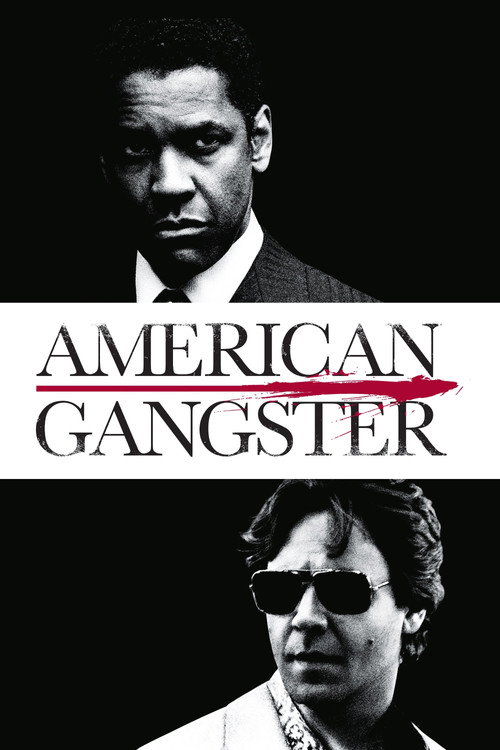
American Gangster2007
Ridley Scott's sprawling 1970s crime epic about a Harlem drug kingpin. Shares Cotton Club's fascination with how entertainment and criminality coexist in Black American spaces.
But Two hours forty-five minutes with an uneven second half; the scope sometimes overwhelms the human story.
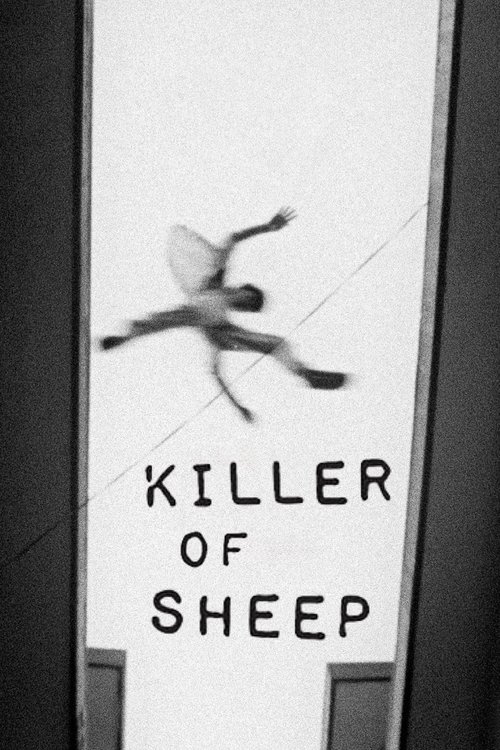
Killer of Sheep1978
Both films insist on the interior lives and humanity of Black characters in contexts that would reduce them to atmosphere or spectacle.
Charles Burnett's lyrical, fragmentary portrait of a Black working-class family in Los Angeles. Like Cotton Club, it observes Black life with specificity and dignity, but strips away glamour for poetry.
But Black-and-white, deliberately paced, almost documentary in its refusal of plot. Some may find it slow and minor-key compared to Cotton Club's excess.
Singin' in the Rain1952
Both films use dance and performance as their primary language and are fascinated by the business of making people dream.
Gene Kelly and Stanley Donen's joyous backstage musical about Hollywood in transition. Like Cotton Club, it's obsessed with the mechanics of entertainment—how spectacle gets built, who profits, who gets left behind.
But Aggressively cheerful and optimistic where Cotton Club is violent and corrupt; it's about the dream, not the cost of the dream.

People
Cast
 Richard GereRichard 'Dixie' Dwyer
 Gregory HinesDelbert 'Sandman' Williams
 Diane LaneVera Cicero
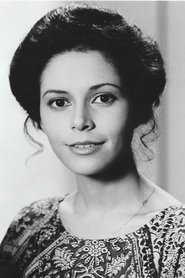 Lonette McKeeLila Rose Oliver
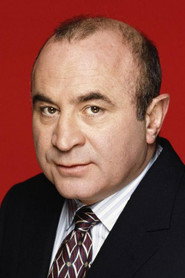 Bob HoskinsOwney Madden
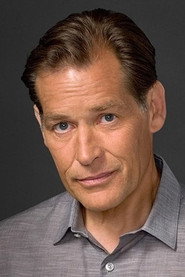 James RemarDutch Schultz
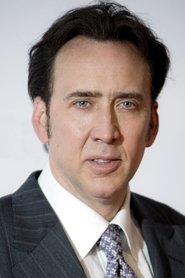 Nicolas CageVincent Dwyer
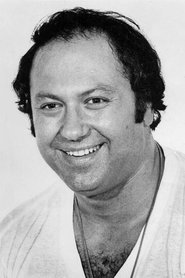 Allen GarfieldOtto 'Abbadabba' Berman
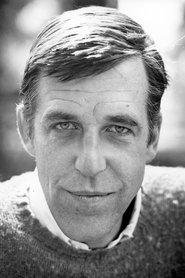 Fred GwynneFrenchy Demange
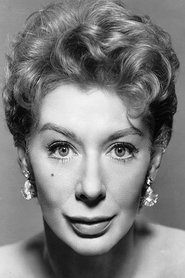 Gwen VerdonTish Dwyer
 Lisa Jane PerskyFrances Flegenheimer
- Maurice HinesClay Williams
Directing
- Lynn Lewis LovettContinuity
- Francis Ford CoppolaDirector
- Robert V. GirolamiFirst Assistant Director
- Henry J. BronchteinSecond Assistant Director
- Louis D'EspositoSecond Assistant Director
Writing
- James HaskinsBook
- Francis Ford CoppolaScreenplay
- William KennedyScreenplay
- Francis Ford CoppolaStory
- Mario PuzoStory
- William KennedyStory
Production
- Gretchen RennellCasting
- Lois PlancoCasting
- Francis Ford CoppolaProducer
- Robert EvansProducer
- Christopher CronynUnit Production Manager
- David GoldenUnit Production Manager
- Margaret B. HunnewellUnit Production Manager
Recommended by
St. Louis Blues, Stormy Weather, Harlem Nights, The Great Waldo Pepper, Falling in Love