
Film
Westfront 1918
- War drama
- Very dark
Westfront 1918 is a devastating portrait of ordinary German soldiers ground down by trench warfare in the final year of the First World War. Made in 1930, it treats the front as a place of unrelenting horror punctuated by desperate, fleeting moments of human connection. The film is unflinching about suffering without sentiment—raw, immersive, and profoundly anti-war.
Should you watch it?
Watch it if you want a war film that cares more about the mud, boredom and exhaustion of ordinary soldiers than about heroics, and you can sit with a grim, unsentimental look at men slowly worn down.
Skip it if you need a plot that builds toward a clear payoff, since this is episodic, sometimes dragging, and its early-talkie sound and stagey dialogue can feel creaky to modern eyes.
What it asks of you: Roughly ninety-seven minutes, mostly unhurried scenes of waiting and routine, with sudden violence that arrives without warning and leaves you to absorb it.
Not sure? Find tonight's pick in a minute.
If you liked this
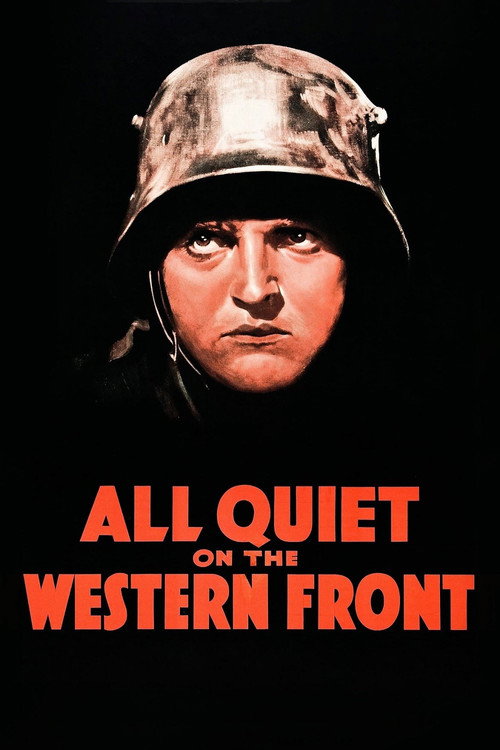
All Quiet on the Western Front1930
Released the same year, this American adaptation captures the same moral clarity about WWI's waste. Both films strip away heroism and show soldiers as exhausted, frightened, and ultimately expendable.
But The pacing is measured and deliberately bleak; this isn't designed to entertain. If you're seeking action or catharsis, you'll find neither.
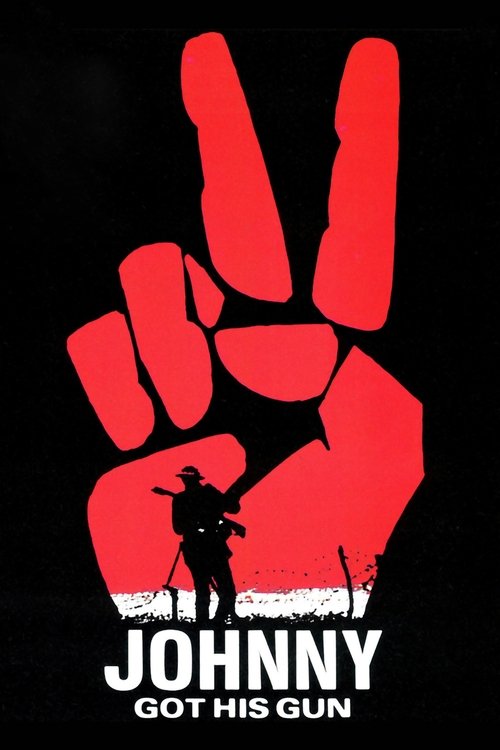
Johnny Got His Gun1971
Dalton Trumbo's anguished meditation on a soldier stripped of almost everything—sight, hearing, limbs. Like Westfront, it refuses to look away from the true cost of war on individual bodies and minds.
But It's genuinely hard to watch. The protagonist's inner monologue is relentless, and the film offers no comfort or easy answers.
Come and See1985
A Soviet masterpiece about a teenage conscript on the Eastern Front in WWII. Both films use war as a crucible that destroys innocence and illusions, shot with unflinching realism.
But This is one of cinema's most brutal films. It goes further than Westfront into extremes of violence and despair; not for casual viewing.

Not sure tonight? Get a pick in a minute, starting from Westfront 1918
The wildcard
Something you would not have found on your own.
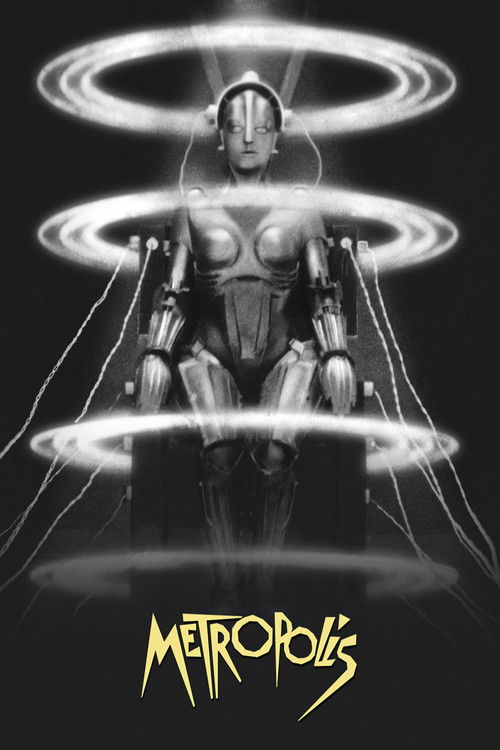
Metropolis1927
Both are German masterpieces about individuals crushed by systems (war, industrial capital); both use visual language to convey what dialogue cannot. They form a portrait of Weimar anxieties about dehumanization.
Metropolis is a science-fiction epic made three years before Westfront, also German, also a masterpiece of visual storytelling about systems that grind up individuals. Both are silent or rely on image over exposition; both show human bodies swallowed by vast mechanical/institutional forces. Watching them together reveals a shared aesthetic and moral vision of technology and power.
But Metropolis is fantastical and symbolic where Westfront is documentary-real. The special effects, though brilliant, are dated. It's three times as long as Westfront and demands patience with silent-film convention.
More like this (8)
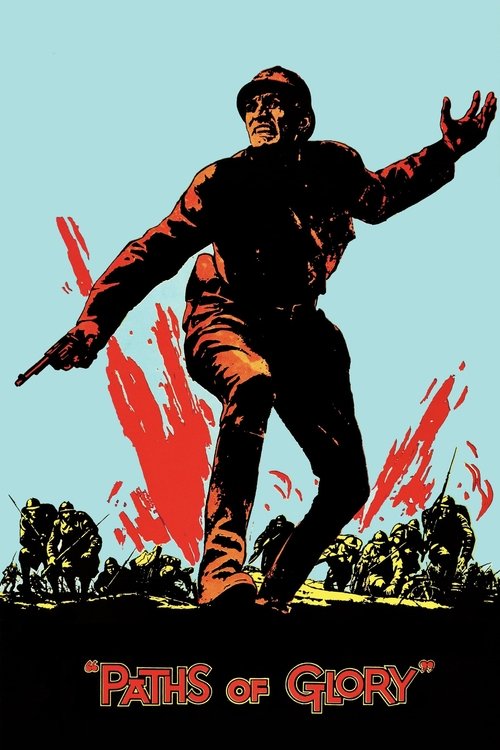
Paths of Glory1957
Kubrick's indictment of WWI's grotesque futility and the callousness of command. It shares Westfront's focus on ordinary soldiers caught between mud and brass, though with more dialogue and drama.
But The courtroom section shifts the tone; if you prefer the immersive trench experience of Westfront, this may feel more theatrical.
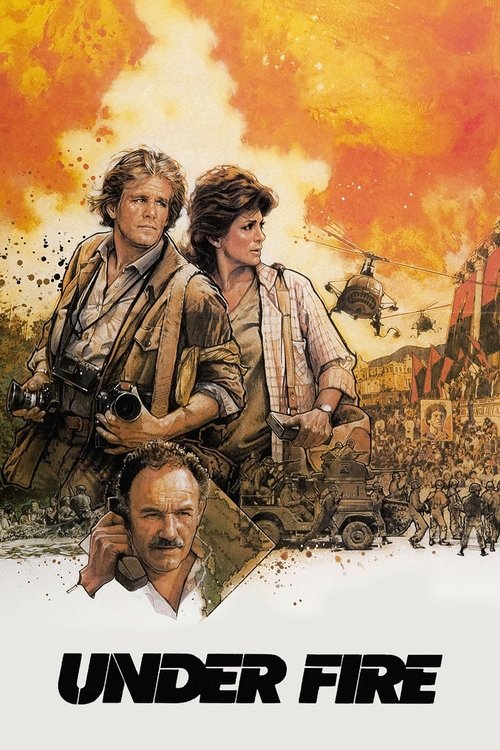
Under Fire1983
A film about war correspondents during the Nicaraguan conflict. Both are visceral examinations of what humans do to each other when institutions demand it, grounded in specific, unglamorous moments.
But The politics are front and center here in a way Westfront keeps at arm's length. The pacing is tenser and faster than you might expect.
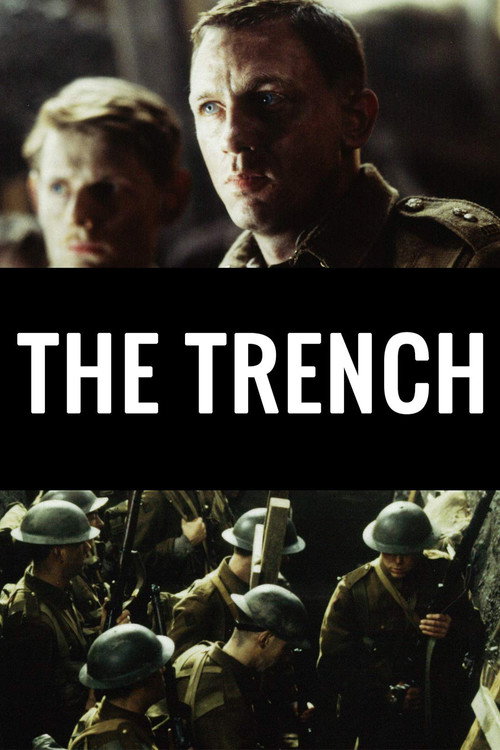
The Trench1999
A smaller, quieter film about soldiers in the trenches on the eve of the Somme. It mirrors Westfront's focus on daily life, camaraderie, and the psychological weight of waiting for death.
But It's quite slow and confined; some will find it repetitive. The production values are modest compared to bigger war films.
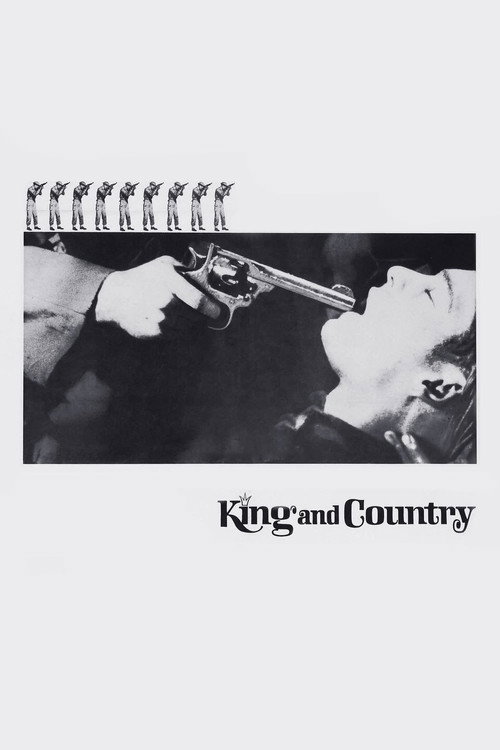
King and Country1964
Joseph Losey's court-martial drama set in WWI, examining institutional cruelty and class. Both films see the soldier as a victim of systems larger than themselves.
But The courtroom focus makes it more of a legal thriller than an immersive war experience. It's also quite British in its restraint.
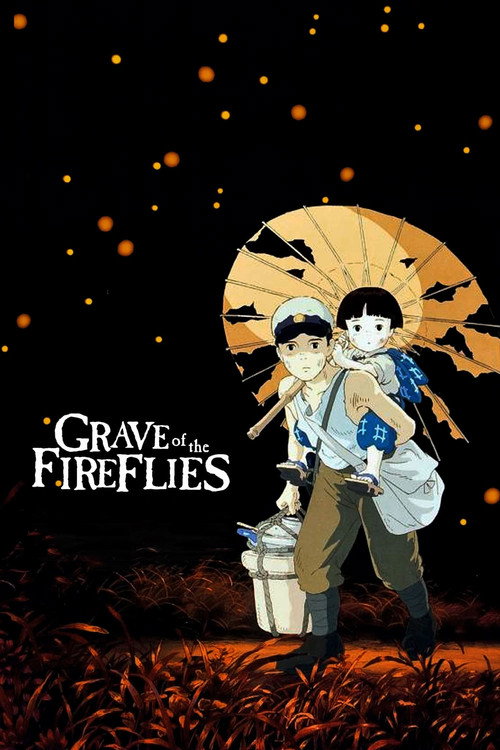
Grave of the Fireflies1988
An animated film about children surviving in Japan during WWII's final months. Like Westfront, it refuses sentimentality and shows how war destroys the most vulnerable through hunger, fear, and chaos.
But The animation may initially seem to soften the subject matter—it doesn't. The emotional devastation is actually harder because of the contrast.
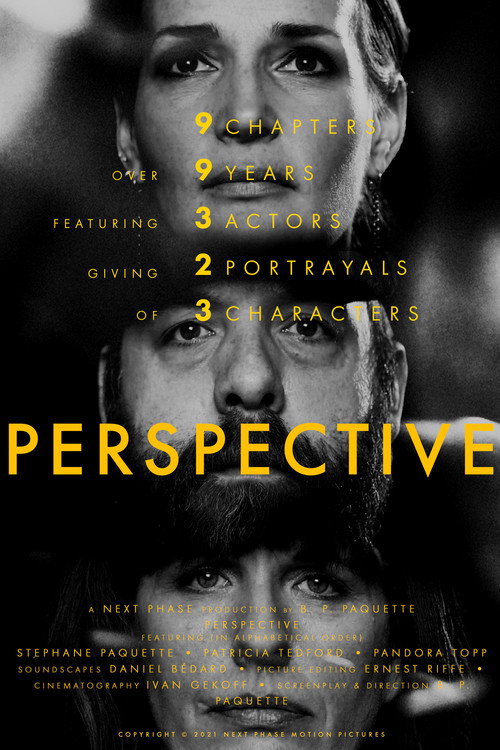
Perspective
A lesser-known but thoughtful exploration of perspective in war narratives. It examines how different sides experience the same conflict, echoing Westfront's focus on the ordinary soldier's view.
But This is more essay than narrative, and some find it too abstract or didactic for sustained engagement over feature length.
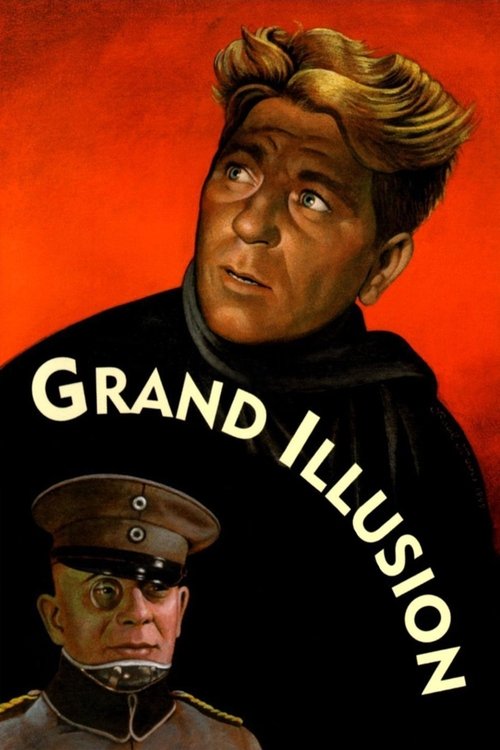
Grand Illusion1937
Both films refuse national propaganda and center the soldier's experience as fundamentally shared across enemies. Both suggest that the real tragedy is not victory or defeat but the waste of recognizing commonality too late.
Renoir's film shows WWI from the perspective of both French and German soldiers, focusing on POW camps and the bonds that form across national lines. Where Westfront shows the front's terror, Illusion shows its strange humanity and the illusions all sides cling to.
But It's more optimistic and philosophical than Westfront, sometimes even gentle. If you're seeking the same brutal immersion, this will feel almost civilized by comparison.
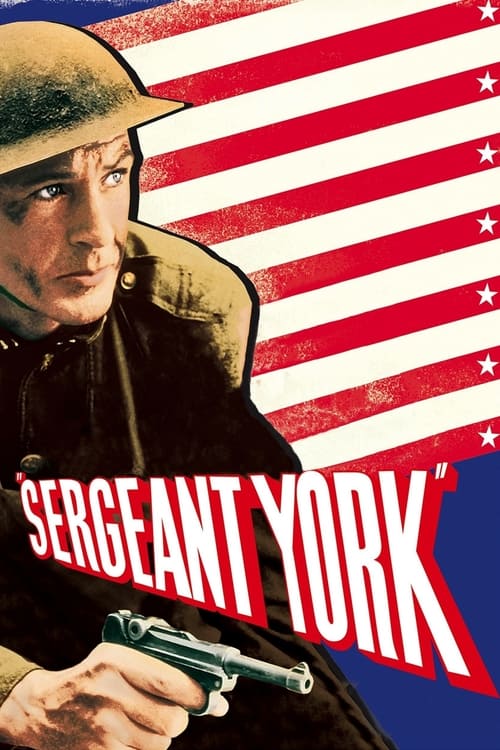
Sergeant York1941
The formal and ideological contrast is the connection: one documents suffering, the other manufactures nobility from it. Paired, they show how the same historical event gets two completely different stories depending on who's telling it and when.
This American war film is Westfront's ideological opposite—a celebration of a medal-winning American soldier, made during WWII for domestic morale. Watching it after Westfront reveals how differently nations mythologize the same war. York shows what the machinery of propaganda does to the story Westfront tells plainly.
But It's conventional Hollywood storytelling with a hero's arc. If you value realism and anti-heroism, this will feel hollow, possibly offensive. The gap between the two films is the point, not a flaw.
People
Cast
 Fritz KampersDer Bayer
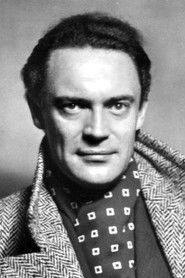 Gustav DiesslKarl
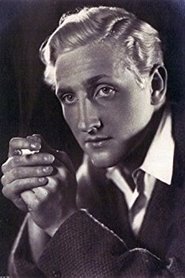 Hans-Joachim MoebisDer Student
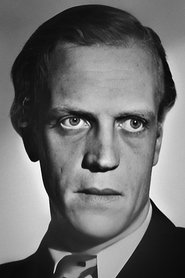 Claus ClausenDer Leutnant
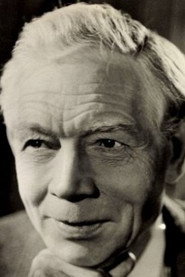 Gustav PüttjerDer Hamburger
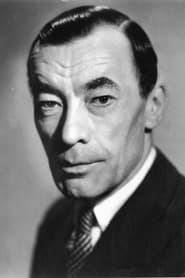 Vladimir SokoloffProviantmeister
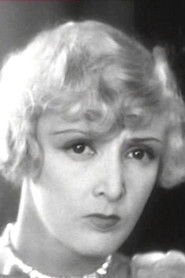
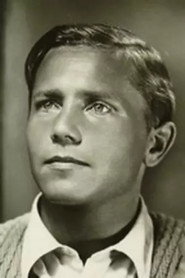 Carl BallhausSchlachtergeselle
Directing
- G.W. PabstDirector
Writing
- Ernst JohannsenAuthor
- Ladislaus VajdaScreenplay
- Peter Martin LampelWriter
Production
- Seymour NebenzalProducer
- Leo MeyerProduction Manager
- Walter ZeiskeProduction Supervisor
Recommended by
J'accuse, All Quiet on the Western Front, Journey's End, Aces High, The Road Back