
Film
J'accuse
- War drama
- Very dark
Abel Gance's 1919 masterpiece transforms personal tragedy into cosmic accusation. Two men entangled in a love triangle meet in the trenches, their domestic conflict drowned in industrial slaughter. Shot with revolutionary visual language—multiple exposures, rapid cutting, triptych screens—it remains visceral and modern. Essential for anyone serious about cinema's capacity to render horror and grief.
If you liked this
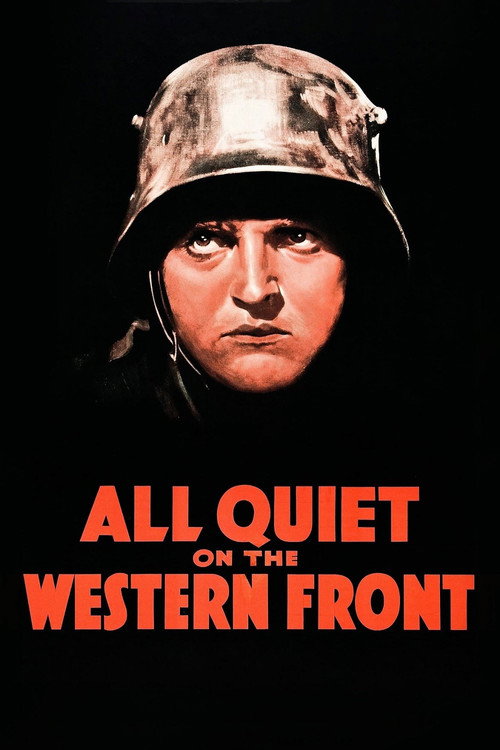
All Quiet on the Western Front1930
Adapts the same harrowing source material with equal emotional devastation. Follows a young soldier's transformation from idealism to numbness across the Western Front. The trench sequences are unflinching.
But The 1930 version feels more conventional in form than J'accuse. Some find the dated special effects reduce the impact of battle scenes.
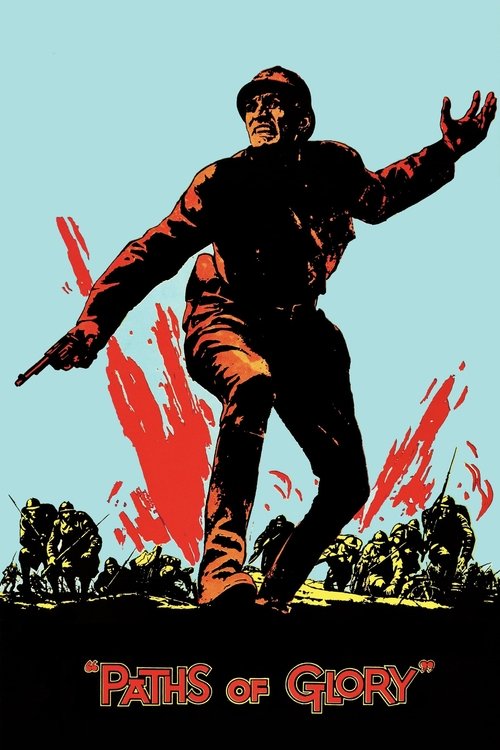
Paths of Glory1957
Kubrick's anatomy of military futility and moral corruption. Three soldiers face execution for cowardice after a doomed offensive. Taut, precise, and genuinely angry about the waste of human life.
But Deliberately claustrophobic and bleak. No redemption offered, no softening. The final scene will devastate you in a way that might feel punishing.
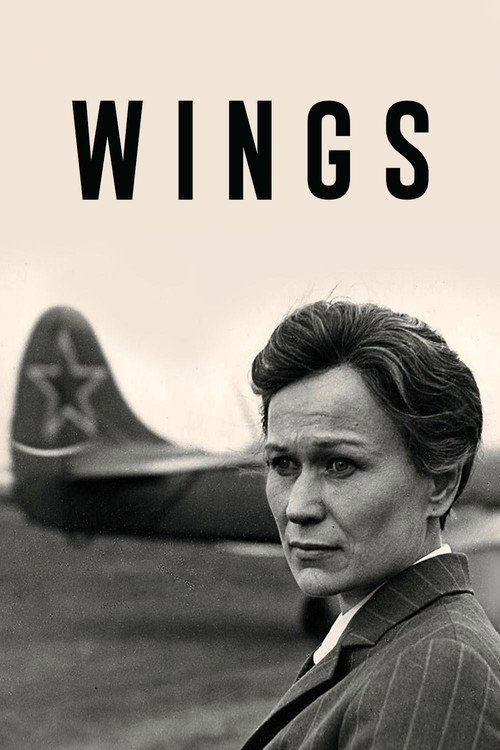
Wings1966
A haunted woman visits the World War I battlefield of her youth, triggering fragmented memories of lost love and trauma. Poetic and deeply strange—cinema as psychological excavation rather than narrative.
But Deeply interior and oblique. If you want plot momentum or clarity, this will frustrate you. Requires active engagement with fragmentation and silence.
Not sure tonight? Get a pick in a minute, starting from J'accuse
The wildcard
Something you would not have found on your own.
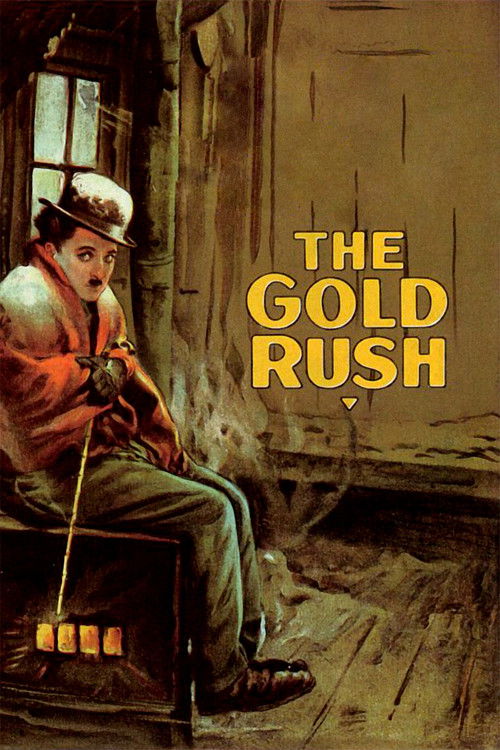
The Gold Rush1925
Both are 1920s works using cinematic innovation to dramatize ordinary men crushed by forces beyond their control. Both find the profound in the humble body enduring.
Chaplin's masterpiece arrives just as J'accuse was reshaping cinema. His little tramp endures cold, hunger, and brutal circumstance with grace and comedy. Proof that pathos and laughter come from the same place.
But Silent film with intertitles. Chaplin's sentimentality—his greatest strength—will strike some as mawkish. The pacing is deliberate, not fast.
More like this (8)
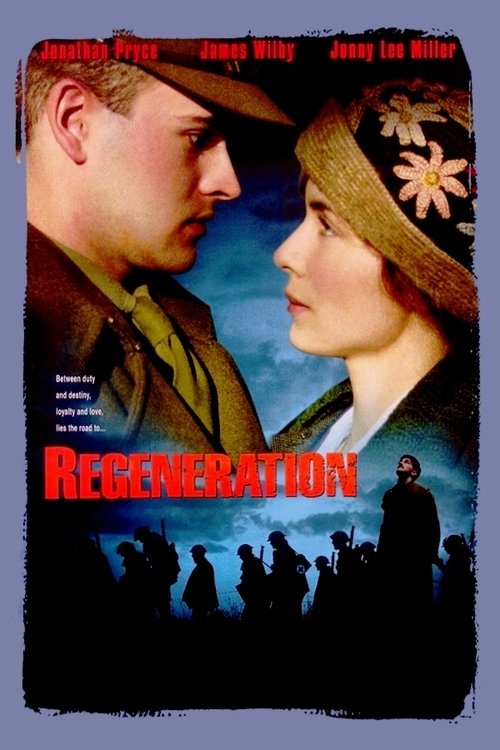
Regeneration1997
Focuses on the psychological damage war inflicts, following soldiers in a psychiatric hospital. Thoughtful, humane, and anchored by powerful performances. Explores how trauma lives in the body.
But Slower paced and more introspective than typical war films. Some find the hospital setting claustrophobic compared to the epic scale of trench narratives.
Come and See1985
Soviet masterpiece following a boy's initiation into World War II's brutality. Overwhelming in its sensory assault and moral clarity. One of cinema's most uncompromising statements about war's evil.
But Genuinely difficult to watch. Extended sequences of graphic violence and suffering. Not recommended if you need catharsis or hope; this film offers neither.

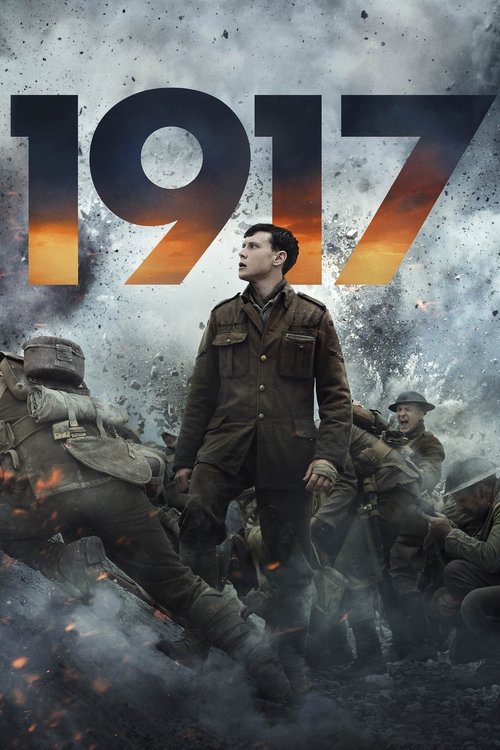
19172019
Two soldiers race against time on a suicide mission across No Man's Land. The single-take illusion creates unbearable tension. Visceral modern filmmaking applied to WWI material.
But Technical virtuosity can overshadow character depth. The long takes, while impressive, sometimes feel like technique for its own sake rather than emotional necessity.
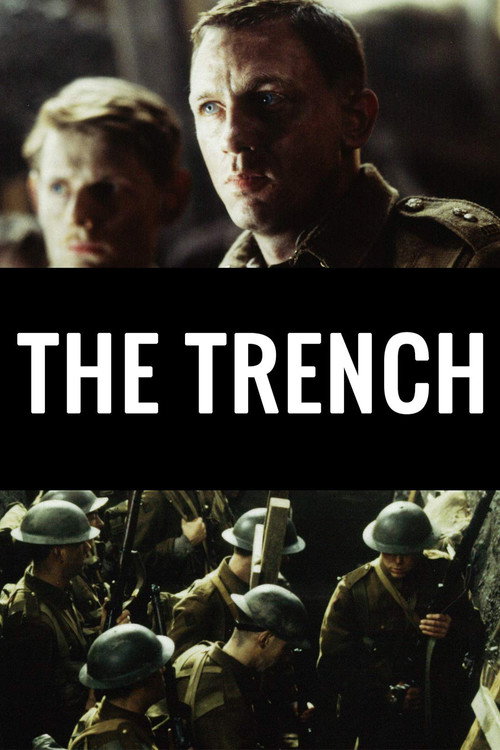
The Trench1999
Captures the claustrophobia and dark humour of soldiers waiting for the Somme's opening day. Character-driven, unsentimental, and genuinely tense. The ensemble cast feels lived-in.
But Made-for-television feel despite theatrical release. Lower budget shows in some sequences. Less stylistically ambitious than the best war cinema.
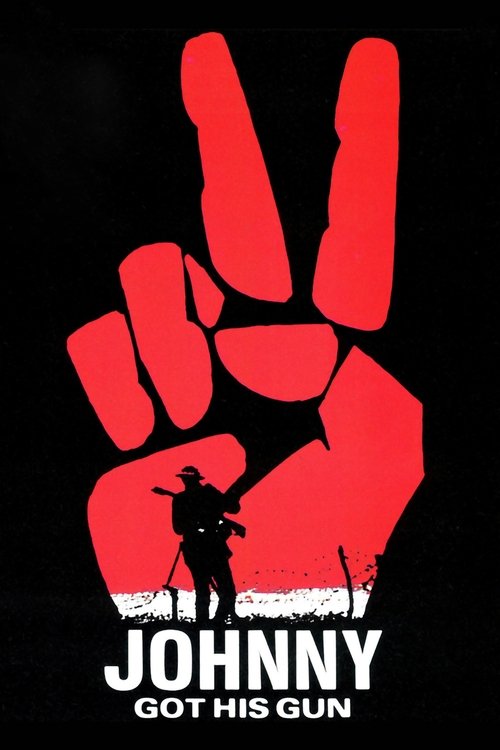
Johnny Got His Gun1971
A soldier left quadriplegic and blind after a shell blast remains conscious and desperate. Dalton Trumbo's direction turns interior monologue into nightmare. Surreal, angry, unforgettable.
But Deliberately difficult to look at. The premise itself—a living death—may feel exploitative. Some find the message heavy-handed rather than organic to the story.
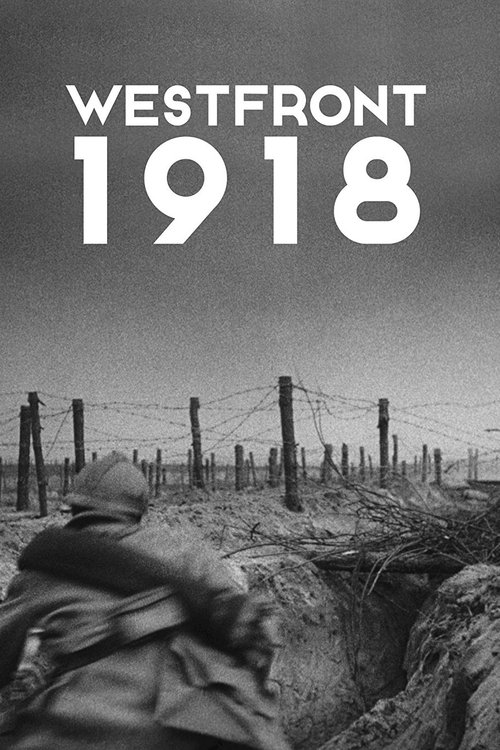
Westfront 19181930
Georg Wilhelm Pabst's German film captures the grinding stalemate and camaraderie of trench soldiers. Formally innovative with striking use of sound. Shows the war from the German perspective.
But Early sound film means dialogue can feel stilted. The pacing reflects 1930s cinema—slower than modern audiences often expect. Some sequences haven't aged gracefully.
The Leopard1963
Both examine how historical catastrophe—war or social revolution—exposes the futility of individual desire and agency. Both are elegies for a world that won't survive.
Visconti's meditation on historical rupture and personal obsolescence. A Sicilian prince watches his world dissolve through the unification of Italy. Sumptuous, melancholic, about what men become when history passes them.
But Three hours of gorgeous talk and landscape. No plot momentum. If you need action or conflict, this is a film about watching someone fail to prevent the future.

Synecdoche, New York2008
Both use multiple exposures and formal fragmentation to render interior devastation. Both suggest that personal catastrophe and collective catastrophe are the same catastrophe viewed from different angles. Both end with the dissolution of human scale.
A theater director creates an increasingly elaborate replica of reality inside a warehouse, blurring life and art until they're indistinguishable. Devastating, formally inventive, and about grief masquerading as ambition.
But Deliberately fragmented and abstract. The narrative logic is emotional, not causal. If you need coherent plot or comfort, this film will leave you empty and confused—intentionally.

People
Cast
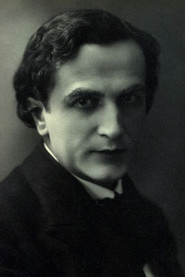 Romuald JoubéJean Diaz
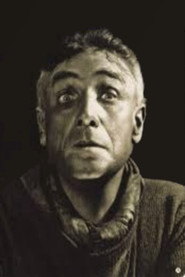 Séverin-MarsFrançois Laurin
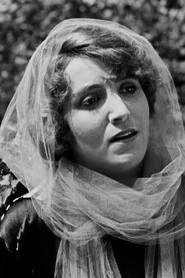 Maryse DauvrayEdith Laurin
 Maxime DesjardinsMaria Lazare
- Angèle GuysAngèle
- ManciniJean's Mother (uncredited)
- Elizabeth Nizan(uncredited)
- Pierre Danis(uncredited)
- Paul DucOrphan (uncredited)