
Film
The Battle of the Somme
The earliest substantial battlefield documentary, shot during the First World War's deadliest offensive. Raw, immediate footage of soldiers preparing for and entering combat, without narration or commentary. It's uncomfortable viewing—you're watching men walk toward industrial slaughter—and genuinely historic: the first time a mass audience saw warfare as it actually happened.
Should you watch it?
Watch it if you are drawn to wartime films as historical artefacts, and want to see how a government chose to show its own soldiers going to the front.
Skip it if you want a story with characters or a plot to follow; this is a record and a piece of persuasion, and it often feels distant.
What it asks of you: Short, at barely over an hour, and mostly watching rather than following; it rewards patience with images more than with narrative momentum.
Not sure? Find tonight's pick in a minute.
If you liked this
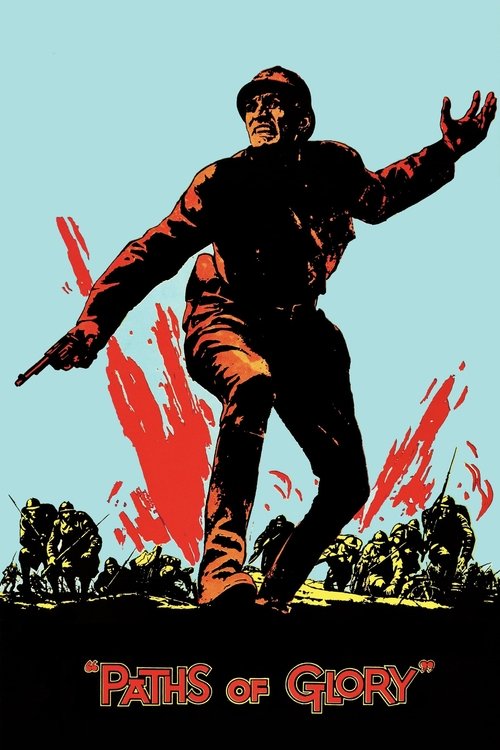
Paths of Glory1957
Kubrick's shathing indictment of WWI command incompetence, following soldiers from trench to court-martial. Restless camera, brilliant performances, and moral fury that never feels staged.
But The execution sequence is difficult. Some may find the pacing deliberate to the point of coldness.
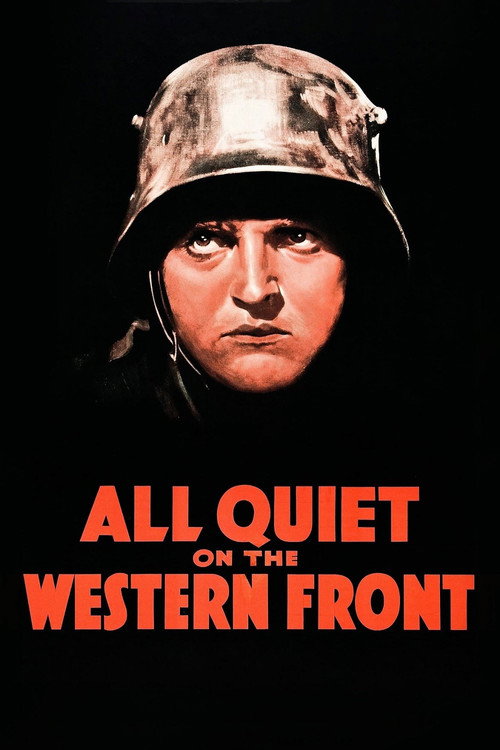
All Quiet on the Western Front1930
The definitive WWI film: visceral combat, the waste of youth, the gap between propaganda and reality. Milestone's direction is fluid and devastating, the sound design revolutionary for 1930.
But The opening is relentless. Its arguments are direct rather than subtle, which some find heavy-handed.
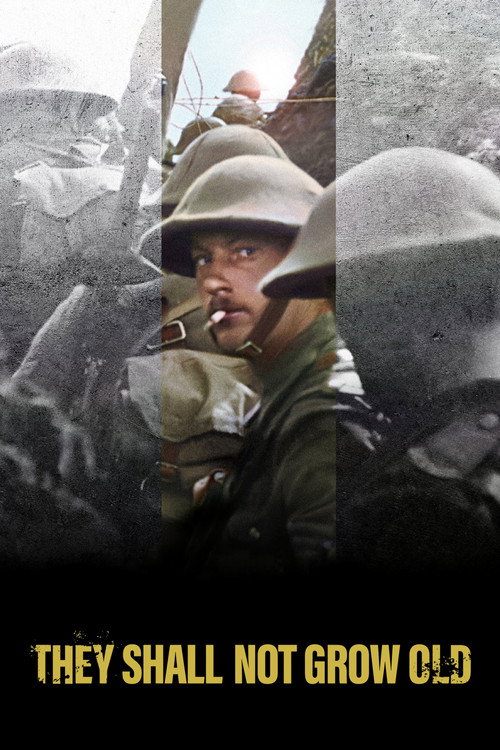
They Shall Not Grow Old2018
Peter Jackson restores and colorizes actual WWI footage, then pairs it with soldiers' voices from interviews. Immediate, human, and you've never seen the war quite like this—in colour, in close-up.
But Some archive footage is degraded no matter what. The tonal shift when the war ends feels abrupt.
Not sure tonight? Get a pick in a minute, starting from The Battle of the Somme
The wildcard
Something you would not have found on your own.
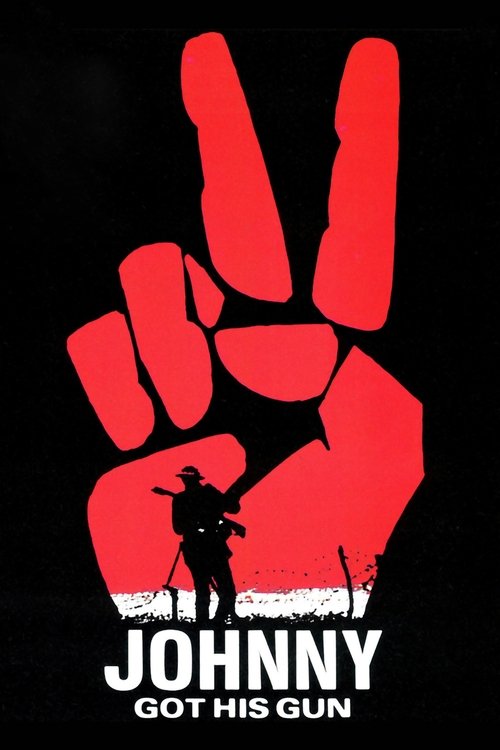
Johnny Got His Gun1971
Both are documents of the body in war—the Somme footage shows you what happens to millions; Trumbo shows you what happens to one man after the cameras leave.
A young American soldier is so catastrophically wounded he becomes a conscious corpse—blind, deaf, limbless, trapped in a body that cannot communicate. Trumbo's direction is dreamlike and unbearable. It's an anti-war film that feels like an exorcism.
But The premise is body-horror disguised as philosophy. The last ten minutes go somewhere most viewers will find extremely bleak.
More like this (7)
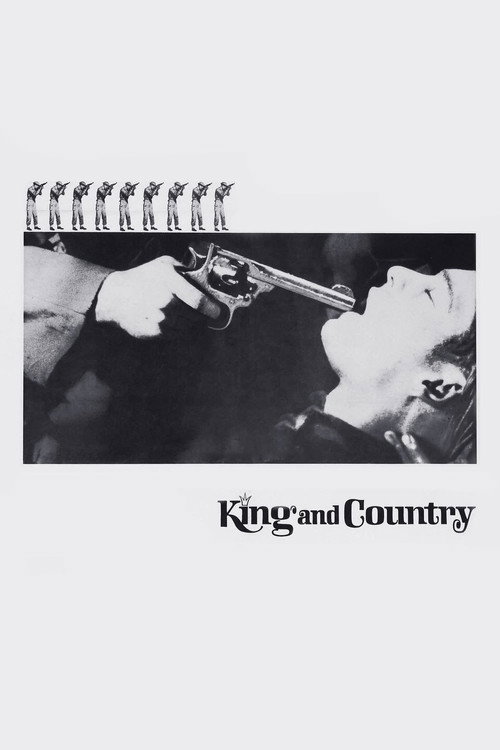
King and Country1964
A deserter faces court-martial in this spare, theatrical masterpiece. Losey strips away spectacle to examine obedience, class, and the machinery of execution.
But Claustrophobic and slow. The stage-bound approach will feel static if you want movement and scale.
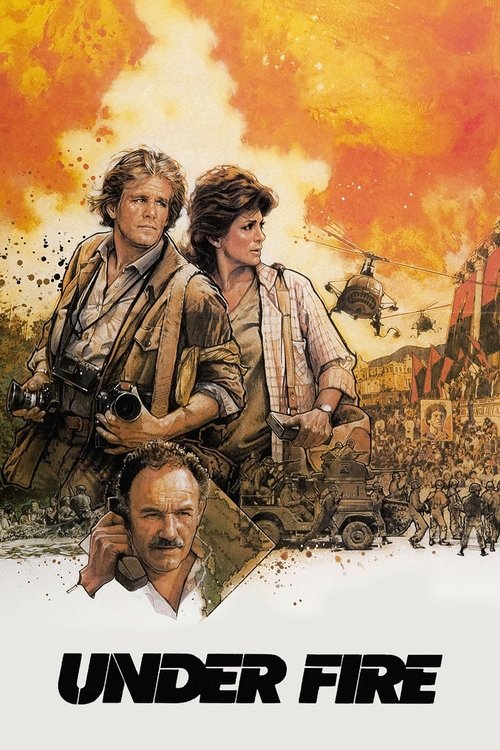
Under Fire1983
Kriegskorrespondenten documenting the Spanish Civil War—a spiritual sequel to Somme's immediacy. Handsomely shot, it captures the collision of ideology, danger, and the hunger to witness.
But The love triangle subplot feels familiar. It prioritizes adventure over moral weight.
Come and See1985
A Russian boy joins the partisans in WWII. Elem Klimov's masterpiece is the most shattering war film ever made: unflinching, hallucinatory, genuinely unbearable in places.
But This is not entertainment. It is an ordeal. Some sequences are traumatic by design.

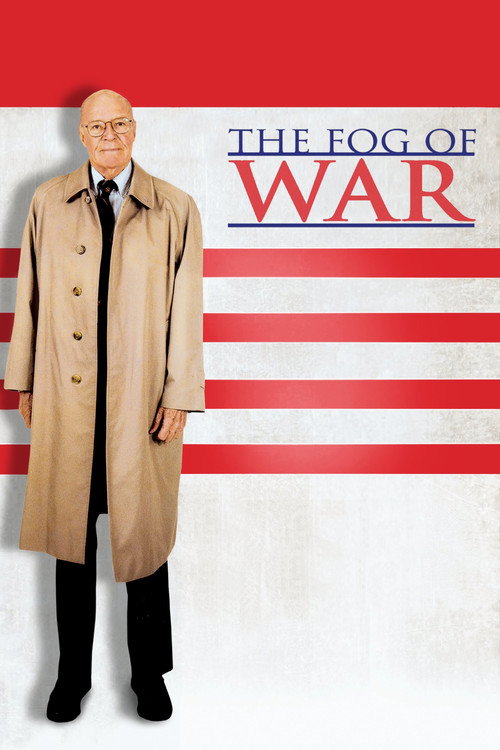
The Fog of War2003
Errol Morris interviews Robert McNamara about warfare, strategy, and moral reckoning. Propulsive, intelligent, and McNamee's candour about his own doubts is extraordinary.
But It's built around one man's testimony and his interpretation of history. The film is sympathetic in ways some will find insufficient.
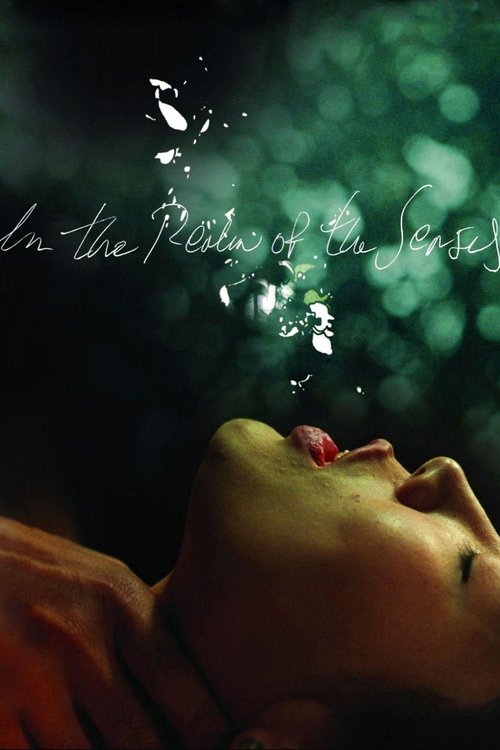
In the Realm of the Senses1976
Oshima's account of obsessive desire in 1930s Japan is transgressive, formally daring, and—yes—sexually explicit. But it's also about how intimacy becomes its own kind of violence.
But This will offend you if you're uncomfortable with graphic sexuality. The plot is slim; form and sensation matter more than narrative.
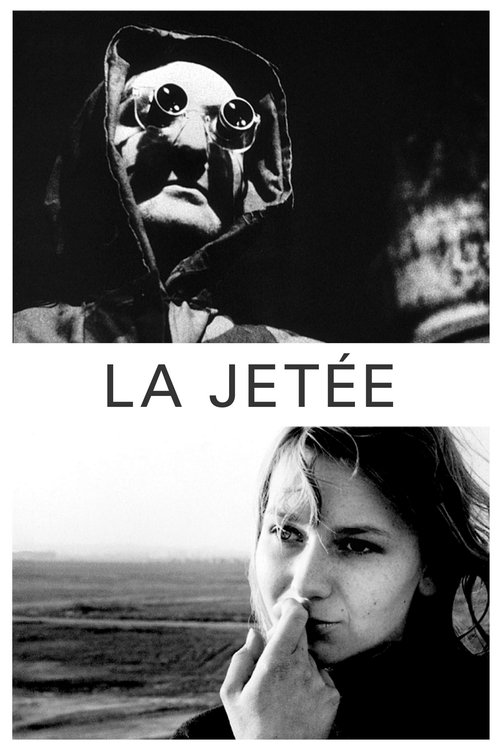
La Jetée1962
The Somme was shot by men documenting what they saw; La Jetée is about the impossibility of escaping what you've seen. Both films understand that still images of trauma can be more powerful than motion.
Marker's science-fiction masterpiece is built almost entirely from still photography—a film made of moments. A man is sent through time; we see it as a series of images that feel like memory. Haunting, strange, and formally unlike anything else.
But It's a slideshow, which sounds boring. At 28 minutes it's hypnotic rather than propulsive; you have to surrender to its rhythm.
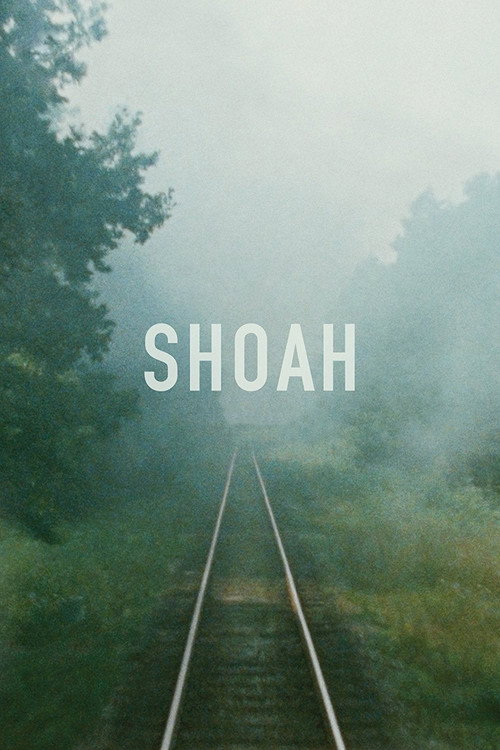
Shoah1985
The Somme shows you war as spectacle and documentary; Shoah asks what happens when you refuse to show you anything, and force the viewer to listen instead. Both understand that witnessing is not the same as understanding.
Lanzmann's nine-hour documentary about the Holocaust refuses archive footage entirely. Instead: long interviews with survivors and perpetrators, railway tracks, empty fields, and the weight of testimony. It's not about footage—it's about what words can do that images cannot.
But This is genuinely difficult to sit through. Its length is not a gimmick; it's the point. You will need to come back to it.
People
Directing
- Geoffrey MalinsDirector
Production
- William F. JuryProducer