
Film
Rules of Engagement
Other titles called Rules of Engagement: the 2007 series (CBS).
A military court-martial drama where a battle-hardened Marine colonel defends a fellow officer accused of ordering fire on a hostile crowd at an embassy. The film wrestles with the gap between orders from above and chaos on the ground, split between tense courtroom argument and visceral combat flashbacks. It's for anyone who likes their moral questions dressed in dress uniform.
Should you watch it?
Watch it if you like courtroom dramas where the moral argument stays knotted rather than resolved, and where two old soldiers' loyalty to each other is tested by a case neither can dodge.
Skip it if you want a tidy, fast-moving thriller; this one lingers on legal argument and flashbacks to a messy hostage rescue, and the battle scenes are gritty and unsparing.
What it asks of you: It runs just over two hours and spends long stretches in military hearing rooms and tense conversations, so it asks for patience and a willingness to sit with uncomfortable questions.
Not sure? Find tonight's pick in a minute.
If you liked this
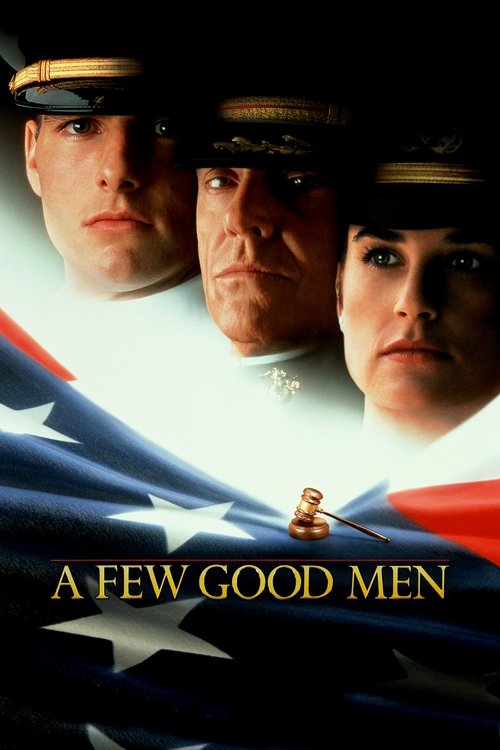
A Few Good Men1992
Courtroom military thriller that similarly puts soldiers on trial for following orders in ambiguous situations. Excellent ensemble cast and screenplay that makes procedural drama genuinely gripping.
But Feels like the obvious reference point. Lighter on the combat material and heavier on the legal maneuvering if that's not what drew you in.
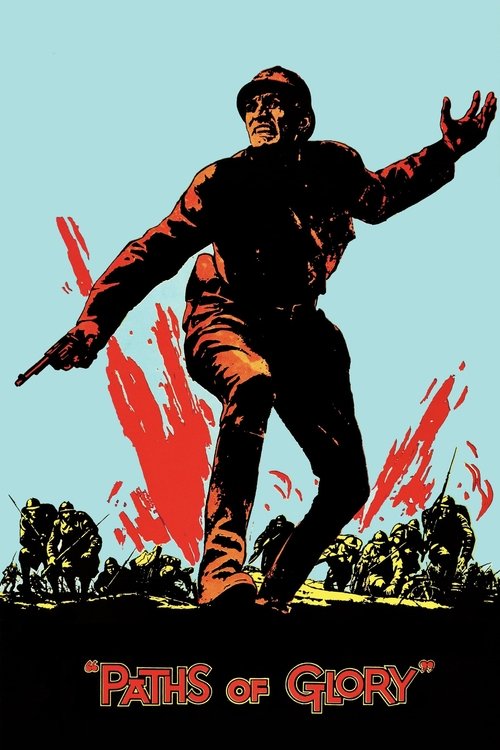
Paths of Glory1957
Kubrick's unflinching look at how officers sacrifice enlisted men for glory. Similar moral anatomy: who bears responsibility when orders lead to catastrophe? Still devastating after sixty years.
But Much darker and more pessimistic. There's no satisfying resolution here, which is partly the point but can feel punishing.
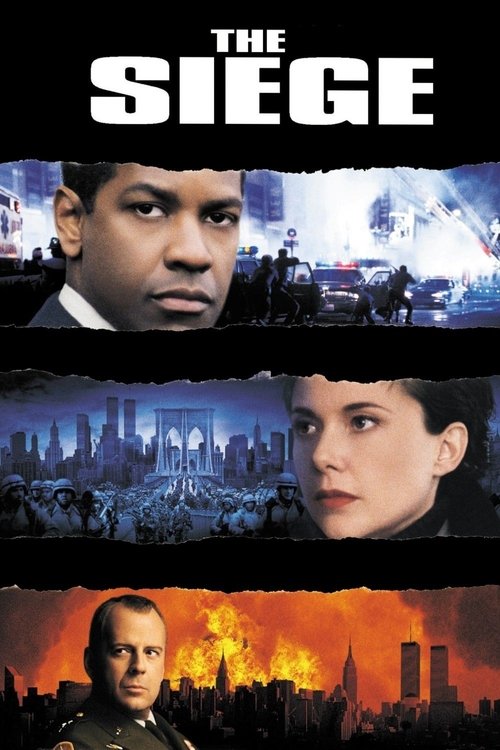
The Siege1998
Post-9/11 anxiety before 9/11: a military response to terrorism in an American city, built on similar questions about where the line is between security and abuse. Denzel Washington and Bruce Willis in excellent tension.
But Aging topicality can work against it. The political arguments feel dated even though they're still relevant, which is a weird kind of distraction.
Not sure tonight? Get a pick in a minute, starting from Rules of Engagement
The wildcard
Something you would not have found on your own.
The Act of Killing2012
Both ask: how do we hold people accountable for violence committed in service of something larger than themselves? Both suggest the answer isn't clean.
Documentary where Indonesian death-squad leaders reenact their own murders. It's about accountability, memory, and whether perpetrators can be made to understand their crimes. Shares *Rules of Engagement*'s obsession with moral reckoning but through an entirely different lens.
But Extremely difficult to watch. The reenactments become graphic, and the film never lets you settle into moral certainty. Some will find it exploitative despite its intentions.

More like this (7)
Apocalypse Now1979
The definitive film about the gap between military orders and battlefield reality. Asks what happens when the chain of command breaks down and morality becomes negotiable. Visually staggering.
But Over three hours, extremely baroque, and deliberately obscuring rather than clarifying its arguments. Not a thriller in the conventional sense.

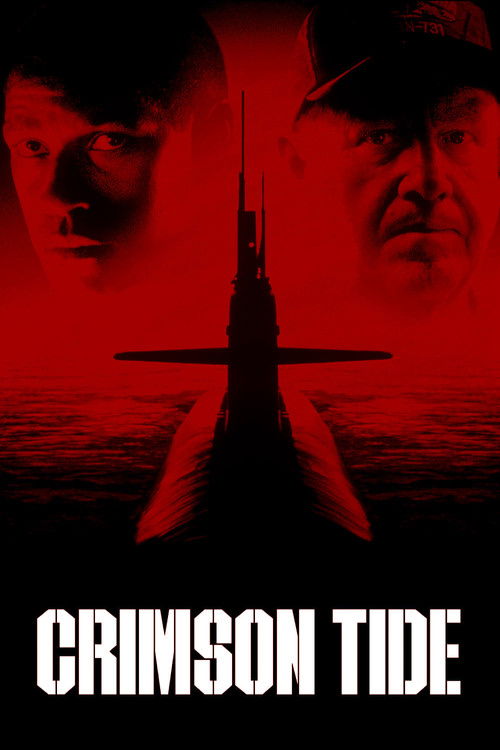
Crimson Tide1995
Submarine command drama where two officers of equal rank clash over whether to follow orders. Taut, exciting, and genuinely engaged with questions of authority and conscience.
But The nuclear submarine setting can feel like a constraint rather than an enhancement. Less about real-world consequence than about procedure and chain-of-command drama.
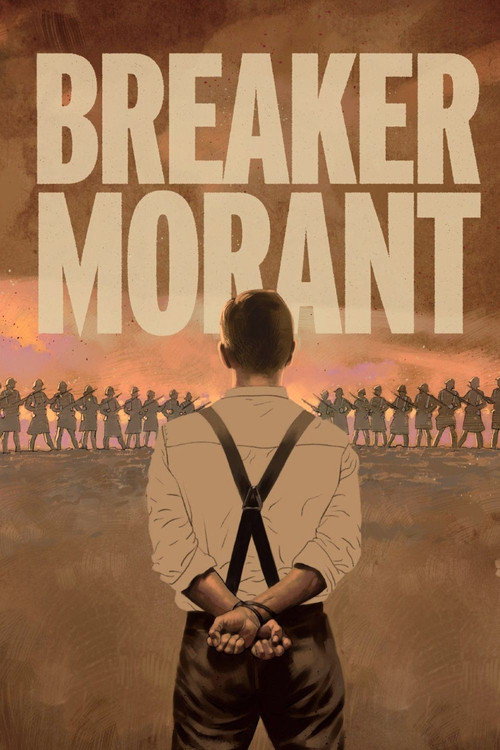
Breaker Morant1980
Australian court-martial drama about soldiers tried for war crimes they were ordered to commit. Sharper and more cynical than *Rules of Engagement*, with real historical stakes.
But Less well-known and takes a while to build momentum. The courtroom scenes are deliberately procedural in a way that can feel slow.
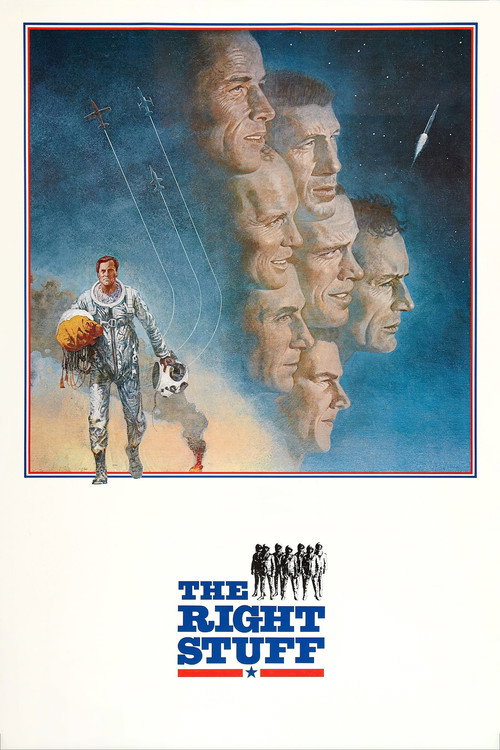
The Right Stuff1983
Military culture examined through Mercury astronauts: hierarchy, honor, and what happens when the machine demands sacrifice. Sweeping and magnificently acted, with genuine stakes.
But Over three hours and sprawling. It's about American mythology as much as military responsibility, which can dilute the focused tension.
Military Wives2020
A lighter entry but genuinely moving: military families dealing with deployment, loss, and the invisible toll of service. Shows the human cost that courtroom dramas sometimes miss.
But Deliberately modest in scale and tone. If you want big courtroom speeches and combat scenes, this will feel small and gentle.

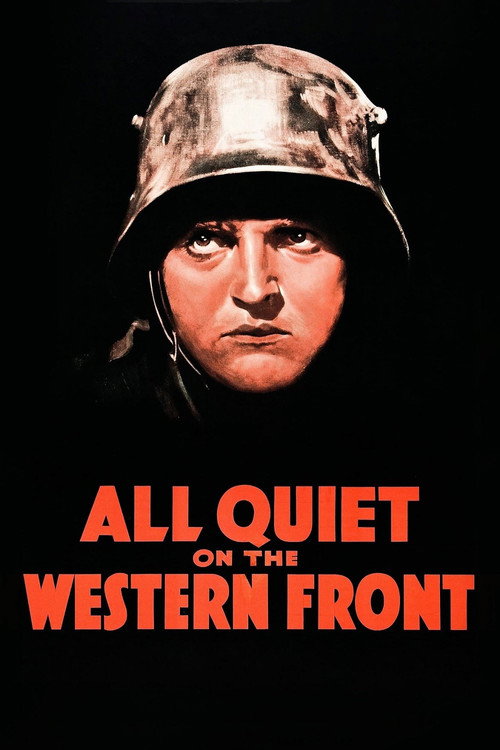
All Quiet on the Western Front1930
*Rules of Engagement* puts officers on trial for what happens in war. This film is the trial itself: watching idealism collide with reality and asking who shoulders the blame.
Silent-era anti-war classic where a young German soldier grasps what war actually is, far from the rhetoric. Not a trial or a debate—just the truth of combat and loss. Breathtakingly shot and still radical.
But Almost a century old. Silent film requires patience, and the pacing is not what modern audiences expect from war material.
M1931
Both films put a defendant before a tribunal and force us to separate what someone is ordered to do, what they're made to do by circumstance, and what they're responsible for. Both ask if following orders is innocence or complicity.
Fritz Lang's masterpiece: a community demands justice for a child murderer, but Lang complicates every certainty. The accused's final monologue—about compulsion and responsibility—mirrors the courtroom argument at the heart of *Rules of Engagement*.
But Also from 1931, also German, also monochrome. Feels remote in time. The pacing is deliberate in ways that can feel glacial to modern viewers.

People
Cast
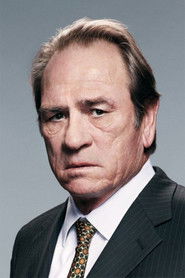 Tommy Lee JonesCol. Hayes Lawrence "Hodge" Hodges II
 Samuel L. JacksonCol. Terry L. Childers
 Guy PearceMaj. Mark Biggs
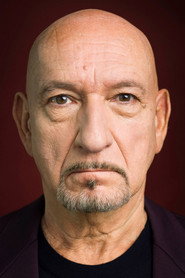 Ben KingsleyAmbassador Mourain
 Bruce GreenwoodNational Security Advisor Bill Sokal
 Anne ArcherMrs. Mourain
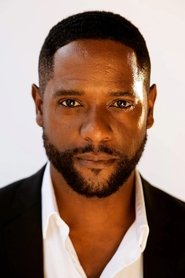 Blair UnderwoodCapt. Lee
 Philip Baker HallGen. H. Lawrence Hodges
 Dale DyeGen. Perry
 AmidouDr. Ahmar
 Mark FeuersteinTom Chandler
 Nicky KattHayes Hodges III
Directing
- William FriedkinDirector
- Newt ArnoldFirst Assistant Director
- P.R. TookeScript Supervisor
- Marty JedlickaSecond Assistant Director
- Michael SalvenSecond Second Assistant Director
Writing
- Stephen GaghanScreenplay
- Jim WebbStory
Production
- Kelley BakerAssistant Accountant
- Jennifer BlairAssistant Production Coordinator
- Hamid Ait TimaghritAssistant Production Manager
- Aziz HamichiAssistant Unit Manager
- Denise ChamianCasting
- Stacie GoodmanCasting Assistant
- Arne SchmidtCo-Producer
- Eben DavidsonExecutive Assistant
- Adam SchroederExecutive Producer
- Jim WebbExecutive Producer
- Nicki McCainFirst Assistant Accountant
- Mark FincannonLocation Casting
- David IsraelLocation Manager
- Vito ColazzoLocation Manager
- Richard D. ZanuckProducer
- Scott RudinProducer
- Norma SmithProduction Accountant
- Craig AndujarProduction Assistant
- Melissa SchuermannProduction Consultant
- Nanette SiegertProduction Coordinator
- Carlos H. SánchezProduction Supervisor
- Roberto MalerbaUnit Production Manager