
Film
Judgment in Berlin
A 1988 courtroom drama set during the Cold War, where an American judge in Berlin must weigh justice against geopolitics while deciding whether an East German plane hijacking was justified. It's a thinking person's film about impossible choices, duty, and the gap between law and conscience. For viewers who value moral complexity over easy answers.
If you liked this
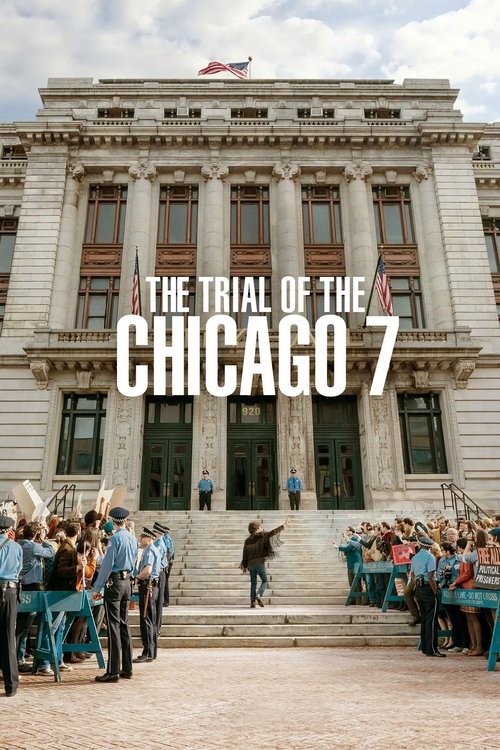
The Trial of the Chicago 72020
A courtroom ensemble that captures how trials become theaters for ideology. Like Judgment in Berlin, it asks what justice means when the system itself is fractured and politicized.
But The energy is scrappy-modern; it won't feel as formally austere as the '88 film, and some find the multiple storylines scattered rather than focused.
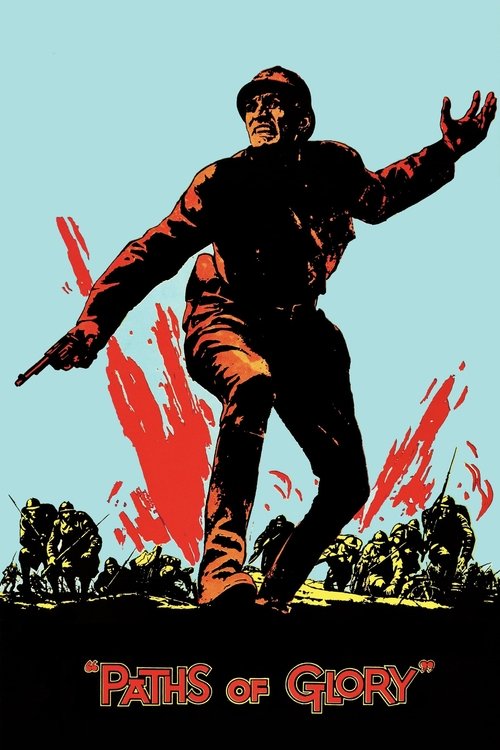
Paths of Glory1957
Kubrick's masterpiece about a court-martial during WWI. Both films pit individual conscience against institutional pressure, both are about the impossible job of judging in wartime.
But It's bleaker and more cynical than Judgment in Berlin; there's no comfort here, only the realization that the system is rigged.
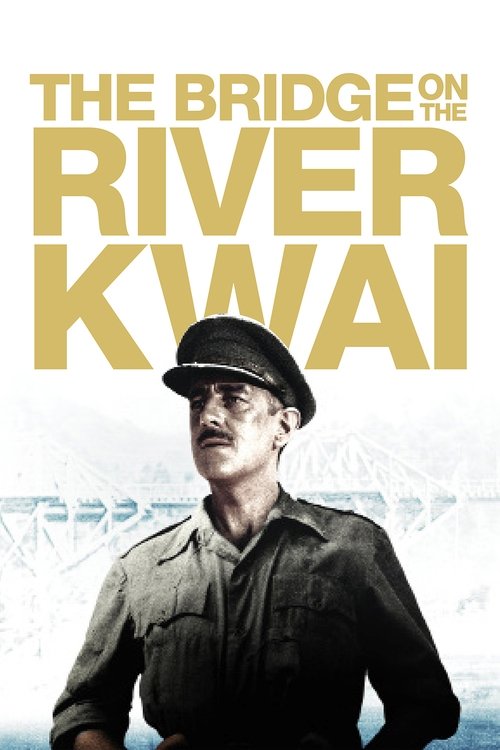
The Bridge on the River Kwai1957
Another POW drama built on a collision between duty and morality. The central figure must choose between military order and human conscience, just as Stern does.
But It's an adventure film at heart, more concerned with spectacle and heroism than Judgment in Berlin's legal philosophizing.
Not sure tonight? Get a pick in a minute, starting from Judgment in Berlin
The wildcard
Something you would not have found on your own.
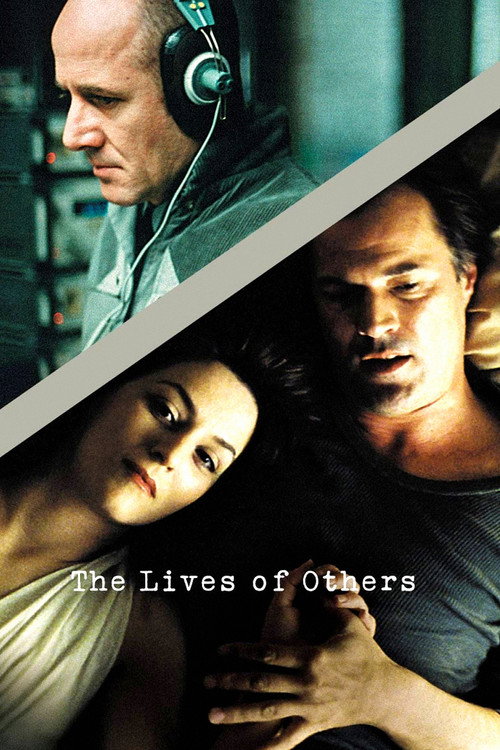
The Lives of Others2006
Both are about individuals trapped between duty to the state and duty to conscience, set in a divided Berlin where the law serves politics.
A Stasi officer in East Berlin questions his orders and his conscience. It captures the same Cold War moral suffocation as Judgment, but from inside the system of surveillance and control rather than from a courtroom.
But It's a thriller with a spy story, not a legal drama; the answer comes through action rather than argument.
More like this (8)
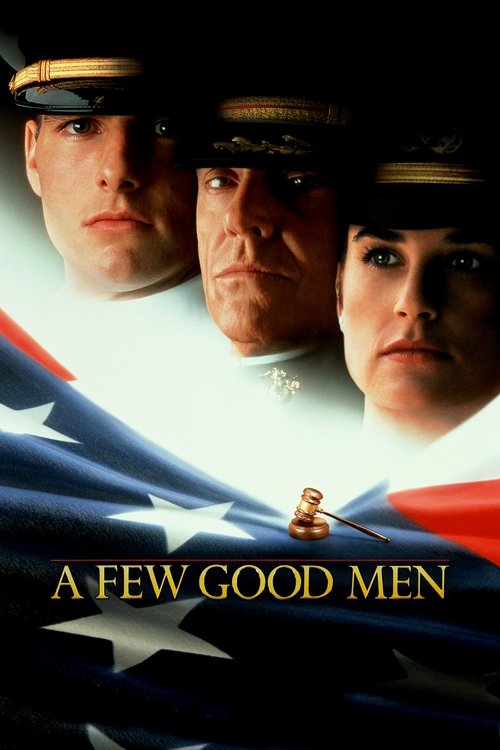
A Few Good Men1992
A courtroom drama that also hinges on whether a morally gray act can be legally justified. The trial itself becomes a battle over what the truth actually is.
But Slicker and more Hollywood-polished; it aims for dramatic catharsis where Judgment in Berlin settles for moral ambiguity.
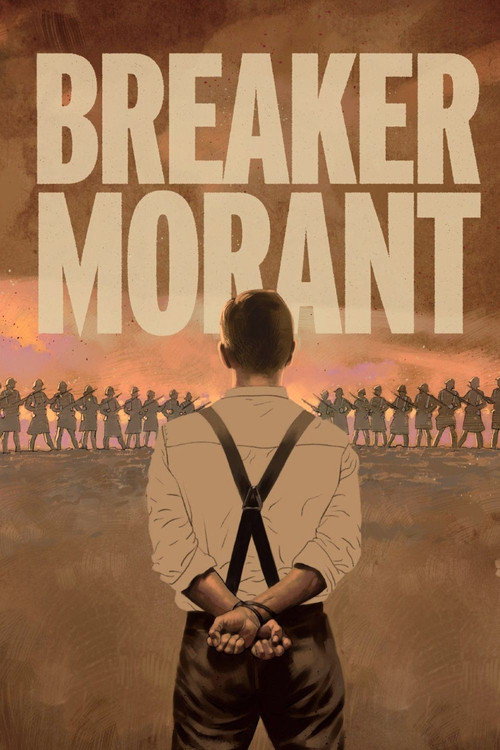
Breaker Morant1980
An Australian military court-martial about soldiers tried for war crimes. It shares Judgment's interest in how the law handles exceptional circumstances and political pressure.
But The pacing is deliberate; if you want quick answers or clear villains, you won't find them.
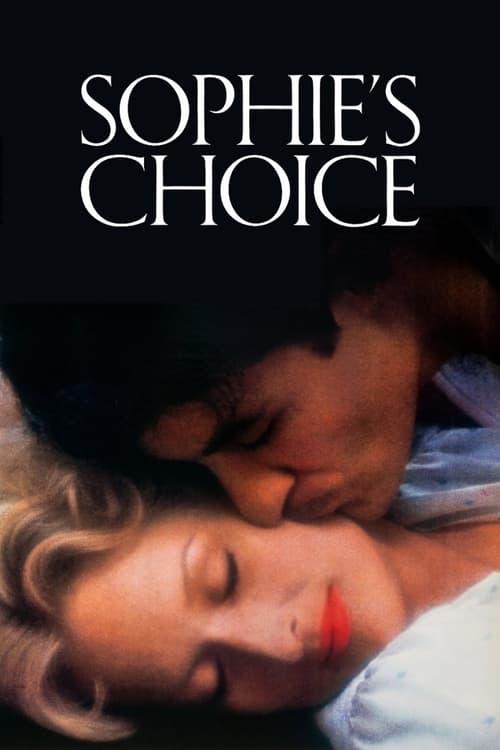
Sophie's Choice1982
Not a courtroom film, but it wrestles with the same question: how do you judge impossible choices made under impossible circumstances? Meryl Streep is extraordinary.
But The emotional weight is devastating; this is about personal trauma, not institutional systems, so the register is quite different.
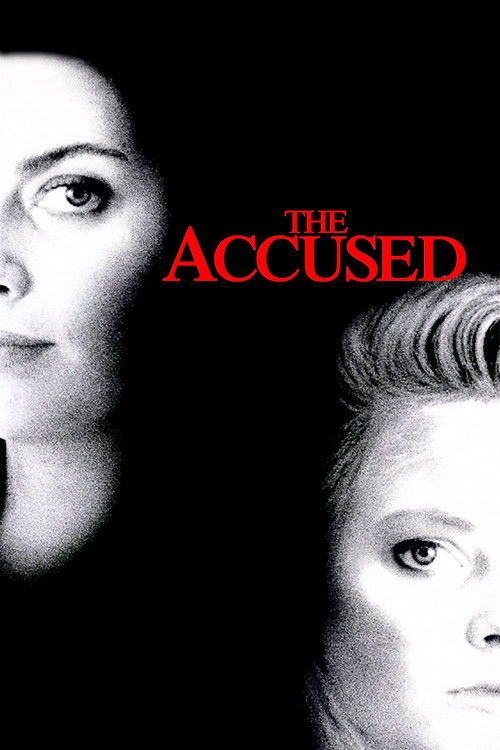
The Accused1988
Released the same year, it's another 1980s legal drama that challenges what the courtroom can actually do. Here a prosecutor must confront the limits of the law's ability to deliver justice.
But It's an indictment of a specific social failure rather than a meditation on competing loyalties. Tighter in focus, narrower in scope.
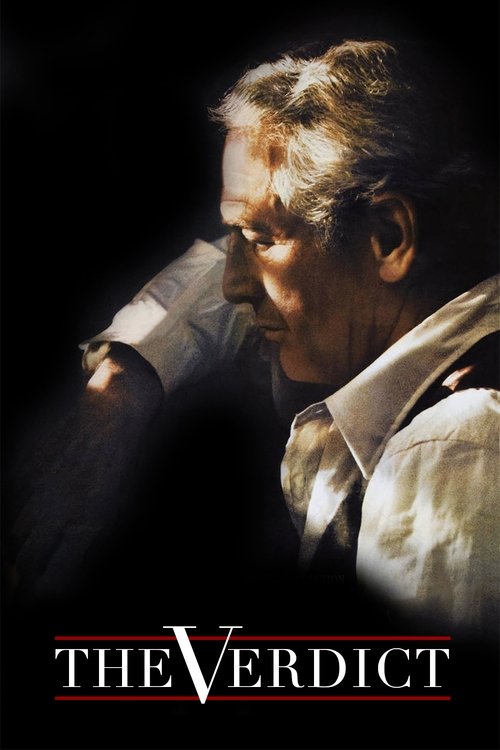
The Verdict1982
A working lawyer's moral reckoning with his own case and his own failures. Paul Newman carries the weight of a system that rewards compromise over principle.
But It's about American malpractice law, not geopolitics; the stakes feel smaller and more personal rather than historically urgent.
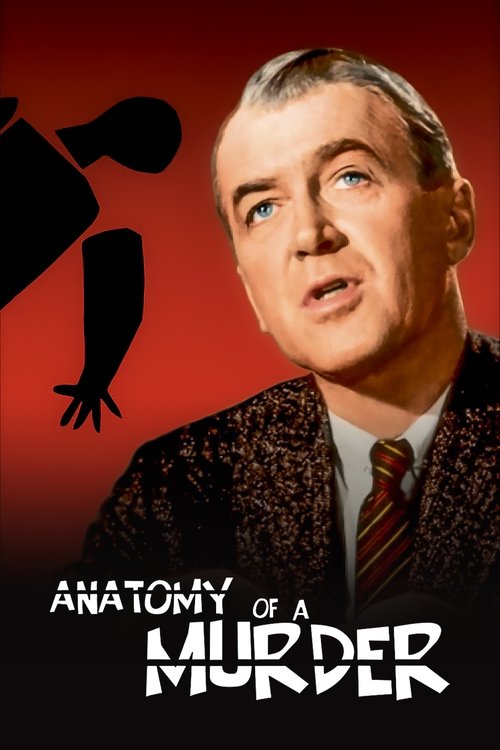
Anatomy of a Murder1959
A courtroom procedural that respects the audience's intelligence. Like Judgment in Berlin, it's interested in how the law actually works rather than moral grandstanding.
But At over 160 minutes it's deliberately paced; viewers who want narrative drive rather than legal detail will find it slow.
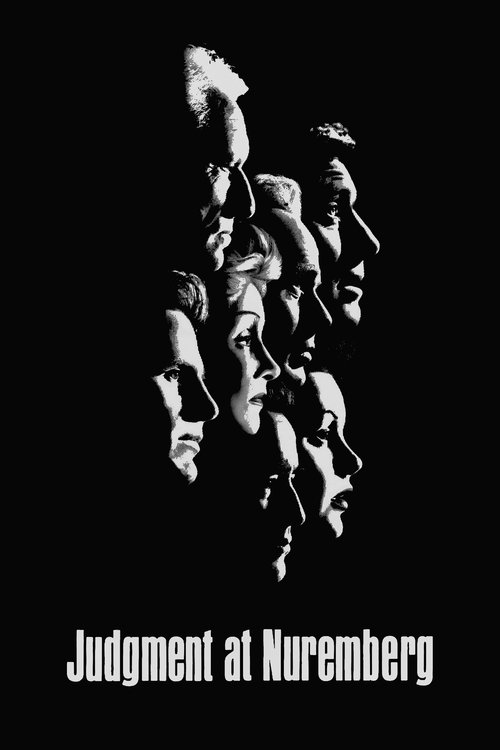
Judgment at Nuremberg1961
Both films are set in Berlin (West or divided), both feature American judges weighing questions of law versus historical guilt, both ask whether courts can heal what politics has broken.
The definitive post-war tribunal film. Spencer Tracy presides over a court trying Nazi judges for their crimes. It's the spiritual ancestor of Judgment in Berlin—same city, same questions about justice after atrocity, but higher stakes.
But At three and a half hours and with a formal, didactic tone, it can feel like a history lesson in costume. The rhetoric sometimes overwhelms the drama.
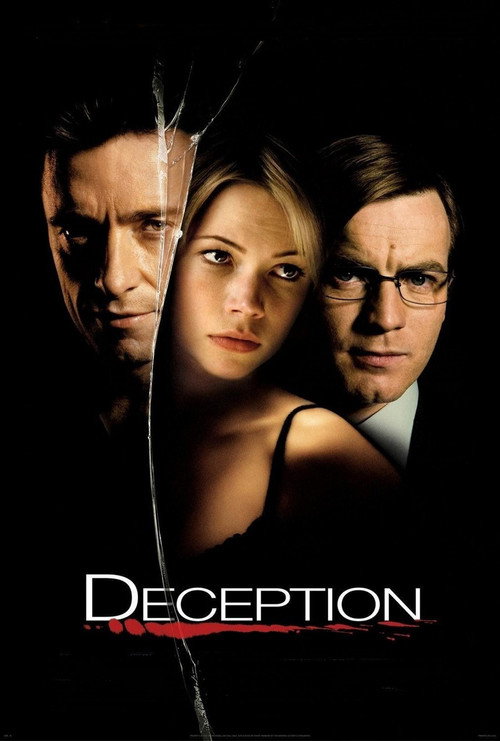
Deception2008
Both examine how courts and public judgment handle historical trauma and competing narratives. Both refuse easy comfort.
A documentary about a man claiming to be a Holocaust survivor who isn't. It's a film about bearing witness, credibility, and what we owe the truth when the stakes are survival itself. Like Judgment in Berlin, it's obsessed with how to weigh competing versions of reality in the shadow of history.
But It's a documentary, not a drama, and deliberately uncomfortable. You won't get a satisfying resolution; you'll get questions that linger.
People
Cast
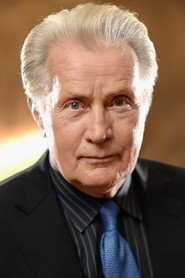 Martin SheenHerbert J. Stern
 Sam WanamakerBernard Hellring
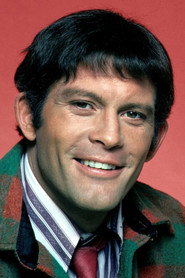 Max GailJudah Best
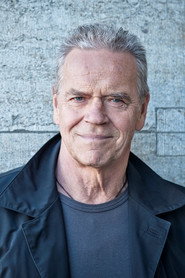 Jürgen HeinrichUri Andreyev
 Heinz HoenigHelmut Thiele
 Cristine RoseMarsha Stern
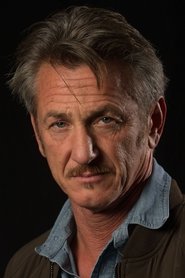 Sean PennGuenther X
 Jutta SpeidelSigrid Radke
 Carl LumblyEdwin Palmer
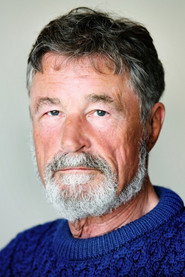 Max Volkert MartensHans Schuster
 Marie Louise SinclairKim Becker
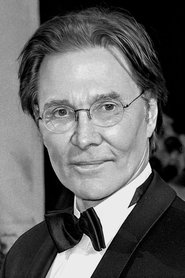 Joshua SinclairAlan Sherman
Directing
- Leo PennDirector
- Eva M. SchoeneckerFirst Assistant Director
- Stefan DiepenbrockSecond Assistant Director
- Carola HochgräfThird Assistant Director
Writing
- Herbert J. SternBook
- Douglas GrahamWriter
- Joshua SinclairWriter
- Leo PennWriter
Production
- Horst ScheelCasting
- Joyce GallieCasting
- Jeffrey AuerbachExecutive Producer
- Joshua SinclairExecutive Producer
- Martin SheenExecutive Producer
- Ingrid WindischProducer