
Film
Sergeant Rutledge
John Ford's 1960 western interrogates American racism through a court-martial: a Black cavalry sergeant accused of murdering a white officer and his daughter. It's a legal drama wrapped in Ford's Monument Valley, genuinely torn between the injustice it depicts and the limits of its own era. Essential viewing for anyone interested in how cinema grapples with race.
Should you watch it?
Watch it if you like courtroom dramas that use the frontier as a backdrop, where the trial becomes a slow argument about who gets believed and how prejudice shapes testimony.
Skip it if you expect saddles and gunfire, because most of this unfolds as talk inside a stuffy hearing room, and the staging can feel stiff by modern standards.
What it asks of you: It asks for patience across roughly 111 minutes of testimony, with flashbacks that double back on themselves and a tone that stays grave rather than easing into comfort.
Not sure? Find tonight's pick in a minute.
If you liked this
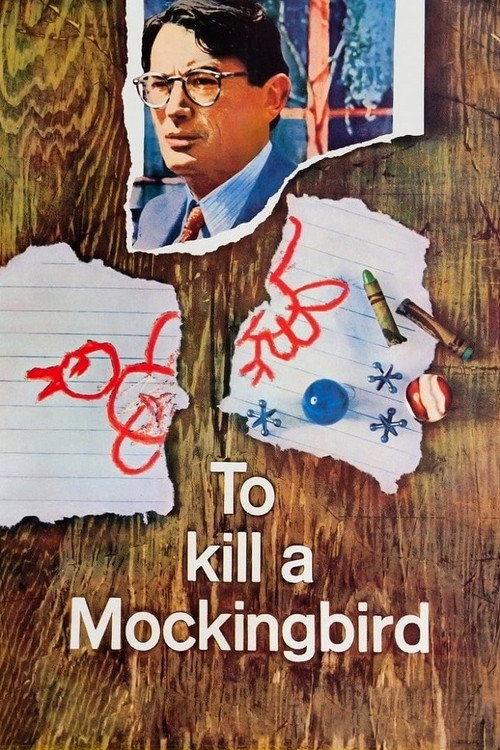
To Kill a Mockingbird1962
A lawyer defends a Black man falsely accused of a terrible crime in the Deep South. Like Rutledge, it's a courtroom drama about prejudice that refuses easy answers, anchored by a moral authority that still rings true.
But The film has been critiqued for centering white decency over Black suffering. It can feel like it's asking you to admire the good white people rather than rage at the system.
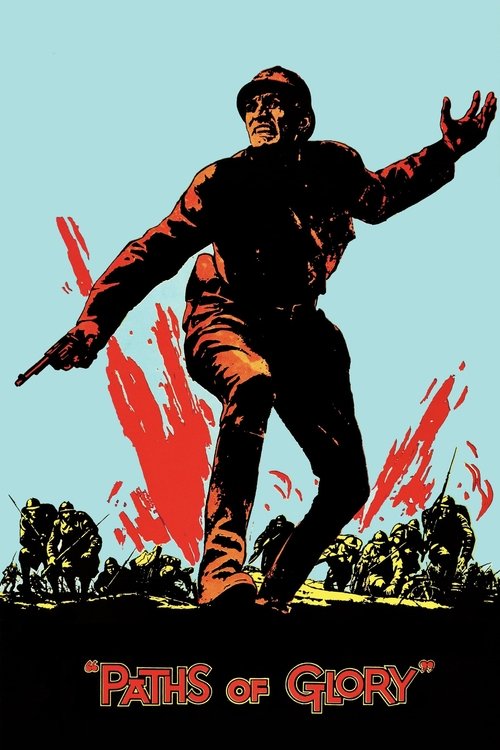
Paths of Glory1957
Kubrick's devastating court-martial film about military injustice and men destroyed by orders from above. The same engine as Rutledge—the law as instrument of power—but pointed at the class system instead of race.
But It's bleaker and faster-paced than Ford's film. No redemption in sight, which some find cathartic and others find punishing.
Intolerance: Love's Struggle Throughout the Ages1916
D.W. Griffith's sprawling epic weaves four stories across time to show how prejudice repeats. It's visionary filmmaking on a scale Rutledge echoes, and it's genuinely about the same question: how do systems of injustice perpetuate themselves?
But It's over three hours, silent, and moves at a rhythm modern viewers often find glacial. The ambition can feel exhausting rather than exhilarating.

Not sure tonight? Get a pick in a minute, starting from Sergeant Rutledge
The wildcard
Something you would not have found on your own.
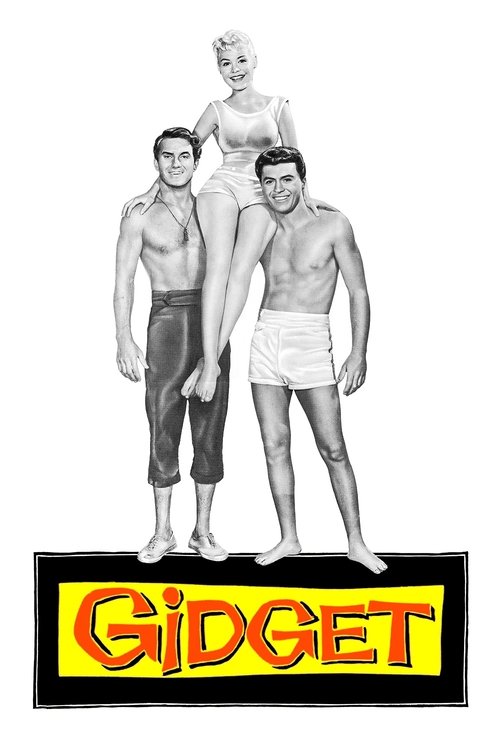
Gidget1959
Constance Towers appears in both films in the exact same year, but as entirely different women in entirely different Americas—the innocent girl in one, the symbol of racial transgression in the other. It's a stunning accident of casting that shows how cinema sorted women by race.
A cheerful surfing film about a girl finding her place in the world. It sounds trivial, but Gidget is about acceptance and belonging at the exact same moment Rutledge asks who gets to belong to America. Constance Towers, who plays the white woman at the centre of Rutledge's tragedy, plays Gidget's mother—a world away from that moral weight.
But It's a 1950s youth comedy. The surfing scenes are in soft focus, the romance is innocent, and the whole thing floats on a candy-colored dream of California that has nothing to do with Rutledge's courtroom.
More like this (8)
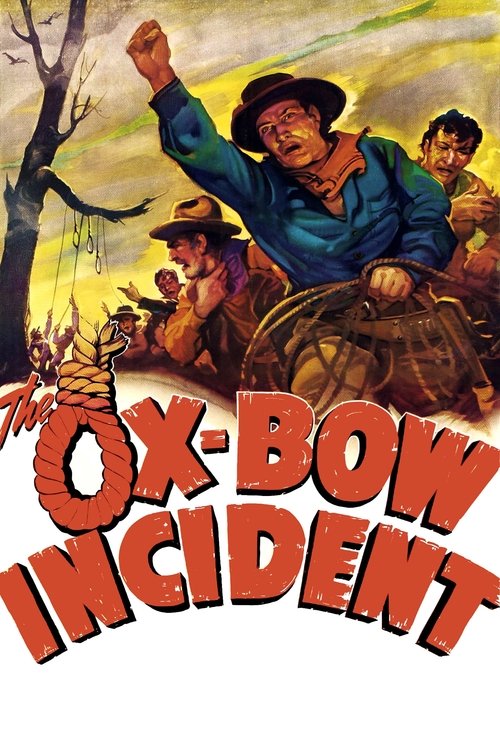
The Ox-Bow Incident1943
Henry Fonda in a western about a lynch mob. It asks what happens when the law fails and decent men do nothing. Shorter and tighter than Rutledge, with the same moral spine.
But The film's ending feels like it's asking forgiveness for the mob, which undercuts its own argument. It wants to believe in American conscience in a way that can feel naive.
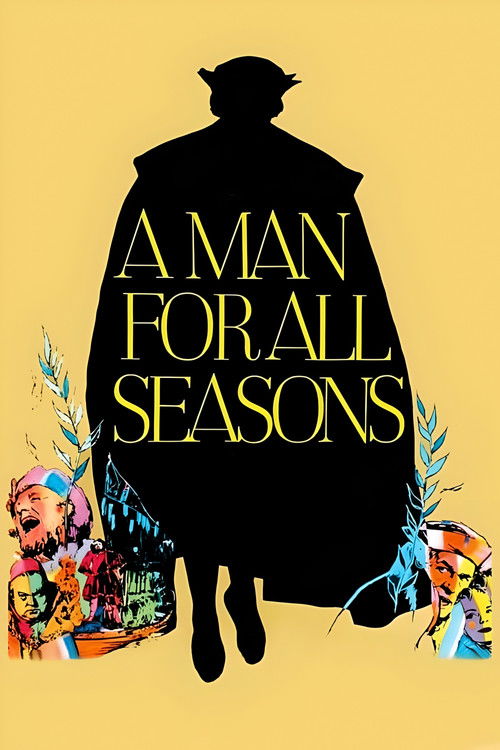
A Man for All Seasons1966
Another courtroom drama about an honest man facing down institutional power. The structure is almost identical to Rutledge: one voice of principle against the machinery of state. The dialogue sings.
But It's stagey—shot like a filmed play—and the moral clarity never wavers. If you want ambiguity, this will feel righteously certain to the point of simplicity.
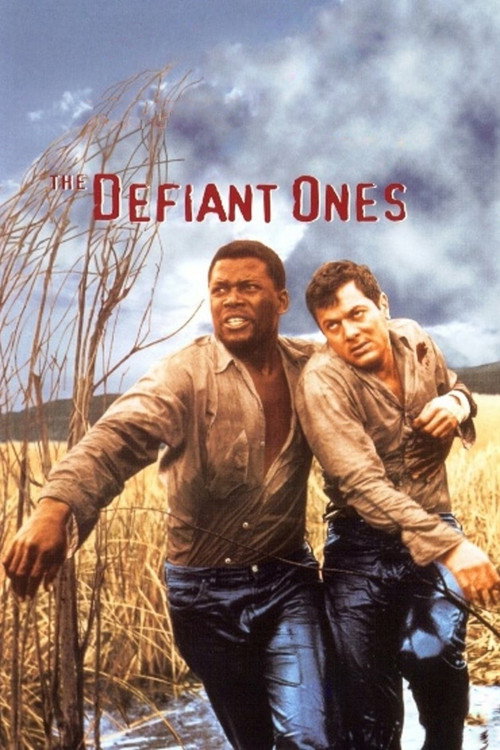
The Defiant Ones1958
Sidney Poitier and Tony Curtis chained together, forced to rely on each other while pursued by a lynch mob. It uses the buddy film to ask about race and solidarity. Poitier is magnificent, and the film doesn't look away.
But The integration message can feel like it's patting itself on the back. By today's standards it's earnest in a way that reads as slightly condescending.
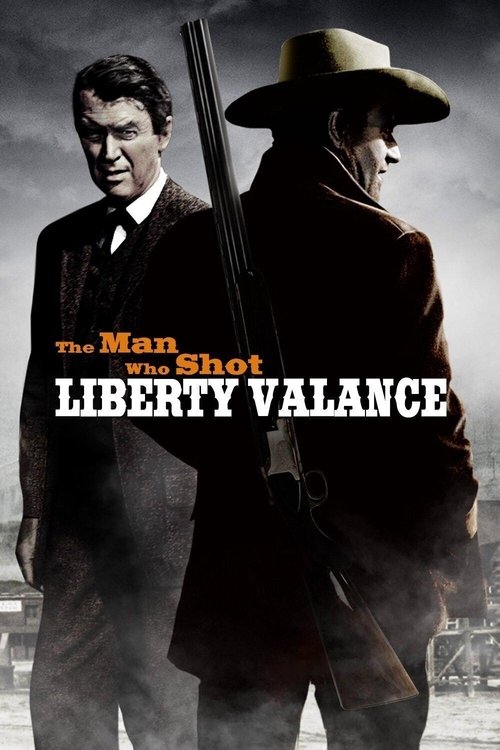
The Man Who Shot Liberty Valance1962
Ford's own meditation on how the West got made: the real story versus the legend people choose to believe. Like Rutledge, it's about how institutions bury truth. Beautifully shot in black and white.
But It's slower than you'd expect and explicitly nostalgic. Ford seems to be mourning something, which gives it elegiac weight but can read as melancholy rather than urgent.
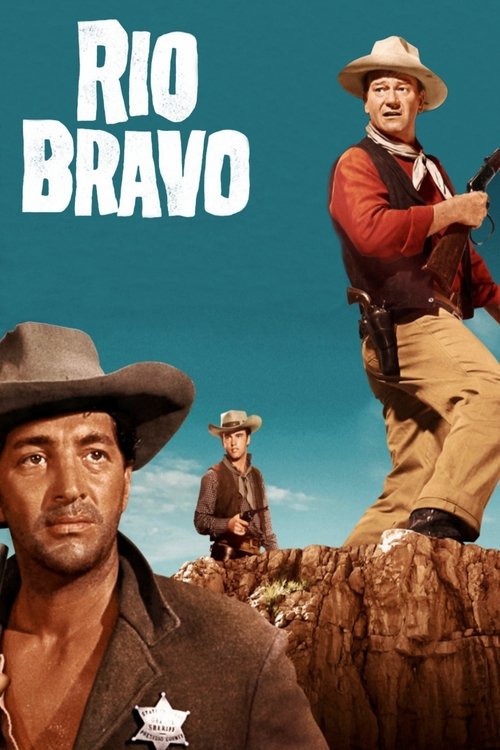
Rio Bravo1959
Ford and Hawks' western about holding a line against the mob. John Wayne and a ragtag group of underdogs in a sheriff's office. It's less explicitly about race than Rutledge but it's asking the same question: what do you do when the system fails?
But It's a straightforward action film, not a drama. If you're looking for courtroom argument and moral complexity, you won't find it here.
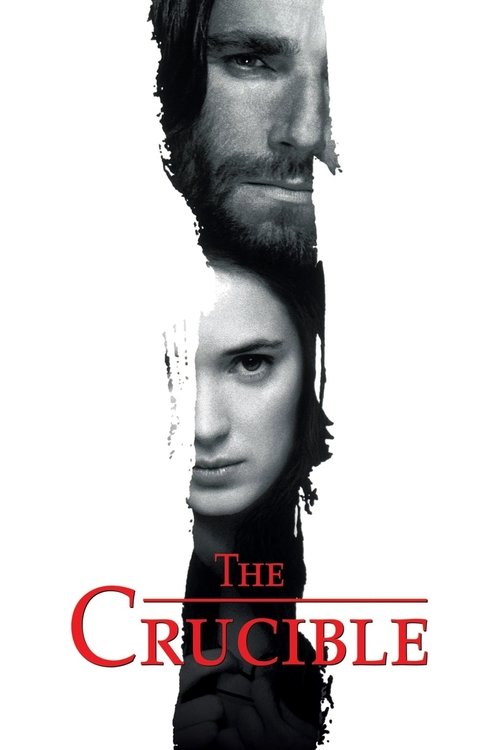
The Crucible1996
Arthur Miller's play about the Salem witch trials as an allegory for McCarthyism, starring Daniel Day-Lewis. A man wrongly accused, facing institutional hysteria. The parallel to Rutledge is the machinery of false accusation grinding forward.
But The allegory can feel heavy-handed. The film sometimes plays as though it's explaining its own symbolism rather than trusting you to see it.
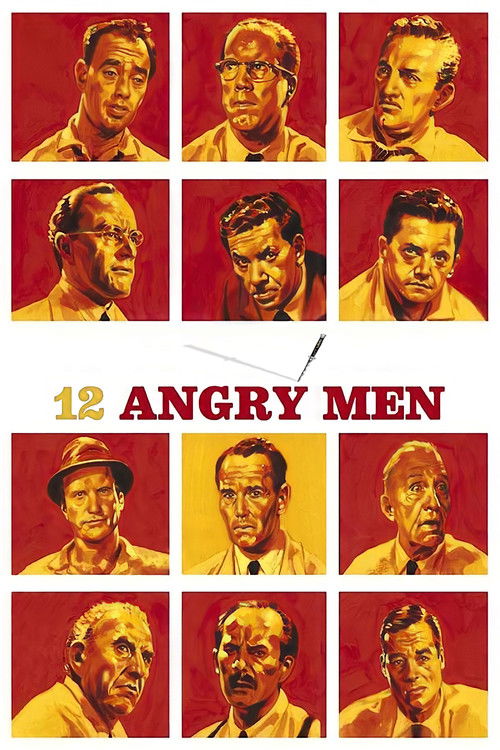
12 Angry Men1957
Both films trust the courtroom as a space where truth might emerge. Both ask you to watch a jury—or a court—grapple with what it actually believes versus what it's willing to say. Both are about the gap between the law and justice.
Twelve jurors deliberate about a boy accused of murder. It's Rutledge's spiritual sibling: the film takes place almost entirely in a jury room, watching prejudice, assumption, and reasonable doubt battle it out. Visually inventive and morally searching without ever preaching.
But It's confined and talky. If you want movement and scope, you'll feel trapped. The boy on trial never appears, which some find powerful and others find distancing.
The Ballad of Little Jo1993
Both films use the western form to ask what America is and who gets to exist in it. Where Rutledge is about a man framed by the law, Jo is about a woman who escapes the law by refusing the identity it assigned her. Both are about the cost of survival in a system that wasn't made for you.
A woman passes as a man in the Old West to survive and claim land. It's a revisionist western made a generation after Rutledge, asking harder questions about identity, survival, and who the law protects. Shot in muted colours, matter-of-fact about its transgression.
But It's quiet and slow and doesn't resolve neatly. The ending is ambiguous in a way that can feel like it's withholding meaning rather than deepening it. It's a film for patient viewers.

People
Cast
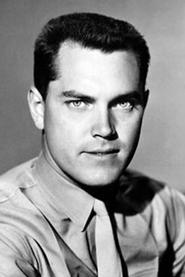 Jeffrey HunterLt. Tom Cantrell
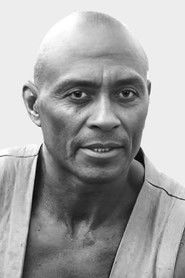 Woody Strode1st Sgt. Braxton Rutledge
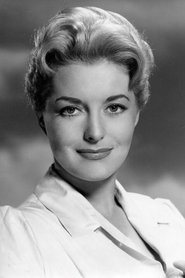 Constance TowersMary Beecher
 Billie BurkeMrs. Cordelia Fosgate
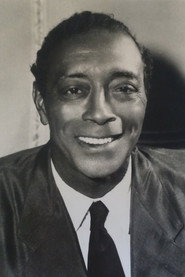 Juano HernándezSgt. Matthew Luke Skidmore
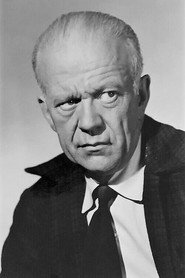 Willis BoucheyCol. Otis Fosgate - president of the court-martial
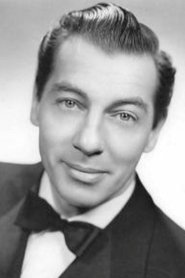 Carleton YoungCapt. Shattuck - prosecutor
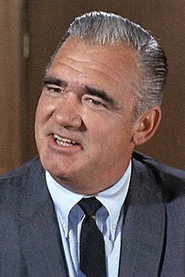 Judson PrattLt. Mulqueen (court-martial board member)
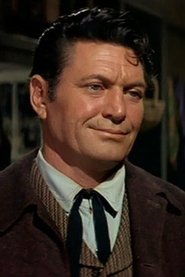 Chuck RobersonCourt-Martial Board Member (uncredited)
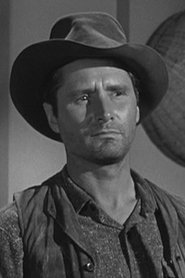 Chuck HaywardCapt. Dickinson (uncredited)
- Phil AdamsCourt Guard (uncredited)
- Mario ArteagaMexican (uncredited)
Directing
- Allen PomeroyAssistant Director
- Edward O'FearnaAssistant Director
- Russell SaundersAssistant Director
- Wingate SmithAssistant Director
- John FordDirector
Writing
- James Warner BellahNovel
- James Warner BellahWriter
- Willis GoldbeckWriter
Production
- Patrick FordProducer
- Willis GoldbeckProducer