
Film
Johnny Tiger
A 1966 western-drama about a white teacher navigating cultural friction on a Seminole reservation in Florida. It's earnest and sometimes clumsy in its intentions, caught between celebrating indigenous resilience and the patronizing attitudes of its era. For viewers interested in how cinema grappled with Native American representation during the Civil Rights movement.
If you liked this
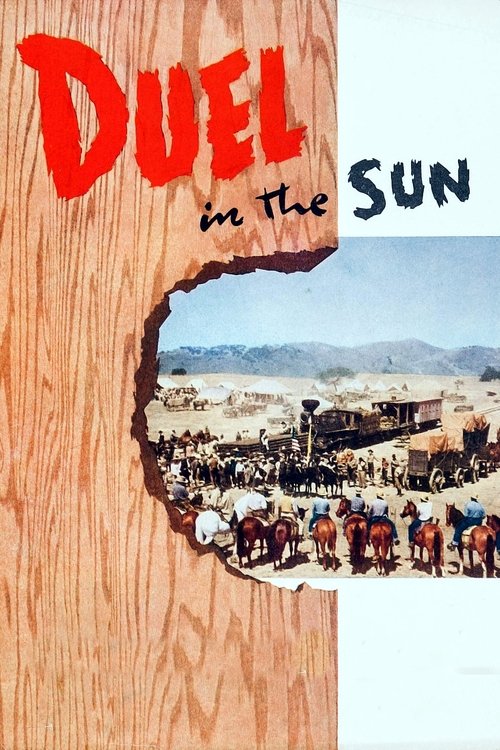
Duel in the Sun1946
A sweeping, technicolor western romance that also wrestles with racial prejudice and moral complexity in the American landscape. Intense and visually stunning.
But The pacing is languid by modern standards, and some narrative choices feel overwrought or dated in their psychology.
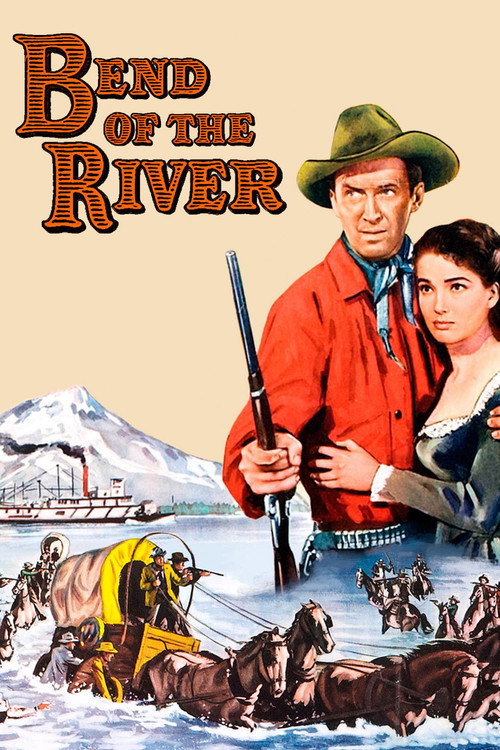
Bend of the River1952
James Stewart as a reformed outlaw trying to build a better life in Oregon. Explores community, redemption, and the frontier myth with surprising nuance and moral weight.
But It's a conventional western in structure, and some character arcs resolve too neatly for a story dealing with real stakes.
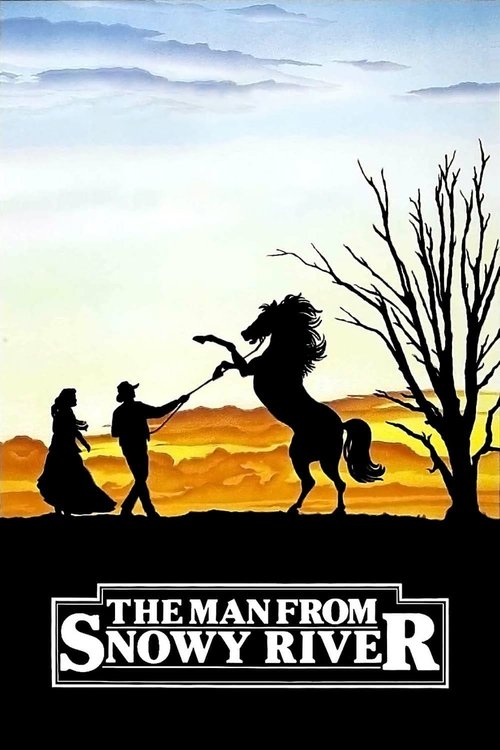
The Man from Snowy River1982
A beautifully shot story about proving yourself in harsh wilderness while respecting tradition and community. Kirk Douglas and Tom Burlinson anchor an genuinely moving underdog narrative.
But The romantic subplot feels grafted on, and the film leans toward sentiment in its final act rather than complexity.
Not sure tonight? Get a pick in a minute, starting from Johnny Tiger
The wildcard
Something you would not have found on your own.
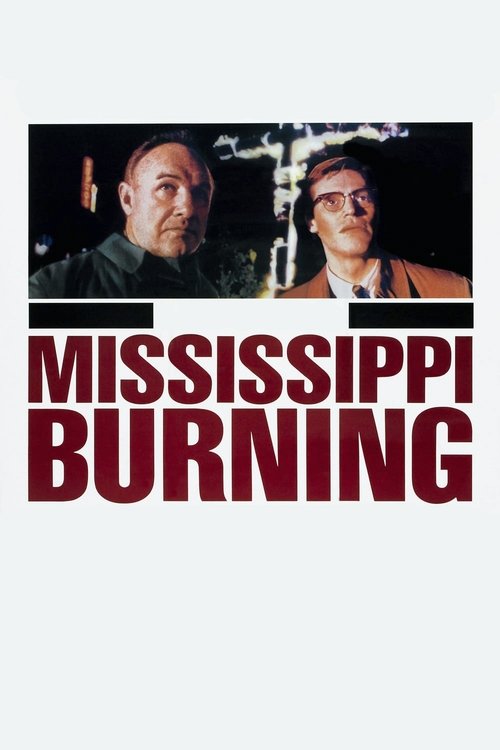
Mississippi Burning1988
Both follow well-meaning outsiders discovering their own complicity in systemic racism, and both wrestle with whether good intentions matter when structures are rotten.
The same ideological DNA as Johnny Tiger: white protagonists learning about injustice and solidarity in the American South. Visceral and urgent about racism, though from a different era and with full dramatic firepower.
But It centers white saviors and simplifies a complex historical moment. Many find its moral framing frustratingly partial and its violence exploitative.
More like this (8)
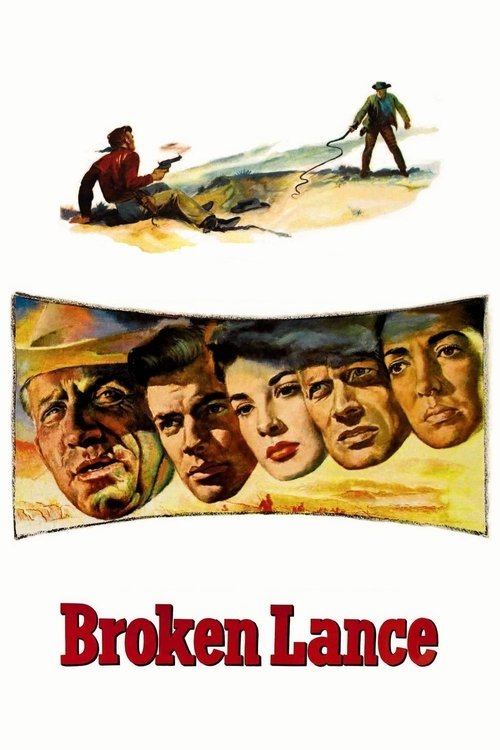
Broken Lance1954
Spencer Tracy as a cattle rancher whose fractured family embodies the collapse of the Old West. Class, racism, and legacy are woven through a gripping family drama.
But The melodrama occasionally overpowers the social commentary, and some scenes feel more soap opera than serious drama.
The Ballad of Little Jo1993
A revisionist western about a woman passing as a man to survive alone on the frontier. Quiet, dignified, and genuinely interested in how marginal people carved out space.
But It's deliberately understated and slow. Some viewers find the pacing frustrating, and the ending withholds conventional resolution.

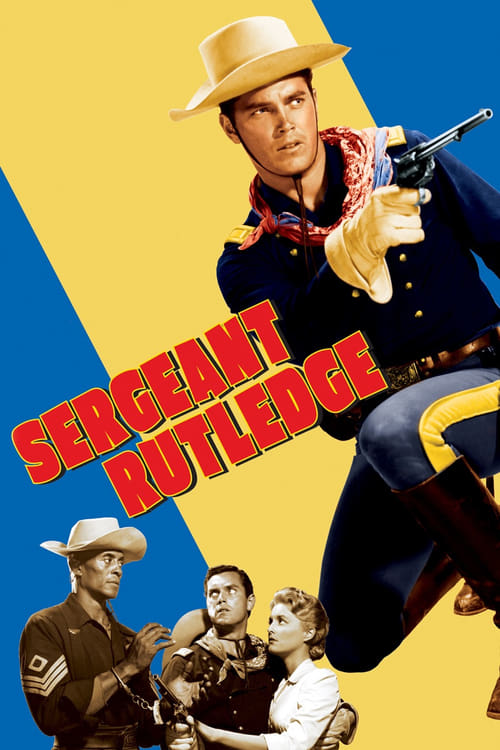
Sergeant Rutledge1960
John Ford's urgent courtroom western centered on a Black cavalry officer falsely accused. Formally brilliant and morally serious about injustice and heroism.
But The courtroom structure limits action, and some supporting characters are drawn with less care than the central figure.
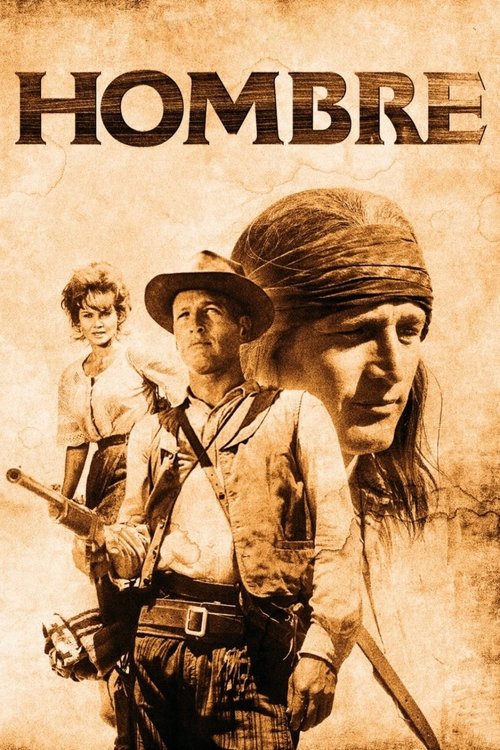
Hombre1967
Paul Newman as a white man raised Apache, caught between worlds. A brutal, intelligent western about identity and solidarity that doesn't soft-pedal its violence.
But The tone is bleak and the morality ambiguous—not everyone wants their western to be this dark or unsentimental.
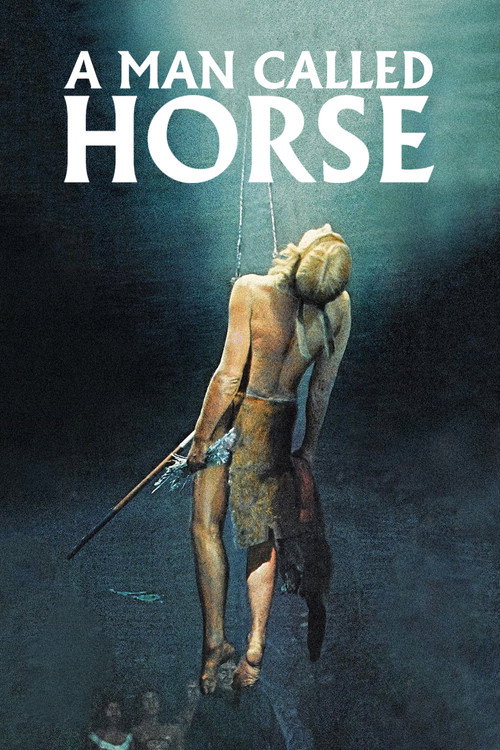
A Man Called Horse1970
Richard Harris as an English aristocrat adopted into Sioux culture. Visceral, controversial, and genuinely interested in ceremony and belonging rather than conquest.
But It's provocative by design and will alienate viewers who find it either exploitative or pretentious in its ethnographic posturing.
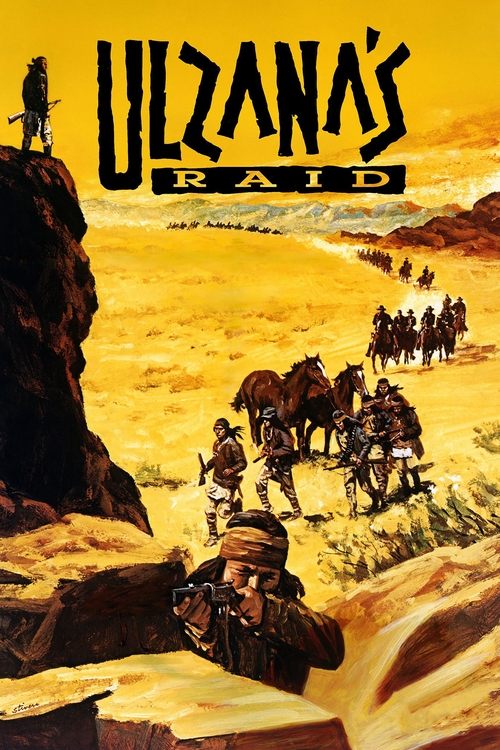
Ulzana's Raid1972
An Apache war leader outsmarts an arrogant military patrol. Tense, intelligent, and fundamentally sympathetic to its Indigenous antagonist in ways most westerns weren't.
But It's deliberately unglamorous and its violence is presented as consequential and ugly rather than heroic.
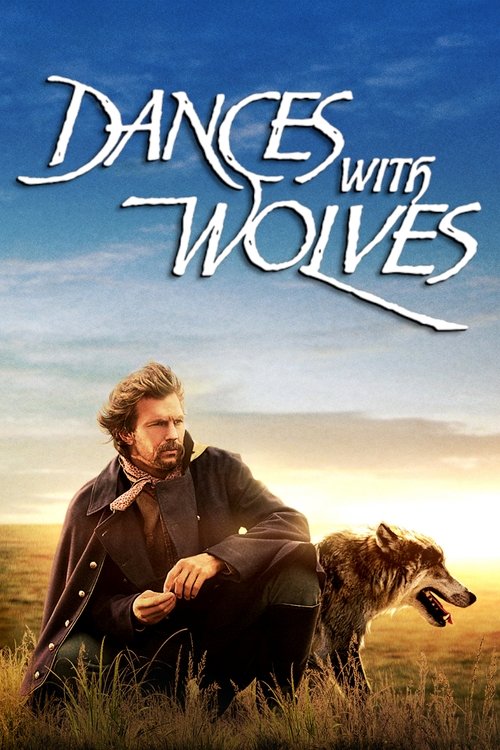
Dances with Wolves1990
Both center an outsider learning from a community, and both grapple with how much an individual can bridge cultural divides through good faith alone.
Kevin Costner as a Civil War soldier adopted into Lakota culture. Sweeping, gorgeously mounted, and genuinely curious about ceremony and connection across difference.
But It's three hours of a white man's perspective on Indigenous life, and many find it a revised fantasy rather than honest engagement with colonial history.
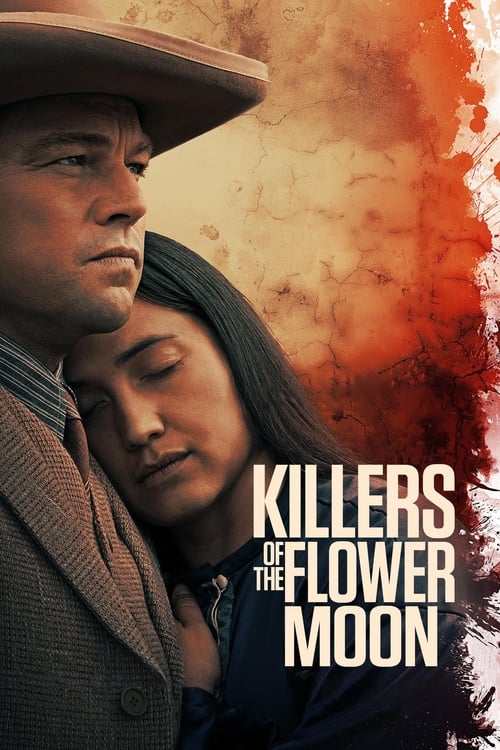
Killers of the Flower Moon2023
The inversion of Johnny Tiger's optimism: both address white-Indigenous relations in America, but where Tiger seeks connection, Killers shows how American structures ensure exploitation—a deliberate moral correction.
Scorsese's unflinching account of Osage murders and oil wealth. Documentary-like in its refusal of easy sentiment, it shows what happens when patronage becomes predation.
But It's nearly three and a half hours of systemic horror with no heroic redemption. If Johnny Tiger's earnest hope is what drew you in, this will feel deliberately punishing.
People
Cast
 Robert TaylorGeorge Dean
 Geraldine BrooksDr. Leslie Frost
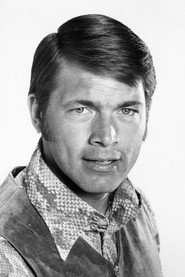 Chad EverettJohnny Tiger
 Brenda ScottBarbara Dean
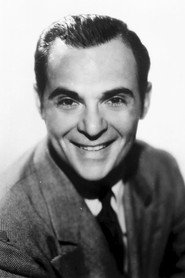 Marc LawrenceWilliam Billie
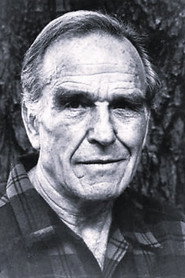 Ford RaineySam Tiger
 Carol Anne SeflingerWendy Dean
- Stephen WheelerRandy Dean
- Pamela MelendezShalonee
 Deanna LundLouise
Directing
- Paul WendkosDirector
Writing
- R. John HughOriginal Story
- Paul CrabtreeWriter
- Philip WylieWriter
- Thomas W. BlackburnWriter
Production
- Laird LeggExecutive Producer
- Nonus McDowellExecutive Producer
- R. John HughProducer