
Film
The Lion
A girl raised on a Kenyan wildlife reserve has bonded so deeply with a lion that her mother fears she's gone feral. When her biological father arrives to rescue her to Connecticut civilization, the film becomes a tender, strange meditation on belonging, wildness, and what we really want for our children. Beautifully shot, oddly affecting, and genuinely odd in ways that feel earned rather than contrived.
If you liked this
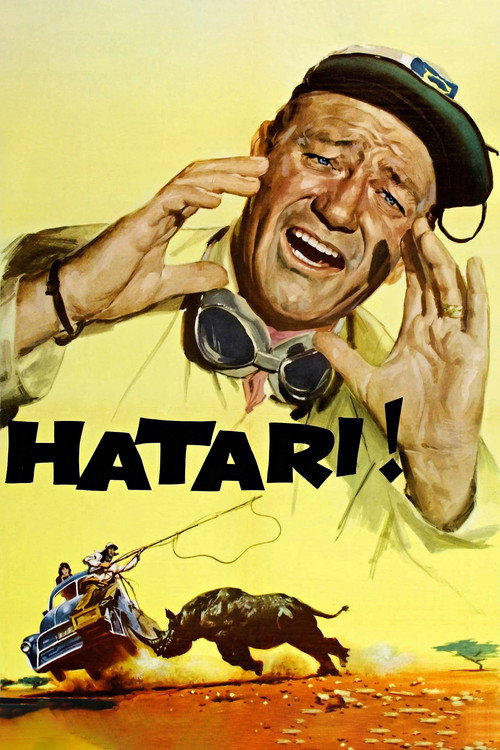
Hatari!1962
Released the same year, this Howard Hawks adventure also pairs William Holden with African wildlife and real animal sequences. The energy is kinetic and joyful where The Lion is contemplative, but both films capture something true about humans and creatures sharing wild spaces.
But It's a conventional action-adventure film with minimal character depth. If you're drawn to The Lion for its psychological strangeness, this will feel cheerfully superficial.
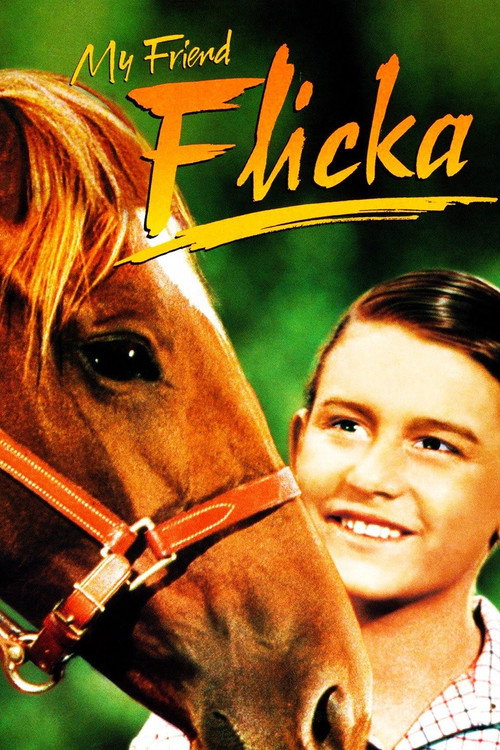
My Friend Flicka1943
A child's profound bond with an animal as a lens through which to explore identity and growing up. It has the same emotional temperature as The Lion—wondering whether closeness to nature is salvation or loss.
But Technicolor sentimentality from the 1940s. It wears its heart very openly, which some viewers find moving and others find cloying.
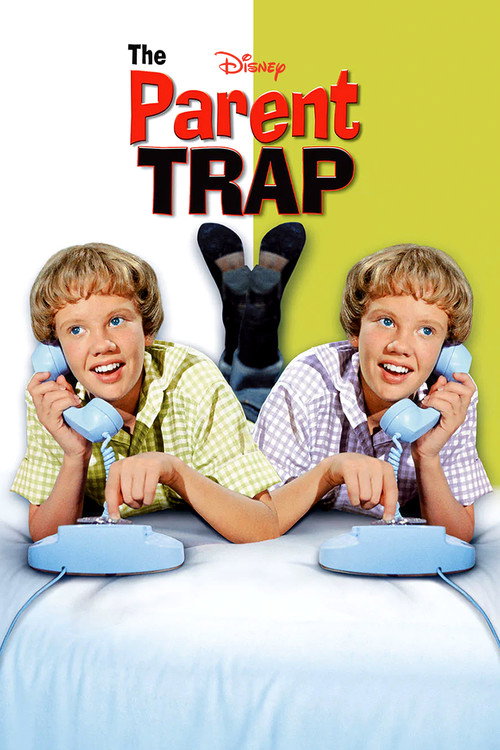
The Parent Trap1961
Also from this era, also about a child caught between two parents with incompatible visions of who they should be. Less weird, more fun, but with genuine emotional stakes buried under the comedy.
But It's a sunny Disney film about twins. If you want that same conflict without the whimsy, you'll be frustrated.
Not sure tonight? Get a pick in a minute, starting from The Lion
The wildcard
Something you would not have found on your own.
Kes1970
Where The Lion asks if wildness is what we're meant for, Kes asks if connection to something wild is the only freedom working-class life permits. Same emotional core, completely different countries and class positions.
A working-class English boy trains a wild hawk and experiences a transcendent freedom and purpose he has nowhere else in his life. It's achingly real where The Lion is dreamlike, but both films understand a child's relationship with an animal as spiritual.
But It's deeply sad and ends badly. The realism is relentless and there's no comfort offered. Viewers wanting uplift will feel gutted.

More like this (6)
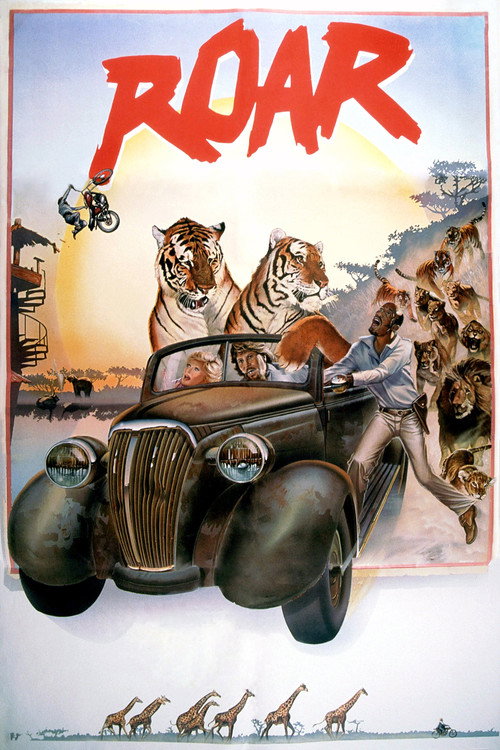
Roar1981
Noel Marshall's fever dream about a family living with 150 unmedicated lions. It's chaotic and genuinely dangerous-feeling in a way modern filmmaking rarely achieves. A spiritual cousin to The Lion's obsession with humans and big cats occupying the same space.
But It's incoherent, badly acted, and the animals are genuinely terrifying rather than noble. The behind-the-scenes chaos is almost more interesting than the film.
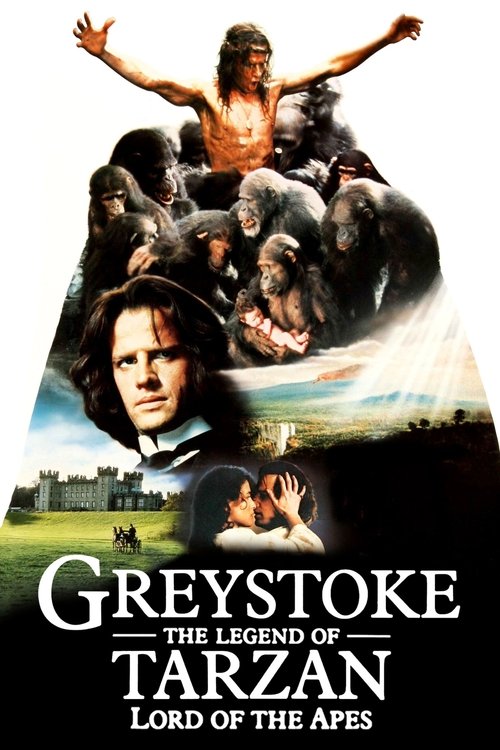
Greystoke: The Legend of Tarzan, Lord of the Apes1984
A man raised by apes returned to human society—the inverse of The Lion's dilemma. It takes seriously the question of whether civilization is really an upgrade, with a melancholic intelligence rare in adventure films.
But The middle section is slow and heavy on drawing-room drama. If you want action and spectacle, this will feel like a slog.
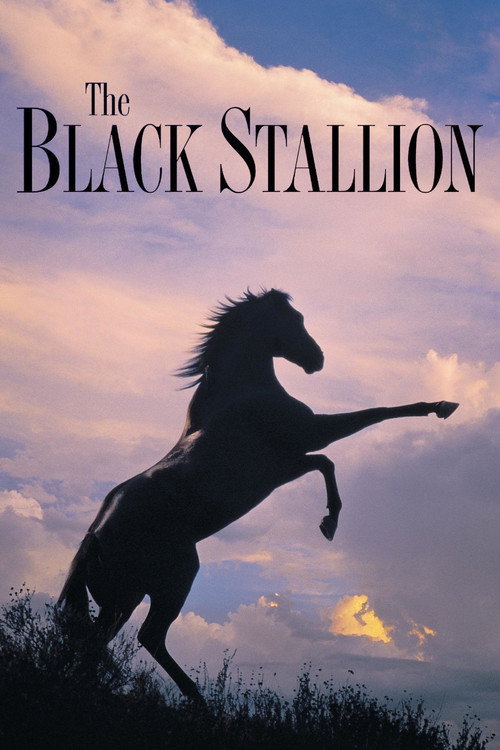
The Black Stallion1979
A boy and wild horse stranded on an island, bonding across species with no language but mutual need. It has The Lion's sense of a child being fundamentally more at ease with an animal than with adults.
But It's a children's film, and some of the dialogue and plot beats are pitched very young. Adults often find it saccharine.
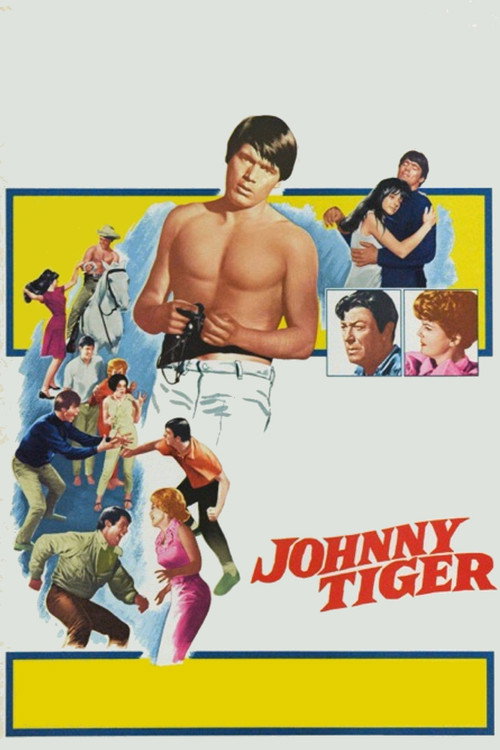
Johnny Tiger1966
A Seminole boy and his tiger develop an impossible friendship; the film explores indigenous identity and the costs of assimilation. Thematically close to The Lion, with similar tensions about culture and belonging.
But It's visibly a mid-60s attempt at relevance that hasn't aged well. The social commentary feels dated and sometimes patronizing.
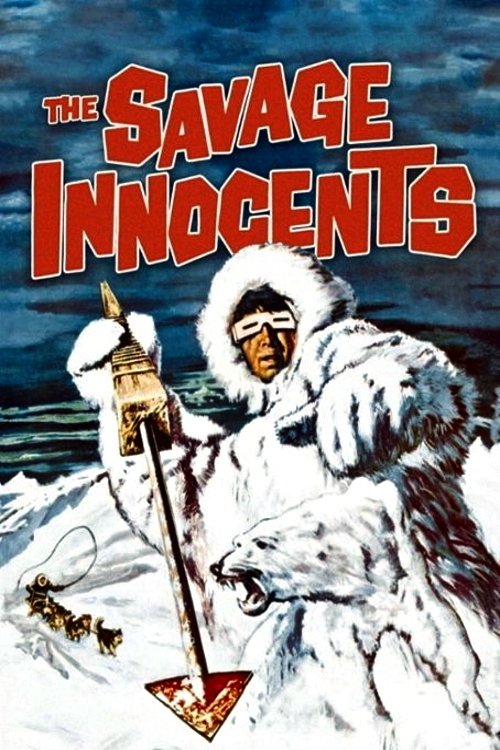
The Savage Innocents1960
An Inuit boy raised traditionally encounters the encroaching modern world. Nicholas Ray's film shares The Lion's unsettled questioning of whether progress is progress—and which world the young person truly belongs to.
But At nearly three hours, it moves deliberately and some scenes feel overextended. The pacing demands patience.
Harakiri1962
Both films released the same year, both about a person belonging fully to neither world available to them. The Lion suggests this is tragic; Harakiri suggests it is inevitable. Neither offers escape, only clarity.
Also released in 1962, this Japanese masterpiece depicts ritualized self-destruction as the logical endpoint of a life caught between two worlds with no place in either. Structurally and thematically, it's about the impossible choice The Lion's Tina faces—you cannot live in both.
But It's a three-hour black-and-white Japanese period drama about suicide. It is not entertainment. It is profound and devastating and requires emotional preparation.

People
Cast
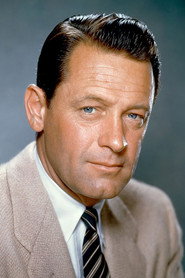 William HoldenRobert Hayward
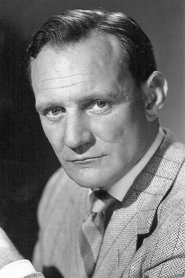 Trevor HowardJohn Bullit
 CapucineChristine
 Pamela FranklinTina
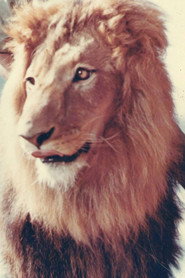 ZambaKing
Directing
- Ted SturgisAssistant Director
- Angela MartelliContinuity
- Connie WillisContinuity
- Jack CardiffDirector
Writing
- Joseph KesselNovel
- Irene KampScreenplay
- Louis KampScreenplay
Production
- Cecil F. FordAssociate Producer
- Samuel G. EngelProducer
- David W. OrtonProduction Manager