
Film
Roar
Roar is a 1981 adventure-thriller about a family besieged by African wildlife at an isolated compound. Directed by and starring Noel Marshall, it's genuinely chaotic—shot with real, unrestrained animals rather than effects. Gloriously unhinged, it's part animal attack film, part slapstick comedy, genuinely dangerous, and utterly unlike anything else. For anyone who loves cinema that feels like it shouldn't exist.
If you liked this
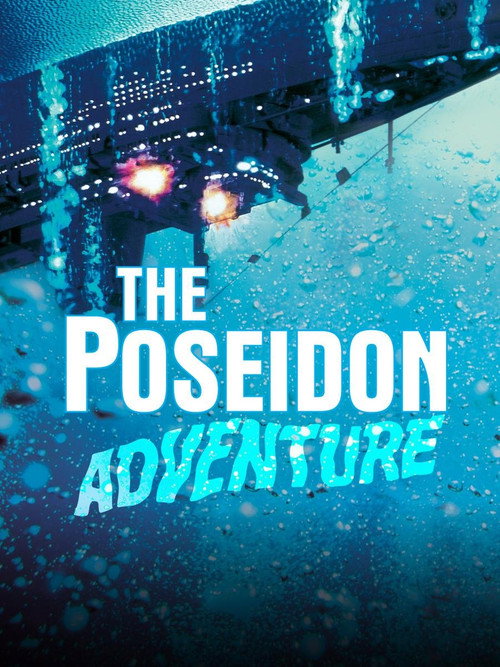
The Poseidon Adventure1972
A disaster film where the spectacle comes from elaborate practical effects and genuine stunt work. Like Roar, it commits fully to putting actors in uncontrolled, genuinely perilous situations for the sake of the movie. The chaos feels earned.
But Long, talky setup before the action. The ensemble drama can feel overwrought by modern standards.
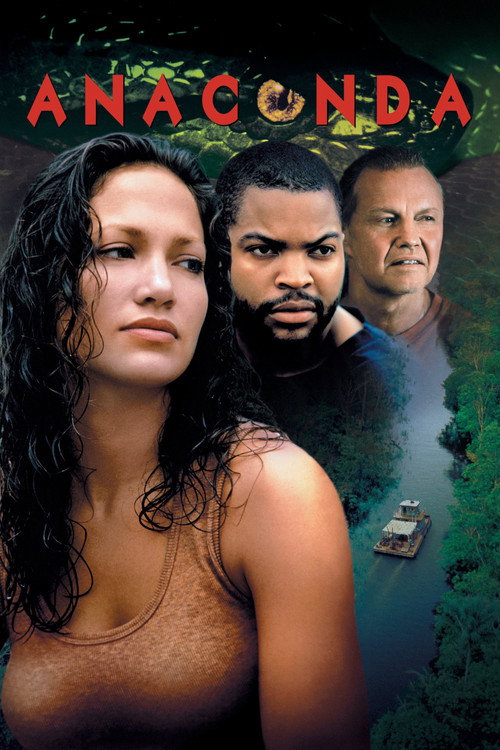
Anaconda1997
A creature-feature that knows exactly what it is: gloriously pulpy nonsense with a massive animatronic snake. It has the same cheerful disregard for logic and safety that makes Roar mesmerizing, but with slightly more competent filmmaking.
But The CGI hasn't aged well. It's earnest in a way that sometimes tips into unintentional comedy.
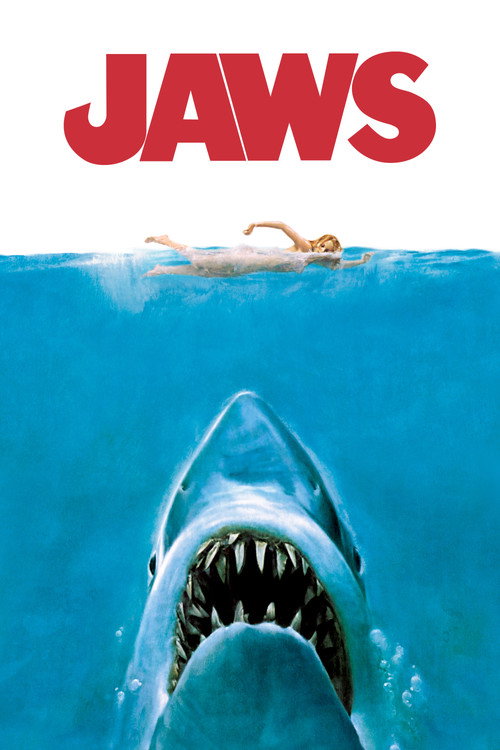
Jaws1975
Spielberg's mechanical shark became iconic precisely because it often broke down, forcing him to suggest rather than show. Still, this shares Roar's commitment to animal menace as genuine spectacle, not just a concept to explain away.
But It's a masterpiece, so it might feel like an obvious recommendation. Also fundamentally controlled in ways Roar is not.
Not sure tonight? Get a pick in a minute, starting from Roar
The wildcard
Something you would not have found on your own.
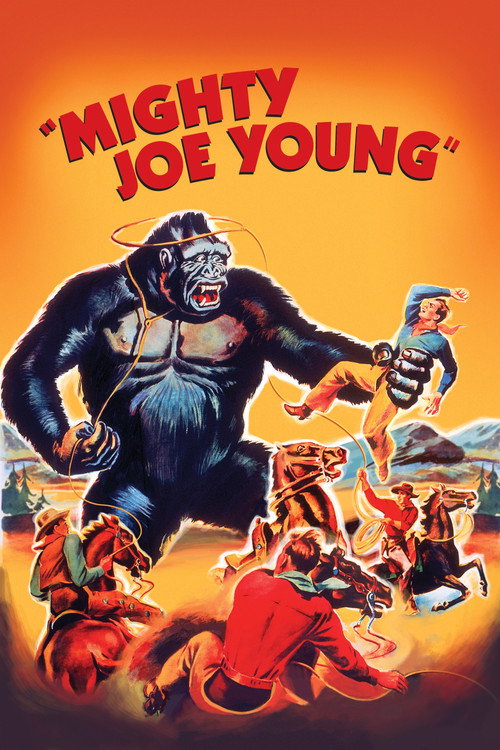
Mighty Joe Young1949
Both explore the same core tension—can humans and wild animals coexist, or is conflict written into their nature?—but Roar says yes through violence, Joe Young through gentleness.
A stop-motion gorilla film that feels like the inverse of Roar: utterly controlled, sweetly sentimental, and deeply charming. Yet both are obsessed with the tension between humans and animals, and both ask whether violence is inevitable or negotiable.
But It's a kid's film from 1949. If you're watching Roar for chaos, this is serenity. Requires genuine affection for old Hollywood.
More like this (7)
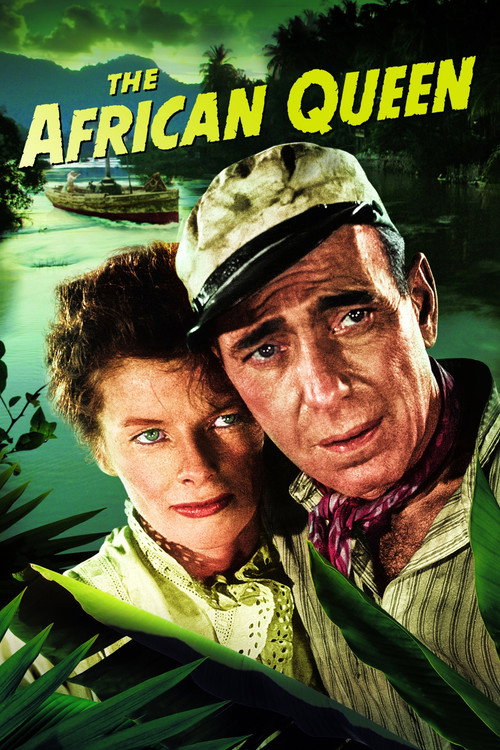
The African Queen1952
Bogart and Hepburn navigating actual African rivers and rapids, with real animals and landscapes. It's adventure filmmaking from an era when you went to the location and dealt with what was there.
But Slow burn. Attitudes toward Africa are dated. The romance subplot might not grip you.
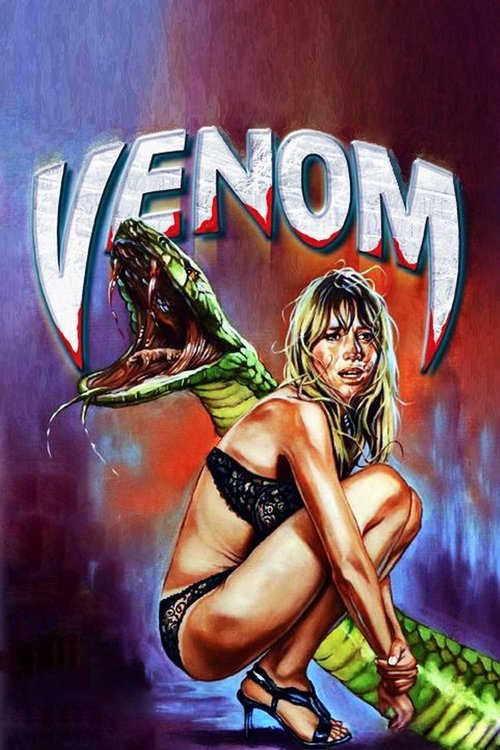
Venom1981
Released the same year as Roar, this is a hostage thriller with a king cobra in a townhouse. Klaus Kinski is wonderful. It has that same 1980s willingness to just... let snakes loose near actors.
But Surprisingly straightforward thriller. Less unhinged than Roar. The pacing drags in the middle.
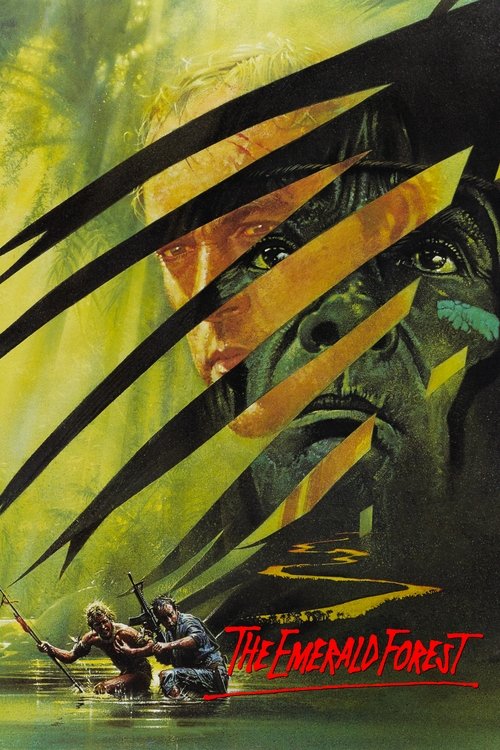
The Emerald Forest1985
John Boorman's meditation on colonialism shot deep in the Brazilian rainforest with real indigenous tribes and genuinely hazardous conditions. It's adventure cinema as something almost shamanic and genuinely unsettling.
But Slow, symbolic, sometimes ponderous. Not the propulsive entertainment Roar is aiming for.
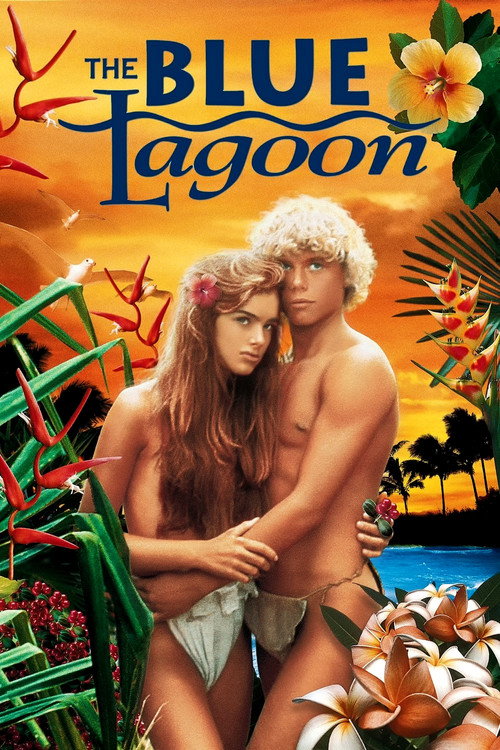
The Blue Lagoon1980
Shot on location in Fiji with real water, weather, and wildlife. It's survival cinema that commits to authenticity in ways that make the film feel genuinely precarious, even if the plot is slight.
But Very 1980s. The sexual content of teenagers makes modern viewers uncomfortable. The ecological messages are heavy-handed.
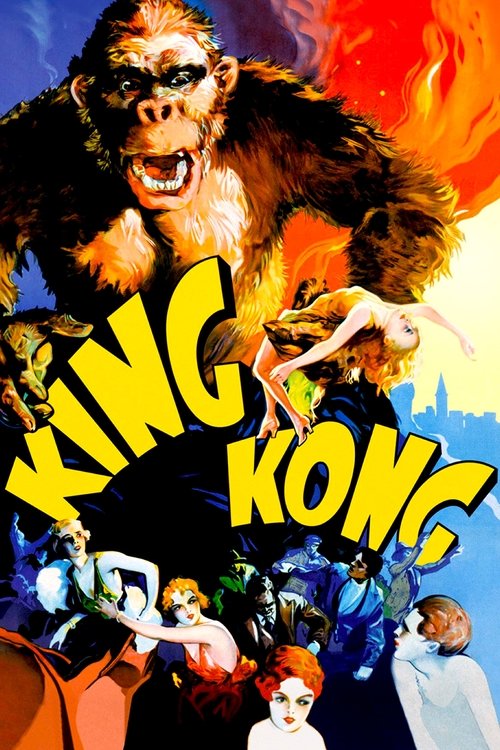
King Kong1933
The original creature-feature: practical effects, resourcefulness, genuine danger on set. It's the DNA of animal-attack cinema, and it's exhilarating in ways that newer versions can't match.
But Pacing is glacial by modern standards. The racial politics are egregious. It's more of a historical artifact than an entertainment now.
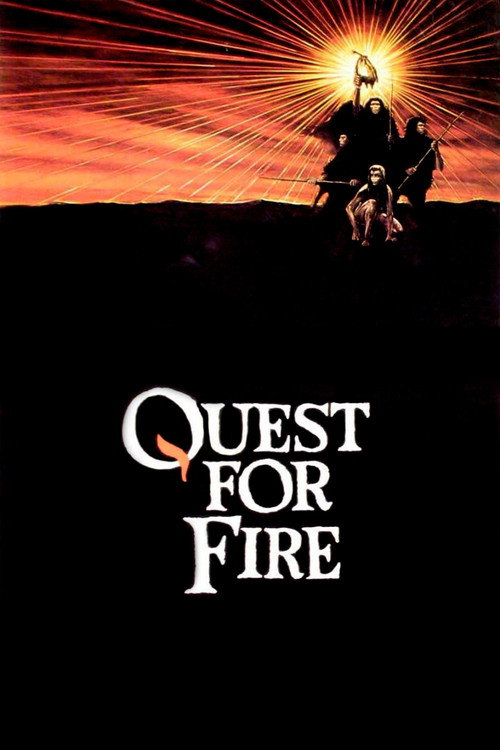
Quest for Fire1981
Released the same year as Roar, this prehistoric adventure shot in real locations with real fire, animals, and stunts. It's a companion piece to Roar in its commitment to doing things practically and dangerously.
But Dialogue is essentially grunts. The narrative is bare-bones. It requires patience with a very experimental approach to storytelling.
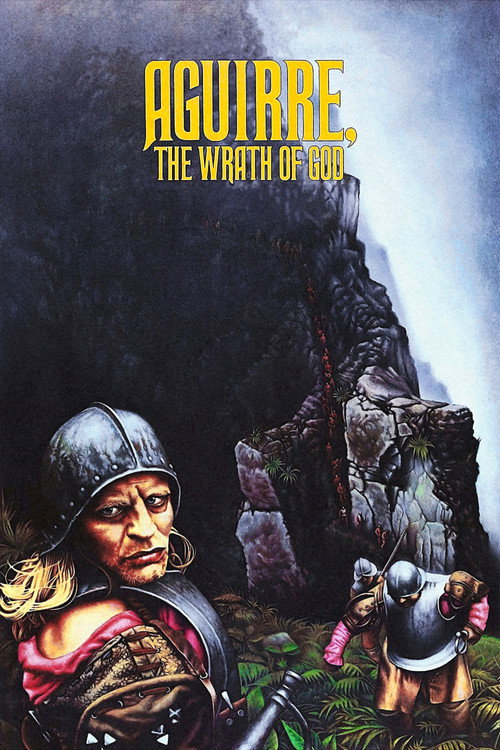
Aguirre, the Wrath of God1972
Both are visions of chaos that filmmakers insisted on making despite (or because of) the impossibility and danger. Both treat the environment as an antagonist that cannot be controlled. Both are more interested in what the chaos reveals about human ambition than in plot coherence.
Herzog's fevered Amazon expedition with a genuinely obsessed director, real rafts on real rapids, and a landscape that becomes a character bent on destruction. It's unhinged filmmaking about obsession, collapse, and humans versus nature—but as philosophical horror, not adventure.
But Bleak, hypnotic, difficult. The pacing is glacial. Herzog's vision is uncompromising in ways that can feel punishing rather than entertaining.
People
Cast
 Tippi HedrenMadeleine
 Melanie GriffithMelanie
- John MarshallJohn
- Jerry MarshallJerry
- Kyalo MativoMativo
- Frank TomFrank
- Steve MillerPrentiss
- Rick GlasseyRick
- Lenord BokwaAirport Personnel
- Shamasi SarumiAirport Personnel
- Will HutchinsCommittee
- Eve RattnerCommittee
Directing
- Kenneth J. JonesAssistant Director
- Shunil BorpujariAssistant Director
- Noel MarshallDirector
- Jan ShawScript Supervisor
- Jean-Paul OuelletteScript Supervisor
- Maureen NolanScript Supervisor
Writing
- Noel MarshallWriter
Production
- Charles SloanCo-Producer
- Jack RattnerCo-Producer
- Banjiro UemuraExecutive Producer
- Noel MarshallProducer
- Robert GottschalkProducer
- Tippi HedrenProducer
- Doran KauperProduction Manager
- Joel MarshallProduction Manager
- John MarshallProduction Manager
Recommended by
The Legend of Boggy Creek, Born Free, The Mighty Peking Man, Monkey Trouble, Eaten Alive!, The Lion