
Film
Policewoman
A 1974 Italian comedy about a young policewoman in Milan who stumbles onto ecological corruption and institutional rot. It's a genre film playing with satire and slapstick, cheerfully cynical about bureaucracy and police incompetence. Funny, light, and entirely of its moment—the kind of thing that works best if you like Italian crime comedies and don't mind a ramshackle plot.
Should you watch it?
Watch it if you enjoy Italian comedies where a sharp-tongued heroine takes on bureaucratic rot with satire, and a hint of political anger sits under the gags.
Skip it if broad, mugging farce is hard going for you, since the satire often gets swamped by slapstick and the political point turns blunt whenever it surfaces.
What it asks of you: about 100 minutes, light in tone but with a sharpening edge as it goes; it wants you to laugh at the bureaucrats, then notice the rot beneath them.
Not sure? Find tonight's pick in a minute.
If you liked this
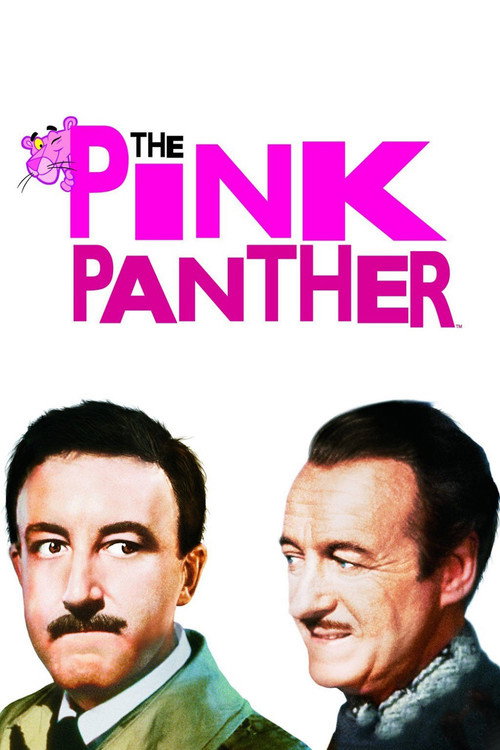
The Pink Panther1963
Bumbling authority figures and institutional chaos as comedy engine. Sellers is magnificent, the plot barely matters, and the physical comedy lands with style. If you like cops being useless, this perfected it.
But The humour is very broad and very '60s. If slapstick leaves you cold, nothing here will warm you to it.
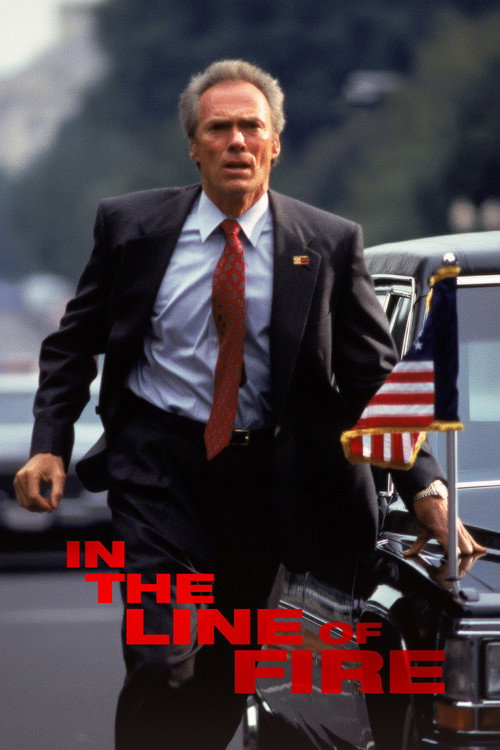
In the Line of Fire1993
A thriller that actually respects the police procedural while keeping things tight and entertaining. Eastwood and Malkovich crackle. It's competent filmmaking with real stakes, and it moves.
But Straight thriller, no comedy. If you want levity with your corruption narrative, this won't provide it.
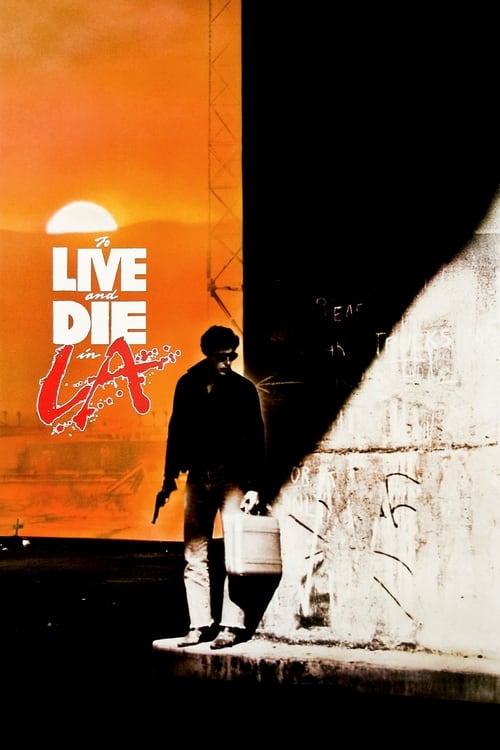
To Live and Die in L.A.1985
Corrupt cops, stunning '80s aesthetic, a brilliant score, and genuine moral ambiguity. Friedkin made something stylish and nasty. The action feels real because the characters feel real.
But Dark and cynical to the bone. It doesn't wink at you. If you need comedy relief or a hero to root for, look elsewhere.
Not sure tonight? Get a pick in a minute, starting from Policewoman
The wildcard
Something you would not have found on your own.
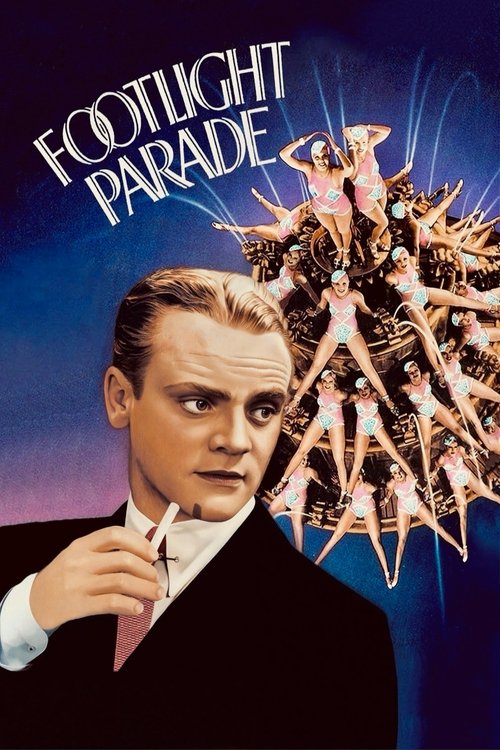
Footlight Parade1933
Both films treat institutional chaos as comedy engine—the plot is scaffolding for character bits and slapstick. Both love a crowded frame and peripheral gags. Both are absolutely of their moment.
A backstage musical-comedy about theatrical production chaos and corruption, packed with Busby Berkeley's impossible geometry and James Cagney's manic energy. It's pure entertainment—colour and movement and gags firing constantly. Same DNA as Policewoman: messy institutions, peripheral characters stealing scenes, a plot as excuse for set pieces.
But Pre-war Hollywood pacing and sensibilities. It's fast and dense; if you don't engage immediately, you'll lose the thread.
More like this (7)
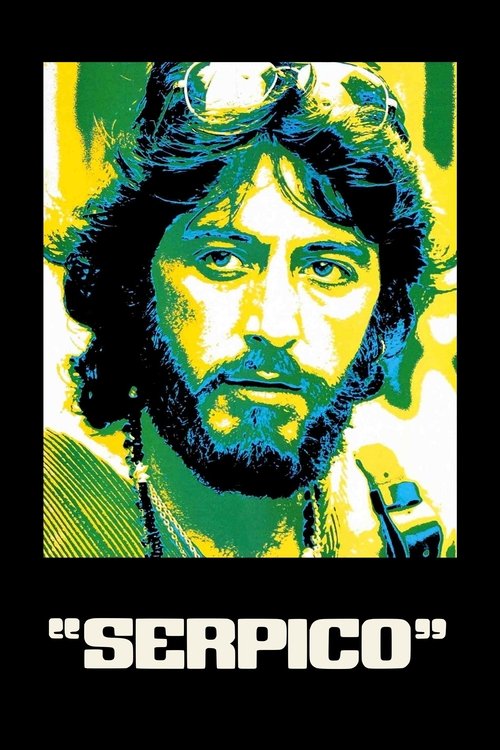
Serpico1973
Al Pacino as an idealistic cop fighting systemic police corruption in New York. It's earnest, propulsive, and genuinely angry about institutional rot. Made just before your film, it shares the moment's disgust with bureaucratic rot.
But The earnestness means it plays straight where Policewoman plays for laughs. No winking, no comedy. Can feel dated in its sincerity.
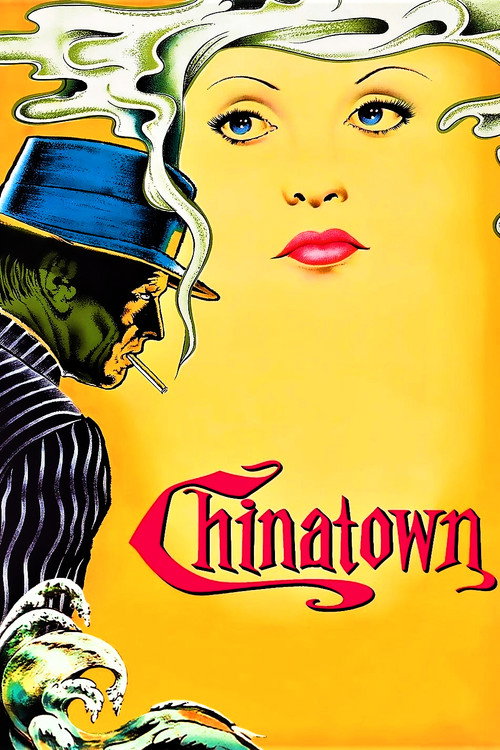
Chinatown1974
Released the same year as Policewoman, it's corruption as tragic noir—a detective uncovering environmental and municipal conspiracy in LA. The paranoia is thick, the plotting immaculate, Nicholson and Huston are electric.
But Bleak and devastating where Policewoman is silly. If you want lighter company, this will exhaust you.
The Killers1946
A cop story that plays like a machine: efficient, clever, no wasted moments. Burt Lancaster and Ava Gardner, a heist mystery, and Siodmak's control over every frame. It's what tightness looks like.
But Made in 1946, it's not interested in comedy or character faffing. If you need modern sensibilities, it'll feel stiff.

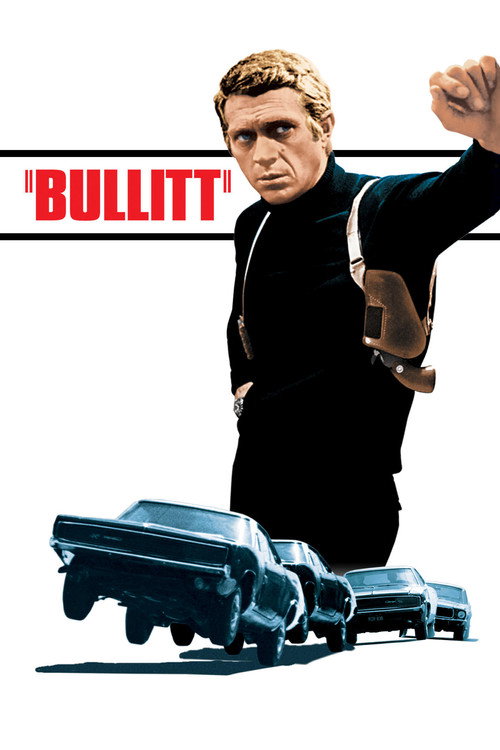
Bullitt1968
Steve McQueen as a San Francisco cop fighting corruption from inside the system. It's cool without trying, the car chase is still magnificent, and it catches a city and moment perfectly.
But The plot is thinner than it seems. Lots of screen time devoted to McQueen looking excellent and not much else.
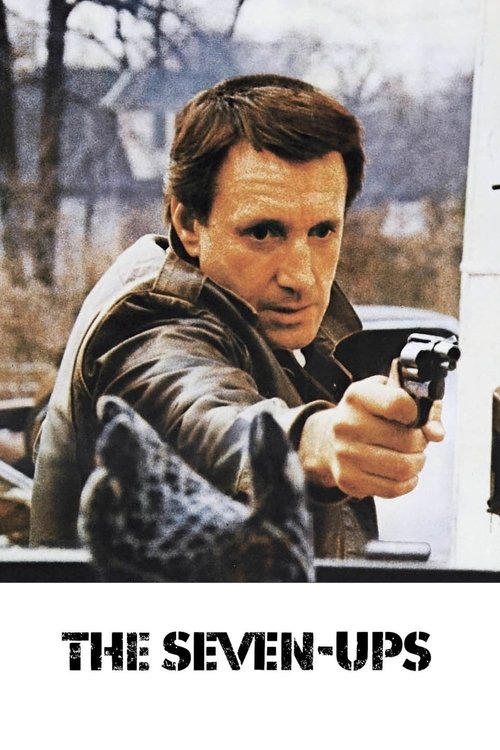
The Seven-Ups1973
A cop thriller with genuine grit, made in New York by someone who understood how the system actually worked. The car chases are real, the corruption is plausible, and it moves fast.
But Obscure enough that you might struggle to find it. Also: distinctly '70s in pacing, which means slower than modern thrillers.
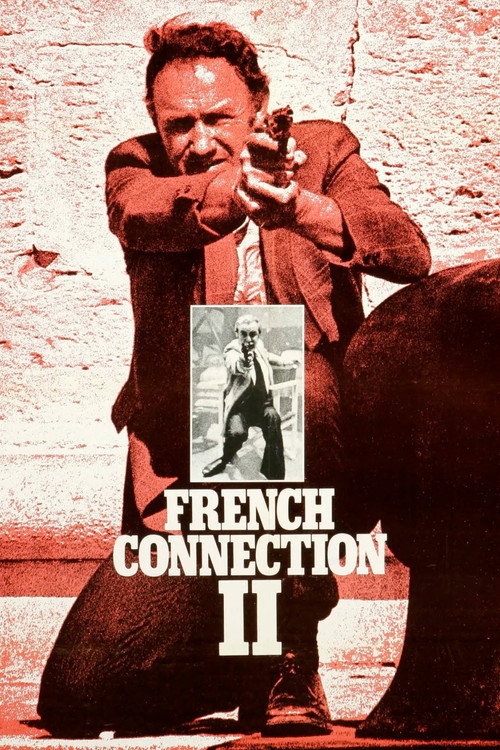
French Connection II1975
A sequel that works as well as the first. Popeye Doyle trying to solve a case in Marseille, Friedkin directing with verve, and genuine location shooting giving it texture. It's competent and entertaining.
But It's a sequel, so if the first one didn't grab you, this won't either. Also arrives after the cultural moment of the original.
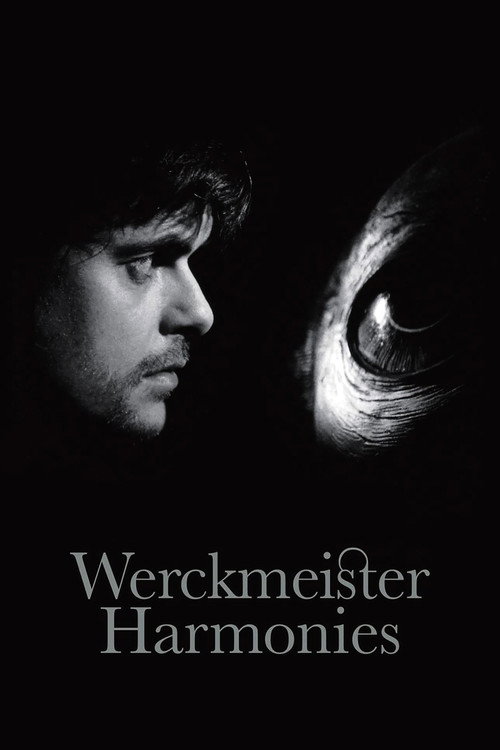
Werckmeister Harmonies2001
Both examine institutional corruption and individual powerlessness, but Tarr removes the comedy and turns it inside out—instead of slapstick, you get dread.
A Hungarian film about small-town corruption, institutional decay, and the way power operates invisibly. Shot in black and white, glacially paced, hypnotic. It's a meditation on what Policewoman treats as farce—the machinery of corruption grinding away while individuals are crushed. Béla Tarr is a master of atmosphere and moral weight.
But Austere, slow, and punishingly bleak. No laughs, no plot momentum. Requires patience and tolerance for ambiguity and suffering.
People
Cast
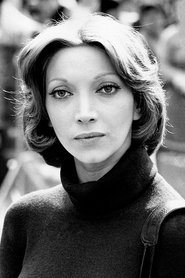 Mariangela MelatoGiovanna Abbastanzi
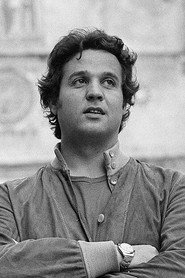 Renato PozzettoClaudio
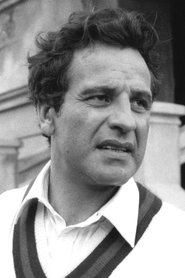 Orazio OrlandoPretore Patanè
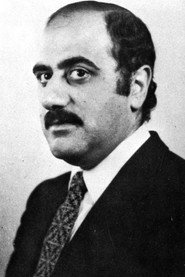 Gianfranco BarraDottor Gargiulo
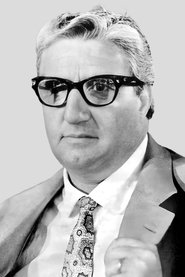 Mario Carotenutocapitano dei vigili urbani
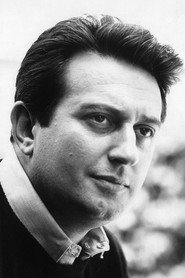 Alberto LionelloAssessore Tarcisio Monti
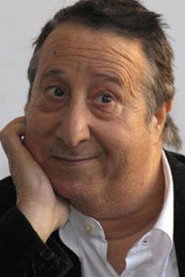 Alvaro VitaliFantuzzi
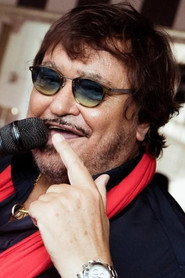 Umberto SmailaFiglio del sindaco
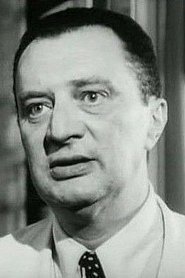 Gigi Ballistaavvocato
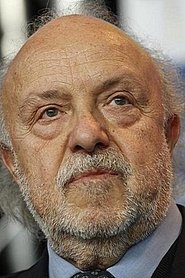 Renato Scarpafarmacista
 Pia Velsimadre di Giovanna
Directing
- StenoDirector
- Enrico VanzinaFirst Assistant Director
- Lodovico GaspariniScript Supervisor
- Giovanni SoldatiSecond Assistant Director
Writing
- Luciano VincenzoniScreenplay
- Sergio DonatiScreenplay
- Giuseppe CatalanoStory
- Luciano VincenzoniStory
- Nicola BadaluccoStory
- Sergio DonatiStory
Production
- Pietro InnocentiAccountant
- Maurizio AnticoliAdministration
- Jone TuziLine Producer
- Carlo PontiProducer
- Paola SurdiProduction Secretary
- Gino SantarelliUnit Manager