
Film
The Freshman
Other titles called The Freshman: the 1990 film.
- Comedy
- Light-hearted
Harold Lloyd's 1925 silent comedy captures the anxiety of fitting in at college with such warmth and physicality that it feels contemporary. Lloyd plays an awkward freshman desperate to belong, and the film finds genuine pathos beneath the slapstick—his earnestness makes his failures land harder and his small victories matter more. It's for anyone who remembers being the person trying too hard.
Should you watch it?
Watch it if you love physical comedy built on escalating set pieces, where a sweet, awkward underdog's determination turns every humiliation into a bigger gag, and you don't mind the old-fashioned pacing of a silent picture.
Skip it if you need dialogue-driven jokes or quick modern rhythms, since the humour here runs on visual timing and intertitles that can feel slow to viewers used to sharper edits.
What it asks of you: It asks for patience through a slow build before the gags accelerate, about seventy-seven minutes of close watching, with comedy that stays hopeful even as the hero takes knocks.
Not sure? Find tonight's pick in a minute.
If you liked this
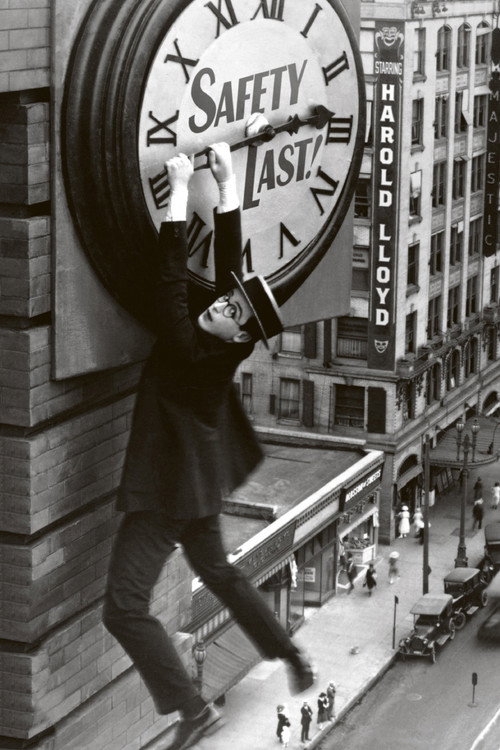
Safety Last!1923
Harold Lloyd at peak form, hanging from a clock on a skyscraper with a deadpan expression that makes you forget he's in mortal danger. The stunts are real, the comedy is precise, and it's absolutely gripping.
But Silent comedy doesn't work for everyone, especially if you expect dialogue-driven humor. The pacing can feel glacial if you're used to modern cuts.
Singin' in the Rain1952
Pure joy. Gene Kelly, Donald O'Connor, and Debbie Reynolds in a musical that understands why we fall in love with cinema. The dancing is virtuosic but the film never gets pompous about it.
But If you find Hollywood nostalgia tiresome or musicals feel too earnest, this might feel saccharine rather than charming.

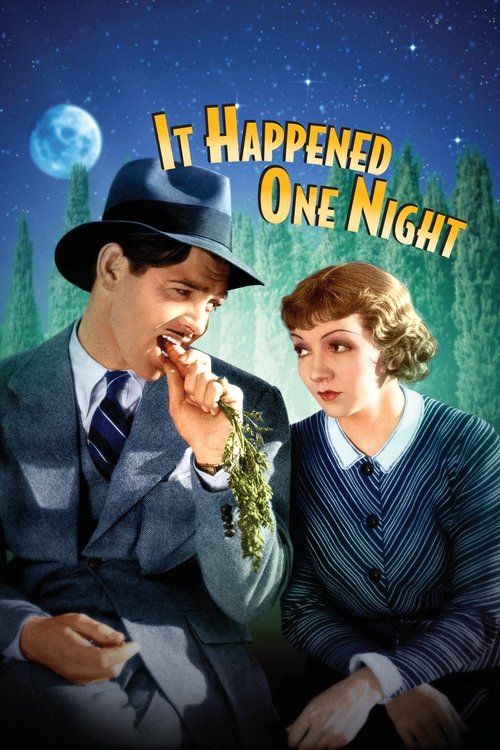
It Happened One Night1934
Claudette Colbert and Clark Gable have such crackling chemistry that you stop noticing the film was made nearly a century ago. Witty, sexy, and fundamentally about two people genuinely liking each other.
But The class politics haven't aged brilliantly, and some modern viewers find the screwball pacing exhausting rather than energetic.
Not sure tonight? Get a pick in a minute, starting from The Freshman
The wildcard
Something you would not have found on your own.
Sunrise: A Song of Two Humans1927
Both are about transformation through social pressure: Lloyd's Harold learns to see himself differently to belong; Murnau's couple nearly destroys their marriage through the seductions of status and elsewhere. Both say something true about how we remake ourselves for others.
F.W. Murnau made a film about temptation and marriage that feels more like poetry than narrative. The German Expressionist visuals are hypnotic, and the emotional accuracy of the relationship is startling for 1927.
But It's achingly serious—no comedy, just dread and intimacy. The visual language requires patience and engagement.

More like this (8)
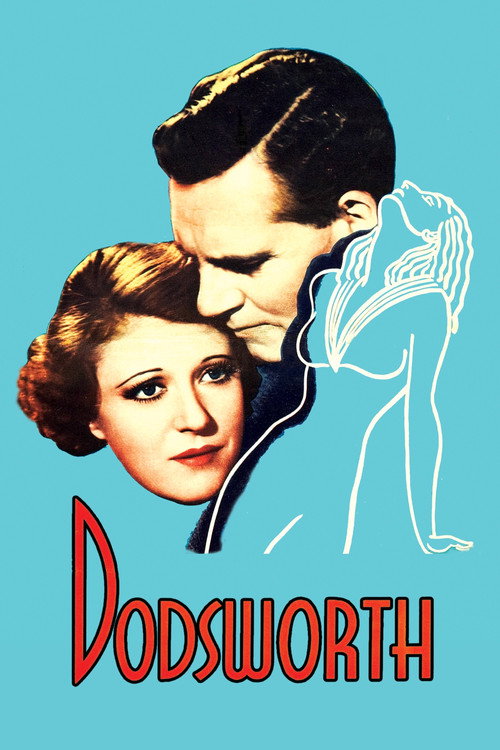
Dodsworth1936
Walter Huston as a retired businessman learning to live for himself. Sincere, adult, and surprisingly moving—it trusts the audience to feel things without telegraphing the emotion.
But It's slow and introspective in ways 1930s audiences found daring but modern viewers might find undramatic.
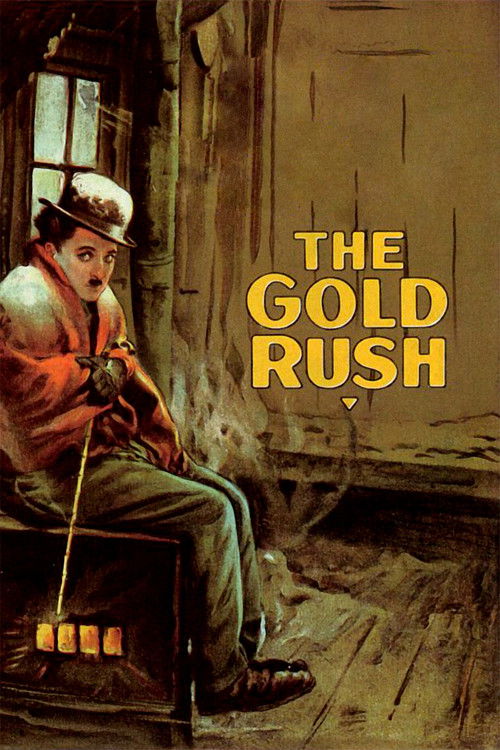
The Gold Rush1925
Chaplin in the Yukon, searching for gold and dignity. The pathos cuts deeper than Lloyd's work, and certain set pieces—the cabin teetering on a cliff—remain genuinely suspenseful.
But Chaplin's sentimentality can feel heavy-handed, and the film's length tests patience even for silent-film enthusiasts.
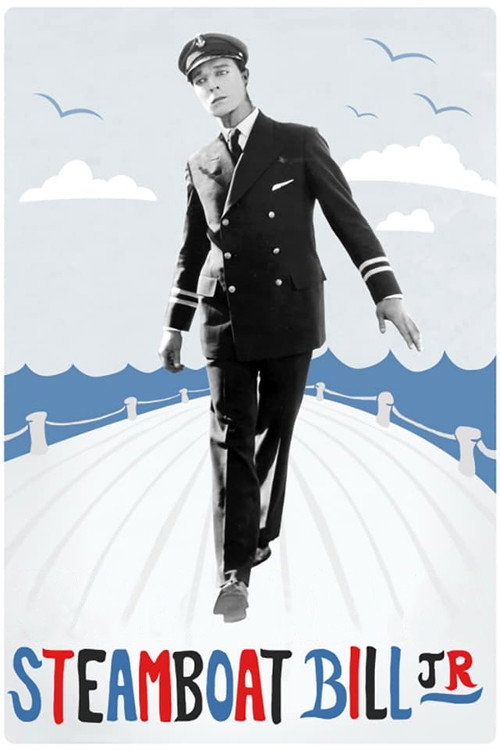
Steamboat Bill, Jr.1928
Buster Keaton's deadpan face against a collapsing house and a cyclone. The stunt work is daredevil-level ingenious, and the comedy emerges entirely from physics and timing.
But If you find Keaton's impassive expression off-putting, the film offers little warmth to latch onto emotionally.
The Phantom Carriage1921
A Swedish ghost story so beautifully shot and structurally inventive that it still feels modern. It's eerie and profound in ways most contemporary horror can't touch.
But It's a ghost story about death and redemption, not a comedy—the tone shift from Lloyd might feel jarring, and the pacing is deliberate.

Nosferatu1922
German Expressionism in its purest form: a vampire film that builds dread through shadows and composition rather than jump scares. It's genuinely creepy and visually stunning.
But The acting style is theatrical in ways that feel alien now, and the plot is thin if you're expecting narrative complexity.

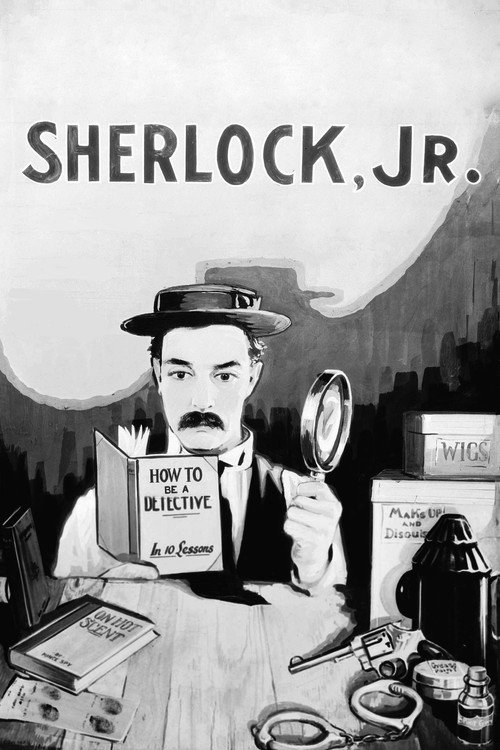
Sherlock Jr.1924
Keaton as a projectionist who dreams himself into a film within the film. The meta-humor is clever without feeling clever, and the stunt work is inventive even by silent standards.
But It's slight compared to other Keaton features, and the dream-logic structure might feel more cute than funny if you're not in the mood.
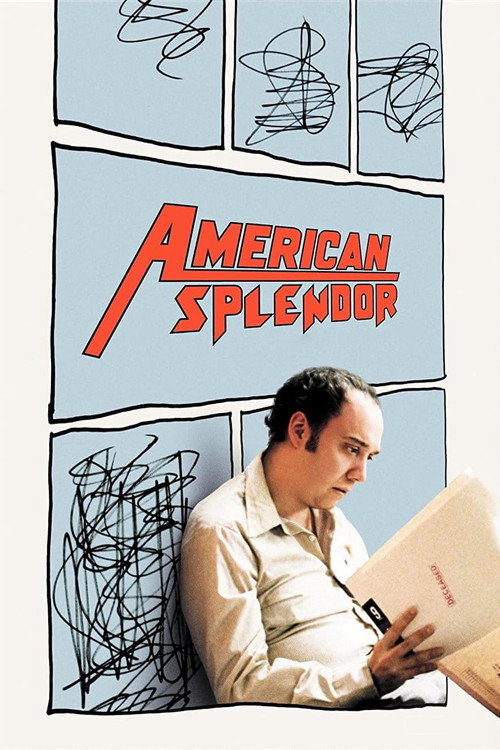
American Splendor2003
Harold Lloyd's comedy comes from the gap between who he wants to be and who he actually is. American Splendor is about that same gap, but takes it seriously—about a man insisting his ordinary life contains real value, real drama. Lloyd makes the gap funny; Pekar makes it profound.
A hybrid documentary-narrative about Harvey Pekar, a comic-book writer determined to turn his mundane life into art. It's inventive, funny, and genuinely moving about the desire to matter.
But The indie aesthetic and focus on creative struggle over plot might feel shapeless or pretentious if you want conventional storytelling.
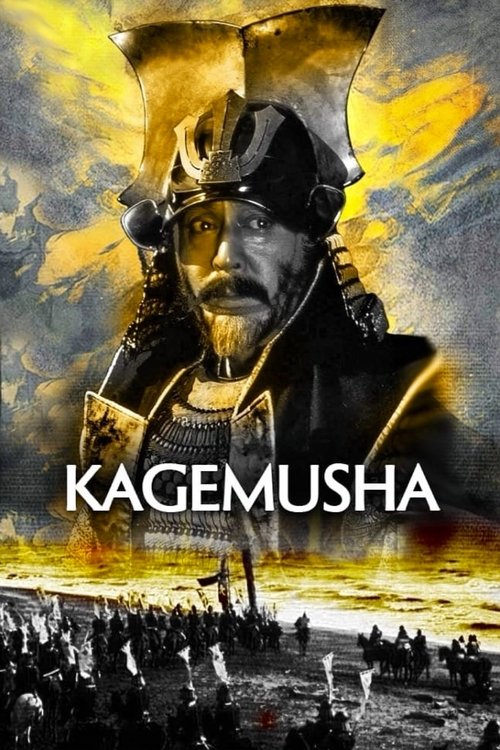
Kagemusha1980
Lloyd's Harold convinces the school he's a football hero he isn't, and learns to become it—to collapse the distance between performance and self. Kagemusha asks what happens if you can never collapse that distance, if you're trapped as an impersonator forever. Same idea, opposite conclusions: one comedy, one tragedy.
Kurosawa's film about a thief hired to impersonate a dead warlord. It's a meditation on identity, performance, and whether the person you pretend to be is less real than the person you are—shot with Kurosawa's characteristic visual grandeur.
But It's a three-hour Japanese period film that moves glacially, and its philosophical concerns matter more than plot momentum.
People
Cast
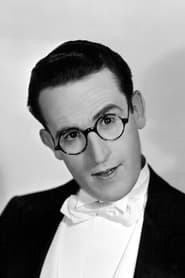 Harold LloydHarold Lamb
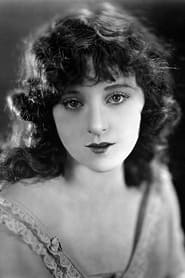 Jobyna RalstonPeggy
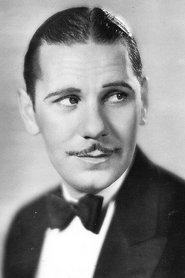 Brooks BenedictThe College Cad
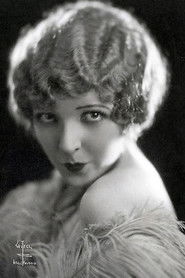 Hazel KeenerThe College Belle
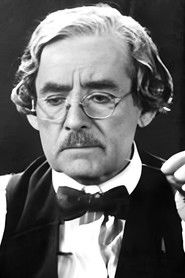 Joseph HarringtonThe College Tailor
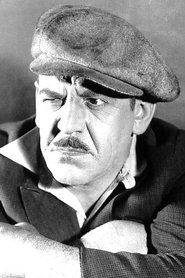 Pat HarmonThe Football Coach
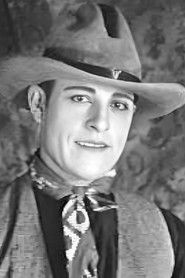 Leon BeaumonStudent (uncredited)
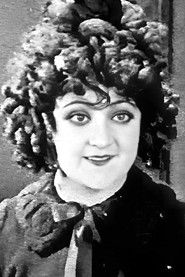 Ethel BroadhurstWoman (uncredited)
- Roy BrooksTall Student (uncredited)
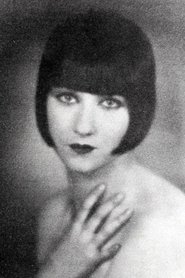 Rosalind ByrneGirl Caught in Suspenders at Dance (uncredited)
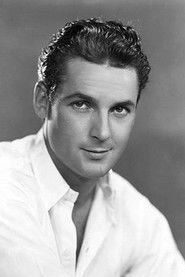 Charles FarrellStudent Bell Ringer at Frolic (uncredited)
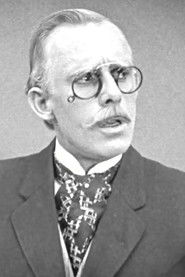 Wally HoweGardener (uncredited)
Directing
- Robert A. GoldenAssistant Director
- Fred C. NewmeyerDirector
- Sam TaylorDirector
Writing
- John GreyStory
- Sam TaylorStory
- Ted WildeStory
- Tim WhelanStory
Production
- John L. MurphyProduction Manager