
Film
Anthony Adverse
A sweeping 1936 epic following an abandoned boy's coming-of-age across continents and decades. Fredric March carries this lavish adventure through romance, betrayal, and fortune-seeking with the romantic earnestness the studio system demanded. For viewers patient with old Hollywood's leisurely pace and grand melodrama.
If you liked this
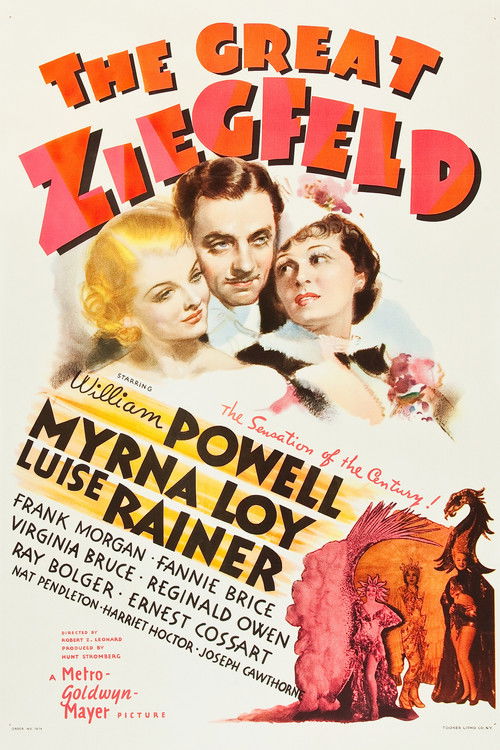
The Great Ziegfeld1936
Another 1936 epic with similar scale, ambition and Technicolor grandeur. It luxuriates in spectacle and follows a man's rise through changing circumstances. A natural companion piece from the same year and sensibility.
But At 180 minutes it's even longer, and the narrative momentum matters less than the visual splendour. The pacing will test modern viewers accustomed to tighter storytelling.
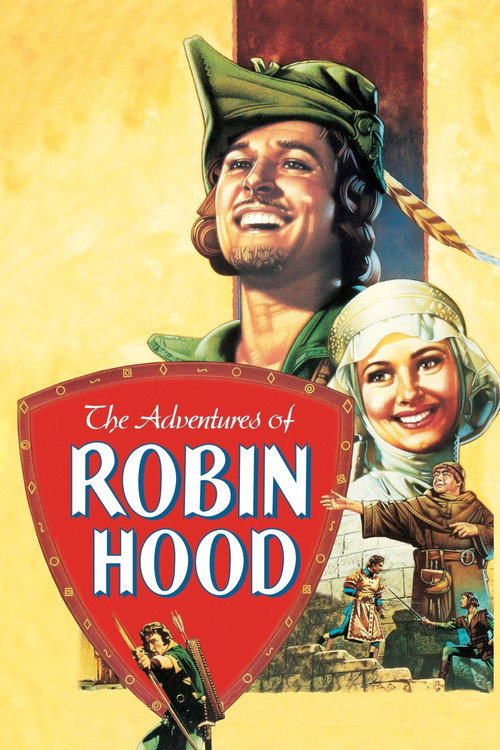
The Adventures of Robin Hood1938
Errol Flynn in glorious Technicolor adventure with similar romantic sweep and physical heroism. The same era's answer to episodic, globe-trotting excitement, but with sharper wit and faster pacing.
But It's cheerfully swashbuckling where Anthony Adverse aims for emotional weight. The tone is lighter, almost comedic by comparison.
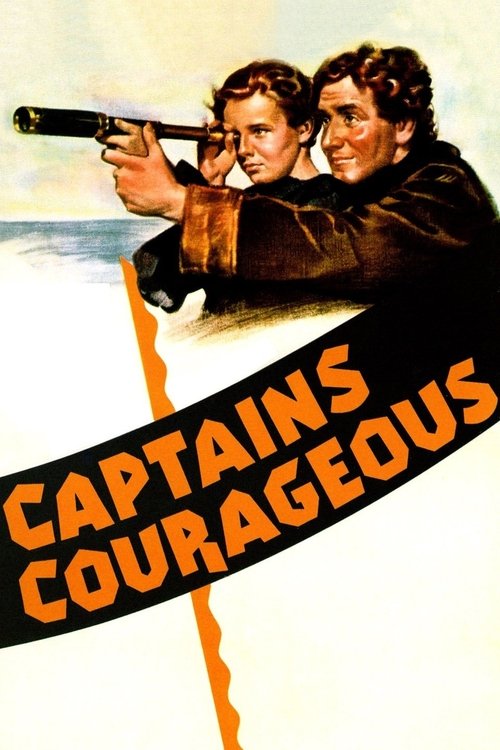
Captains Courageous1937
Spencer Tracy mentors a privileged boy through hardship and adventure. Similar grandfather-figure guidance, coming-of-age structure, and faith in human decency. MGM's comparable sweep and sincerity.
But More intimate and contained than the expansive Anthony Adverse. Stays largely in one setting rather than spanning continents.
Not sure tonight? Get a pick in a minute, starting from Anthony Adverse
The wildcard
Something you would not have found on your own.
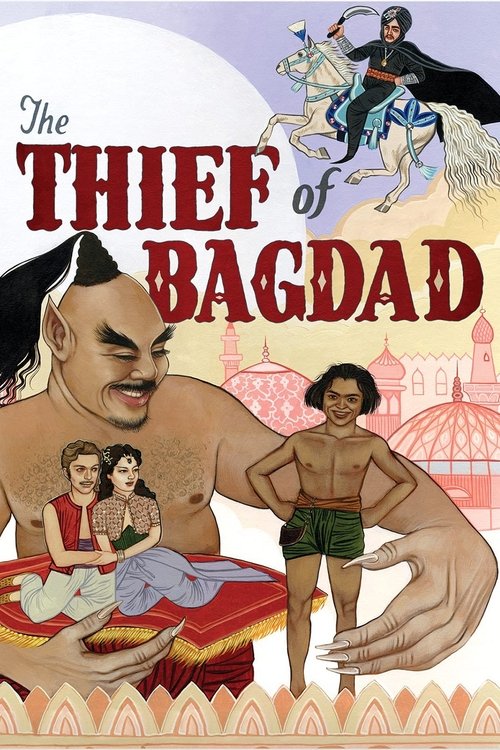
The Thief of Bagdad1940
Both are Korda-era epics built on a lover's quest across impossible distances, with separation and reunion as the driving engine, but one reaches toward fairy tale while the other plants itself in historical detail.
Alexander Korda's fantastical answer to the globe-trotting adventure romance. Uses the same production scale and spanning-continents structure but ventures into pure imagination and visual poetry instead of historical realism.
But It's magical and dreamlike rather than grounded. If you want adventure tied to consequence and character rather than spectacle for its own sake, this floats too free.
More like this (8)
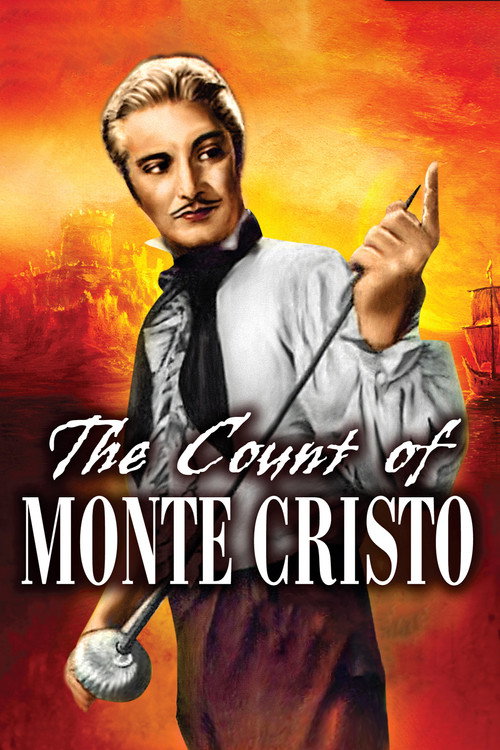
The Count of Monte Cristo1934
Robert Donat in a comparable romantic adventure about separation, betrayal, and the obsessive quest to reunite with a lost love. Same era's approach to epic adventure melodrama.
But Darker and more vengeful in tone. Less interested in the sweetness of romance than in the machinery of retribution.
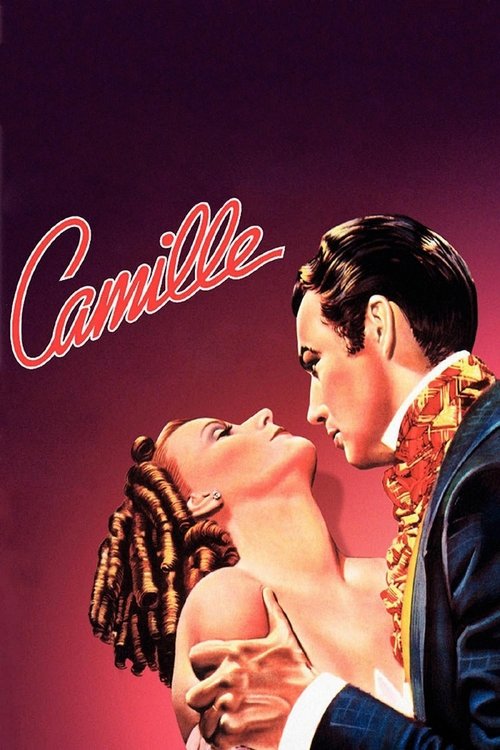
Camille1936
Garbo and Armand in 1936 grand passion. Like Anthony Adverse, it's built entirely on separation and yearning, with impeccable production design and the romantic fatalism of the period.
But A woman's tragedy rather than a man's adventure. Far shorter and much more concentrated on emotional devastation than external incident.
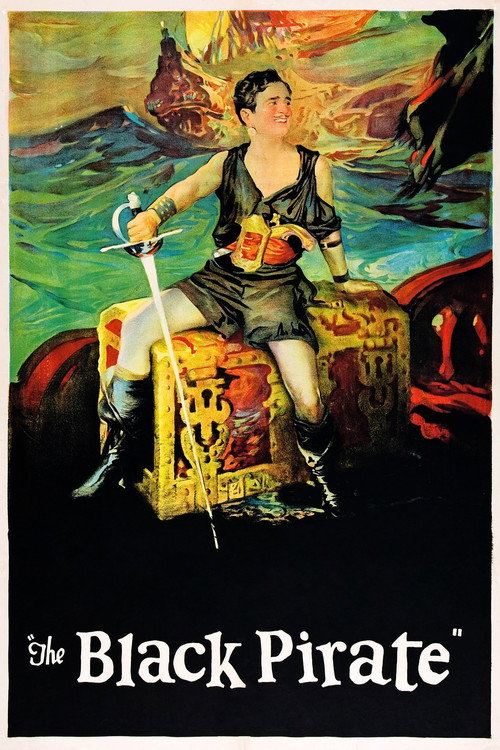
The Black Pirate1926
Douglas Fairbanks silent adventure through exotic locations with similar episodic structure and physical heroism. Shows the lineage of adventure romance Anthony Adverse belongs to.
But It's silent, which changes the rhythm entirely. The intertitles and lack of dialogue create a completely different viewing experience.
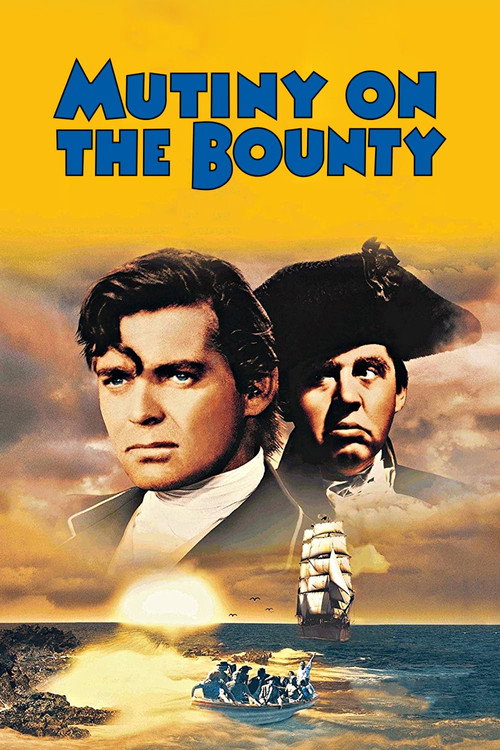
Mutiny on the Bounty1935
Clark Gable and Charles Laughton in another 1930s epic with naval adventure, moral conflict, and the scale Anthony Adverse reached for. Rich production, high stakes, committed performances.
But A true ensemble where no single character carries the weight. The focus on mutiny politics rather than personal romance.
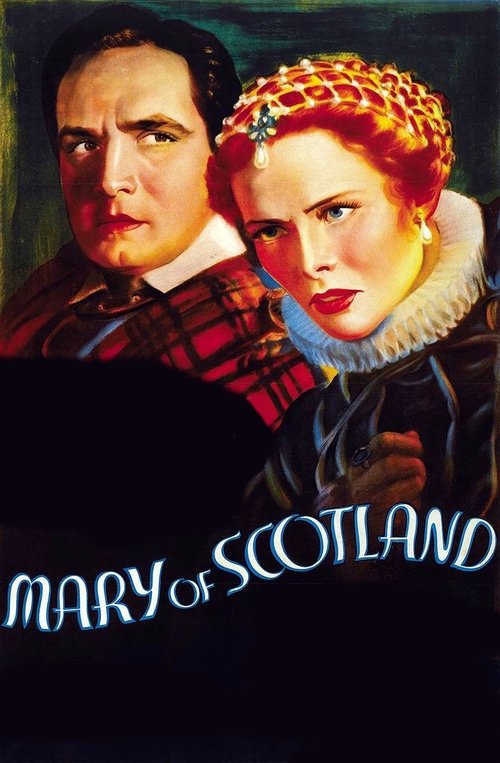
Mary of Scotland1936
Katharine Hepburn in John Ford's lush historical romance from the same year. Similar commitment to emotional stakes across decades, with beautiful production and tragic inevitability.
But Hepburn's performance polarizes viewers. Her theatrical delivery and accent work will strike some as mannered rather than moving.
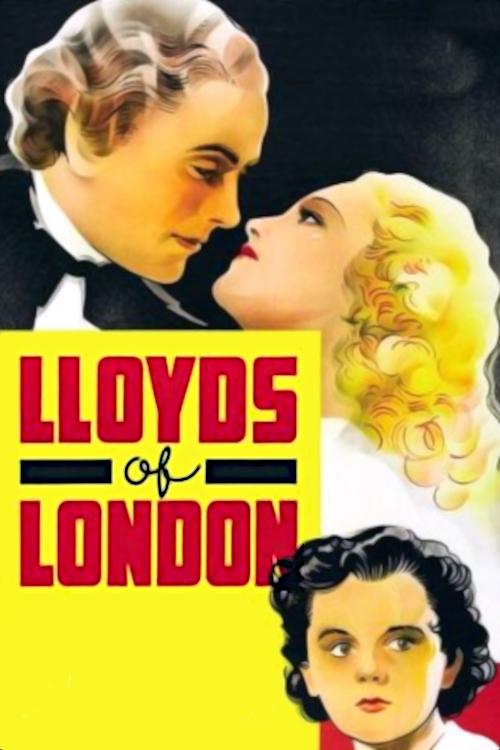
Lloyd's of London1936
Tyrone Power in yet another 1936 historical epic tracing a man's rise through changing fortunes. Comparable visual ambition and narrative sprawl across time and geography.
But More interested in historical events than personal emotion. The insurance industry backdrop won't generate the same romantic investment.
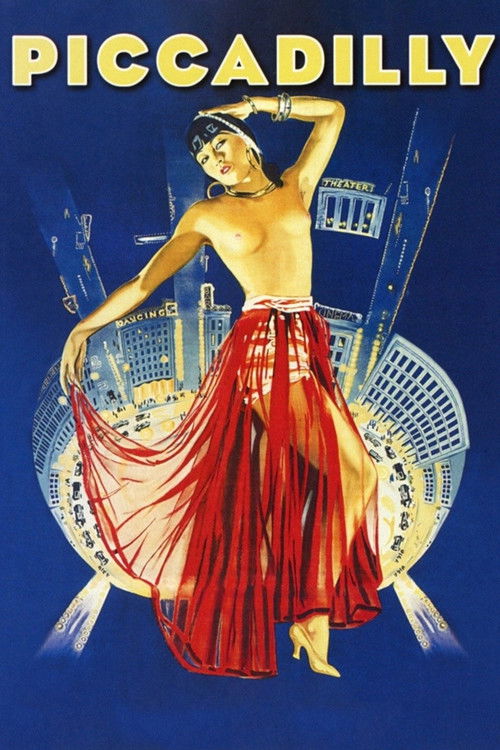
Piccadilly1929
Both follow a protagonist's ascent and navigation of class barriers through beauty and circumstance rather than birthright, but Piccadilly is urban and cynical where Anthony Adverse is continental and romantic.
E.A. Dupont's silent British film about a woman's rise from lowly circumstances through ambition and romance in the 1920s demimonde. Same appetite for sprawling narrative and social climbing, completely different era and visual language.
But Silent film with intertitles requires patience. The pacing and acting style feel distant now, and the morality of its narrative is queasy by modern lights.
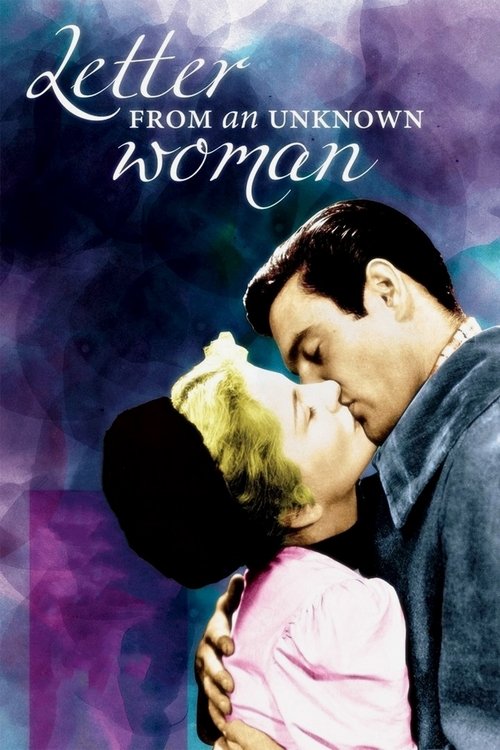
Letter from an Unknown Woman1948
Both are consumed by the romantic ideal of a lost love that defines a lifetime, but where Anthony Adverse pursues her across the world, this film shows a woman unmoved by his obliviousness, trapped in her own private universe.
Max Ophüls' obsessive study of a woman's lifelong, unreciprocated love told in mirror-image structure. Takes the separation and yearning at Anthony Adverse's heart and distills it into pure, devastating emotional geometry.
But Entirely internal and melancholic. There's no adventure, no exoticism, no external quest—only memory and regret. Some will find it too constrained and airless.
People
Cast
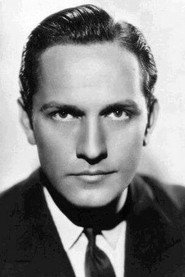 Fredric MarchAnthony Adverse
 Olivia de HavillandAngela Guiseppe
 Donald WoodsVincent Nolte
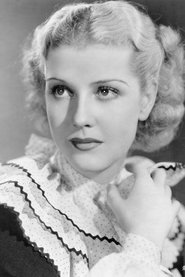 Anita LouiseMaria
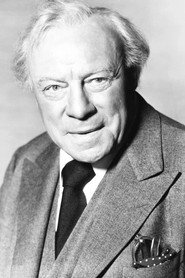 Edmund GwennJohn Bonnyfeather
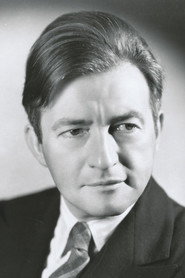 Claude RainsMarquis Don Luis
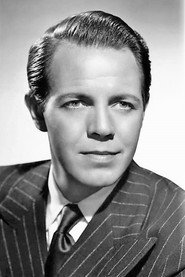 Louis HaywardDenis Moore
 Gale SondergaardFaith Paleologus
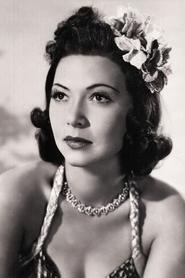 Steffi DunaNeleta
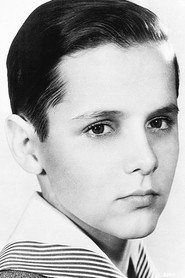 Billy MauchYoung Anthony Adverse
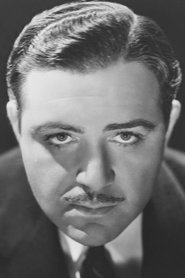 Akim TamiroffCarlo Cibo
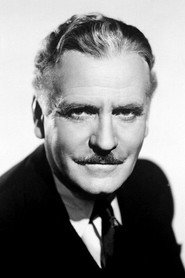 Ralph MorganDebrulle
Directing
- William H. CannonAssistant Director
- Mervyn LeRoyDirector
Writing
- Hervey AllenNovel
- Sheridan GibneyScreenplay
Production
- Henry BlankeSupervising Producer